
Home loan rate rising? A better credit score could save you lakhs; here’s how

1/9
Home loan interest rate: Your credit score could save you lakhs
A strong credit score can do more than improve your chances of getting a loan. It can also help you negotiate a lower interest rate with your existing lender. One borrower cut his home loan rate from 8.45% to 7.5% after his score improved from 780 to 803, potentially saving around ₹6 lakh over the remaining tenure.

2/9
Home loan rates may rise: Why your credit score matters now
The RBI raised the repo rate by 25 basis points to 5.5% on October 7 and shifted its policy stance towards calibrated tightening. Economists expect further rate increases. For borrowers with floating-rate home loans, higher benchmark rates can increase the interest burden. A strong credit profile can therefore become useful when negotiating the spread charged over the benchmark rate.

3/9
How does your credit score affect home loan interest rates?
For most bank floating-rate retail loans sanctioned after October 1, 2019, the interest rate is linked to an external benchmark, usually the repo rate. But your final rate also includes the lender’s spread and credit risk premium. Banks can offer different spreads to different borrower categories. Your credit profile is one factor that can influence this pricing.

4/9
Credit score improved? Your bank may not cut your home loan rate automatically
An improved credit score does not automatically trigger a lower home loan rate. The lender generally will not reassess your loan simply because your score has increased. You need to approach the bank and request a repricing. The lender may then review your credit profile and decide whether the credit risk premium or spread can be reduced.

5/9
Home loan repricing: One borrower saved nearly ₹14 lakh
A Bengaluru borrower took a ₹46 lakh home loan at 8% in 2018 when his credit score was 730. His score later improved to 810. After discovering that borrowers with scores above 800 were getting lower rates, he asked his bank to reprice his loan. The bank agreed, resulting in interest savings of nearly ₹14 lakh.

6/9
How to negotiate a lower home loan interest rate
Before approaching your lender, check your loan agreement and identify the external benchmark, current benchmark rate, contractual spread and effective interest rate. Ask for the spread breakup and understand how often the credit risk premium can be reviewed. Keep your latest credit report, repayment record, income documents and evidence of improved leverage or loan-to-value ratio ready.

7/9
Compare other lenders before accepting your bank’s revised home loan rate
Do not negotiate blindly with your existing lender. Compare its revised rate and pricing policy with competing banks before deciding. Some lenders may charge a one-time fee of around ₹3,500–₹6,000 for switching to a lower rate, depending on their policies. Borrowers with older MCLR- or Base Rate-linked loans can also switch to an external benchmark-linked loan, subject to applicable administrative and legal costs.
8/9
How to improve your credit score before negotiating a home loan rate
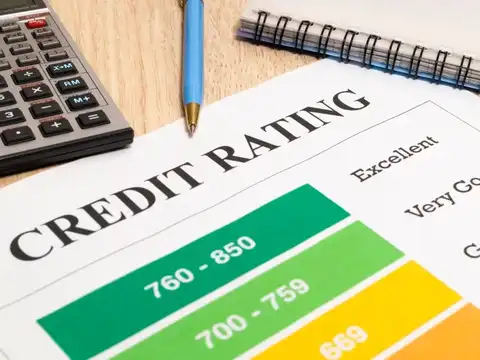
There is no instant way to build a strong credit score. Pay home loan EMIs and credit card bills on time and clear overdue amounts. Check your credit report regularly for errors or fraudulent activity. Avoid taking multiple unsecured loans or credit cards without assessing affordability. Remember that becoming a co-applicant can also affect your score if the primary borrower misses repayments.

9/9
Higher credit score can help—but don’t expect a guaranteed rate cut
A better credit score strengthens your case for negotiating a lower home loan rate, but it does not guarantee a reduction. The lender may consider your income, leverage, repayment history, collateral and loan-to-value ratio before repricing the loan. If your financial profile has improved significantly, approach the lender and request a complete reassessment rather than waiting for the rate to change automatically.