
Debt avalanche vs. snowball: The smartest way to pay off loans fast
1/8
Avalanche vs. snowball: Which debt strategy wins?
There’s no single right way to clear debt. The debt avalanche method helps you save more by paying off high-interest loans first, while the debt snowball focuses on quick wins by clearing smaller dues early. Each has its benefits, depending on whether you value saving money or faster progress. Choose the approach that keeps you motivated to stay debt-free.

2/8
Step 1: Know what you owe
Start by listing all your debts, including the lender, balance, interest rate, and minimum payment. This gives you a clear picture of where you stand financially. Knowing the full details helps you decide which loans to tackle first. It also reveals the true cost of borrowing, guiding you toward smarter debt management.

3/8
Step 2: Build a realistic budget
Your budget acts as a roadmap to becoming debt-free. Track your income, expenses, and any unnecessary spending, then channel those savings toward repaying debt. Automating extra payments using bonuses, tax refunds, or side income can speed up the process. With discipline and a clear plan, you’ll stay on course to financial freedom.
Amazon Top Deals
POWERED BY

Crompton Ozone 75 Litres Desert Air Cooler for home | Large & Easy Clean Ice Chamber | 4-Way Air Deflection | High Density Honeycomb Pads | Everlast Pump | Auto Fill| 3 Year Brand Warranty
₹9,798Buy Now43%
OFF

LG 32 L Convection Microwave Oven (MC3286BRUM, Black, 360° Motorised Rotisserie for Bar-be-queing, 301 Auto Cook Menu, Stainless steel cavity, Indian Cuisine, Tandoor Se, Steam Clean & Diet Fry)
₹18,490Buy Now23%
OFF

4/8
The debt avalanche method: Fastest to zero
Focus on high-interest balances first to save the most money.
Pros: Reduces total interest paid, shortens payoff time.
Cons: May take longer to see progress if your biggest debt has a large balance.
Best for: Those driven by logic and long-term savings.
Pros: Reduces total interest paid, shortens payoff time.
Cons: May take longer to see progress if your biggest debt has a large balance.
Best for: Those driven by logic and long-term savings.
5/8
The debt snowball method: Motivation that grows
Pay off the smallest debts first to gain momentum.
Pros: Delivers quick wins and boosts confidence.
Cons: You’ll pay more interest overall than the avalanche method.
Best for: Those who stay motivated by visible progress.
Pros: Delivers quick wins and boosts confidence.
Cons: You’ll pay more interest overall than the avalanche method.
Best for: Those who stay motivated by visible progress.
6/8
Smart debt consolidation options
Simplify multiple loans into one manageable payment.
Balance Transfer Card: Move high-interest debt to a 0% APR card for 12–21 months.
Debt Consolidation Loan: Replace several loans with one fixed-rate loan.
Both work best for borrowers with good credit and financial discipline.
Balance Transfer Card: Move high-interest debt to a 0% APR card for 12–21 months.
Debt Consolidation Loan: Replace several loans with one fixed-rate loan.
Both work best for borrowers with good credit and financial discipline.
7/8
When you need extra help: Debt relief options
If debt feels overwhelming, structured programs can help:
Debt Management Plan (DMP): Lower rates, single monthly payment via a counseling agency.
Debt Settlement: Negotiate to pay less than what you owe — but expect credit damage.
Bankruptcy: A last resort offering a clean slate, but it impacts credit for years.
Debt Management Plan (DMP): Lower rates, single monthly payment via a counseling agency.
Debt Settlement: Negotiate to pay less than what you owe — but expect credit damage.
Bankruptcy: A last resort offering a clean slate, but it impacts credit for years.
8/8
The bottom line: Choose what fits you best
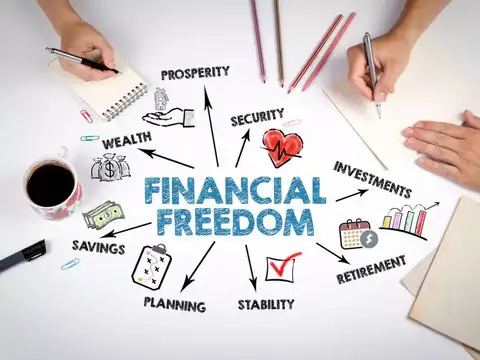
Whether you choose the avalanche method for saving more or the snowball method for quicker wins, staying consistent is what matters most. Keep track of your progress and maintain discipline along the way. Celebrate each milestone, no matter how small. Every payment brings you one step closer to financial freedom.