
Credit card limit extension scams are rising: 3 red flags you must spot & 5 ways to stay safe

1/9
Got an ‘instant credit card limit boost’ message? Stop
A sudden message, WhatsApp text, or call claiming to offer an instant or pre-approved increase in your credit card limit could be a scam. Fraudsters use such tricks to steal your money and personal details. Never share your card number, OTP, or banking information with unknown callers. Always verify such offers directly with your bank before responding.

2/9
What is a credit card limit extension scam?
Fraudsters often pretend to be bank officials or credit card representatives and offer quick limit increases. Their aim is to trick people into sharing card details or paying fake processing fees. Once they get the information, they can misuse it to steal money. Always verify such offers directly with your bank before taking any action.

3/9
How this scam typically works?
Scammers often promise a guaranteed increase in your credit card limit to gain your trust. They ask for sensitive details like OTPs or CVV numbers and later demand a small fee to activate the higher limit. Once they get this information, they can misuse your card or steal your money. Always remember, banks never ask for such personal details over calls or messages.
Amazon Top Deals
POWERED BY

Crompton Ozone 75 Litres Desert Air Cooler for home | Large & Easy Clean Ice Chamber | 4-Way Air Deflection | High Density Honeycomb Pads | Everlast Pump | Auto Fill| 3 Year Brand Warranty
₹9,798Buy Now43%
OFF
LG 32 L Convection Microwave Oven (MC3286BRUM, Black, 360° Motorised Rotisserie for Bar-be-queing, 301 Auto Cook Menu, Stainless steel cavity, Indian Cuisine, Tandoor Se, Steam Clean & Diet Fry)
₹19,340Buy Now19%
OFF
4/9
Red Flag #1 — urgent calls and messages
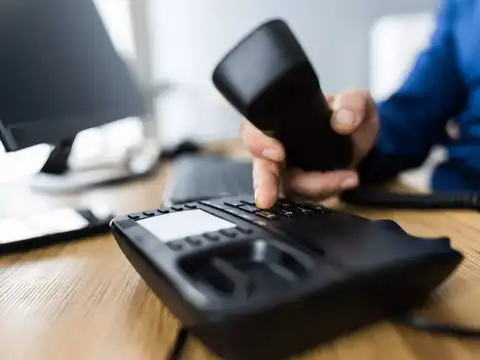
Be cautious if you get a message asking you to act immediately or warning that an offer will expire soon. Such urgency is a common trick used by scammers to trap people. Genuine banks never pressure customers to make quick decisions. Always take time to verify the message with your bank before responding.

5/9
Red Flag #2 — asking for OTP, CVV or PIN
No bank or NBFC will ever ask for your OTP, CVV, card number, or net banking password through calls, messages, or emails. Such requests are clear signs of a scam. Sharing these details can lead to financial loss or identity theft. Always keep your banking information private and report suspicious messages to your bank.
6/9
Red Flag #3 — unknown numbers and unofficial links
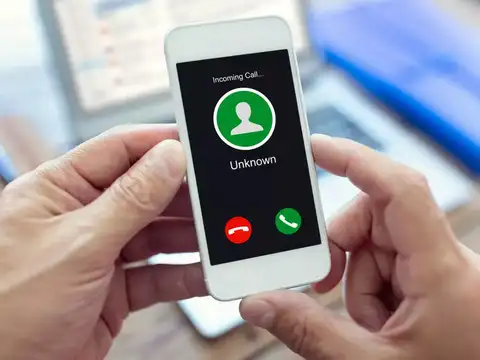
If you get messages from random numbers, Gmail IDs, or links that look shortened but claim to be from your bank, be careful. These are often used by fraudsters to steal your personal details. Banks always contact customers through official numbers or email IDs. Delete such messages and never click on unknown links.

7/9
5 smart ways to stay safe
Never share your card details with anyone, even if they claim to be from your bank. Always check credit card offers only on your bank’s official app or website. Avoid clicking on unknown links and keep transaction alerts active to track any misuse. Report any suspicious activity to your bank right away.

8/9
Why these scams can cost You big
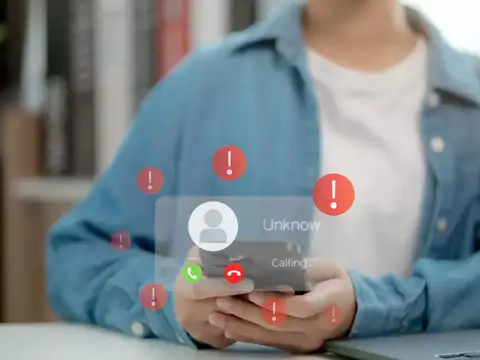
Victims of such scams can face unauthorised transactions and even see their bank accounts drained. It can also hurt their credit scores and financial reputation. Recovering lost money and resolving issues often takes a long time. That’s why it’s important to stay alert and act quickly if you suspect fraud.
9/9
Bottom line — verify first, act later
A higher credit limit can be helpful, but accept it only when your bank offers it through official channels. Never trust random calls or messages promising quick limit increases. Such offers could be traps set by fraudsters. Staying cautious is the best way to avoid costly credit card scams.