
5 silent reasons banks slash your credit card limit without warning

1/7
Did your credit limit just drop? Here's why banks do it
It's not random. Banks reduce credit card limits to protect themselves from risk — and the timing usually traces back to something in your spending or payment behavior. Here's what's really going on, and what it means for your finances.
2/7
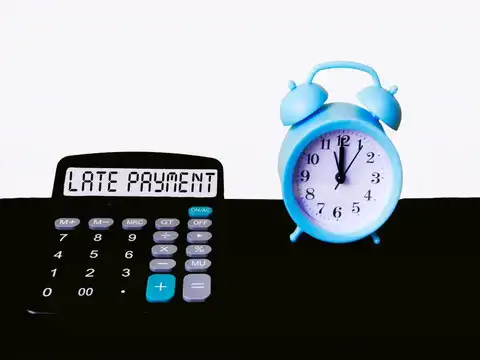
The #1 reason: Missed or minimum payments
Late payments, defaults on other loans, or a habit of paying only the minimum due are the biggest red flags banks watch for. These signal rising risk, and automated systems often respond by trimming your limit before things get worse.

3/7
Maxing out your card? That's a warning sign too
Regularly running high balances or maxing out your cards tells the bank you may be over-leveraged. To limit their exposure, they may cut your credit line — even if you've never missed a payment.
Amazon Top Deals
POWERED BY

Crompton Ozone 75 Litres Desert Air Cooler for home | Large & Easy Clean Ice Chamber | 4-Way Air Deflection | High Density Honeycomb Pads | Everlast Pump | Auto Fill| 3 Year Brand Warranty
₹9,798Buy Now43%
OFF

LG 32 L Convection Microwave Oven (MC3286BRUM, Black, 360° Motorised Rotisserie for Bar-be-queing, 301 Auto Cook Menu, Stainless steel cavity, Indian Cuisine, Tandoor Se, Steam Clean & Diet Fry)
₹19,340Buy Now19%
OFF

4/7
Not using your card? Banks notice that too
Ironically, using your card too little can also trigger a cut. If a card sits inactive for too long, banks may reclaim that unused credit and reassign it elsewhere.
5/7
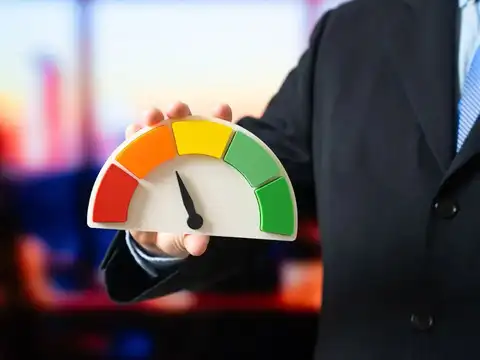
Your credit score drop could be the trigger
A sudden dip in your CIBIL or Experian score doesn't go unnoticed. It can automatically flag your account for a creditworthiness review — and a lower limit is often the result.

6/7
How this quietly hurts your financial profile
When your limit drops but your spending stays the same, your credit utilization ratio spikes, and that ratio is a major factor in your credit score. A lower limit also means less emergency purchasing power, and future lenders may view the cut itself as a sign of financial stress.

7/7
What to do if it happens to you
Pay down balances — aim to keep utilization under 30%.
Check your credit report — look for errors or missed payments you didn't know about.
Call your bank — request a manual review and share updated income proof if your situation has improved.
Check your credit report — look for errors or missed payments you didn't know about.
Call your bank — request a manual review and share updated income proof if your situation has improved.