
Why Holiday Cheese Boards Make Bloating Worse Even If You’re Not Lactose Intolerant

1/8
The Holiday Snack That Surprises the Gut
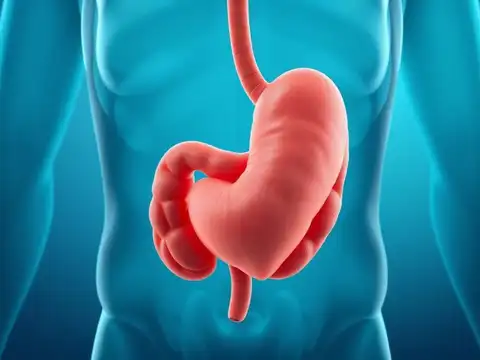
Cheese boards are a Christmas staple, often eaten casually and repeatedly. Many people blame bloating on lactose intolerance, but gastroenterologists say cheese can cause digestive discomfort even in those who digest lactose well. The issue is not intolerance, but how cheese interacts with digestion during the holidays.
2/8
High Fat Slows Digestion
Cheese is rich in fat, which slows stomach emptying. When digestion slows, food remains in the gut longer and ferments, producing gas. Doctors explain that eating cheese between meals, rather than as part of a full meal, increases this effect. Research in gastroenterology shows that dietary fat significantly delays gastric emptying.
3/8
Aged Cheeses Are High in Histamines
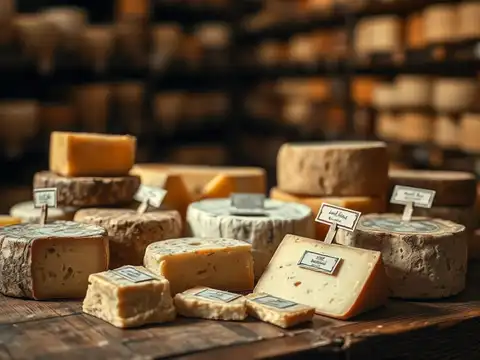
Many holiday cheeses, such as cheddar, brie, and blue cheese, are aged and high in histamines. Histamines can cause bloating, flushing, and discomfort in individuals with lactose intolerance. Gastroenterologists state that histamine sensitivity is common and often mistaken for food intolerance.
Amazon Top Deals
POWERED BY

Crompton Ozone 75 Litres Desert Air Cooler for home | Large & Easy Clean Ice Chamber | 4-Way Air Deflection | High Density Honeycomb Pads | Everlast Pump | Auto Fill| 3 Year Brand Warranty
₹9,798Buy Now43%
OFF

LG 32 L Convection Microwave Oven (MC3286BRUM, Black, 360° Motorised Rotisserie for Bar-be-queing, 301 Auto Cook Menu, Stainless steel cavity, Indian Cuisine, Tandoor Se, Steam Clean & Diet Fry)
₹19,340Buy Now19%
OFF

4/8
Cheese Boards Encourage Overeating Without Satiety
Unlike structured meals, cheese boards promote grazing. People eat small amounts repeatedly, without noticing quantity. This constant intake prevents the gut from entering its natural resting phase, eventually leading to bloating and heaviness. Gastroenterologists report that continuous snacking disturbs normal gut motility.

5/8
Pairings Make It Worse
Cheese is often paired with crackers, dried fruits, and wine. This combination mixes fat, some fermentable carbs, and alcohol: an especially bloating-prone trio. Alcohol further relaxes gut muscles and increases gas retention.

6/8
Stress and Speed Matter Too
Holiday eating often happens while standing, talking, or rushing. Stress activates the sympathetic nervous system, which slows digestion. Gastroenterologists report that even well-tolerated foods can cause bloating when consumed quickly or under pressure. The gut responds not only to food but also to the state of the nervous system.

7/8
Why Symptoms Remain the Next Day
Cheese is dense and slow-moving through the digestive tract. When eaten late or repeatedly, it can affect digestion into the next day. Doctors say this is why people wake up feeling heavy or bloated after holiday gatherings, and this delayed effect often confuses people about the real cause.

8/8
The Practical Takeaway
Doctors do not advise avoiding cheese entirely; instead, eating it as part of a seated meal, choosing smaller portions, pairing with cooked foods, and avoiding late-night grazing can reduce bloating. Gut health advice is shifting toward timing and context, not restriction.