
What to Know About Holiday Hangovers, and the Myths Around Them

1/7
Why Holiday Hangovers Feel Different
Holiday hangovers often feel worse than usual because they combine alcohol with late nights, heavy food and dehydration. Doctors say this mix strains multiple systems at once: the liver, gut, brain, and hormones. Unlike a regular night out, holiday drinking often lasts several days, leading to fatigue and inflammation.
2/7
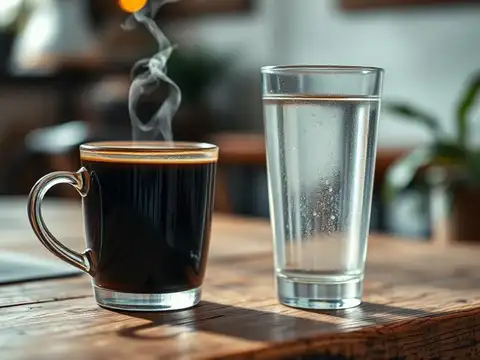
Coffee Fixes a Hangover
Coffee would probably make you feel more alert, but it does not reverse a hangover. Alcohol already causes dehydration, and caffeine can worsen fluid loss. Gastroenterologists state that coffee on an empty stomach may also increase nausea and acid reflux after drinking. Research shows that caffeine masks fatigue without substantially improving recovery.

3/7
Greasy Food “Soaks Up” Alcohol
Eating greasy food after drinking does not absorb alcohol already present in the bloodstream. The liver, not the stomach, metabolises alcohol. High -at meals can actually slow digestion and worsen bloating and nausea the next day. Doctors say timing matters; food before drinking helps more than food after.
Amazon Top Deals
POWERED BY

4/7
Hair of the Dog Helps Recovery
Drinking more alcohol to ease hangover symptoms only delays recovery. Alcohol temporarily numbs symptoms but adds to dehydration and inflammation. Addiction specialists warn that this practice leads to unhealthy drinking patterns and worsens fatigue later in the day. There is no evidence supporting this method as a foolproof recovery strategy.
5/7
What’s Actually Happening in the Body
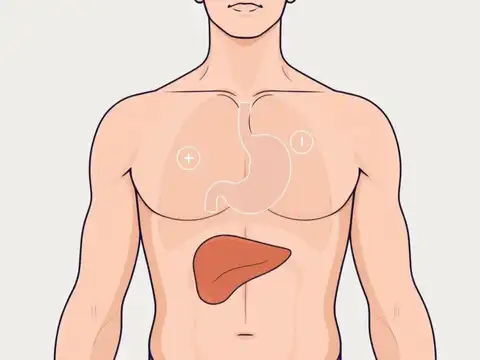
Alcohol damages blood sugar, irritates the gut lining, and interferes with sleep cycles. It also triggers many inflammatory responses that affect the brain, eventually leading to headaches and low mood. According to research in Alcohol Research: Current Reviews, hangovers are driven largely by inflammation, not toxins alone.
6/7
Why Hydration Alone Isn’t Enough
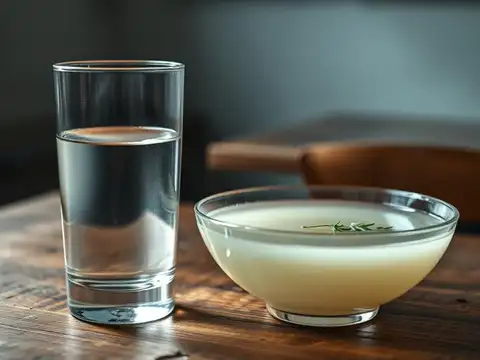
Water helps, but alcohol also depletes electrolytes like sodium and potassium. Without replacement, fatigue and headaches can persist for long hours. Clinicians often recommend electrolyte-containing fluids or light soups to aid rehydration more effectively than plain water.
7/7
What Actually Supports Recovery
Doctors recommend spreading sleep, regular meals, and hydration throughout the day. Protein helps stabilise blood sugar, while warm, easy-to-digest foods reduce gut stress. Most hangover symptoms resolve naturally within 24 hours if the body is supported, not pushed beyond limits.