
 Daily Top 5 Daily Top 5 |
West Bengal's electronics factory push; Fed jitters hit TCS
Want this newsletter delivered to your inbox?
I agree to receive newsletters and marketing communications via e-mail

Thank you for subscribing to Daily Top 5
We'll soon meet in your inbox.
West Bengal is exploring ways to expand electronics manufacturing under EMC 2.0. This and more in today's ETtech Top 5.
Also in the letter:
■ Immuneel bags fresh capital
■ Snowflake's India timing dilemma
■ Vertical actors find fast fame
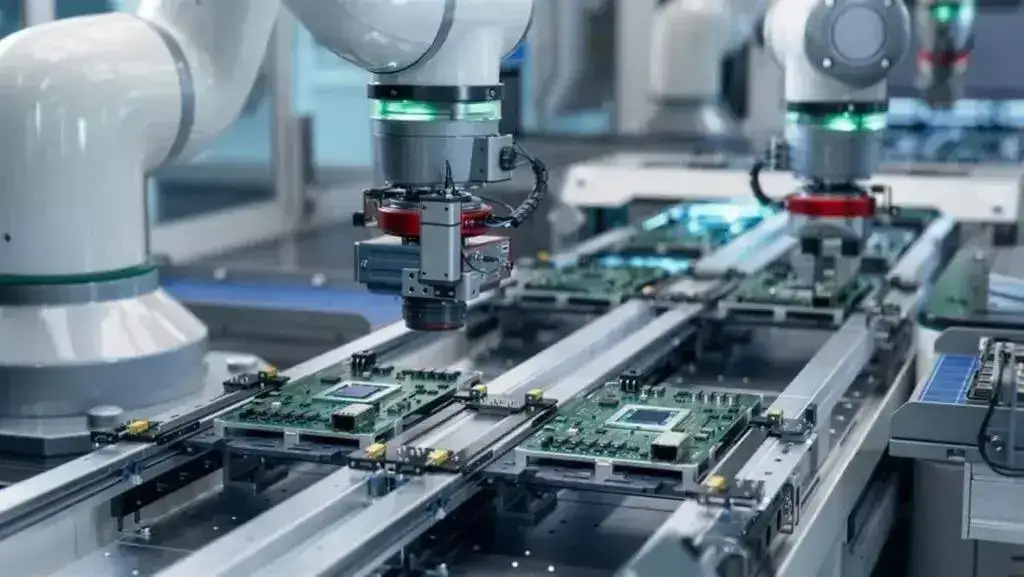
The West Bengal government is racing to dramatically expand electronics manufacturing by tapping the Centre’s modified Electronics Manufacturing Clusters (EMC 2.0) scheme, according to people familiar with the plan.
What's happening: Officials are reassessing the Naihati and Falta electronics clusters – set up under the earlier EMC 1.0 scheme – to gauge how aggressively they can scale these hubs under the new framework.
In parallel, the state has started mapping land parcels for new greenfield projects. Building a dedicated land bank, however, will take time, people aware of the discussions said.
About the policy:
Tell me more: West Bengal is also trying to accelerate approvals for companies setting up units in the two EMCs. State data shows the median processing time for three recent applications was 235 days, nearly five times the 50-day limit under the West Bengal Right to Public Services Act, 2013.
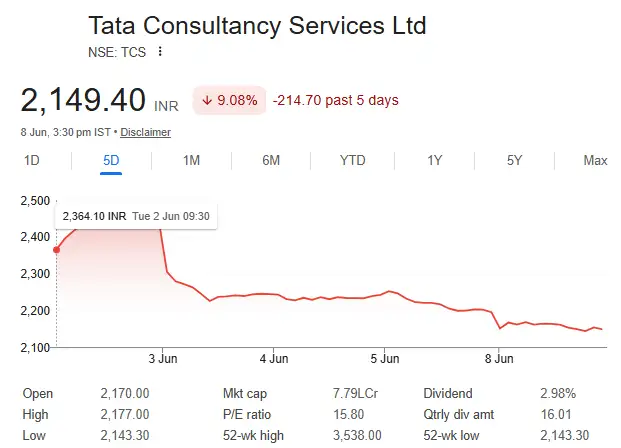
Shares of TCS, India’s largest IT services company, fell over 2% to an intraday low of Rs 2,144 on BSE on Monday.
Rising US bond yields stoked fresh worries that the Federal Reserve could raise interest rates later this year.
Tell me more:
With Monday's slide, TCS shares are now down 12% over the last four trading sessions.
 Source: Google Finance
What else? The latest drop follows a sharp rebound in IT stocks last week. Even so, the sector has been under pressure for much of 2026 amid worries that advances in artificial intelligence could upend the traditional software services model.
TCS shares closed Monday at Rs 2,151.4 on the BSE, down 2.1% for the day.
Also Read: TCS signs multi-million euro AI deal with Canada Life
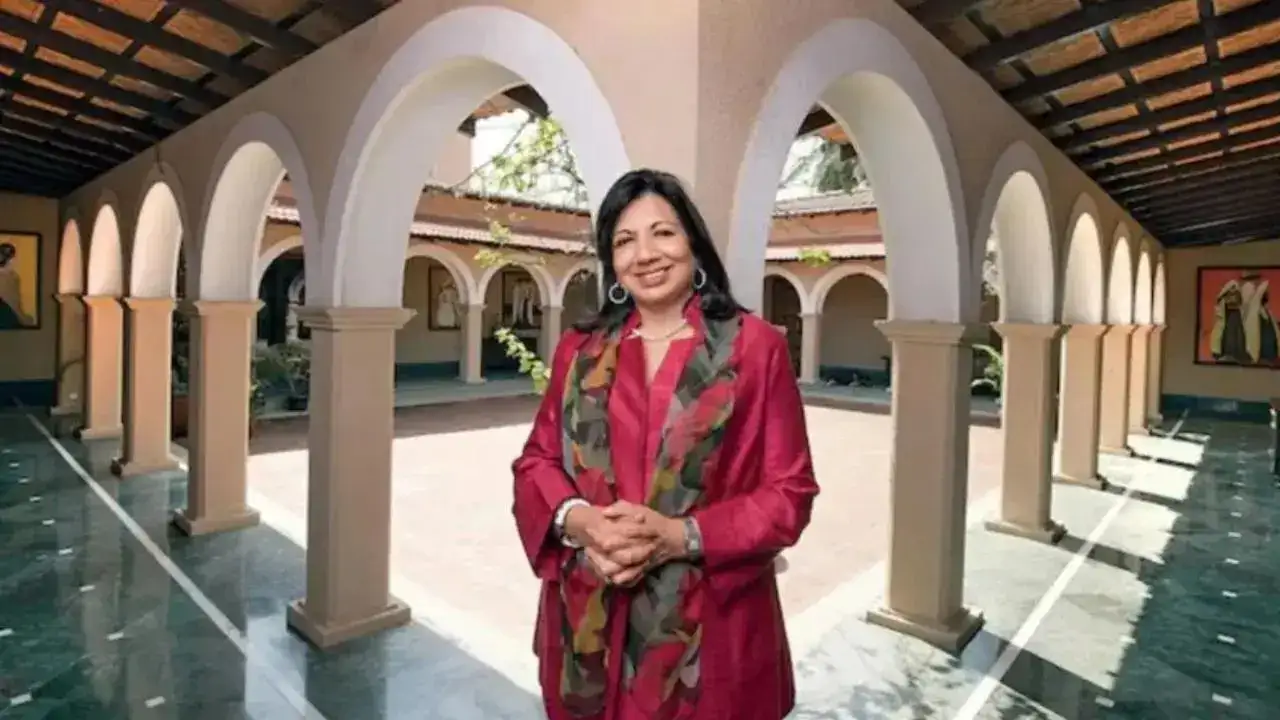 Kiran Mazumdar-Shaw, chairperson, Biocon Group
Immuneel Therapeutics, a cancer therapy startup cofounded by Biocon chairperson Kiran Mazumdar-Shaw, has raised Rs 100 crore in fresh funding.
Deal details: Singularity AMC and Rainmatter led the round, alongside high‑net‑worth individuals and existing backers such as Mazumdar‑Shaw, Eight Roads and F‑Prime.
The Bengaluru‑based firm plans to ramp up manufacturing capacity for Qartemi—its CAR‑T therapy for blood cancers—drive treatment costs lower and expand into Southeast Asia, the broader Asia Pacific region and the Middle East.
About CAR-T:
CEO's take: Immuneel chief executive Amit Mookim told us that the company’s immediate priority is to widen access by relentlessly driving down costs.
“The cost of this therapy in the West is almost $400,000 to $500,000. And for the patient, it ends up being $600,000 to $700,000. We have brought it to about 10% of this cost, and we will strive to reduce it even further as we scale,” he said.
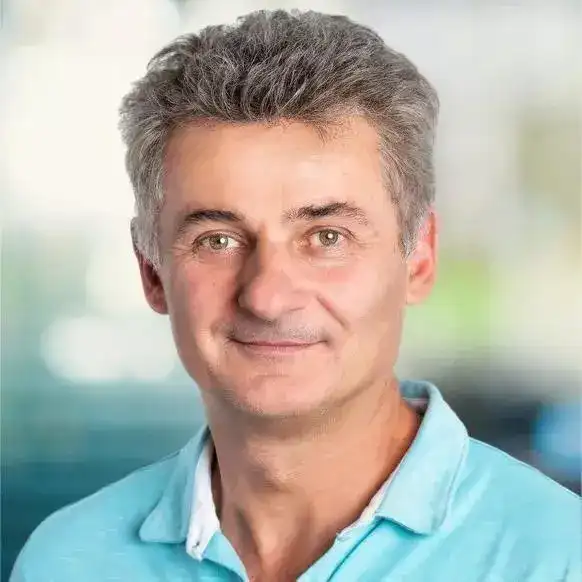 Benoît Dageville, founder, Snowflake
Cloud-based data platform Snowflake has no firm plan yet for a full R&D centre in India, not because of a talent gap, but because of timing and the need for tightly integrated global engineering teams, cofounder Benoît Dageville told us.
Driving the news: Speaking to ET on the sidelines of Snowflake’s annual summit in San Francisco, Dageville said India is fast becoming central to the company’s growth strategy – as both a market and an ecosystem hub.
The NYSE-listed company, founded in 2012 by Dageville, Thierry Cruanes and Marcin Żukowski, now commands a market capitalisation of about $82.58 billion.
Also Read: India’s AI edge will come from talent, not compute, says Snowflake CEO
AI and its speed: Dageville said the next phase of enterprise AI will be about organisation‑wide deployment. “AI is not only about use cases like improving customer support or internal processes. It is about putting AI in the hands of everyone in the organisation,” he said.
Background: Snowflake reported first-quarter revenue of $1.39 billion in May. It also raised its product revenue forecast for fiscal 2027 to $5.84 billion, up from $5.66 billion projected earlier.
Also Read: Snowflake boosts forecast, signs $6 billion AWS deal as enterprise AI adoption grows

India's micro‑drama boom is minting a new breed of performers—“vertical actors”—who specialise in portrait‑mode, short‑form series that can run to dozens of sub‑two‑minute episodes, shot at breakneck speed.
Lights, phone, action: Actors, producers and app founders say emotionally charged performances, meatier roles, rapid audience recognition and the ability to build loyal fan bases are pulling talent into the format.
Established vertical actors typically juggle at least three series a month, earning Rs 1–3.5 lakh per project.
Production and pace: Directors and actors emphasise the format’s relentless tempo and the need for instant character recall and spontaneity. Creators lean on cliffhangers, melodrama and taut storytelling to maximise impact on mobile-first audiences.
Also Read: Micro dramas fastest-growing video segment, to hit $4.5 billion by 2030: Lumikai
Also in the letter:
■ Immuneel bags fresh capital
■ Snowflake's India timing dilemma
■ Vertical actors find fast fame
West Bengal powers up electronics manufacturing
The West Bengal government is racing to dramatically expand electronics manufacturing by tapping the Centre’s modified Electronics Manufacturing Clusters (EMC 2.0) scheme, according to people familiar with the plan.
What's happening: Officials are reassessing the Naihati and Falta electronics clusters – set up under the earlier EMC 1.0 scheme – to gauge how aggressively they can scale these hubs under the new framework.
In parallel, the state has started mapping land parcels for new greenfield projects. Building a dedicated land bank, however, will take time, people aware of the discussions said.
About the policy:
- Launched in 2020, EMC 2.0 offers central assistance of up to 50% of project costs, capped at Rs 70 crore per 100 acres.
- The scheme aims to build plug-and-play infrastructure, ready-built factory sheds and to draw in anchor investors.
- As of December 2025, it had supported 13 projects across 10 states.
Tell me more: West Bengal is also trying to accelerate approvals for companies setting up units in the two EMCs. State data shows the median processing time for three recent applications was 235 days, nearly five times the 50-day limit under the West Bengal Right to Public Services Act, 2013.
TCS shares slip 2%, down 12% in 4 straight sessions
Shares of TCS, India’s largest IT services company, fell over 2% to an intraday low of Rs 2,144 on BSE on Monday.
Rising US bond yields stoked fresh worries that the Federal Reserve could raise interest rates later this year.
Tell me more:
- Higher US bond yields typically drag on IT stocks by making growth-focused compnaies less attractive.
- When rate expectations rise, clients often rein in tech spending and double down on cost control.
- Higher yields can also push foreign investors to pull money out of emerging markets.
With Monday's slide, TCS shares are now down 12% over the last four trading sessions.
What else? The latest drop follows a sharp rebound in IT stocks last week. Even so, the sector has been under pressure for much of 2026 amid worries that advances in artificial intelligence could upend the traditional software services model.
TCS shares closed Monday at Rs 2,151.4 on the BSE, down 2.1% for the day.
Also Read: TCS signs multi-million euro AI deal with Canada Life
Kiran Mazumdar-Shaw's Immuneel Therapeutics raises Rs 100 crore from Singularity AMC, Rainmatter, others
Immuneel Therapeutics, a cancer therapy startup cofounded by Biocon chairperson Kiran Mazumdar-Shaw, has raised Rs 100 crore in fresh funding.
Deal details: Singularity AMC and Rainmatter led the round, alongside high‑net‑worth individuals and existing backers such as Mazumdar‑Shaw, Eight Roads and F‑Prime.
The Bengaluru‑based firm plans to ramp up manufacturing capacity for Qartemi—its CAR‑T therapy for blood cancers—drive treatment costs lower and expand into Southeast Asia, the broader Asia Pacific region and the Middle East.
About CAR-T:
- It is a cancer treatment in which a patient’s own immune cells are removed, reengineered in a lab to attack cancer, and then infused back into the body.
- The treatment is considered a global breakthrough but has remained out of reach for most patients because it is extremely expensive and complex to develop.
CEO's take: Immuneel chief executive Amit Mookim told us that the company’s immediate priority is to widen access by relentlessly driving down costs.
“The cost of this therapy in the West is almost $400,000 to $500,000. And for the patient, it ends up being $600,000 to $700,000. We have brought it to about 10% of this cost, and we will strive to reduce it even further as we scale,” he said.
Timing, not talent, holding back Snowflake's India R&D expansion: Cofounder Benoît Dageville
Cloud-based data platform Snowflake has no firm plan yet for a full R&D centre in India, not because of a talent gap, but because of timing and the need for tightly integrated global engineering teams, cofounder Benoît Dageville told us.
Driving the news: Speaking to ET on the sidelines of Snowflake’s annual summit in San Francisco, Dageville said India is fast becoming central to the company’s growth strategy – as both a market and an ecosystem hub.
The NYSE-listed company, founded in 2012 by Dageville, Thierry Cruanes and Marcin Żukowski, now commands a market capitalisation of about $82.58 billion.
Also Read: India’s AI edge will come from talent, not compute, says Snowflake CEO
AI and its speed: Dageville said the next phase of enterprise AI will be about organisation‑wide deployment. “AI is not only about use cases like improving customer support or internal processes. It is about putting AI in the hands of everyone in the organisation,” he said.
Background: Snowflake reported first-quarter revenue of $1.39 billion in May. It also raised its product revenue forecast for fiscal 2027 to $5.84 billion, up from $5.66 billion projected earlier.
Also Read: Snowflake boosts forecast, signs $6 billion AWS deal as enterprise AI adoption grows
As micro-dramas surge, 'vertical actors' find fame and fortune
India's micro‑drama boom is minting a new breed of performers—“vertical actors”—who specialise in portrait‑mode, short‑form series that can run to dozens of sub‑two‑minute episodes, shot at breakneck speed.
Lights, phone, action: Actors, producers and app founders say emotionally charged performances, meatier roles, rapid audience recognition and the ability to build loyal fan bases are pulling talent into the format.
Established vertical actors typically juggle at least three series a month, earning Rs 1–3.5 lakh per project.
Production and pace: Directors and actors emphasise the format’s relentless tempo and the need for instant character recall and spontaneity. Creators lean on cliffhangers, melodrama and taut storytelling to maximise impact on mobile-first audiences.
Also Read: Micro dramas fastest-growing video segment, to hit $4.5 billion by 2030: Lumikai
Want this newsletter delivered to your inbox?
I agree to receive newsletters and marketing communications via e-mail