
 Daily Top 5 Daily Top 5 |
Uber India head ends trip; Amazon CEO on India opportunity
Want this newsletter delivered to your inbox?
I agree to receive newsletters and marketing communications via e-mail

Thank you for subscribing to Daily Top 5
We'll soon meet in your inbox.
Uber's India head Prabhjeet Singh has stepped down after 11 years at the platform. This and more in today's ETtech Top 5.
Also in the letter:
■ Byju's lenders seek Aakash stake
■ IT eyes mid-market
■ All Home raises fresh dough
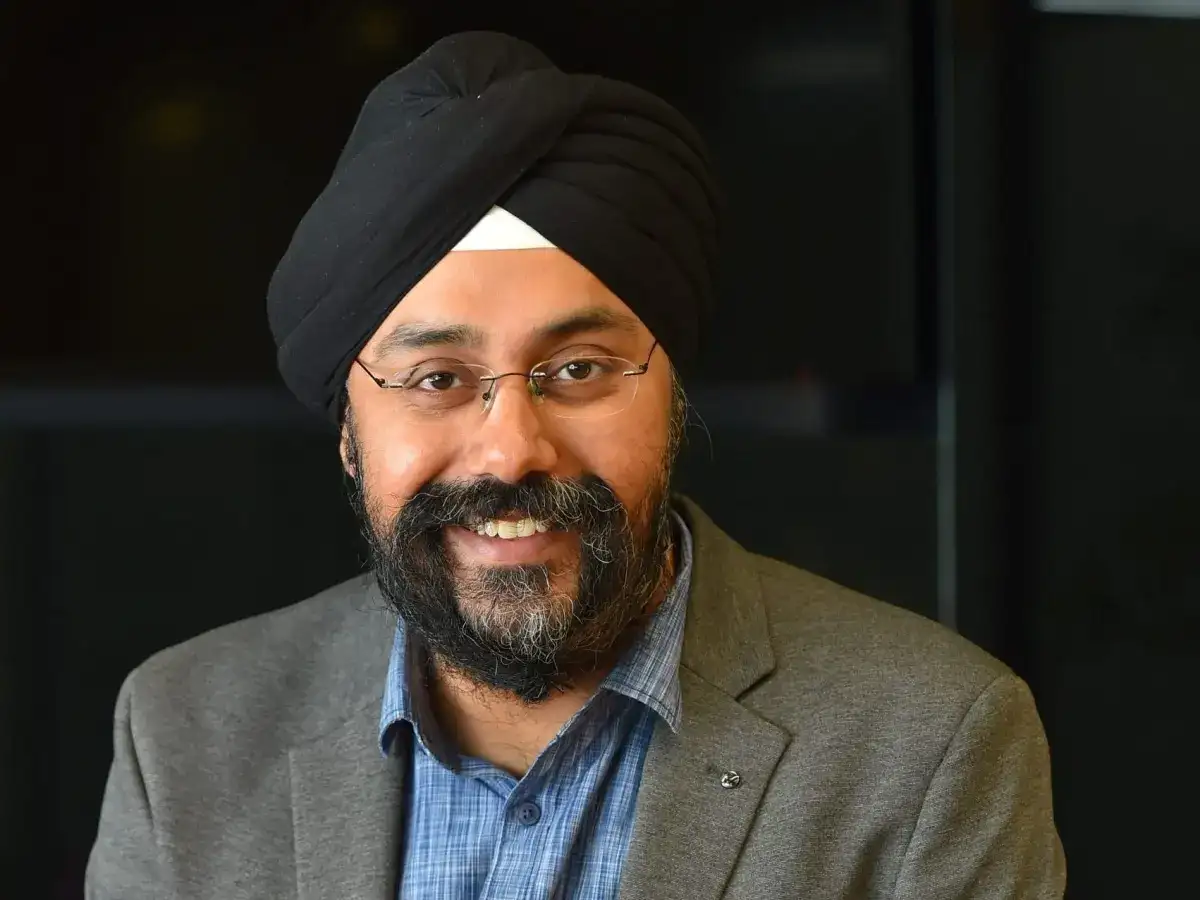
Ride-hailing company Uber's India head Prabhjeet Singh has stepped down from his role after 11 years at the company.
Driving the news: Singh informed employees of his departure from Uber in an email on Friday. He mentioned he is joining a "frontier tech" company, according to the email reviewed by ET.
"Over the past few weeks, I made the difficult decision to leave Uber to pursue an opportunity in frontier technology. It wasn't a decision to leave Uber as much as it was a decision to run toward something I couldn't ignore," Singh wrote in the email.
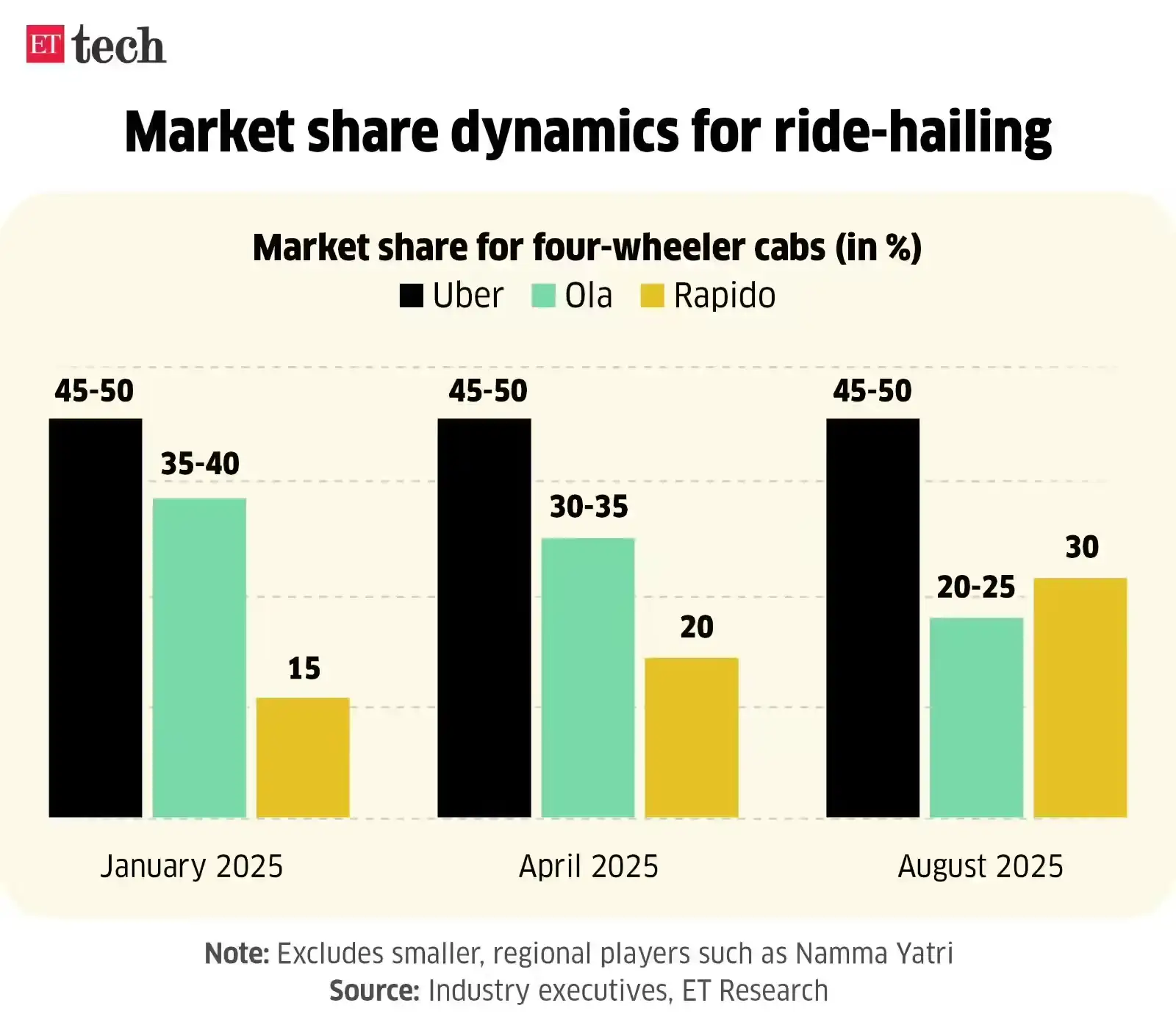
Tell me more: An Uber spokesperson confirmed the development. "The strength of our business today reflects the incredible team and foundation built over the years. We thank Prabhjeet for his leadership and lasting contributions in his decade-long journey with Uber - we remain deeply committed to our next phase of growth in India," the spokesperson said.
History: Singh joined Uber India in 2015 as general manager and head of strategy. He was elevated to the position of Uber's India and South Asia president in 2020.
Also Read: Uber still ahead despite stiffening competition, playing to win: CEO Dara Khosrowshahi
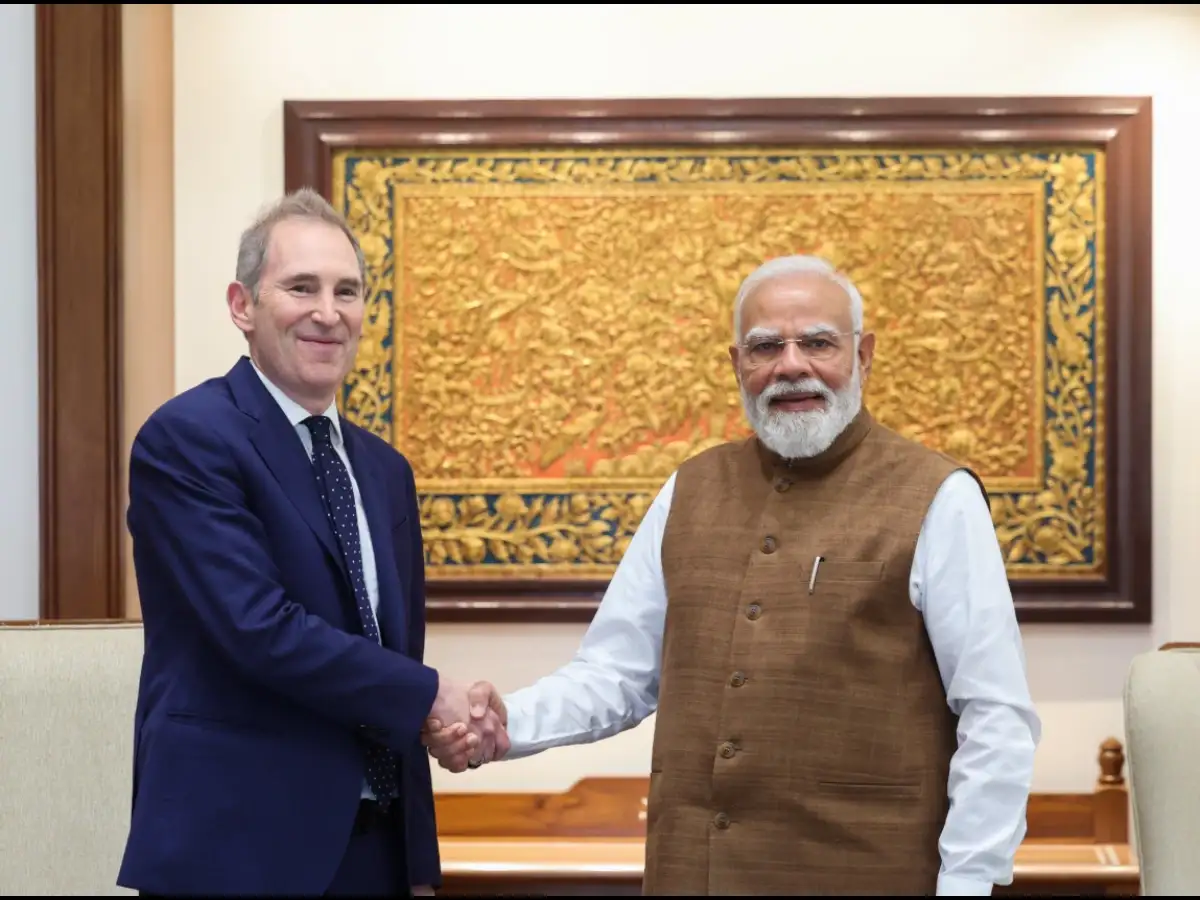
Amazon CEO Andy Jassy told us that Amazon is betting its next big growth wave on AI, cloud computing and quick commerce.
Jassy, who is in India this week and met Prime Minister Narendra Modi on Thursday, underlined India’s central role in Amazon’s global strategy. Edited excerpts:
On the India market: India is one of the most important and largest businesses in all of Amazon. We just announced that we're going to invest another $48 billion by 2030. We have already invested $40 billion since 2010 – it's a very significant area of investment for us.
On quick commerce play: Some people entered quick commerce before us, but we have scaled fast. We moved quickly and experimented with our own solution for customers, which they have enjoyed. Our quick commerce offering has grown rapidly; the combination of our broader selection, our quick commerce capabilities, and our Prime programme.
On acquisitions: We like other companies; we're looking at companies we think have tech, customer experiences, and talent that would be great for our customers and great in combination with our company. We've been fortunate enough to acquire companies that have made an impact in our business in India. We'll continue to look at that actively.
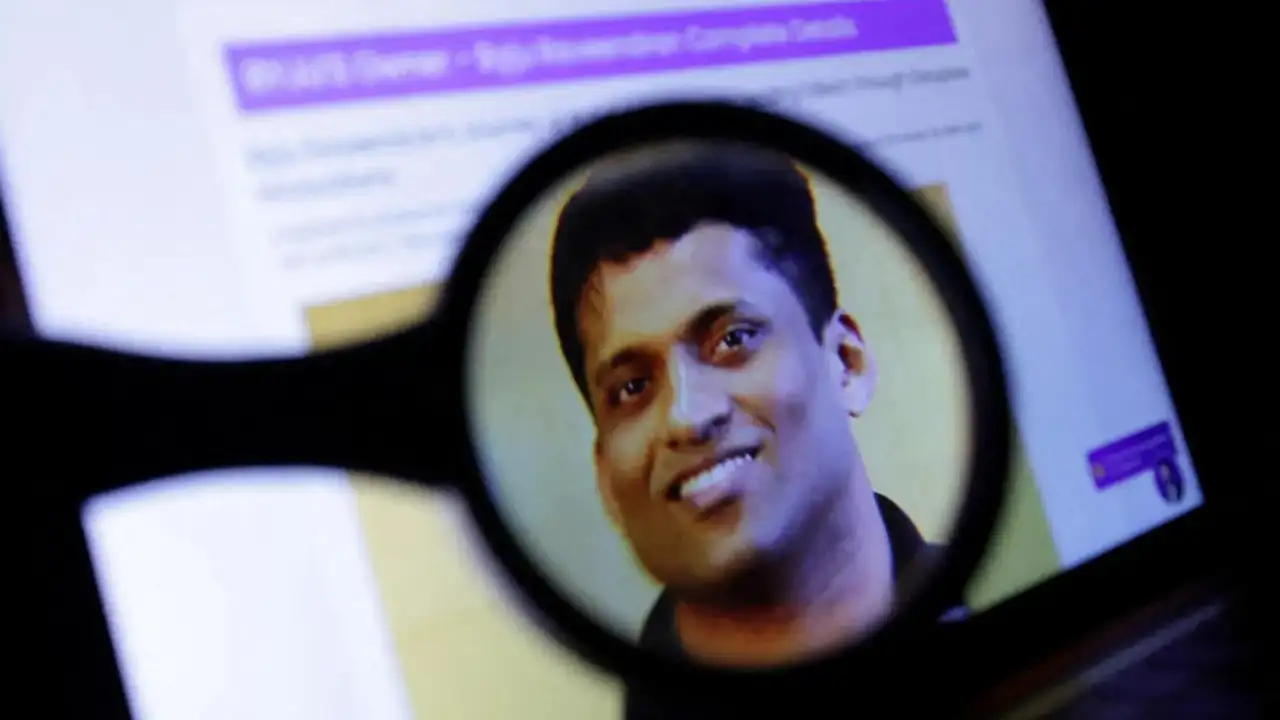
Byju's global lenders are in talks to take a roughly 30% stake in Aakash Educational Services, one of its partially owned education firms, in return for dropping all legal action against founder Byju Raveendran, Reuters reported.
What's the news: US-based Glas Trust, trustee for a group of lenders, accused Raveendran of mismanagement and demanded $1 billion in unpaid loans following Byju’s 2024 bankruptcy filing. Raveendran and Byju’s have denied any wrongdoing.
Sources told Reuters that the lenders are in the advanced stages of settling the dispute and are likely to take a roughly 30% stake in Aakash Educational Services. In return, the lenders will drop all their allegations against Raveendran and settle all legal matters.
Background: Offline coaching institute Aakash Educational Services was acquired by Byju's in a $1 billion deal in 2021, but its stake has since been diluted to a minority. Manipal Health is now the single largest shareholder.
The settlement talks value Aakash at $2 billion, the sources added.
Large IT services firms are zeroing in on mid-market enterprises, carving out dedicated units and go-to-market models to sell cloud, cybersecurity and AI-led services.
But why now? Industry executives said mid-market companies are ramping up to keep pace with AI disruption. At the same time, traditional strongholds like the US are slowing for IT services players amid geopolitical uncertainty, pushing firms to hunt for new growth engines.
Renewed focus: Tier-I IT companies typically derive 25-30% of their revenue from their top 25 accounts – mostly Fortune 500 to Fortune 2000 companies. They have always served mid-market clients, but are now sharpening their focus on this segment with specialised teams, playbooks, and solutions.
Deal sizes, economics:
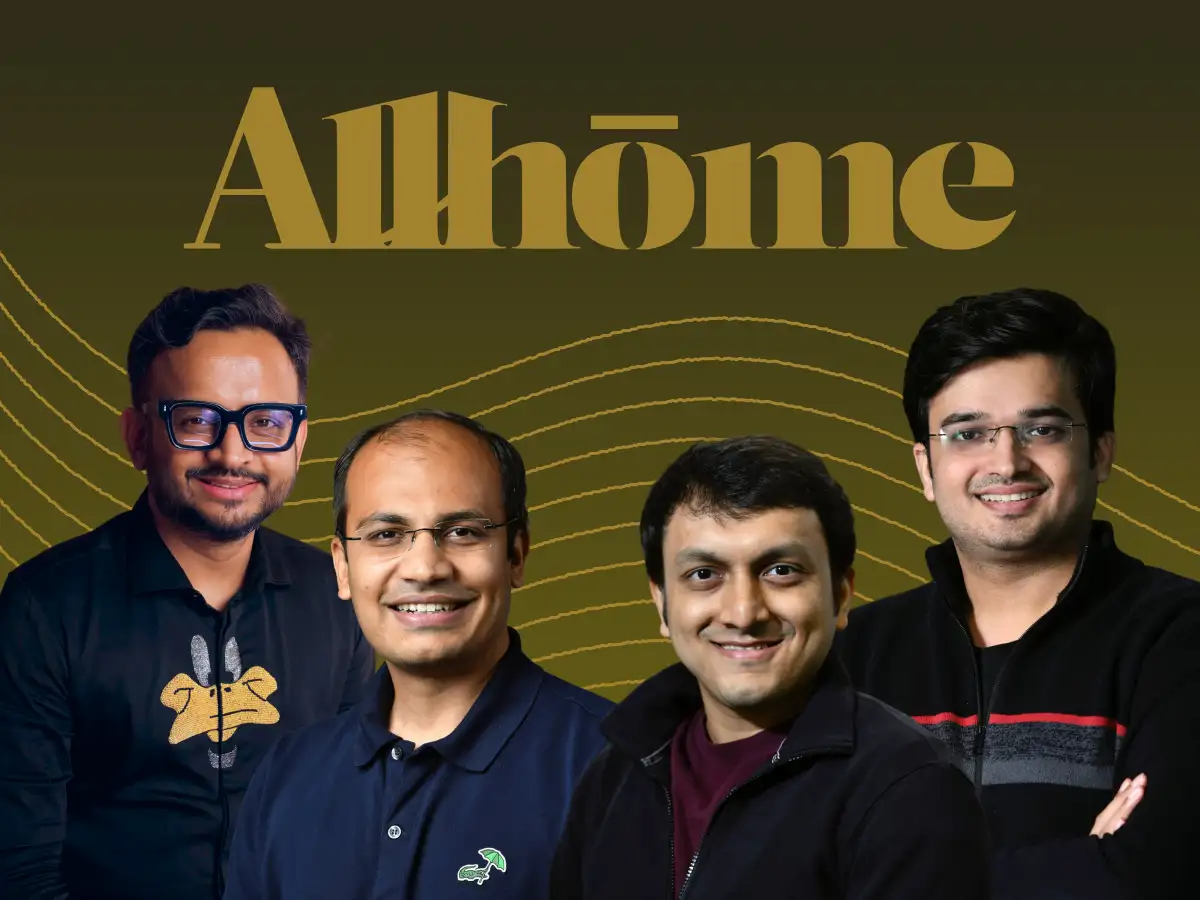 Dhaval Shah, Hardik Dedhia, Dharmil Sheth and Siddharth Shah, founders, All Home
Mumbai-based All Home, founded by Pharmeasy founders Dharmil Sheth, Dhaval Shah, Hardik Dedhia and Siddharth Shah, has raised Rs 200 crore in a fresh funding round led by existing backer Bessemer Venture Partners.
Deal details:
About the startup: All Home operates across four categories: surfaces, hardware and bath fittings, facades and windows, and lighting. It now plans to deepen and expand over the next few quarters, Dhaval Shah said in a statement.
Sheth, Shah and Dedhia stepped away from operational roles at PharmEasy in January last year before launching All Home. Siddharth Shah, who was the CEO of the digital pharmacy, stepped down from his operational role in August 2025.
Also in the letter:
■ Byju's lenders seek Aakash stake
■ IT eyes mid-market
■ All Home raises fresh dough
Uber India head Prabhjeet Singh quits; to join 'frontier tech' company
Ride-hailing company Uber's India head Prabhjeet Singh has stepped down from his role after 11 years at the company.
Driving the news: Singh informed employees of his departure from Uber in an email on Friday. He mentioned he is joining a "frontier tech" company, according to the email reviewed by ET.
"Over the past few weeks, I made the difficult decision to leave Uber to pursue an opportunity in frontier technology. It wasn't a decision to leave Uber as much as it was a decision to run toward something I couldn't ignore," Singh wrote in the email.
Tell me more: An Uber spokesperson confirmed the development. "The strength of our business today reflects the incredible team and foundation built over the years. We thank Prabhjeet for his leadership and lasting contributions in his decade-long journey with Uber - we remain deeply committed to our next phase of growth in India," the spokesperson said.
History: Singh joined Uber India in 2015 as general manager and head of strategy. He was elevated to the position of Uber's India and South Asia president in 2020.
Also Read: Uber still ahead despite stiffening competition, playing to win: CEO Dara Khosrowshahi
Amazon will look at acquisitions, continue to work with govt on expanding AI capabilities: Andy Jassy
Amazon CEO Andy Jassy told us that Amazon is betting its next big growth wave on AI, cloud computing and quick commerce.
Jassy, who is in India this week and met Prime Minister Narendra Modi on Thursday, underlined India’s central role in Amazon’s global strategy. Edited excerpts:
On the India market: India is one of the most important and largest businesses in all of Amazon. We just announced that we're going to invest another $48 billion by 2030. We have already invested $40 billion since 2010 – it's a very significant area of investment for us.
On quick commerce play: Some people entered quick commerce before us, but we have scaled fast. We moved quickly and experimented with our own solution for customers, which they have enjoyed. Our quick commerce offering has grown rapidly; the combination of our broader selection, our quick commerce capabilities, and our Prime programme.
On acquisitions: We like other companies; we're looking at companies we think have tech, customer experiences, and talent that would be great for our customers and great in combination with our company. We've been fortunate enough to acquire companies that have made an impact in our business in India. We'll continue to look at that actively.
Byju's lenders seek 30% stake in Aakash Educational Services in settlement, sources say
Byju's global lenders are in talks to take a roughly 30% stake in Aakash Educational Services, one of its partially owned education firms, in return for dropping all legal action against founder Byju Raveendran, Reuters reported.
What's the news: US-based Glas Trust, trustee for a group of lenders, accused Raveendran of mismanagement and demanded $1 billion in unpaid loans following Byju’s 2024 bankruptcy filing. Raveendran and Byju’s have denied any wrongdoing.
Sources told Reuters that the lenders are in the advanced stages of settling the dispute and are likely to take a roughly 30% stake in Aakash Educational Services. In return, the lenders will drop all their allegations against Raveendran and settle all legal matters.
Background: Offline coaching institute Aakash Educational Services was acquired by Byju's in a $1 billion deal in 2021, but its stake has since been diluted to a minority. Manipal Health is now the single largest shareholder.
The settlement talks value Aakash at $2 billion, the sources added.
AI levels the playing field as IT giants target mid-market game
Large IT services firms are zeroing in on mid-market enterprises, carving out dedicated units and go-to-market models to sell cloud, cybersecurity and AI-led services.
But why now? Industry executives said mid-market companies are ramping up to keep pace with AI disruption. At the same time, traditional strongholds like the US are slowing for IT services players amid geopolitical uncertainty, pushing firms to hunt for new growth engines.
Renewed focus: Tier-I IT companies typically derive 25-30% of their revenue from their top 25 accounts – mostly Fortune 500 to Fortune 2000 companies. They have always served mid-market clients, but are now sharpening their focus on this segment with specialised teams, playbooks, and solutions.
Deal sizes, economics:
- Entry engagements typically start in the $1-5 million range.
- Broader transformation programmes fall in the $5-20 million band.
- Upper-mid-market or managed-services-led engagements can scale to $20-50 million or more – especially when they become end-to-end, multi-tower deals that collapse traditional service siloes, an analyst told us.
Pharmeasy founders’ new venture All Home raises Rs 200 crore; valuation doubles
Mumbai-based All Home, founded by Pharmeasy founders Dharmil Sheth, Dhaval Shah, Hardik Dedhia and Siddharth Shah, has raised Rs 200 crore in a fresh funding round led by existing backer Bessemer Venture Partners.
Deal details:
- The round values the startup at Rs 2,000 crore, twice its valuation after the June 2025 seed round.
- The raise is a mix of equity and debt, with the debt component coming from Stride Ventures.
- All Home closed FY26, its first full year of operations, with around Rs 180 crore in revenue.
- The company is currently tracking an annualised revenue run rate of Rs 400 crore.
About the startup: All Home operates across four categories: surfaces, hardware and bath fittings, facades and windows, and lighting. It now plans to deepen and expand over the next few quarters, Dhaval Shah said in a statement.
Sheth, Shah and Dedhia stepped away from operational roles at PharmEasy in January last year before launching All Home. Siddharth Shah, who was the CEO of the digital pharmacy, stepped down from his operational role in August 2025.
Want this newsletter delivered to your inbox?
I agree to receive newsletters and marketing communications via e-mail