
 Daily Top 5 Daily Top 5 |
Sebi's finfluencer crackdown; Scimplify eyes fresh funds
Want this newsletter delivered to your inbox?
I agree to receive newsletters and marketing communications via e-mail

Thank you for subscribing to Daily Top 5
We'll soon meet in your inbox.
Sebi has teamed up with Google to take on misleading financial influencers and shady trading apps. This and more in today's ETtech Top 5.
Also in the letter:
■ Meta's fresh layoffs
■ Infy's new acquisitions
■ Saas safe from AI: Freshworks cofounder

Market regulator Securities and Exchange Board of India (Sebi) is tightening the screws on online financial influencers and dubious investment content, partnering with Google to use AI to police the space.
What's happening? On Wednesday, Sebi and Google rolled out a verified badge on Google Play for stock trading apps owned by Sebi-registered entities, helping users quickly spot legit platforms.
At the same time, Sebi is scanning online platforms for content that could mislead investors. So far, over 1.3 lakh such posts have been flagged for takedown, said Sebi chairman Tuhin Kanta Pandey at the launch of the verified app label.
The regulator has also identified around 66 fake trading apps, which have been flagged and removed from app stores. Pandey added that an API system is now live to ensure that only registered intermediaries can run ads on platforms such as Google and Meta Platforms.
What else? The Sebi chief said the regulator has asked Google to step up its AI efforts, with Sebi’s support, to spot influencers who violate its rules.
"We must develop tools according to our laws and regulations, which will help kick such people out of the cyber space, which they are destroying through social media platforms and creating so much of a problem for the community," he said.
Also Read: Sebi deploying AI to track influencers and insider trading in real time: Tuhin Kanta Pandey
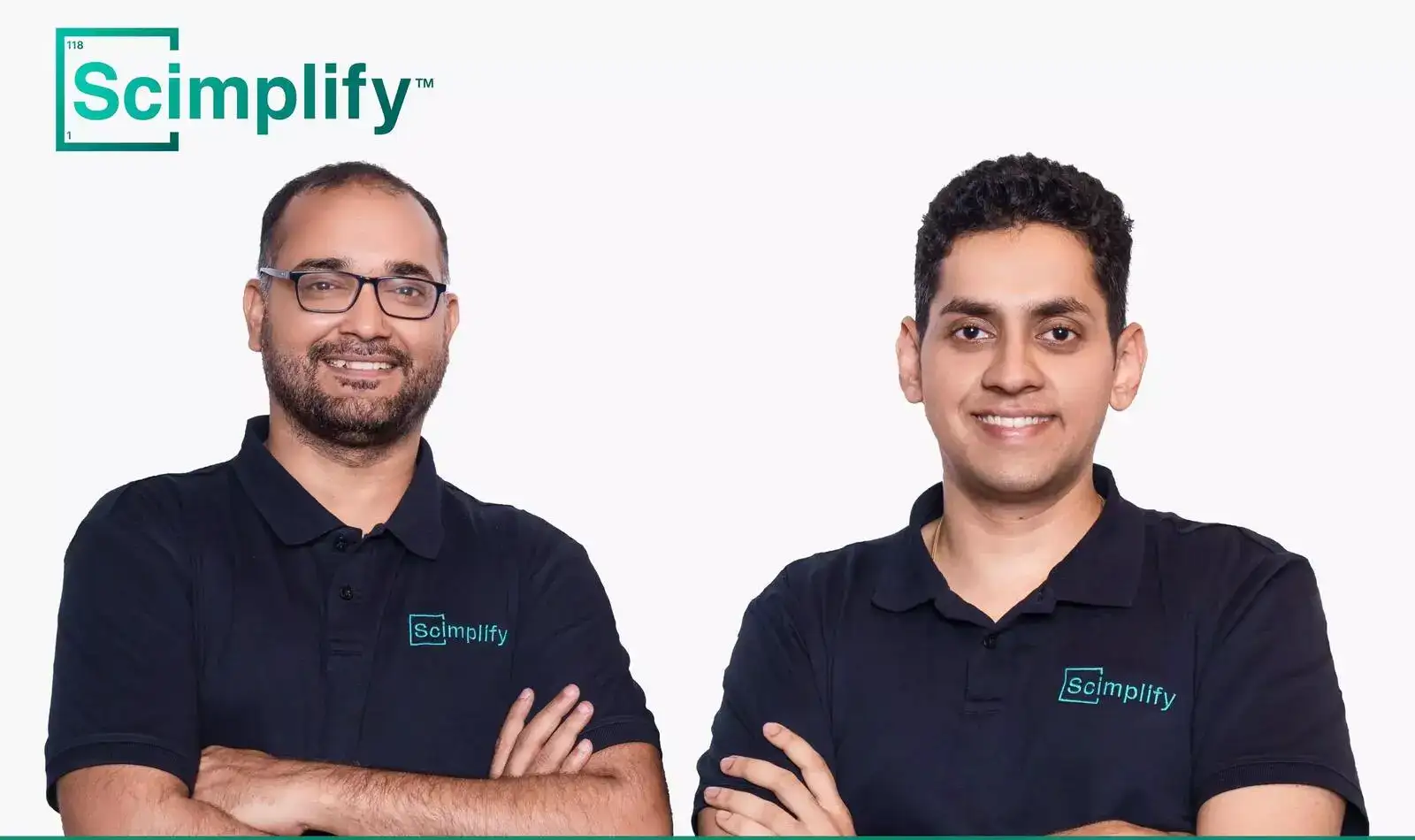 (L-R) Salil Srivastava and Sachin Santhosh, cofounders, Scimplify
Specialty chemicals platform Scimplify is in discussions to raise $30-40 million from a consortium of Japanese investors led by Hitachi Ventures, at a post-money valuation of around $300 million, people in the know told us.
Valuation jump: The round will roughly double its valuation in less than a year, rising from $150 million in March 2025. A small secondary component will also enable early investors to partially cash out.
What it does: Founded in 2023, Scimplify aggregates excess manufacturing capacity across factories and offers end-to-end sourcing -- from R&D to commercial production -- for sectors such as pharma, agrochemicals and personal care.
Growth snapshot: The company is tracking an annualised revenue run rate of around $100 million, with customers in over 35 countries and plans to expand into Japan and Europe.
Why it matters: Geopolitical tensions are forcing global firms to diversify supply chains, boosting demand for asset-light manufacturing platforms.
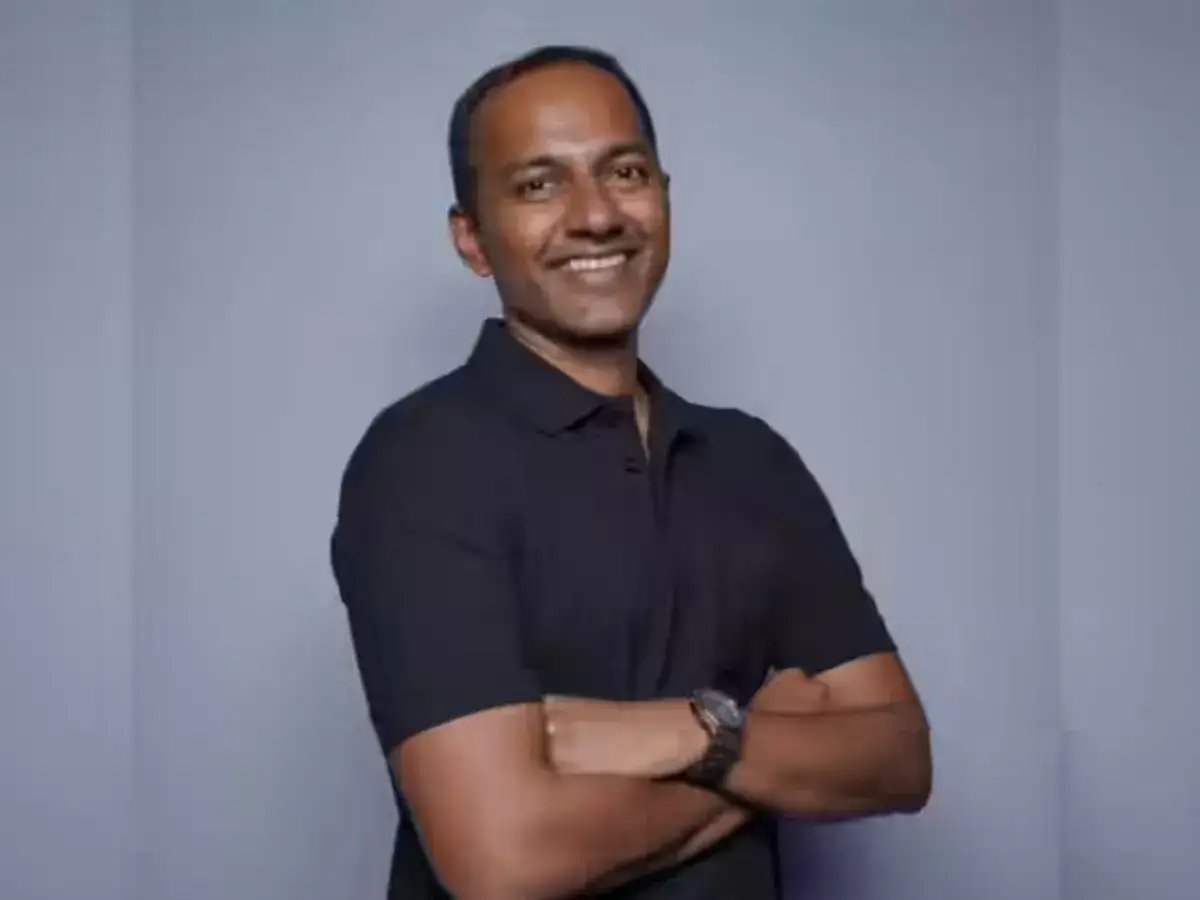 Rukesh Reddy, founder, Deccan AI
Deccan AI has raised $25 million in funding in a round led by A91 Partners, with Susquehanna International Group and Prosus Ventures also participating.
Founder speak: Founder Rukesh Reddy said the company will double down on building high-accuracy AI systems for enterprises and advanced model labs.
He said that while large language models have advanced quickly, their probabilistic nature can lead to inconsistent behaviour in real-world deployments – especially in enterprise settings where errors are costly.
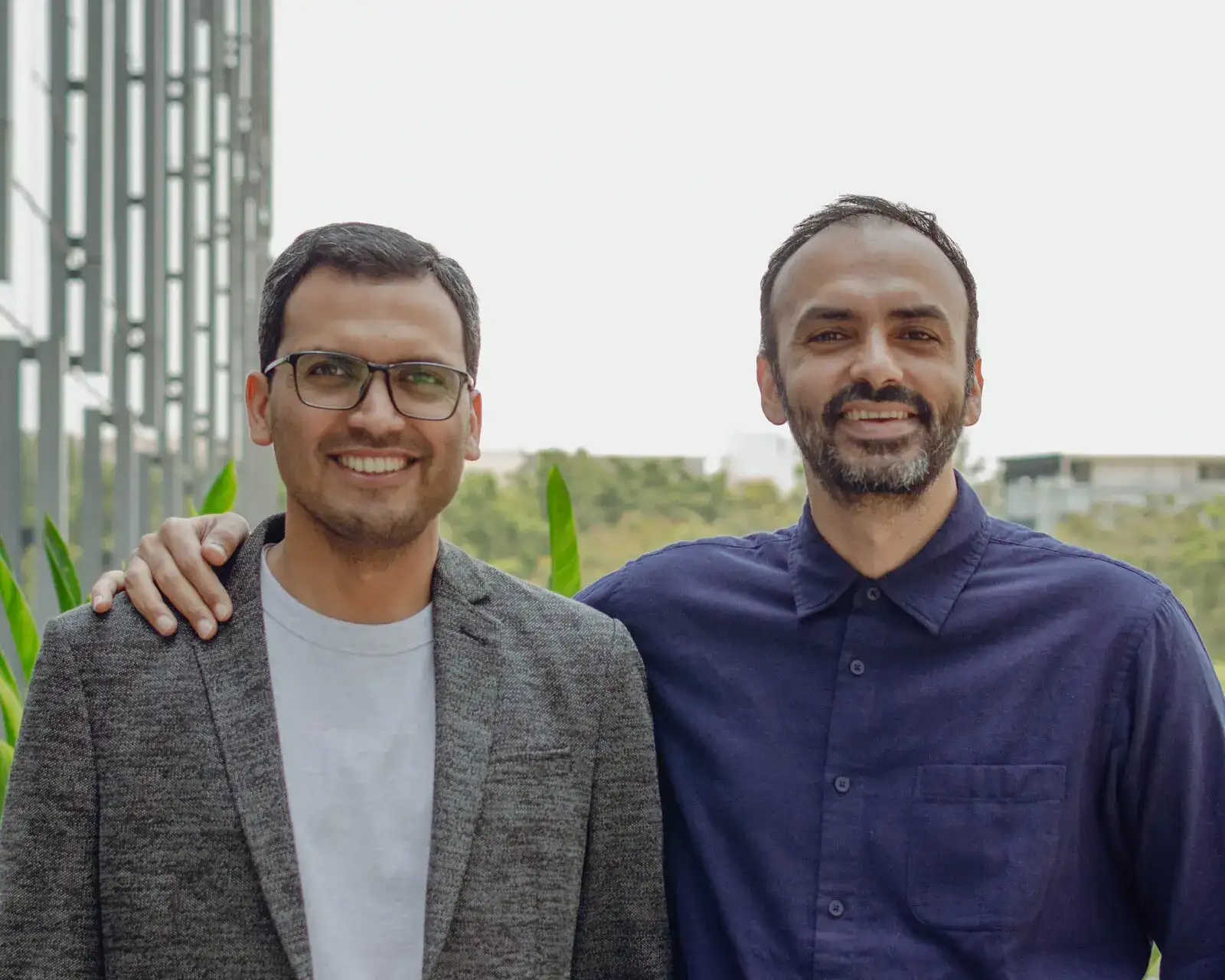 (L-R) Abhishek Poddar and Saurabh Arora, cofounders, Plum
Tiger Global-backed health insurance platform Plum has bagged $20 million (around Rs 193 crore) in a round led by Peak XV Partners with Tanglin Venture Partners and GMO Venture Partners, also joining in.
Fund use: The company plans to deploy the capital on hiring, technology, and AI innovation. Founder and CEO Abhishek Poddar said Plum aims to move beyond insurance claims into preventive care, primary care, mental health, and telehealth services for its clients.
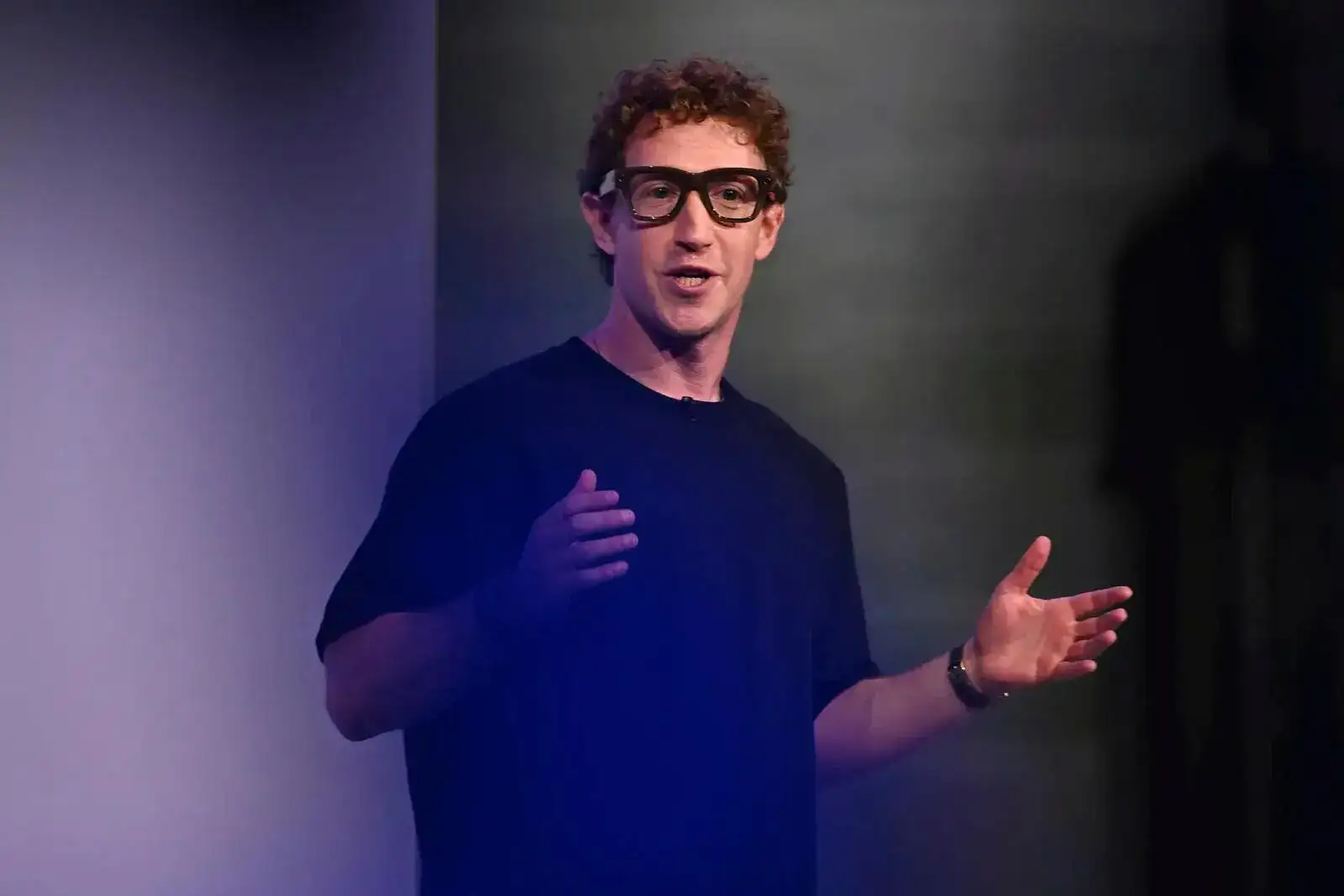 Mark Zuckerberg, CEO, Meta
Meta Platforms has cut a few hundred jobs across several teams, Reuters reported.
Tell me more: The company had earlier weighed much deeper cuts – potentially over 20% of its workforce – and had asked senior leaders to prepare for widespread layoffs.
But the latest round is more limited. Reports suggest it mainly hits teams in Reality Labs, social media, and recruitment.
Meanwhile, a jury in Los Angeles has found Meta and Google negligent in a case involving harm to young users and awarded $6 million in combined damages.
What's the matter? Meta was ordered to pay $4.2 million and Google $1.8 million—small sums relative to their size.
The story: The case centred on a young woman who said she became addicted to YouTube and Instagram as a minor, blaming engagement-driven features like infinite scroll that keep users hooked for long periods.
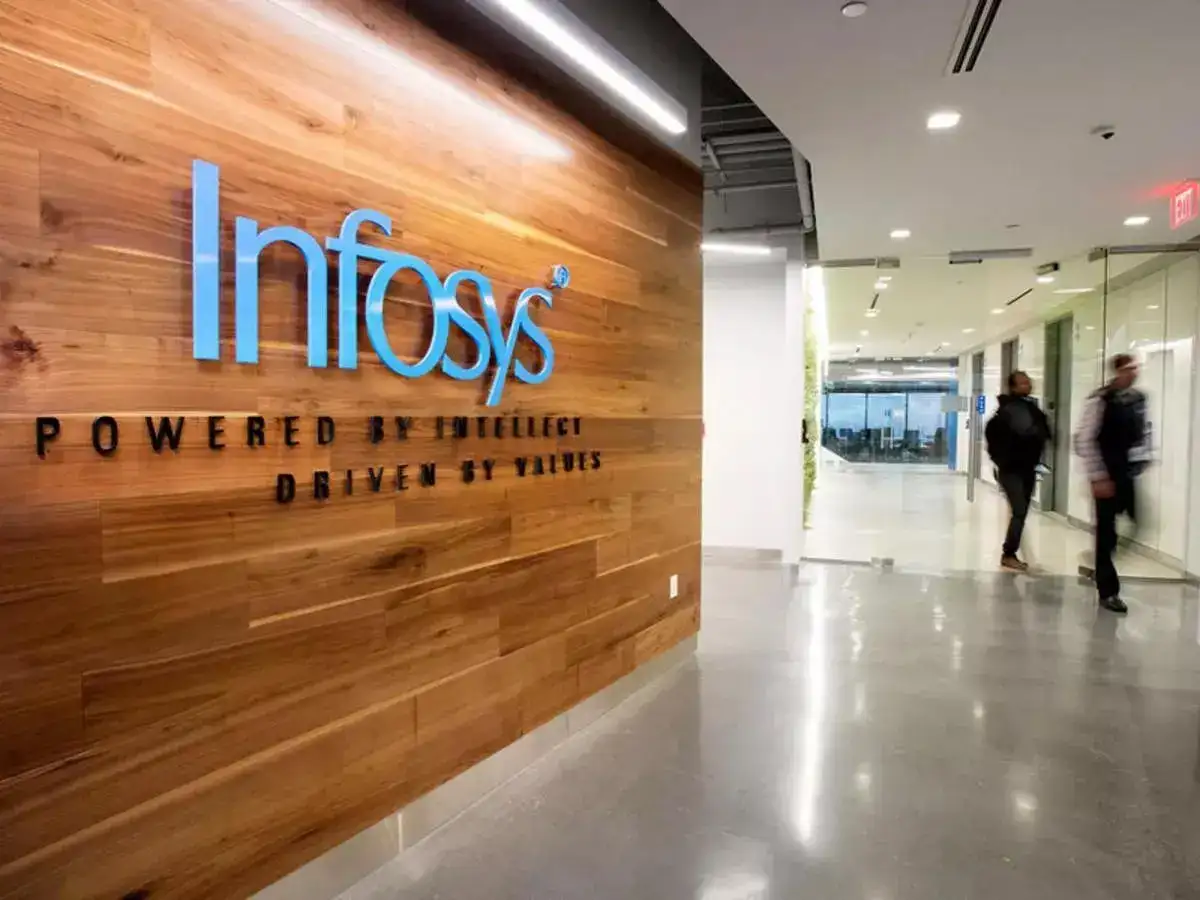
IT services major Infosys said on Wednesday it will acquire healthcare digital transformation firm Optimum Healthcare IT for $465 million and insurance-tech consultant Stratus for $95 million, both in all-cash deals.
Deal details: This is the second-largest IT services M&A since TCS's $700 million Coastal Cloud buy last December.
Yes, and: The deals include upfront payments and earnouts, excluding management incentives and retention bonuses. Infosys will own 100% of the equity share capital of Optimum Healthcare IT and the partnership interest in Stratus, respectively.
Also Read: Infosys expands Mohali centre with Rs 290-crore investment, to add 3,000 seats
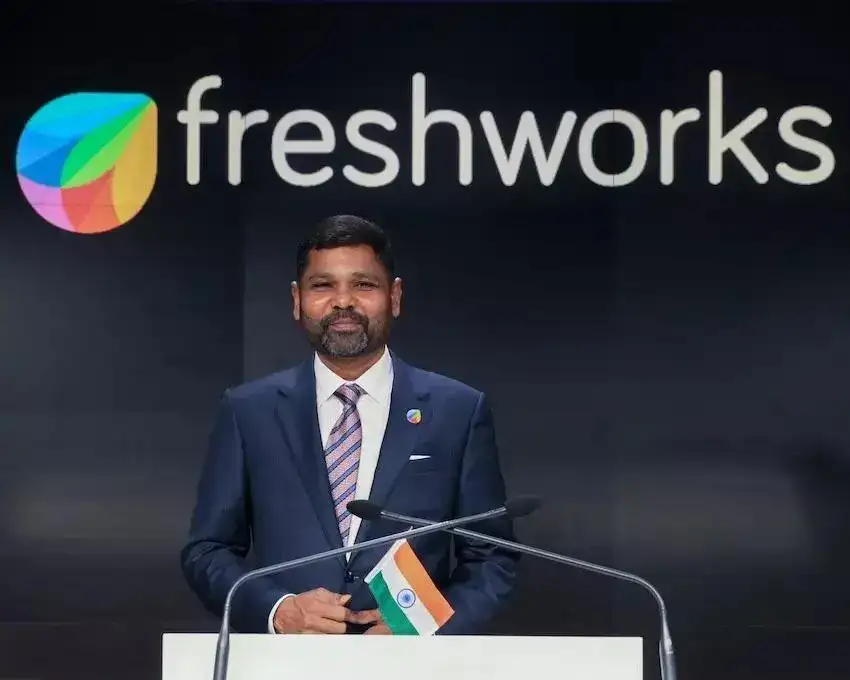 Girish Mathrubootham, cofounder, Freshworks
Freshworks cofounder Girish Mathrubootham has pushed back against fears that AI agents like Anthropic’s Claude Cowork will kill the software-as-a-service (SaaS) model, saying the real risk is stagnation during market corrections and tech layoffs.
No SaaS killers: Mathrubootham said Claude’s February plugins – which wiped out $285 billion in software valuations in 48 hours – create “vibe coding” prototypes, not for building systems handling 10,000 concurrent users, SOC2 compliance, legacy integrations, or 3 a.m. pager alerts.
Also Read: Startup Mafia 2.0 going strong: Zomato, Freshworks, Zoho alumni launch 360 firms
“The most important point is you are vibe-coding yesterday’s legacy systems based on structured forms. The right approach should be to start reimagining what software should feel like when AI is the operating system,” he wrote in a post on X.
What is the threat? He argued that AI agents atop HubSpot, Salesforce, or Freshworks require structured CRM/ERP data. Real disruption, he said, will come from incumbents redesigning legacy architectures or AI-native startups with AI as the core business logic – not from LLMs alone.
Also Read: Fear factor: Claude Cowork, techies no work?
Also in the letter:
■ Meta's fresh layoffs
■ Infy's new acquisitions
■ Saas safe from AI: Freshworks cofounder
Google to verify apps, help track finfluencers: Sebi
Market regulator Securities and Exchange Board of India (Sebi) is tightening the screws on online financial influencers and dubious investment content, partnering with Google to use AI to police the space.
What's happening? On Wednesday, Sebi and Google rolled out a verified badge on Google Play for stock trading apps owned by Sebi-registered entities, helping users quickly spot legit platforms.
At the same time, Sebi is scanning online platforms for content that could mislead investors. So far, over 1.3 lakh such posts have been flagged for takedown, said Sebi chairman Tuhin Kanta Pandey at the launch of the verified app label.
The regulator has also identified around 66 fake trading apps, which have been flagged and removed from app stores. Pandey added that an API system is now live to ensure that only registered intermediaries can run ads on platforms such as Google and Meta Platforms.
What else? The Sebi chief said the regulator has asked Google to step up its AI efforts, with Sebi’s support, to spot influencers who violate its rules.
"We must develop tools according to our laws and regulations, which will help kick such people out of the cyber space, which they are destroying through social media platforms and creating so much of a problem for the community," he said.
Also Read: Sebi deploying AI to track influencers and insider trading in real time: Tuhin Kanta Pandey
Manufacturing startup Scimplify in talks to raise $30-40 million from Hitachi Ventures, others
Specialty chemicals platform Scimplify is in discussions to raise $30-40 million from a consortium of Japanese investors led by Hitachi Ventures, at a post-money valuation of around $300 million, people in the know told us.
Valuation jump: The round will roughly double its valuation in less than a year, rising from $150 million in March 2025. A small secondary component will also enable early investors to partially cash out.
What it does: Founded in 2023, Scimplify aggregates excess manufacturing capacity across factories and offers end-to-end sourcing -- from R&D to commercial production -- for sectors such as pharma, agrochemicals and personal care.
Growth snapshot: The company is tracking an annualised revenue run rate of around $100 million, with customers in over 35 countries and plans to expand into Japan and Europe.
Why it matters: Geopolitical tensions are forcing global firms to diversify supply chains, boosting demand for asset-light manufacturing platforms.
Deccan AI raises $25 million from A91 Partners, SIG, Prosus Ventures
Deccan AI has raised $25 million in funding in a round led by A91 Partners, with Susquehanna International Group and Prosus Ventures also participating.
Founder speak: Founder Rukesh Reddy said the company will double down on building high-accuracy AI systems for enterprises and advanced model labs.
He said that while large language models have advanced quickly, their probabilistic nature can lead to inconsistent behaviour in real-world deployments – especially in enterprise settings where errors are costly.
Health insurance platform Plum raises $20 million led by Peak XV
Tiger Global-backed health insurance platform Plum has bagged $20 million (around Rs 193 crore) in a round led by Peak XV Partners with Tanglin Venture Partners and GMO Venture Partners, also joining in.
Fund use: The company plans to deploy the capital on hiring, technology, and AI innovation. Founder and CEO Abhishek Poddar said Plum aims to move beyond insurance claims into preventive care, primary care, mental health, and telehealth services for its clients.
Meta to lay off hundreds of employees: report
Meta Platforms has cut a few hundred jobs across several teams, Reuters reported.
Tell me more: The company had earlier weighed much deeper cuts – potentially over 20% of its workforce – and had asked senior leaders to prepare for widespread layoffs.
But the latest round is more limited. Reports suggest it mainly hits teams in Reality Labs, social media, and recruitment.
Meanwhile, a jury in Los Angeles has found Meta and Google negligent in a case involving harm to young users and awarded $6 million in combined damages.
What's the matter? Meta was ordered to pay $4.2 million and Google $1.8 million—small sums relative to their size.
The story: The case centred on a young woman who said she became addicted to YouTube and Instagram as a minor, blaming engagement-driven features like infinite scroll that keep users hooked for long periods.
Infosys to acquire US firms Optimum Healthcare IT and Stratus in all-cash deals
IT services major Infosys said on Wednesday it will acquire healthcare digital transformation firm Optimum Healthcare IT for $465 million and insurance-tech consultant Stratus for $95 million, both in all-cash deals.
Deal details: This is the second-largest IT services M&A since TCS's $700 million Coastal Cloud buy last December.
- Optimum will bring over 1,600 healthcare specialists, strengthening Infosys' presence in the provider segment.
- The Stratus acquisition is aimed at boosting insurers' AI-led customer experiences, cloud adoption, and core modernisation, and expanding Infosys’ global insurance footprint.
Yes, and: The deals include upfront payments and earnouts, excluding management incentives and retention bonuses. Infosys will own 100% of the equity share capital of Optimum Healthcare IT and the partnership interest in Stratus, respectively.
Also Read: Infosys expands Mohali centre with Rs 290-crore investment, to add 3,000 seats
Freshworks cofounder dismisses AI threat to SaaS
Freshworks cofounder Girish Mathrubootham has pushed back against fears that AI agents like Anthropic’s Claude Cowork will kill the software-as-a-service (SaaS) model, saying the real risk is stagnation during market corrections and tech layoffs.
No SaaS killers: Mathrubootham said Claude’s February plugins – which wiped out $285 billion in software valuations in 48 hours – create “vibe coding” prototypes, not for building systems handling 10,000 concurrent users, SOC2 compliance, legacy integrations, or 3 a.m. pager alerts.
Also Read: Startup Mafia 2.0 going strong: Zomato, Freshworks, Zoho alumni launch 360 firms
“The most important point is you are vibe-coding yesterday’s legacy systems based on structured forms. The right approach should be to start reimagining what software should feel like when AI is the operating system,” he wrote in a post on X.
What is the threat? He argued that AI agents atop HubSpot, Salesforce, or Freshworks require structured CRM/ERP data. Real disruption, he said, will come from incumbents redesigning legacy architectures or AI-native startups with AI as the core business logic – not from LLMs alone.
Also Read: Fear factor: Claude Cowork, techies no work?
Want this newsletter delivered to your inbox?
I agree to receive newsletters and marketing communications via e-mail