
 Daily Top 5 Daily Top 5 |
NPCI unveils UPI MDR; Paytm says its profits are safe
Want this newsletter delivered to your inbox?
I agree to receive newsletters and marketing communications via e-mail

Thank you for subscribing to Daily Top 5
We'll soon meet in your inbox.
The MDR for UPI has been finalised by the NPCI with a 0.4% charge agreed for person-to-merchant transactions. This and more in today’s ETtech Top 5.
Also in the letter:
■ Meta’s child safety measures
■ Flam raises $40 million
■ Coforge board search starts
The National Payments Corporation of India (NPCI) on Tuesday announced merchant discount rate (MDR) for unified payments interface (UPI) transactions. It said that a 0.4% charge will be levied on person-to-merchant payments above Rs 2,000.
Rate cap: The finalised MDR framework and threshold structure will take effect from October 15. "For transactions of Rs 75,000 and above, the MDR will be capped at Rs 300 per transaction," NPCI said.
ET had exclusively reported on July 16 that the government would restore MDR on UPI transactions.
.jpg "UPI Upswing - 3 (1)") Small merchants: While NPCI has not specified a threshold based on the size of a merchant’s turnover, it said in its announcement that vendors operating under the person-to-person merchant (P2PM) category will “enjoy a mandatory zero MDR”.
Small merchants: While NPCI has not specified a threshold based on the size of a merchant’s turnover, it said in its announcement that vendors operating under the person-to-person merchant (P2PM) category will “enjoy a mandatory zero MDR”.
Why it matters: Brokerage firm Bernstein had earlier estimated that a 40-bps MDR applied to half of UPI merchant-payment value could create a Rs 22,000-crore revenue pool by 2027-28.
MDR key details:
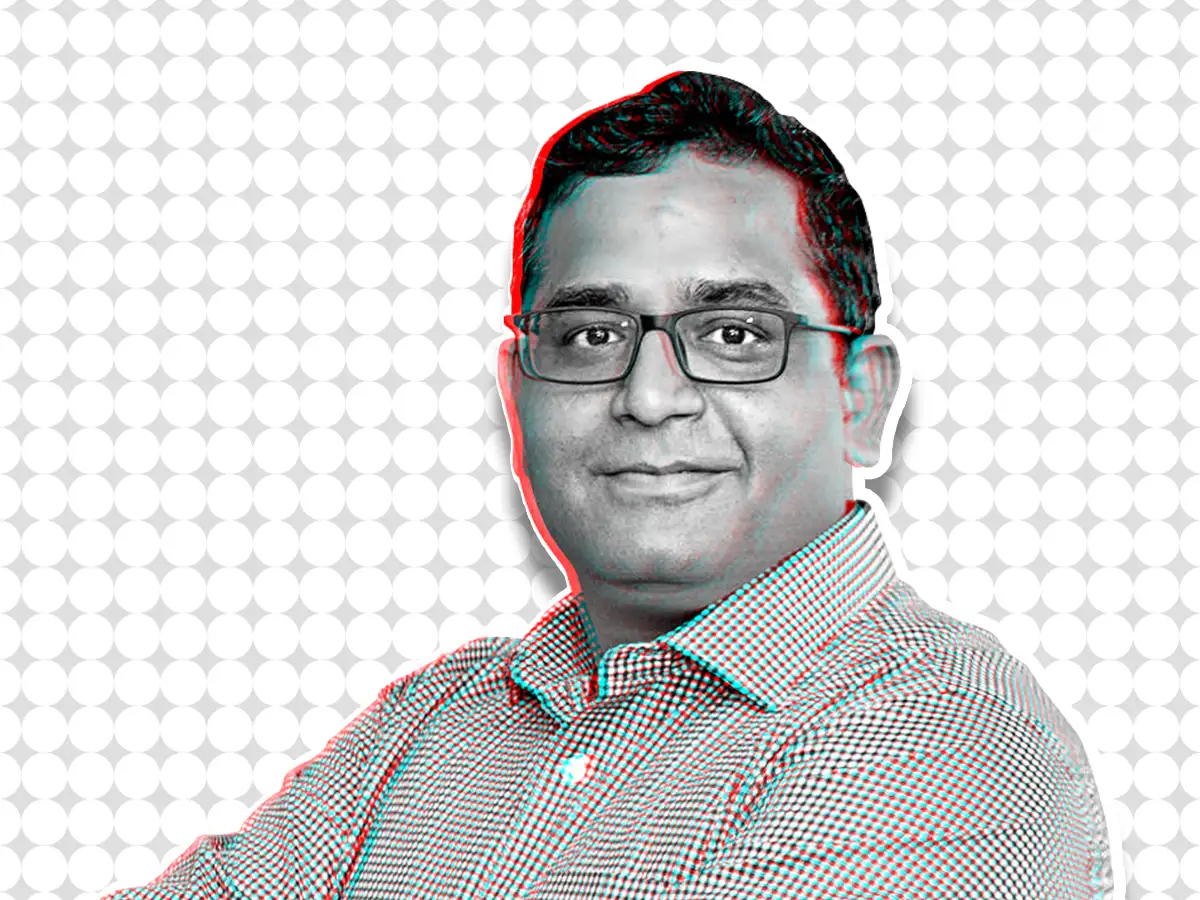 Paytm CEO Vijay Shekhar Sharma
Paytm founder and CEO Vijay Shekhar Sharma said the fintech company will remain profitable even without MDR on UPI transactions or other government support for the payments ecosystem.
By the numbers: Paytm reported its first full year of profitability in fiscal 2026 with a net profit of Rs 552 crore, compared to a loss of Rs 663 crore in FY25.
Market share: In August, Paytm had 7.9% of the UPI market, behind Walmart-owned PhonePe (46.2%) and Google Pay (32.6%). Paytm’s market share peaked at around 14% in January 2024 before regulatory restrictions imposed by the RBI on its payments bank led to a sharp decline.

Meta has agreed to report child sexual abuse cases to the appropriate law enforcement agencies in India, government sources said on Tuesday. This comes as the government steps up efforts to make social media platforms safer for children.
Driving the news: Meta India head Arun Srinivas appeared before the National Commission for Protection of Child Rights (NCPCR) last week as part of an inquiry into alleged ads for child abuse content on Meta-owned platforms in India.
Quote, unquote: “To collectively strengthen our efforts to combat this harm, Meta will now report child safety matters directly to the Cybercrime portal managed by the Indian Cybercrime Coordination Centre (I4C),” a Meta spokesperson said.
More action: The move follows meetings between Meta and the Ministry of Electronics and Information Technology (MeitY) on technical measures to detect and remove child abuse content. Meta had earlier said it had removed 160,000 suspicious accounts in India over six months using AI-based detection tools.
BBC report: The NCPCR had issued a notice to Meta on July 3, hours after an investigative report by BBC Eye alleged that ads related to child sexual abuse material were live on Meta-owned Instagram in India.
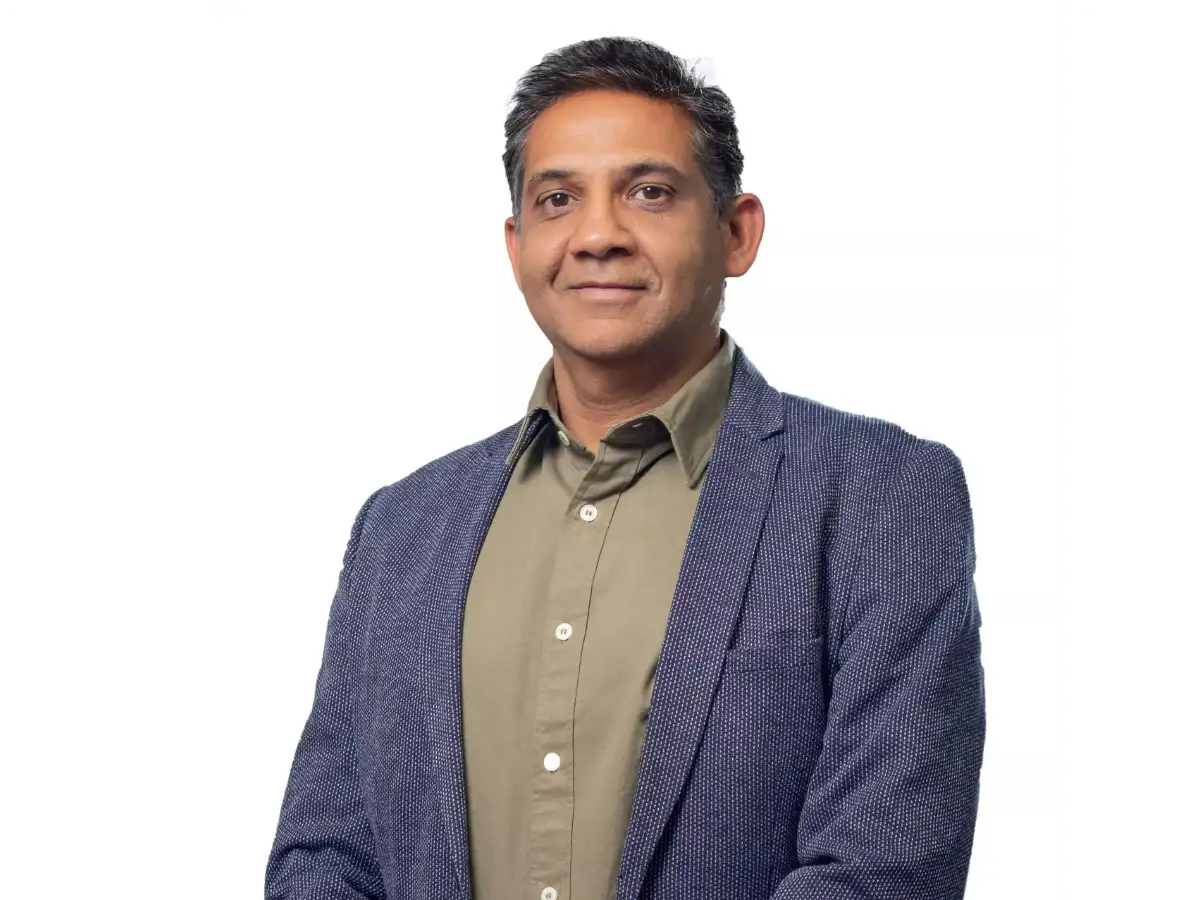 Puneet Agarwal, CEO, Moneyview
Accel-backed lender Moneyview has halved the fresh issue component of its proposed initial public offering (IPO) to Rs 750 crore from Rs 1,500 crore, while also reducing the number of shares to be sold by existing investors, according to an addendum filed on Monday.
IPO tweaks: Under the revised offer, the OFS has been cut to about 100.4 million shares. Institutional investors, including Accel, Tiger Global, Crimson Winter, and Ribbit Capital have reduced their proposed stake sales. Apis Partners has withdrawn from the selling shareholder list.
Use of funds:
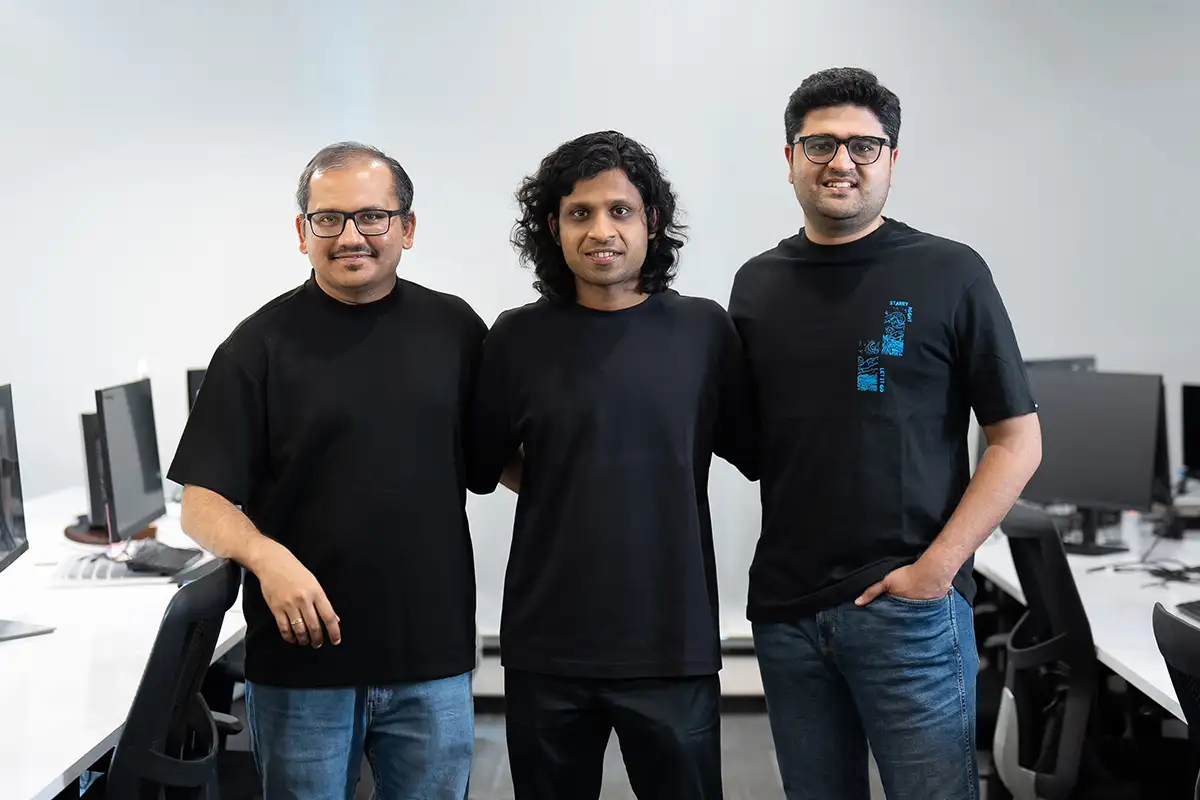 (L-R) Amit Gaiki, Shourya Agarwal, and Malhar Patil
Interactive content startup Flam has raised $40 million in a round led by US-based venture capital firm QED Investors, as it looks to invest further in its artificial intelligence (AI) models and expand its enterprise business globally.
Who invested? Ranjan Pai’s Claypond Capital, former Goldman Sachs CFO Martin Chavez, Datadog cofounder Olivier Pomel, Silicon Valley entrepreneur Venky Harinarayan, and actor Shah Rukh Khan participated in the round. Existing investors RTP Global and Dovetail increased their investments.
By the numbers: Flam is currently at more than $10 million in annual recurring revenue (ARR) and expects to reach $100 million over the next 12-18 months.
Google has completed a reported $1.5 billion-plus talent and technology deal with AI coding startup Mechanize, bringing cofounder Tamay Besiroglu and more than a dozen employees into Google DeepMind.
What is an acqui-hire? An acqui-hire is a deal in which a company brings in the founders and key employees of a startup, instead of taking over the entire business. The larger company may also get access to the startup’s technology through a licence or other arrangement.
Why it matters? AI companies are competing for a limited pool of researchers and engineers with expertise in areas such as AI agents, coding models, and model training. Bringing in an established team can give a company access to expertise much faster than hiring individuals or building the capability internally.
Big deals:
Coforge has enlisted executive search firm Egon Zehnder to find a new chairman and two independent directors. Last week, chairman Om Prakash Bhatt and nomination and remuneration committee (NRC) chairperson DK Singh stepped down amid board unrest.
What’s happening? Vivek Sharma, who has been appointed interim chairman until January 2027, said the search for the two independent directors has started and will have a global scope. He will oversee the process but will not be a candidate for the chairman’s role.
Board controversy: Bhatt resigned on September 8. Earlier, in an internal audit, KPMG had raised concerns about the board evaluation process followed on Bhatt’s watch.
Business as usual: The board pointed out that the governance issues that led to the exits had no impact on the company’s operations, financial reporting, or business outlook.
Also in the letter:
■ Meta’s child safety measures
■ Flam raises $40 million
■ Coforge board search starts
NPCI announces MDR for UPI; merchant transactions above Rs 2,000 to attract 0.4% charge
The National Payments Corporation of India (NPCI) on Tuesday announced merchant discount rate (MDR) for unified payments interface (UPI) transactions. It said that a 0.4% charge will be levied on person-to-merchant payments above Rs 2,000.
Rate cap: The finalised MDR framework and threshold structure will take effect from October 15. "For transactions of Rs 75,000 and above, the MDR will be capped at Rs 300 per transaction," NPCI said.
ET had exclusively reported on July 16 that the government would restore MDR on UPI transactions.
Why it matters: Brokerage firm Bernstein had earlier estimated that a 40-bps MDR applied to half of UPI merchant-payment value could create a Rs 22,000-crore revenue pool by 2027-28.
MDR key details:
- Up to Rs 2,000: No MDR.
- Rs 3,000 payment: MDR of Rs 12.
- Rs 50,000 payment: MDR of Rs 200.
- Rs 75,000 & above: MDR of Rs 300
- Consumer charges: Consumers will not pay the MDR.
- P2P transfers: Remain free regardless of transaction value.
- Railways, telecom, insurance, fuel: Flat Rs 5 MDR on payments above Rs 2,000.
Paytm profitable even without MDR
Paytm founder and CEO Vijay Shekhar Sharma said the fintech company will remain profitable even without MDR on UPI transactions or other government support for the payments ecosystem.
By the numbers: Paytm reported its first full year of profitability in fiscal 2026 with a net profit of Rs 552 crore, compared to a loss of Rs 663 crore in FY25.
Market share: In August, Paytm had 7.9% of the UPI market, behind Walmart-owned PhonePe (46.2%) and Google Pay (32.6%). Paytm’s market share peaked at around 14% in January 2024 before regulatory restrictions imposed by the RBI on its payments bank led to a sharp decline.
Meta to report child abuse cases to law enforcement
Meta has agreed to report child sexual abuse cases to the appropriate law enforcement agencies in India, government sources said on Tuesday. This comes as the government steps up efforts to make social media platforms safer for children.
Driving the news: Meta India head Arun Srinivas appeared before the National Commission for Protection of Child Rights (NCPCR) last week as part of an inquiry into alleged ads for child abuse content on Meta-owned platforms in India.
Quote, unquote: “To collectively strengthen our efforts to combat this harm, Meta will now report child safety matters directly to the Cybercrime portal managed by the Indian Cybercrime Coordination Centre (I4C),” a Meta spokesperson said.
More action: The move follows meetings between Meta and the Ministry of Electronics and Information Technology (MeitY) on technical measures to detect and remove child abuse content. Meta had earlier said it had removed 160,000 suspicious accounts in India over six months using AI-based detection tools.
BBC report: The NCPCR had issued a notice to Meta on July 3, hours after an investigative report by BBC Eye alleged that ads related to child sexual abuse material were live on Meta-owned Instagram in India.
Moneyview halves IPO fresh issue to Rs 750 crore
Accel-backed lender Moneyview has halved the fresh issue component of its proposed initial public offering (IPO) to Rs 750 crore from Rs 1,500 crore, while also reducing the number of shares to be sold by existing investors, according to an addendum filed on Monday.
IPO tweaks: Under the revised offer, the OFS has been cut to about 100.4 million shares. Institutional investors, including Accel, Tiger Global, Crimson Winter, and Ribbit Capital have reduced their proposed stake sales. Apis Partners has withdrawn from the selling shareholder list.
Use of funds:
- Moneyview will now use Rs 325 crore for loan disbursals under default loss guarantee arrangements.
- Another Rs 250 crore will go into its NBFC arm Whizdm Finance.
- The balance will be used for general corporate purposes.
Flam raises $40 million to scale AI business
Interactive content startup Flam has raised $40 million in a round led by US-based venture capital firm QED Investors, as it looks to invest further in its artificial intelligence (AI) models and expand its enterprise business globally.
Who invested? Ranjan Pai’s Claypond Capital, former Goldman Sachs CFO Martin Chavez, Datadog cofounder Olivier Pomel, Silicon Valley entrepreneur Venky Harinarayan, and actor Shah Rukh Khan participated in the round. Existing investors RTP Global and Dovetail increased their investments.
By the numbers: Flam is currently at more than $10 million in annual recurring revenue (ARR) and expects to reach $100 million over the next 12-18 months.
Google’s Mechanize deal and acqui-hires explained
Google has completed a reported $1.5 billion-plus talent and technology deal with AI coding startup Mechanize, bringing cofounder Tamay Besiroglu and more than a dozen employees into Google DeepMind.
What is an acqui-hire? An acqui-hire is a deal in which a company brings in the founders and key employees of a startup, instead of taking over the entire business. The larger company may also get access to the startup’s technology through a licence or other arrangement.
Why it matters? AI companies are competing for a limited pool of researchers and engineers with expertise in areas such as AI agents, coding models, and model training. Bringing in an established team can give a company access to expertise much faster than hiring individuals or building the capability internally.
Big deals:
- Character.AI: Google brought back cofounders Noam Shazeer and Daniel De Freitas in a deal worth about $2.7 billion in 2024. They had quit Google to start Character.AI.
- Windsurf: Google struck a $2.4-billion talent and technology deal with the AI coding startup in 2025.
- Inflection AI: Microsoft hired cofounders Mustafa Suleyman and Karén Simonyan in a deal worth about $650 million in 2025.
- Adept: Amazon hired cofounder David Luan and other employees while licensing Adept’s technology in 2024.
Coforge hires Egon Zehnder for board search
Coforge has enlisted executive search firm Egon Zehnder to find a new chairman and two independent directors. Last week, chairman Om Prakash Bhatt and nomination and remuneration committee (NRC) chairperson DK Singh stepped down amid board unrest.
What’s happening? Vivek Sharma, who has been appointed interim chairman until January 2027, said the search for the two independent directors has started and will have a global scope. He will oversee the process but will not be a candidate for the chairman’s role.
Board controversy: Bhatt resigned on September 8. Earlier, in an internal audit, KPMG had raised concerns about the board evaluation process followed on Bhatt’s watch.
Business as usual: The board pointed out that the governance issues that led to the exits had no impact on the company’s operations, financial reporting, or business outlook.
Want this newsletter delivered to your inbox?
I agree to receive newsletters and marketing communications via e-mail