
 Daily Top 5 |
MeitY probes physical AI data use; Nvidia CEO Jensen Huang resigns
Want this newsletter delivered to your inbox?
I agree to receive newsletters and marketing communications via e-mail

Thank you for subscribing to Daily Top 5
We'll soon meet in your inbox.
MeitY is reviewing the practice of collecting first-person video and sensor data from gig workers to train physical AI models. This and more in today’s ETtech Top 5.
Also in the letter:
■ Ola Electric’s Q2 slump
■ NPCI push for small merchants
■ Five AI firms out of compute bid
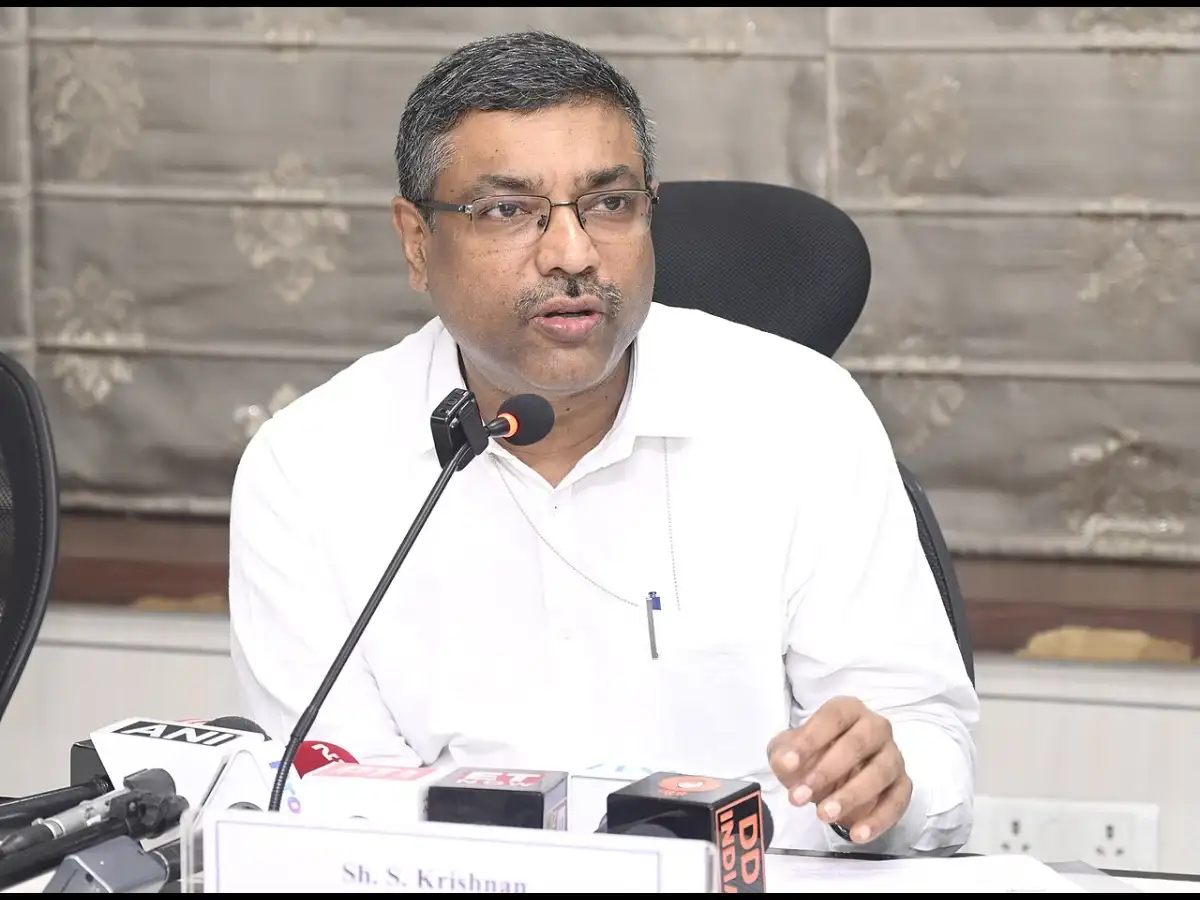 MeitY secretary S Krishnan
The Ministry of Electronics and Information Technology (MeitY) has taken note of the practice of collecting first-person video and sensor data from gig workers to train physical AI models.
What's the news: The ministry convened a consultation with representatives from Snabbit, Pronto, Urban Company, among other tech and robotics companies on Thursday to discuss concerns around data collection, privacy and sovereignty, three people in the know told ET. The meeting was chaired by MeitY secretary S Krishnan.
What triggered it: The meeting was triggered by a home services platform equipping domestic workers with head-mounted cameras to record everyday household tasks, with the footage used to train physical AI models, one person briefed on the discussions said.
MeitY sought information on standard operating procedures for collecting, processing and storing such data, including safeguards for obtaining workers’ consent and protecting the privacy of others captured in recordings.
Who is doing it: Among major instant househelp platforms, Pronto has begun in-home video recording through its Verified service, while Urban Company and Snabbit have decided against adopting the practice.
Some senior executives in attendance raised concerns over collecting data in India and selling it to overseas physical AI developers, arguing it “did not put the country in a favourable light.”
Also Read: India's physical AI boom spawns a new class of robot workers
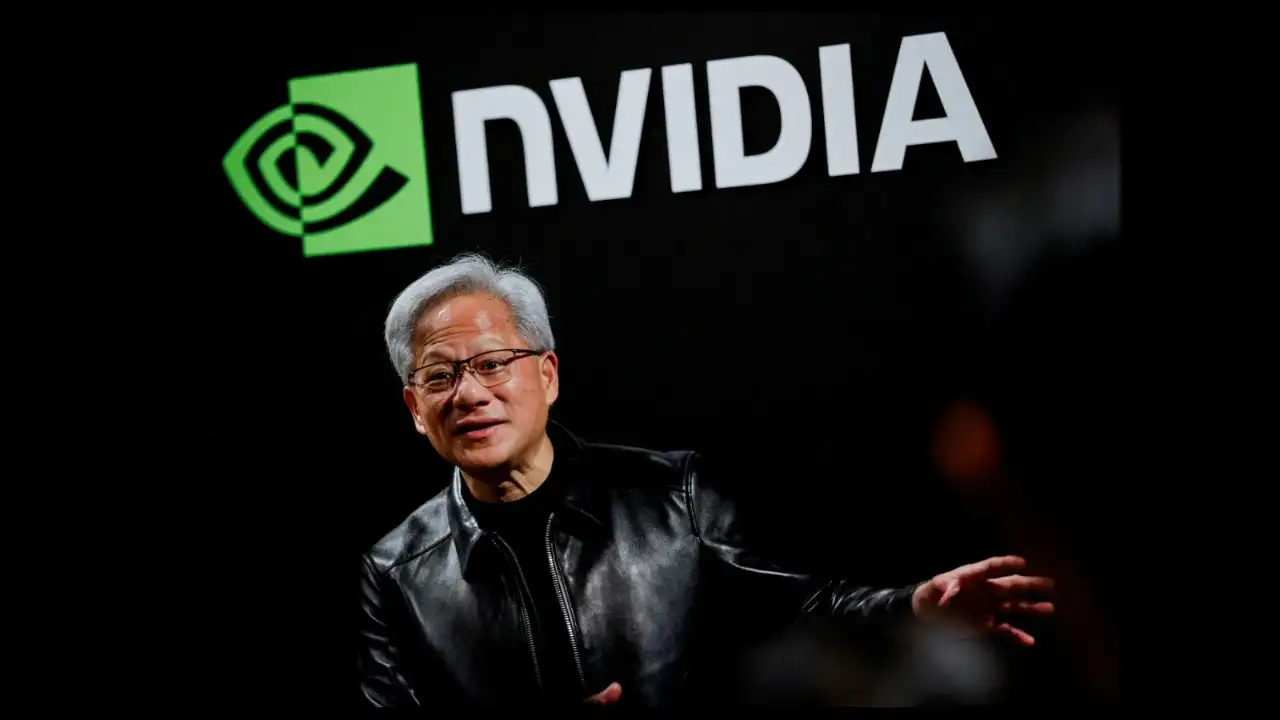
In a big blow to the AI boom, Nvidia CEO Jensen Huang on Thursday resigned as the president, chief executive officer and board member of the world's largest chipmaker.
What happened: Chief financial officer Colette Kress will take over as interim CEO as Nvidia looks for a permanent successor, the company said on Thursday. Huang, who cofounded Nvidia and is its fourth-largest investor with a stake of about 3.61%, will not remain on the board.
Pressure was mounting on Huang after reports said the 63-year-old, who is married, had an affair with a Chinese businesswoman who US authorities suspect of spying for Beijing.
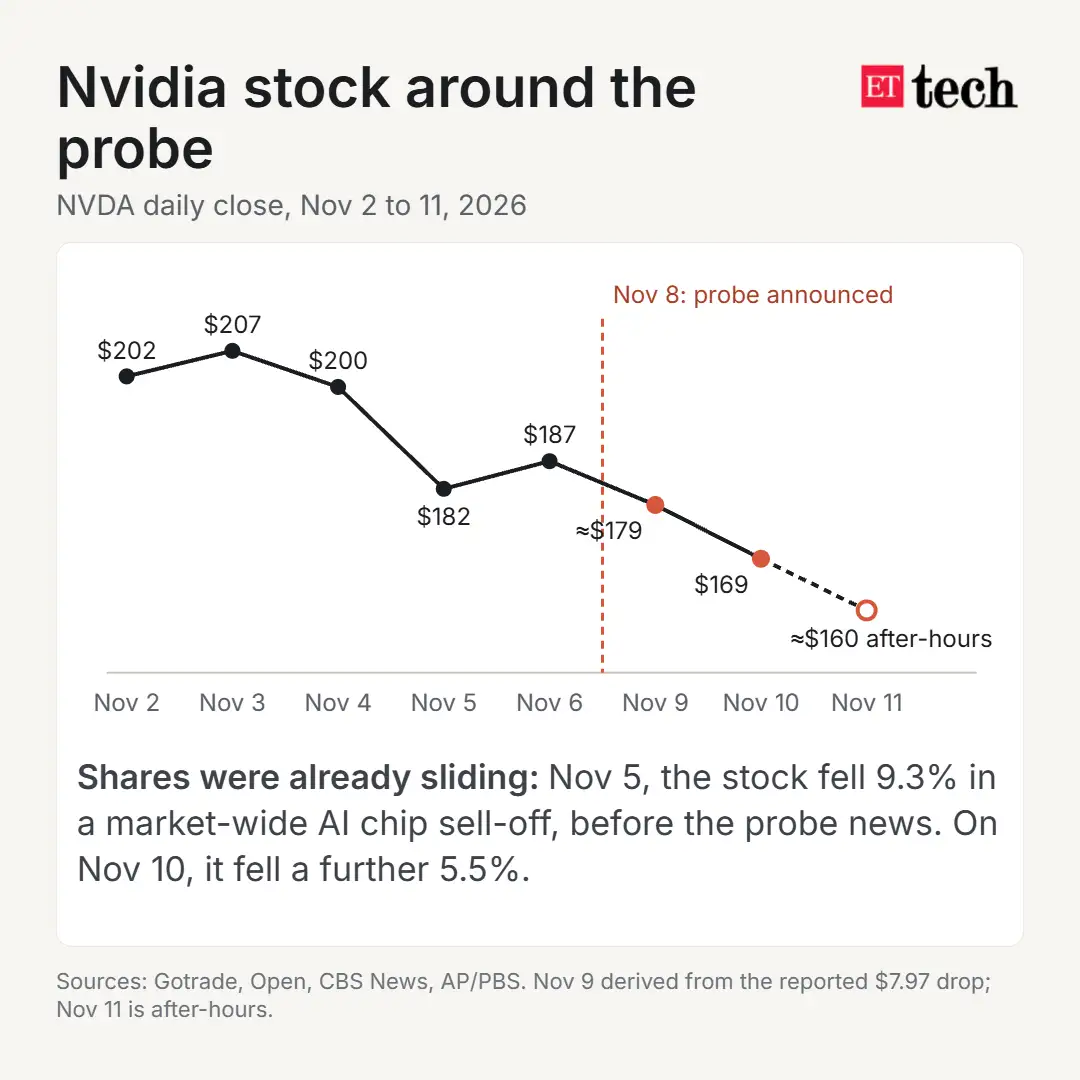
What this means: Huang's exit plunges the $4 trillion company into uncertainty and threatens to disrupt an AI ecosystem that he helped bankroll by pouring Nvidia's swelling cash pile back into cloud providers, suppliers and the industry's biggest labs.
The departure could also have far-reaching consequences for US chip export policy, given Huang's push to preserve access to the Chinese market and his close ties with US President Donald Trump.
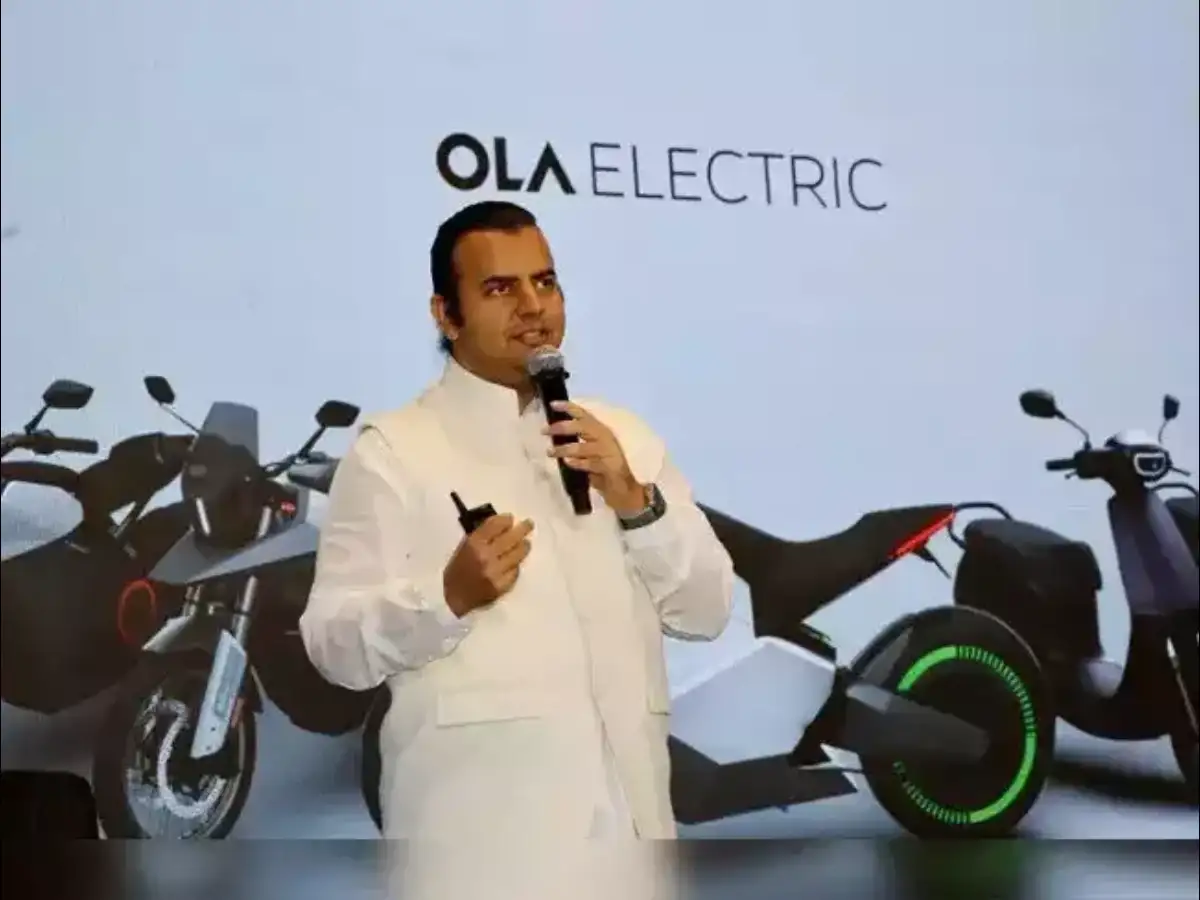 Ola Electric CEO Bhavish Aggarwal
Electric two-wheeler maker Ola Electric saw its revenue from operations contract for the September quarter as vehicle registrations continued to slide.
Financials:
Under pressure: The Bhavish Aggarwal-led company has been looking to strengthen its balance sheet as its market share continues to shrink. TVS Motor, Bajaj Auto, Ather Energy, and Hero MotoCorp have moved in steadily, pushing Ola Electric to fifth position in monthly registrations.
In October, Ola Electric continued to lose ground, with registrations declining 26% on-year to 12,096 units.
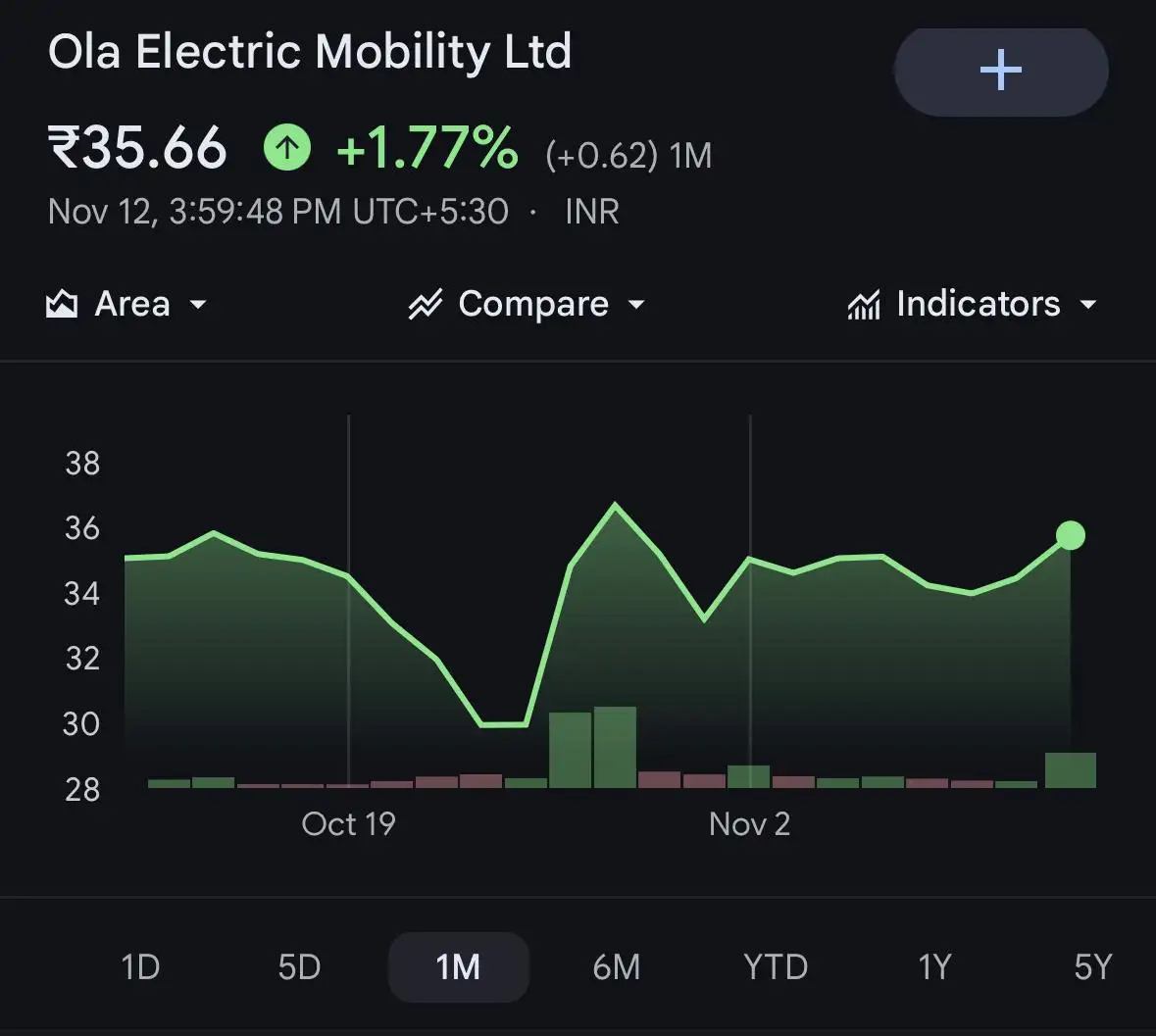 Source: Google Finance
Yes, and: The company said it has stopped taking orders from its direct-to-consumer stores on November 1, and plans to close them by December. It expects operating expenses to further reduce by Rs 50 crore as it shuts down these stores.
Quote, unquote: “Demand is ahead of supply, and we can sell every vehicle we produce. About 5,000 paid orders in September had their deliveries delayed by a week, pushing them into October, because of charger unavailability. After the transition to dealers, we are now running a paid order backlog which we intend to quickly extinguish as we ramp production,” Aggarwal said in a letter to shareholders.
Also Read: Ola Electric’s Rs 1,000-crore rights issue fully subscribed ahead of closing date
 The National Payments Corporation of India (NPCI) has notified a scheme that will use merchant fees on the Unified Payments Interface (UPI) to pay banks for signing up small shops and increasing the number of payments they accept.
What’s the scheme: The UPI Vyapaar Saksham Scheme will run for three years from the date the merchant discount rate (MDR) takes effect, according to a November 11 circular sent to all UPI members, which ET has reviewed.
NPCI proposed the small-merchant fund on September 15 when it set a 0.4% fee on eligible bank account-funded merchant payments above Rs 2,000, capped at Rs 300 per transaction. On October 13, its steering committee deferred the October 15 rollout until after Diwali.
Who pays, who earns:
Fine print: The scheme covers merchants with a turnover of up to Rs 40 lakh in the previous financial year. It targets tier-3 to tier-6 towns, the northeast, Jammu and Kashmir, and Ladakh.
 Five IndiaAI Mission-empanelled cloud service providers (CSPs) are ineligible to bid for the government’s latest request for empanelment (RFE) to procure compute because they do not operate a data centre in India.
What you should know: The Centre for Development of Advanced Computing (CDAC) issued an RFE on October 7 for AI service providers (ASPs) to provision up to 10,000 AI Compute Units (AICUs). Bids close on Friday, November 13, while technical proposals are to be opened on Saturday, November 14.
What’s the issue: Under the Rs 10,372-crore IndiaAI Mission, the government has empanelled 15 companies to provide compute capacity.
But five — CMS Computers, Locuz (now SHI India), Orient Technologies, and the Vensysco-AppSquadz consortium — do not own or operate Tier-III, Rated-3 or higher certified commercial data centres in India. They act as partners or resellers for hyperscaler Amazon Web Services.
Sticking point: The RFE allows leased or co-located infrastructure but makes the empanelled ASP responsible for end-to-end delivery; providers cannot act as aggregators or pass-through entities, and compute cannot be subcontracted or outsourced.
Also in the letter:
■ Ola Electric’s Q2 slump
■ NPCI push for small merchants
■ Five AI firms out of compute bid
MeitY examines data collection by home services platforms for physical AI training
The Ministry of Electronics and Information Technology (MeitY) has taken note of the practice of collecting first-person video and sensor data from gig workers to train physical AI models.
What's the news: The ministry convened a consultation with representatives from Snabbit, Pronto, Urban Company, among other tech and robotics companies on Thursday to discuss concerns around data collection, privacy and sovereignty, three people in the know told ET. The meeting was chaired by MeitY secretary S Krishnan.
What triggered it: The meeting was triggered by a home services platform equipping domestic workers with head-mounted cameras to record everyday household tasks, with the footage used to train physical AI models, one person briefed on the discussions said.
MeitY sought information on standard operating procedures for collecting, processing and storing such data, including safeguards for obtaining workers’ consent and protecting the privacy of others captured in recordings.
Who is doing it: Among major instant househelp platforms, Pronto has begun in-home video recording through its Verified service, while Urban Company and Snabbit have decided against adopting the practice.
Some senior executives in attendance raised concerns over collecting data in India and selling it to overseas physical AI developers, arguing it “did not put the country in a favourable light.”
Also Read: India's physical AI boom spawns a new class of robot workers
Nvidia CEO Jensen Huang resigns, Colette Kress appointed interim CEO
In a big blow to the AI boom, Nvidia CEO Jensen Huang on Thursday resigned as the president, chief executive officer and board member of the world's largest chipmaker.
What happened: Chief financial officer Colette Kress will take over as interim CEO as Nvidia looks for a permanent successor, the company said on Thursday. Huang, who cofounded Nvidia and is its fourth-largest investor with a stake of about 3.61%, will not remain on the board.
Pressure was mounting on Huang after reports said the 63-year-old, who is married, had an affair with a Chinese businesswoman who US authorities suspect of spying for Beijing.
What this means: Huang's exit plunges the $4 trillion company into uncertainty and threatens to disrupt an AI ecosystem that he helped bankroll by pouring Nvidia's swelling cash pile back into cloud providers, suppliers and the industry's biggest labs.
The departure could also have far-reaching consequences for US chip export policy, given Huang's push to preserve access to the Chinese market and his close ties with US President Donald Trump.
Ola Electric Q2 revenue slumps 39% to Rs 421 crore, losses narrow
Electric two-wheeler maker Ola Electric saw its revenue from operations contract for the September quarter as vehicle registrations continued to slide.
Financials:
- Revenue from operations: Rs 421 crore, down 39% from Rs 690 crore a year earlier
- Net loss: Rs 362 crore, down from Rs 418 crore a year ago.
- Cell business revenue: Fell to Rs 3 crore
Under pressure: The Bhavish Aggarwal-led company has been looking to strengthen its balance sheet as its market share continues to shrink. TVS Motor, Bajaj Auto, Ather Energy, and Hero MotoCorp have moved in steadily, pushing Ola Electric to fifth position in monthly registrations.
In October, Ola Electric continued to lose ground, with registrations declining 26% on-year to 12,096 units.
Yes, and: The company said it has stopped taking orders from its direct-to-consumer stores on November 1, and plans to close them by December. It expects operating expenses to further reduce by Rs 50 crore as it shuts down these stores.
Quote, unquote: “Demand is ahead of supply, and we can sell every vehicle we produce. About 5,000 paid orders in September had their deliveries delayed by a week, pushing them into October, because of charger unavailability. After the transition to dealers, we are now running a paid order backlog which we intend to quickly extinguish as we ramp production,” Aggarwal said in a letter to shareholders.
Also Read: Ola Electric’s Rs 1,000-crore rights issue fully subscribed ahead of closing date
NPCI to use merchant fees to boost UPI acceptance among small shops
What’s the scheme: The UPI Vyapaar Saksham Scheme will run for three years from the date the merchant discount rate (MDR) takes effect, according to a November 11 circular sent to all UPI members, which ET has reviewed.
NPCI proposed the small-merchant fund on September 15 when it set a 0.4% fee on eligible bank account-funded merchant payments above Rs 2,000, capped at Rs 300 per transaction. On October 13, its steering committee deferred the October 15 rollout until after Diwali.
Who pays, who earns:
- Issuing and acquiring banks, payer payment service providers, and UPI apps will each contribute 5% of their eligible MDR income.
- Acquiring banks, which sign up merchants directly or through payment aggregators, will claim incentives quarterly; only settled payments of Rs 2,000 or less will count toward those incentives.
Fine print: The scheme covers merchants with a turnover of up to Rs 40 lakh in the previous financial year. It targets tier-3 to tier-6 towns, the northeast, Jammu and Kashmir, and Ladakh.
Five IndiaAI companies ineligible for new compute bid
What you should know: The Centre for Development of Advanced Computing (CDAC) issued an RFE on October 7 for AI service providers (ASPs) to provision up to 10,000 AI Compute Units (AICUs). Bids close on Friday, November 13, while technical proposals are to be opened on Saturday, November 14.
What’s the issue: Under the Rs 10,372-crore IndiaAI Mission, the government has empanelled 15 companies to provide compute capacity.
But five — CMS Computers, Locuz (now SHI India), Orient Technologies, and the Vensysco-AppSquadz consortium — do not own or operate Tier-III, Rated-3 or higher certified commercial data centres in India. They act as partners or resellers for hyperscaler Amazon Web Services.
Sticking point: The RFE allows leased or co-located infrastructure but makes the empanelled ASP responsible for end-to-end delivery; providers cannot act as aggregators or pass-through entities, and compute cannot be subcontracted or outsourced.
Want this newsletter delivered to your inbox?
I agree to receive newsletters and marketing communications via e-mail