
 Daily Top 5 |
IT’s organic revenue slows; Jensen Huang plots comeback
Want this newsletter delivered to your inbox?
I agree to receive newsletters and marketing communications via e-mail

Thank you for subscribing to Daily Top 5
We'll soon meet in your inbox.
Weak organic growth is pushing India’s IT majors towards acquisitions. This and more in today’s ETtech Top 5.
Also in the letter:
■ Invest India chief on chip ecosystem
■ Paytm’s stock nears IPO price
■ Explained: Meta’s Takes

India’s top IT firms posted uneven, weak organic revenue growth in the July-September quarter, with Tech Mahindra and LTM (formerly LTIMindtree) being the strongest, while Wipro and Infosys fared the worst, both seeing a year-on-year fall in revenues.
The numbers:
Acquisitions fill the gap: India’s top eight IT firms spent about $7.5 billion on acquisitions in the past 12 months, the industry’s highest on record, as organic growth slowed. Experts said the deals must build lasting capabilities in AI, cloud, cybersecurity, IoT, etc., not just prop up the quarterly topline, or the firms risk losing market share to nimbler rivals.
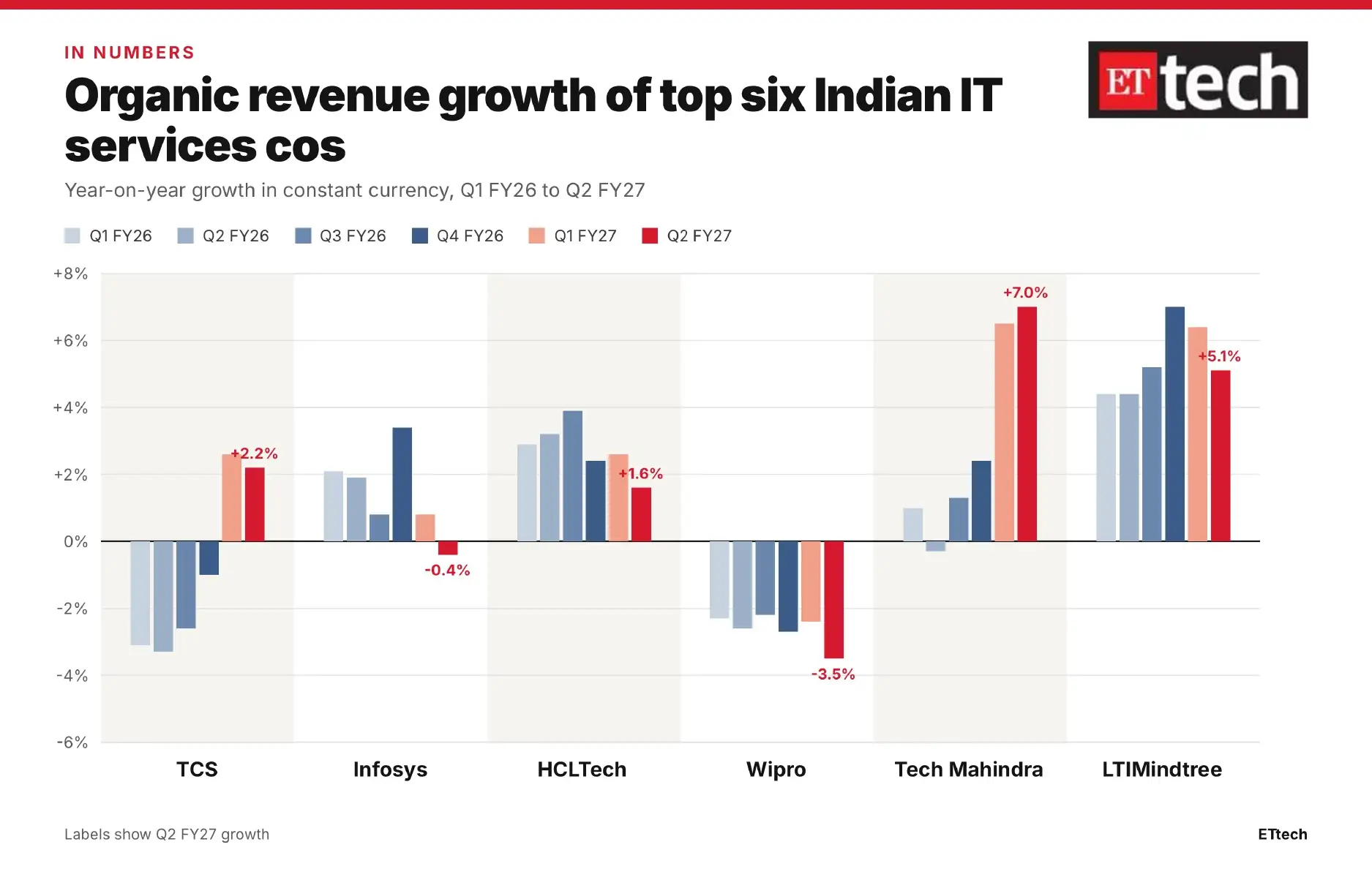
AI slump: The industry faces its biggest challenge after two decades of double-digit growth, with a weak macro environment and an AI-led slump in client demand, especially in north America, which comprises over 60% of the sector’s revenue.
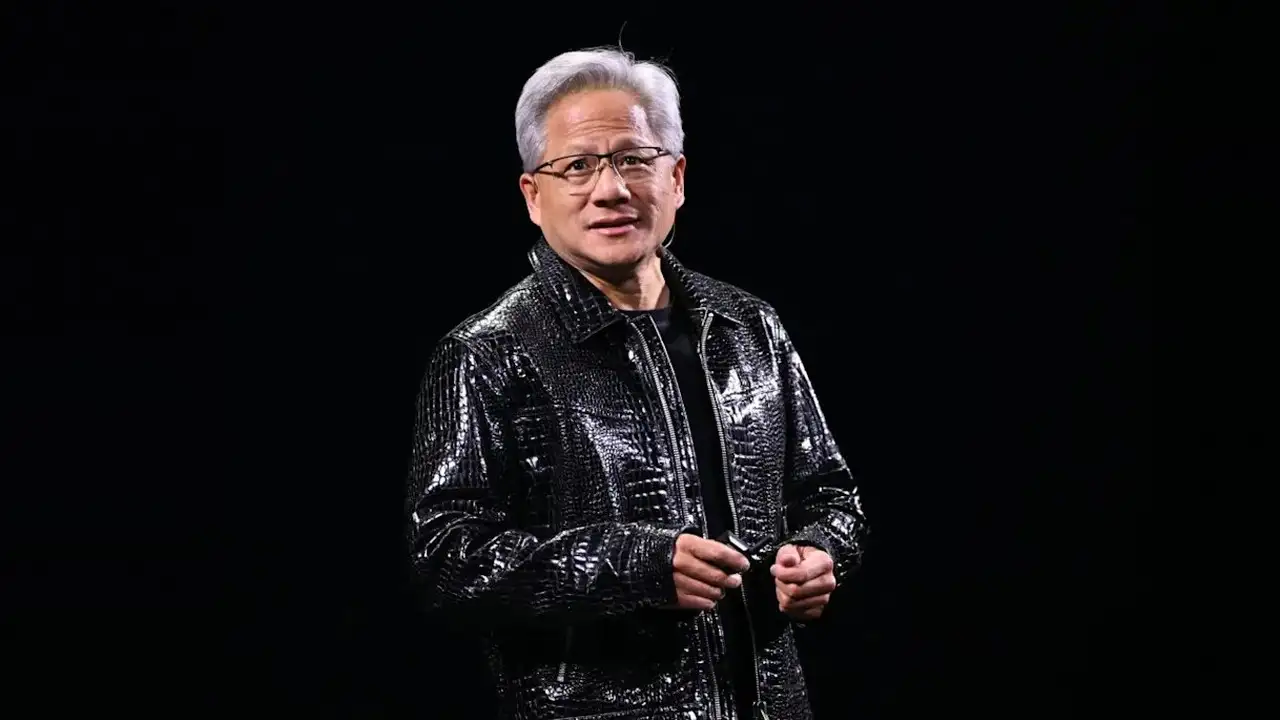
The discussion around Nvidia CEO Jensen Huang has shifted from his alleged multiple extramarital affairs and exit to his possible return at the helm.
Return of Huang? A petition urging Nvidia’s board to reinstate Huang has drawn well over 175,000 signatures, with more than 8,300 signatories identifying themselves as Nvidia employees.
The list also includes tech heavyweights such as SpaceX chief Elon Musk, Uber cofounder Travis Kalanick, and Steve Chen, cofounder and former CTO of YouTube.
Also Read: Elon Musk says Nvidia will lose "critical" deals without Jensen Huang
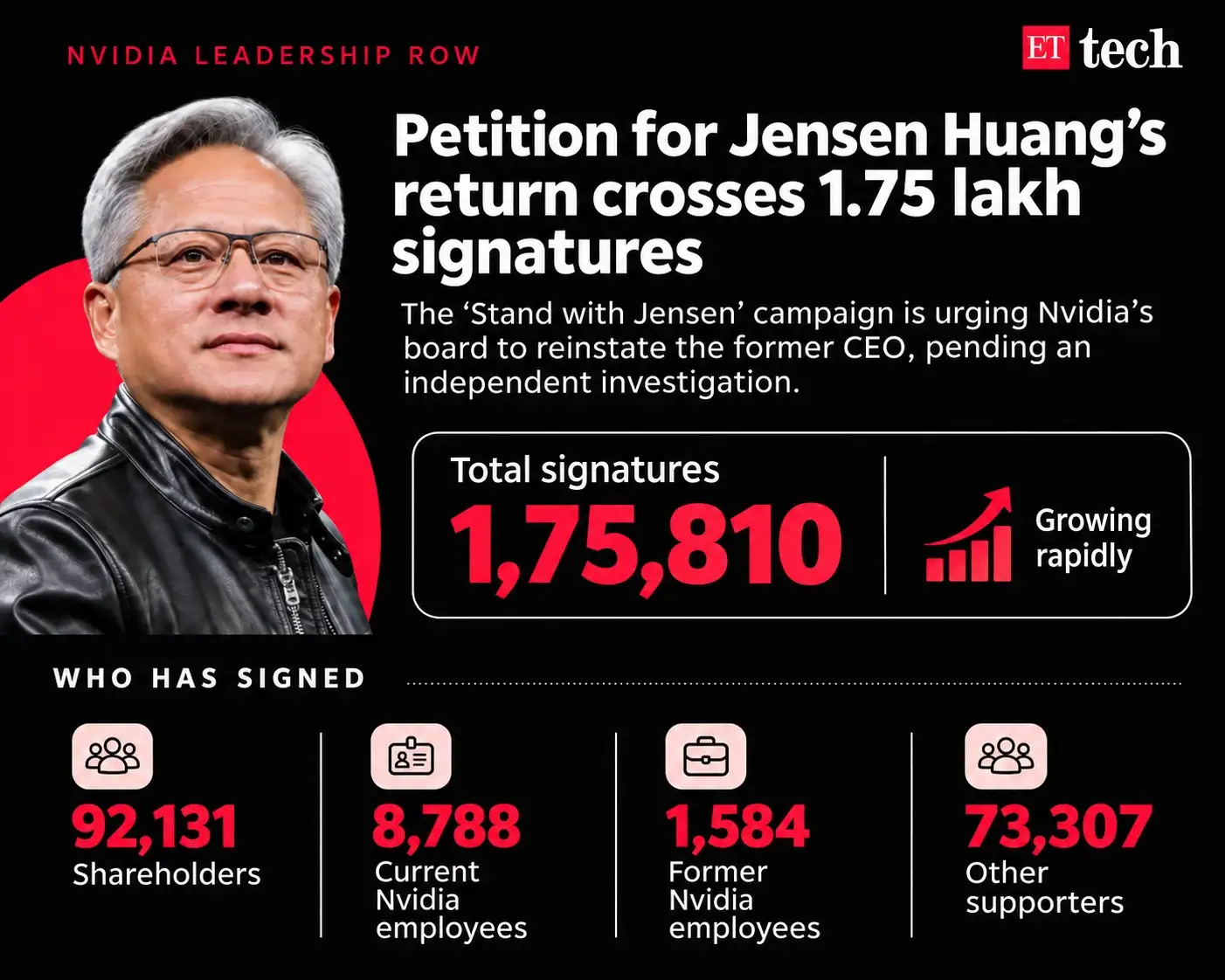
What the petition says: The campaign, called 'Stand with Jensen,' is an independent online petition arguing that Huang was removed without due process. It asks the board to bring him back while an independent investigation establishes the facts.
Huang talks comeback: Amid the controversy, Huang has reportedly discussed the possibility of returning to lead the chipmaker with close associates, the Financial Times has reported. An ally said efforts were underway to build a network of influential tech executives to lobby for his return, including seeking support from the White House.
Also Read: What Nvidia needs in a CEO: Hunt turns to insiders, chip veterans and outsiders
 Nivruti Rai, MD and CEO, Invest India
India cannot build a sustainable semiconductor industry by focussing only on fabs and chip assembly projects, Nivruti Rai, managing director and chief executive of Invest India, told us.
Driving the news: Rai stressed the need for an ecosystem of equipment makers, materials suppliers, packaging companies, and manufacturers of memory and passive components.
“No country can build a fab and meet its own demand. We have to have an ecosystem and we have to look at global demands,” Rai told ET.
What’s India pursuing: IT minister Ashwini Vaishnaw recently set a target to attract three major semiconductor equipment makers and five large materials manufacturers under the India Semiconductor Mission (ISM) 2.0. Invest India is courting suppliers, including Japan’s Shin-Etsu and Tokyo Electron, US-based Lam Research and Teradyne, and Dutch firm ASML.
Also Read: Vaishnaw stresses need for India to make own semiconductor machinery, components
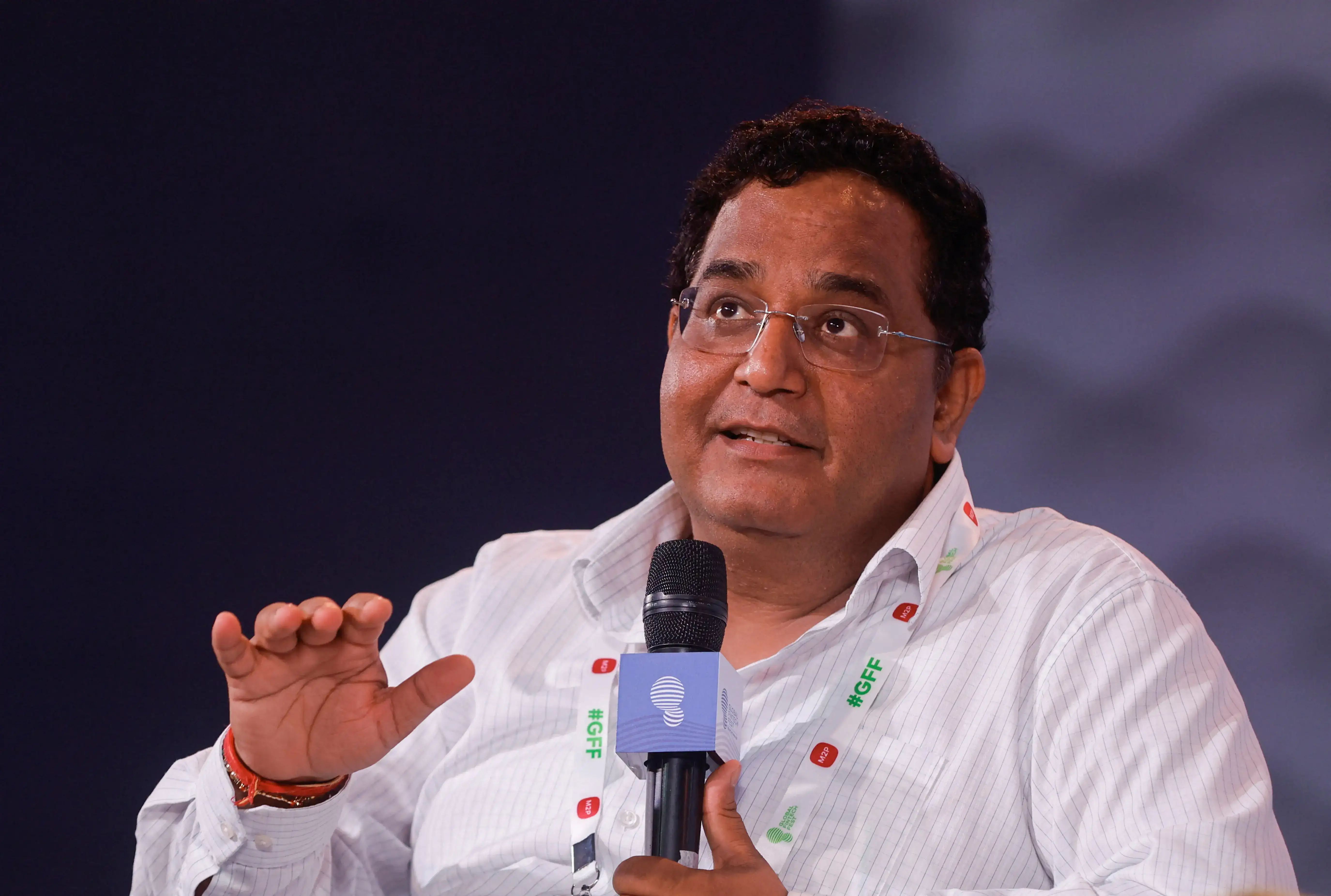 Paytm CEO Vijay Shekhar Sharma
The RBI’s preliminary approval for Paytm to launch prepaid payment products, including digital wallets, is positive for the stock, as it signals the central bank’s comfort with the fintech platform and adds to its monetisation pipeline, brokerage Jefferies said.
Up and up: The brokerage also raised its target price above Paytm’s IPO price, which the stock has failed to reclaim since listing nearly five years ago.
The regulatory setbacks in February had triggered a steep decline in the company’s share prices, which fell to a record low of Rs 310 in May 2024. The stock has since recovered sharply, crossing Rs 1,900 on November 12 for the first time since its November 2021 listing — when it was priced at Rs 2,150. On Monday, the stock closed at Rs 1,890.8 on the BSE.
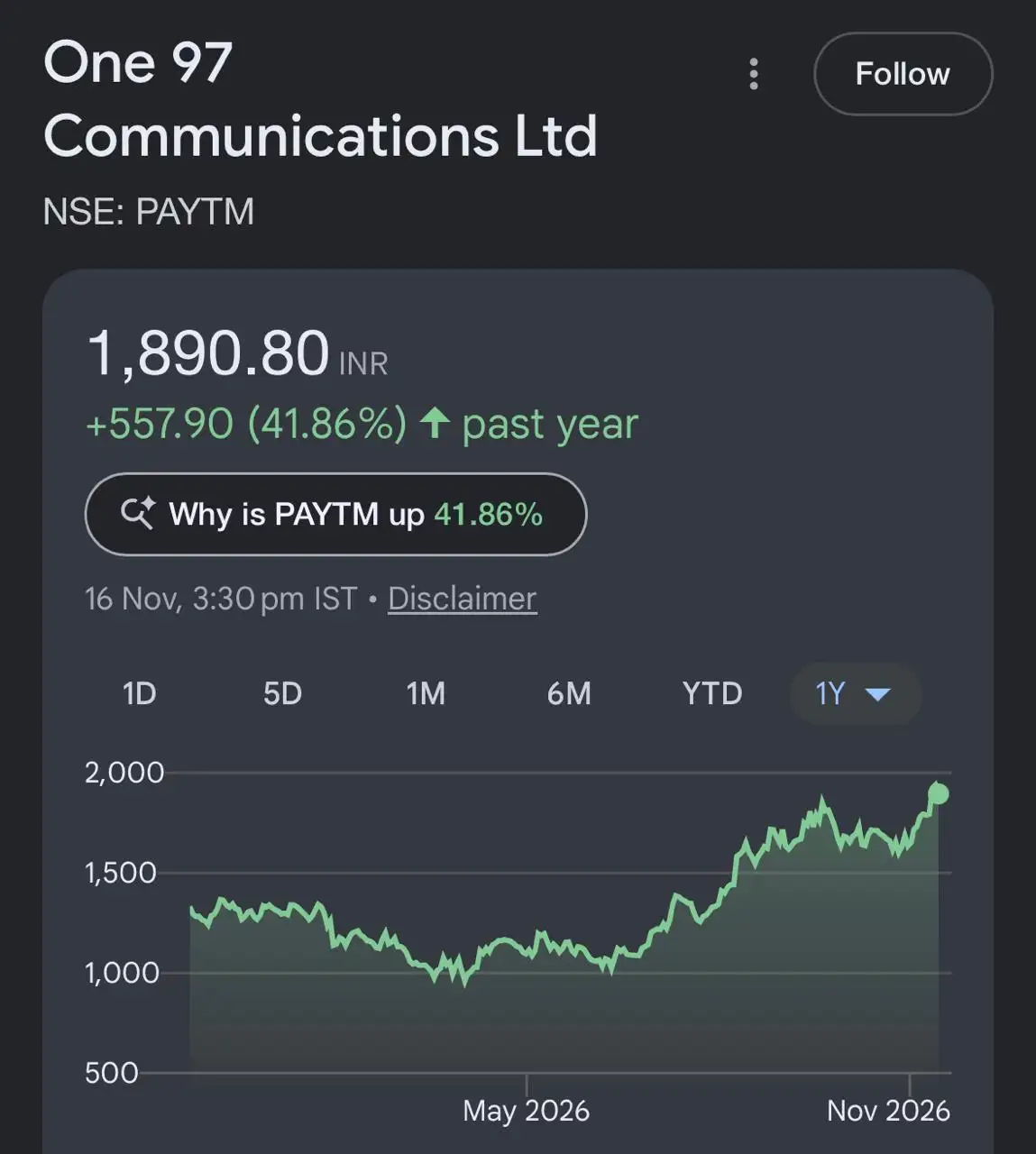 Source: Google Finance
What the approval means: The RBI on Friday granted in-principle approval for Paytm’s payments services unit to issue prepaid payment products, months after the winding up of Paytm Payments Bank. The approval will let Paytm run its wallet business independently of the payments bank that housed it for years.
Wallet is small but useful: While mobile wallets form a relatively small part—around 1% of total digital payments – Paytm had more than 60% market share in wallet transaction value till December 2023 before the RBI’s crackdown.
Also Read: Paytm’s Q2 profit jumps 10-fold to Rs 225 crore, revenue up 28%
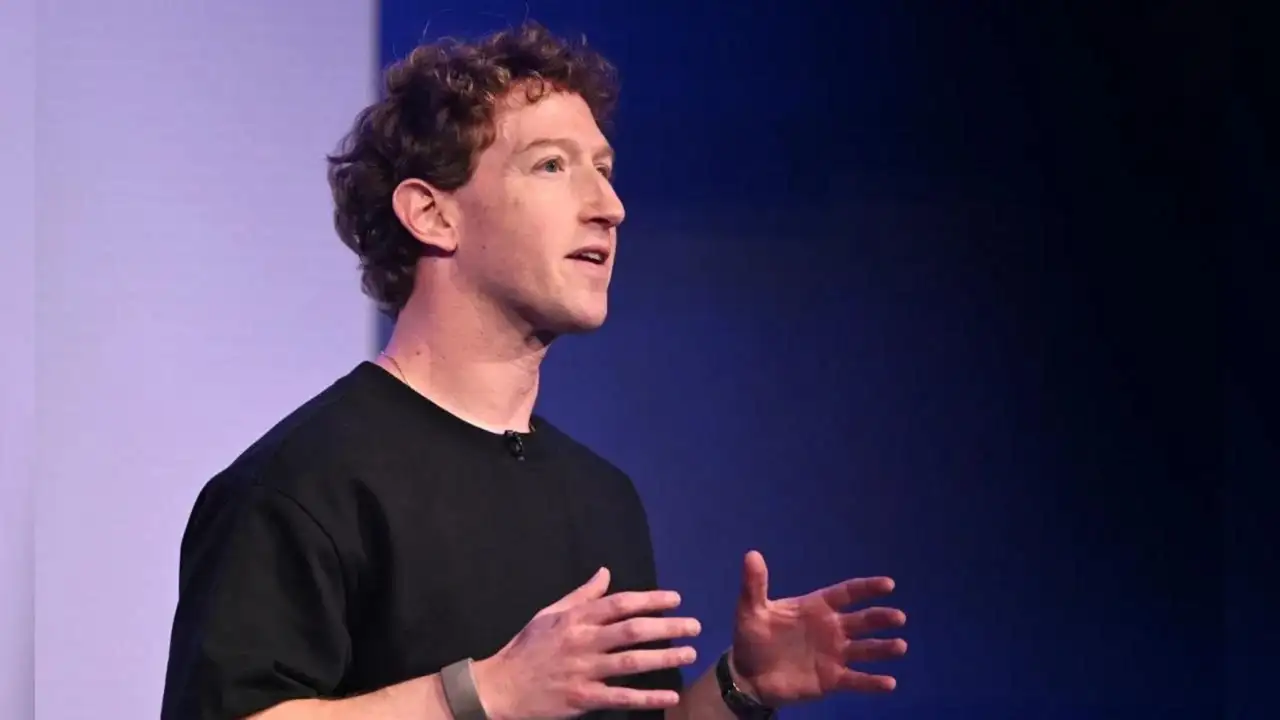 Meta CEO Mark Zuckerberg
Meta Platforms has started testing a prediction-market app called Takes, The Wall Street Journal reported on Friday.
How it works: The app, tentatively named Takes, lets employees bet on the outcomes of questions or events using a virtual currency called “cred,” short for credibility, and unlike Kalshi or Polymarket, no real money is exchanged.
Users answer questions about future events and gain or lose virtual points. Correct predictions earn points, while incorrect ones result in losses; users do not risk their own funds.
Tell me more: The app is still being tested, and it remains unclear when, if ever, it will be launched, the report said. The project was previously pursued internally under the name 'Arena' per the direction of CEO Mark Zuckerberg.
Also Read: Why Meta is raising billions through bonds
Also in the letter:
■ Invest India chief on chip ecosystem
■ Paytm’s stock nears IPO price
■ Explained: Meta’s Takes
IT majors see sluggish organic performance; TechM, LTM outperform
India’s top IT firms posted uneven, weak organic revenue growth in the July-September quarter, with Tech Mahindra and LTM (formerly LTIMindtree) being the strongest, while Wipro and Infosys fared the worst, both seeing a year-on-year fall in revenues.
The numbers:
- Tech Mahindra’s organic revenue accounted for as much as 7% of its 7.2% growth in constant-currency terms, up from a 0.3% decline a year earlier.
- LTM’s organic growth slowed to 5.1% from 6.4% in the prior quarter, but was better than 4.4% a year ago.
- Wipro’s revenue fell 3.5%, worse than its 2.4% drop in the June quarter.
- Infosys’ organic revenue fell 0.4%, against 0.8% growth the previous quarter.
- TCS grew 2.2%, slower than 2.6% the prior quarter.
- HCLTech’s slowed to 1.6% from 2.6%.
Acquisitions fill the gap: India’s top eight IT firms spent about $7.5 billion on acquisitions in the past 12 months, the industry’s highest on record, as organic growth slowed. Experts said the deals must build lasting capabilities in AI, cloud, cybersecurity, IoT, etc., not just prop up the quarterly topline, or the firms risk losing market share to nimbler rivals.
AI slump: The industry faces its biggest challenge after two decades of double-digit growth, with a weak macro environment and an AI-led slump in client demand, especially in north America, which comprises over 60% of the sector’s revenue.
Will Jensen Huang return as Nvidia CEO? Tech leaders rally behind disgraced exec
The discussion around Nvidia CEO Jensen Huang has shifted from his alleged multiple extramarital affairs and exit to his possible return at the helm.
Return of Huang? A petition urging Nvidia’s board to reinstate Huang has drawn well over 175,000 signatures, with more than 8,300 signatories identifying themselves as Nvidia employees.
The list also includes tech heavyweights such as SpaceX chief Elon Musk, Uber cofounder Travis Kalanick, and Steve Chen, cofounder and former CTO of YouTube.
Also Read: Elon Musk says Nvidia will lose "critical" deals without Jensen Huang
What the petition says: The campaign, called 'Stand with Jensen,' is an independent online petition arguing that Huang was removed without due process. It asks the board to bring him back while an independent investigation establishes the facts.
Huang talks comeback: Amid the controversy, Huang has reportedly discussed the possibility of returning to lead the chipmaker with close associates, the Financial Times has reported. An ally said efforts were underway to build a network of influential tech executives to lobby for his return, including seeking support from the White House.
Also Read: What Nvidia needs in a CEO: Hunt turns to insiders, chip veterans and outsiders
India looks beyond fabs to build semiconductor ecosystem, says Invest India chief
India cannot build a sustainable semiconductor industry by focussing only on fabs and chip assembly projects, Nivruti Rai, managing director and chief executive of Invest India, told us.
Driving the news: Rai stressed the need for an ecosystem of equipment makers, materials suppliers, packaging companies, and manufacturers of memory and passive components.
“No country can build a fab and meet its own demand. We have to have an ecosystem and we have to look at global demands,” Rai told ET.
What’s India pursuing: IT minister Ashwini Vaishnaw recently set a target to attract three major semiconductor equipment makers and five large materials manufacturers under the India Semiconductor Mission (ISM) 2.0. Invest India is courting suppliers, including Japan’s Shin-Etsu and Tokyo Electron, US-based Lam Research and Teradyne, and Dutch firm ASML.
Also Read: Vaishnaw stresses need for India to make own semiconductor machinery, components
Can Paytm shares finally rise above IPO price?
The RBI’s preliminary approval for Paytm to launch prepaid payment products, including digital wallets, is positive for the stock, as it signals the central bank’s comfort with the fintech platform and adds to its monetisation pipeline, brokerage Jefferies said.
Up and up: The brokerage also raised its target price above Paytm’s IPO price, which the stock has failed to reclaim since listing nearly five years ago.
The regulatory setbacks in February had triggered a steep decline in the company’s share prices, which fell to a record low of Rs 310 in May 2024. The stock has since recovered sharply, crossing Rs 1,900 on November 12 for the first time since its November 2021 listing — when it was priced at Rs 2,150. On Monday, the stock closed at Rs 1,890.8 on the BSE.
What the approval means: The RBI on Friday granted in-principle approval for Paytm’s payments services unit to issue prepaid payment products, months after the winding up of Paytm Payments Bank. The approval will let Paytm run its wallet business independently of the payments bank that housed it for years.
Wallet is small but useful: While mobile wallets form a relatively small part—around 1% of total digital payments – Paytm had more than 60% market share in wallet transaction value till December 2023 before the RBI’s crackdown.
Also Read: Paytm’s Q2 profit jumps 10-fold to Rs 225 crore, revenue up 28%
ETtech explainer: Meta testing Takes, a new prediction app
Meta Platforms has started testing a prediction-market app called Takes, The Wall Street Journal reported on Friday.
How it works: The app, tentatively named Takes, lets employees bet on the outcomes of questions or events using a virtual currency called “cred,” short for credibility, and unlike Kalshi or Polymarket, no real money is exchanged.
Users answer questions about future events and gain or lose virtual points. Correct predictions earn points, while incorrect ones result in losses; users do not risk their own funds.
Tell me more: The app is still being tested, and it remains unclear when, if ever, it will be launched, the report said. The project was previously pursued internally under the name 'Arena' per the direction of CEO Mark Zuckerberg.
Also Read: Why Meta is raising billions through bonds
Want this newsletter delivered to your inbox?
I agree to receive newsletters and marketing communications via e-mail