
 Daily Top 5 Daily Top 5 |
ISM outlay faces currency pressure; ETSA 2026 Best on Campus, Comeback Kid nominees
Want this newsletter delivered to your inbox?
I agree to receive newsletters and marketing communications via e-mail

Thank you for subscribing to Daily Top 5
We'll soon meet in your inbox.
A weak rupee has dragged down the dollar value of the India Semiconductor Mission subsidies. This and more in today’s ETtech Top 5.
Also in the letter:
■ PharmEasy founder on debt issue
■ Agentic shopping not a reality yet
■ Anthropic revenue run rate jumps
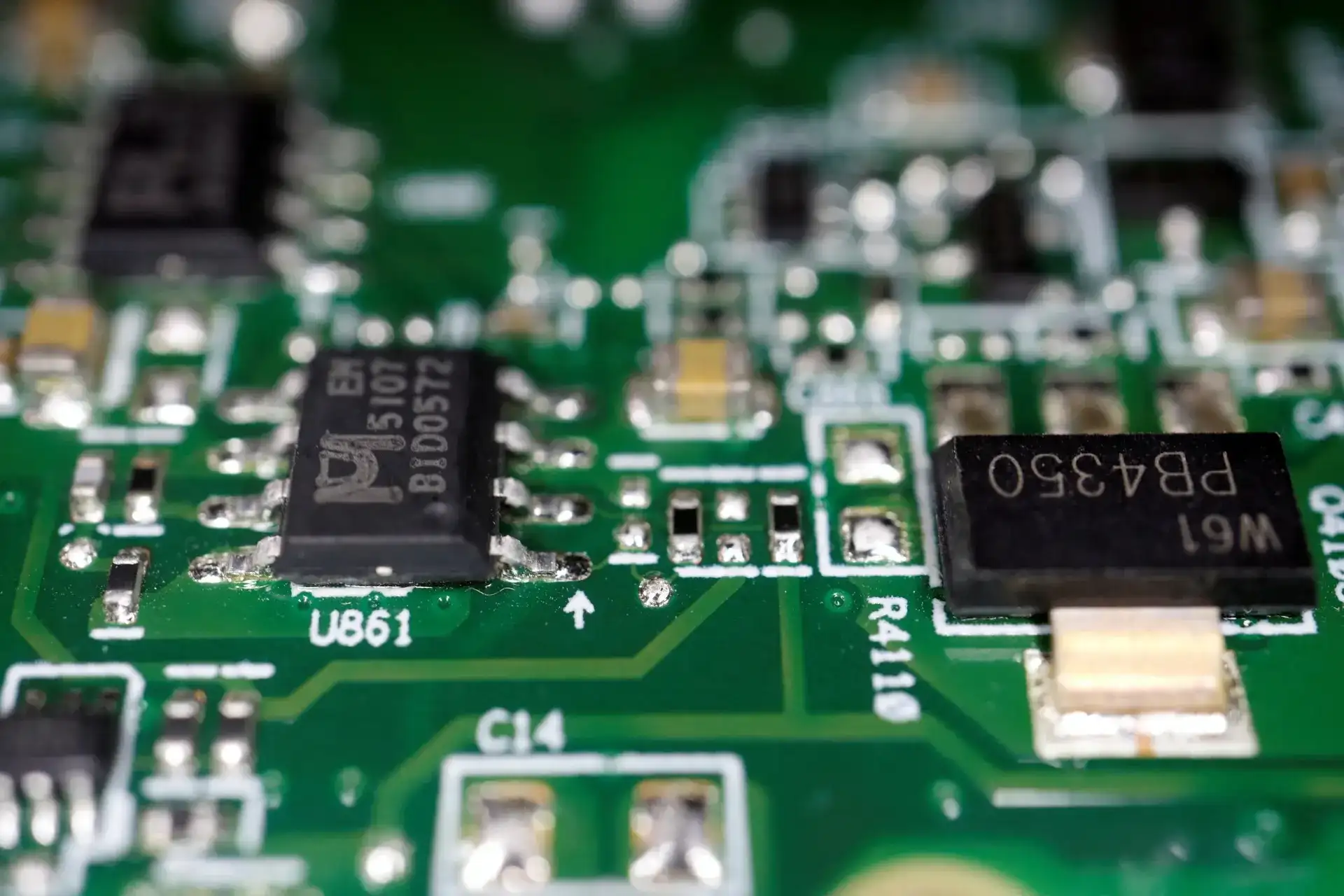
India’s push to become a global semiconductor manufacturing hub is facing an unexpected currency headwind.
Driving the news: A weak rupee is causing what analysts termed a “net double-digit cost overrun” for projects reliant on imported equipment and services, slashing the dollar value of subsidies worth Rs 76,000 crore announced under the India Semiconductor Mission (ISM) 1.0. It was about $10 billion at 2021 rates.
Tell me more: Subsidies are disbursed in rupees against capital expenditure. However, most of the equipment is imported and priced in dollars. As per Fab Economics, at the current exchange rates, the original $10 billion allocation would be worth about $6.1-7.4 billion over the lifecycle of projects when the actual investments are made.
The rupee has fallen from 74-76 per dollar in late 2021 to about 95.7 now.
Why does this matter: Specialised equipment routinely accounts for more than 80% of total project costs and is almost entirely imported. Prices of equipment globally have also risen sharply, further compounding the impact.
Quote, unquote: An executive termed billing in foreign currency as a challenge. “Semiconductors and manufacturing equipment are traded in a highly globalised supply chain where raw materials, IP, and lithography tools are universally priced in US dollars. Being given the subsidy in rupees is an issue for us,” he said.
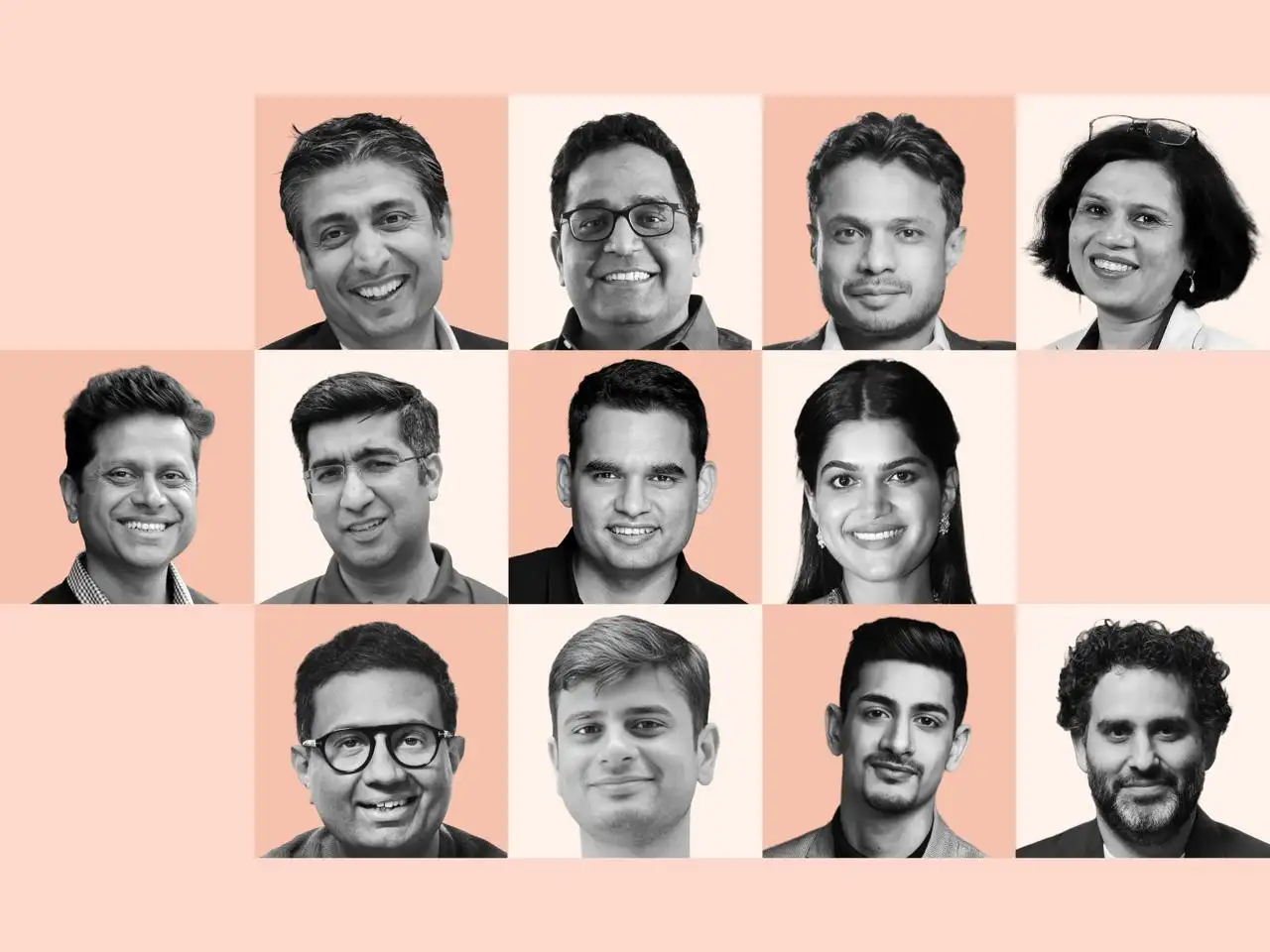
The Economic Times Startup Awards (ETSA) is back for its 12th edition. We unveiled the high-powered jury led by Wipro executive chairman Rishad Premji on Monday. In the run up to ETSA 2026, we announced the nominees for the Best on Campus and Comeback Kid categories today.
Best on Campus: This award recognises student entrepreneurs for both their ideas and execution. The nominees are:
Comeback Kid: This category celebrates failures and honours founders who have rebuilt or launched a more successful business despite a setback. The nominees are:
On Monday, we revealed nominees for two other categories:
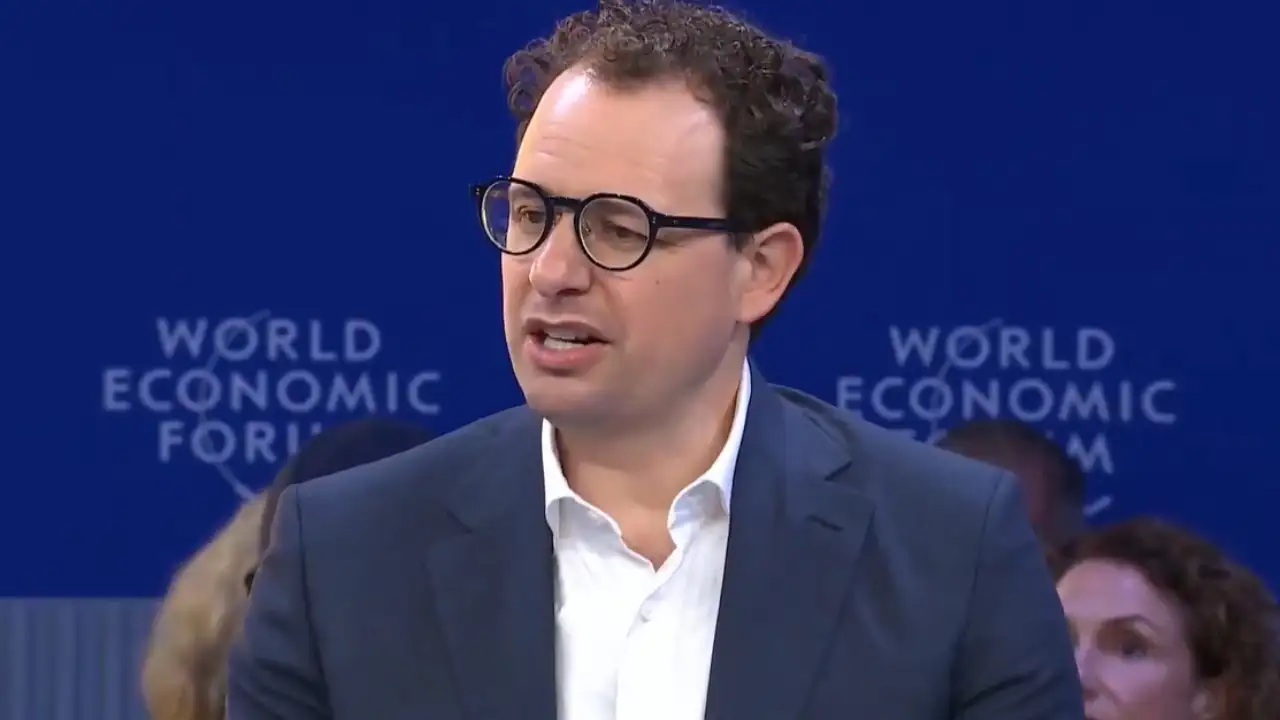
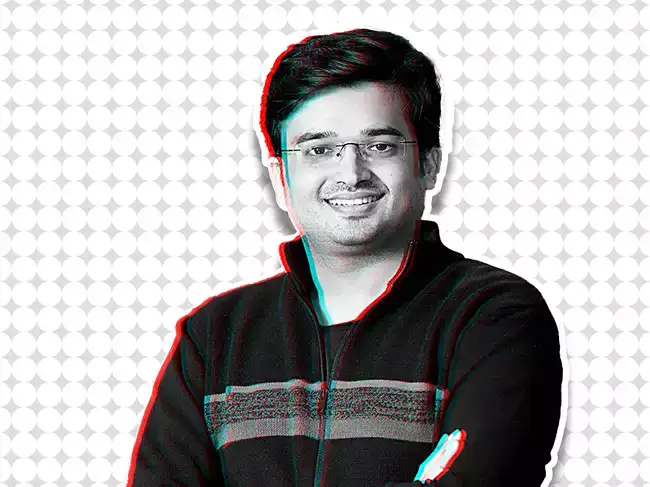 Siddharth Shah, cofounder, PharmEasy
Siddharth Shah, cofounder and vice chairman of API Holdings, parent company of PharmEasy and Thyrocare, said the company’s biggest mistake was not using available capital to repay debt, but chasing growth and secondary share purchases instead.
What happened: Shah’s comments came a day after API became debt free after repaying Rs 1,050 crore. This was financed by selling a 9.9% stake in Thyrocare, reducing its holding in the company to 51.02%.
In a note on LinkedIn, Shah said he felt personally responsible for the debt troubles, despite the decisions being collective, adding that “as the CEO the buck stopped with me and since that day I have continued to feel responsible for all that unfolded.”
Double click: API acquired a controlling stake in Thyrocare for Rs 4,546 crore in 2021. The company’s IPO plans were pushed due to market volatility following the Russian invasion of Ukraine, forcing it to refinance short-term debt with costlier long-term borrowing.
In 2022, API borrowed Rs 2,280 crore from Goldman Sachs at 17-18% annual interest rate to refinance Thyrocare-related debt, later raising capital through a deep-discount rights issue, and selling Thyrocare stake.
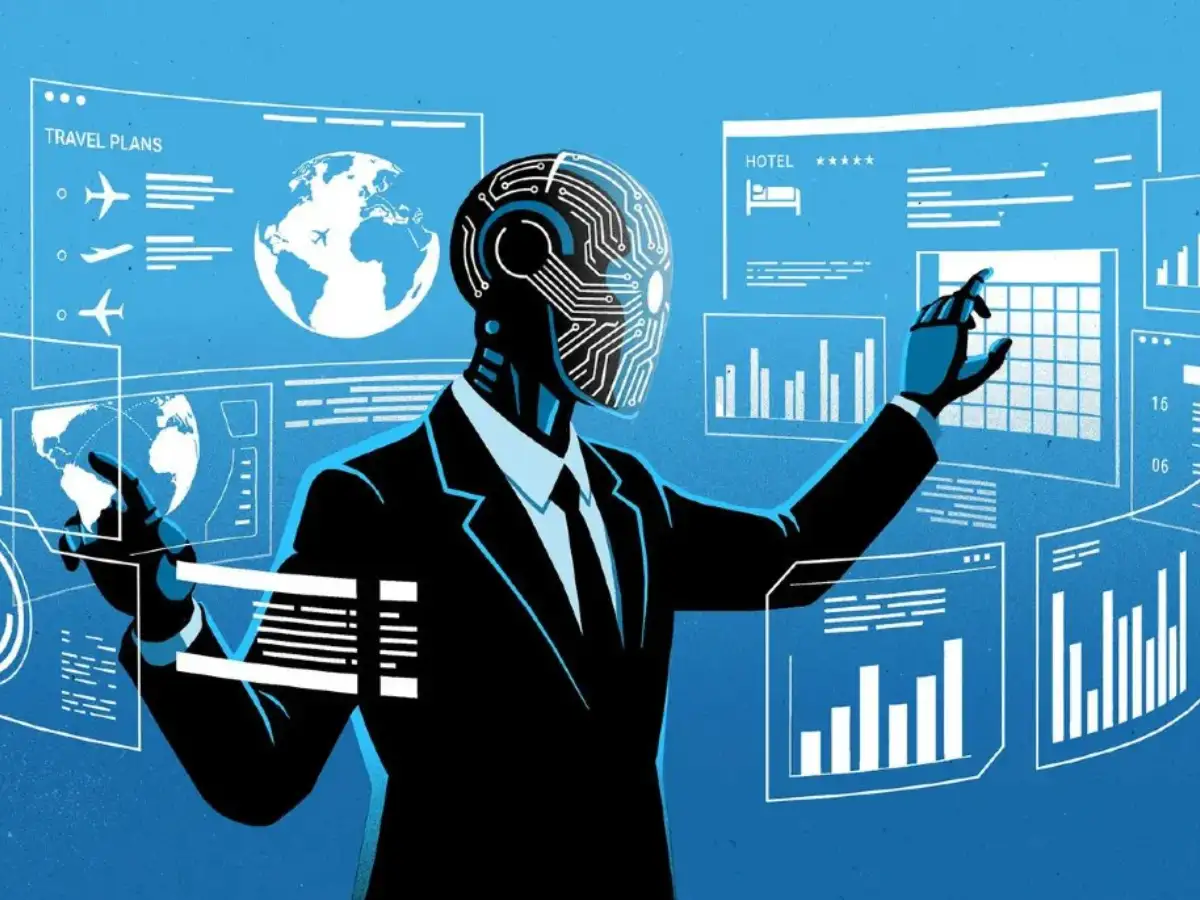
Artificial intelligence (AI) has gained massive traction for product discovery, but end-to-end “agentic” checkout remains a few years away, executives and founders told us.
But why: One of the earliest examples was OpenAI’s Instant Checkout, which launched in September 2025 to let users buy directly within ChatGPT from retailers like Etsy, Walmart, and Shopify. It was scaled back within six months due to low adoption.
Retail executives attributed this to changing customer behaviour and not having built enough trust for consumers to buy from these platforms. There is also lack of clarity on whether retailers would have access to first-party customer data, such as purchase records, contact details, and website use.
Appetite aplenty: There is massive appetite for AI in shopping. And the opportunity lies in product discovery.
 Anthropic CEO Dario Amodei
Claude maker Anthropic's annual revenue run rate topped $65 billion by the end of July, Reuters reported on Monday, underscoring the company’s rapid growth ahead of a potential public listing.
What this means: Revenue run rate is a metric that projects annual performance by extrapolating current sales levels. For Anthropic, this figure was around $47 billion in May, and just about $9 billion at the end of 2025.
Background:
Also in the letter:
■ PharmEasy founder on debt issue
■ Agentic shopping not a reality yet
■ Anthropic revenue run rate jumps
Rupee slide chips away at India Semiconductor Mission outlay
India’s push to become a global semiconductor manufacturing hub is facing an unexpected currency headwind.
Driving the news: A weak rupee is causing what analysts termed a “net double-digit cost overrun” for projects reliant on imported equipment and services, slashing the dollar value of subsidies worth Rs 76,000 crore announced under the India Semiconductor Mission (ISM) 1.0. It was about $10 billion at 2021 rates.
Tell me more: Subsidies are disbursed in rupees against capital expenditure. However, most of the equipment is imported and priced in dollars. As per Fab Economics, at the current exchange rates, the original $10 billion allocation would be worth about $6.1-7.4 billion over the lifecycle of projects when the actual investments are made.
The rupee has fallen from 74-76 per dollar in late 2021 to about 95.7 now.
Why does this matter: Specialised equipment routinely accounts for more than 80% of total project costs and is almost entirely imported. Prices of equipment globally have also risen sharply, further compounding the impact.
Quote, unquote: An executive termed billing in foreign currency as a challenge. “Semiconductors and manufacturing equipment are traded in a highly globalised supply chain where raw materials, IP, and lithography tools are universally priced in US dollars. Being given the subsidy in rupees is an issue for us,” he said.
The ET Startup Awards 2026: Nominees for Best on Campus and Comeback Kid
The Economic Times Startup Awards (ETSA) is back for its 12th edition. We unveiled the high-powered jury led by Wipro executive chairman Rishad Premji on Monday. In the run up to ETSA 2026, we announced the nominees for the Best on Campus and Comeback Kid categories today.
Best on Campus: This award recognises student entrepreneurs for both their ideas and execution. The nominees are:
- Qosmic
- Armatrix
- Panoculon Labs
- Dream Aerospace
- Plenome Technologies
Comeback Kid: This category celebrates failures and honours founders who have rebuilt or launched a more successful business despite a setback. The nominees are:
- Shreya Mishra, Neeraj Jain, Nikhil Nahar (SolarSquare)
- Abhishek Bansal, Vaibhav Khandelwal, Praharsh Chandra, Gaurav Jaithlia (Shadowfax)
- Anil Goteti (Scapia)
- Mukund Jha (Emergent)
- Ranjeet Pratap Singh, Sankaranarayanan Devarajan and Sahradayi Modi (Pratilipi)
On Monday, we revealed nominees for two other categories:
PharmEasy founder says failure to deleverage was key reason for debt saga
Siddharth Shah, cofounder and vice chairman of API Holdings, parent company of PharmEasy and Thyrocare, said the company’s biggest mistake was not using available capital to repay debt, but chasing growth and secondary share purchases instead.
What happened: Shah’s comments came a day after API became debt free after repaying Rs 1,050 crore. This was financed by selling a 9.9% stake in Thyrocare, reducing its holding in the company to 51.02%.
In a note on LinkedIn, Shah said he felt personally responsible for the debt troubles, despite the decisions being collective, adding that “as the CEO the buck stopped with me and since that day I have continued to feel responsible for all that unfolded.”
Double click: API acquired a controlling stake in Thyrocare for Rs 4,546 crore in 2021. The company’s IPO plans were pushed due to market volatility following the Russian invasion of Ukraine, forcing it to refinance short-term debt with costlier long-term borrowing.
In 2022, API borrowed Rs 2,280 crore from Goldman Sachs at 17-18% annual interest rate to refinance Thyrocare-related debt, later raising capital through a deep-discount rights issue, and selling Thyrocare stake.
High tech, low trust: Agentic AI meets old-school scepticism at checkout
Artificial intelligence (AI) has gained massive traction for product discovery, but end-to-end “agentic” checkout remains a few years away, executives and founders told us.
But why: One of the earliest examples was OpenAI’s Instant Checkout, which launched in September 2025 to let users buy directly within ChatGPT from retailers like Etsy, Walmart, and Shopify. It was scaled back within six months due to low adoption.
Retail executives attributed this to changing customer behaviour and not having built enough trust for consumers to buy from these platforms. There is also lack of clarity on whether retailers would have access to first-party customer data, such as purchase records, contact details, and website use.
Appetite aplenty: There is massive appetite for AI in shopping. And the opportunity lies in product discovery.
- In India, Google’s AI shopping mode now covers over 60 billion product listings, with 87% of users reporting more confident decisions.
- Flipkart, Meesho, and others have launched conversational and behavioural AI platforms.
Anthropic revenue run rate tops $65 billion
Claude maker Anthropic's annual revenue run rate topped $65 billion by the end of July, Reuters reported on Monday, underscoring the company’s rapid growth ahead of a potential public listing.
What this means: Revenue run rate is a metric that projects annual performance by extrapolating current sales levels. For Anthropic, this figure was around $47 billion in May, and just about $9 billion at the end of 2025.
Background:
- Anthropic is projecting 2028 revenues of roughly $190 billion to $200 billion, with its IPO valuation hinging on those forecasts.
- The company has emerged as an AI frontrunner as its Claude coding agent gains traction among developers.
- It was valued at $965 billion in May after raising $65 billion in its series H funding round.
Want this newsletter delivered to your inbox?
I agree to receive newsletters and marketing communications via e-mail