
 Daily Top 5 Daily Top 5 |
India’s chip push draws global interest; Quick comm's ad blitz
Want this newsletter delivered to your inbox?
I agree to receive newsletters and marketing communications via e-mail

Thank you for subscribing to Daily Top 5
We'll soon meet in your inbox.
India’s semiconductor push is gaining global attention as the country looks to build a stronger chip manufacturing ecosystem. This and more in today’s ETtech Top 5.
Also in the letter:
■ Apple Pay coming to India
■ Theranautilus to start human trials
■ Voice AI speech errors
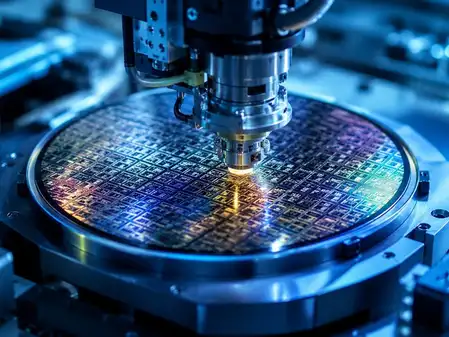
India's semiconductor mission, the second iteration of which was launched recently, is much more comprehensive than many other countries, Infineon Technologies CEO Jochen Hanebeck told us.
India target: A key growth market for Infineon with 1,200 customers, India is expected to make up to €800 million in sales by 2030, with a 30% compounded annual growth rate.
Local push: Hanebeck pointed out that the company has signed memorandums of understanding with CDIL Semiconductors and Kaynes Semicon to advance local chip packaging operations.
Quote, unquote: "Chip design, validation, and software are the biggest areas for India-based R&D. But now Indian teams can independently drive projects and are really capable of doing full product design. The extended workbench concept was a long time ago,” he said.
.jpg "Munich Re Ventures-venture capital-financing round_funding_THUMB IMAGE_ETTECH (1)")
Inox India has received orders worth more than Rs 50 crore for semiconductor-related projects, including supplies to Tata Electronics’ facility in Dholera, Tata’s Assam project, Micron’s facility in the US, and Inox Air Products’ upcoming dry-pure gases plant at Dholera, chief executive Deepak Acharya told us.
Growth trajectory: The country’s leading cryogenic equipment manufacturer expects its semiconductor-related business to contribute 15-20% of revenues over the next three to four years, as India expands its domestic chip manufacturing ecosystem.
By the numbers: Inox India reported revenues of Rs 1,354 crore and Ebitda of Rs 330 crore in FY25. It is targeting revenue growth of around 18-20%, with Ebitda margins in the range of 21-24%.

Quick delivery platforms have hiked festive season advertising rates by 30-35% over last year for brand placements on banners, carousels, mastheads, and interactive widgets even as they expect almost a 100% on-year surge in orders from now to Diwali, executives said.
Brands pay up: Companies are willing to pay the premium despite the steep hike in rates, particularly those seeking traction in tier 2 and 3 markets.
Ad opportunity: Ecommerce platforms in India generate an estimated Rs 20,000-25,000 crore in advertising revenue annually, with festive sales, the Indian Premier League, and other major shopping events accounting for a significant chunk of this.
Sales outlook: During the festive season, quick commerce is projected to grow 110-120% on-year compared to 16-18% for the rest of ecommerce, Redseer Strategy Consultants said in a report.
Quote, unquote: “Quick commerce could account for nearly one-fifth of festive online retail this year, after three successive years of near-doubling in H1 market size. That is a meaningful change in the composition of online spending,” said Kushal Bhatnagar, partner at Redseer.
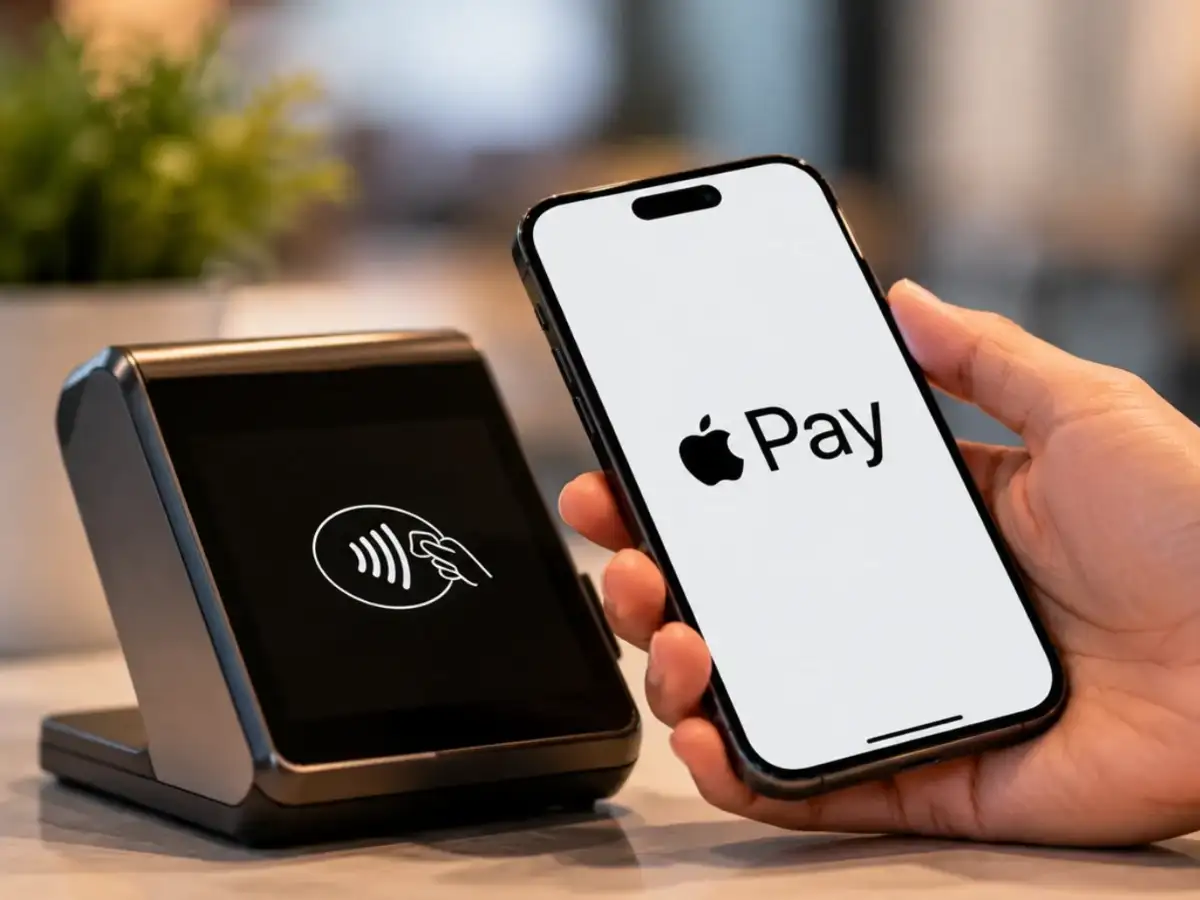
Apple Pay is poised to launch in India next month with Axis Bank credit cards, three sources familiar with the matter said, as it works to expand its presence among the country's lenders.
The plan: The launch, starting with a single major banking partner, would help the US company offer its payment service in the world's most populous country — one of the few major economies where it is not available.
How it works: Apple Pay allows iPhone users to make tap-and-pay purchases using tokenised card details stored in their devices, without opening a separate payments app.
The competition: Payments via the home-grown Unified Payments Interface, which allows transfers via QR codes, phone numbers, and tap-and-pay, dominate the market, accounting for 84% of India's digital payments volume.
.jpg "Theranautilus_ETSA (1)")
Bengaluru-based deeptech startup Theranautilus will begin human trials of its nanorobot-based dental technology in November-December, starting with about 30 patients in the first phase.
The startup won the Top Innovator category at The Economic Times Startup Awards 2026 for developing the technology.
Driving the news: The first phase of trials will be followed by a 300-patient multicentric trial as the company moves toward commercialisation, cofounder and CEO Peddi Shanmukh Srinivas told us.
The human trials will commence after the company secures permission from the Central Drugs Standard Control Organisation (CDSCO). Theranautilus has already conducted trials in mice for its oral-health application.
What the technology does: Theranautilus is developing magnetically controlled nanorobots that can be remotely guided inside the body for targeted drug delivery, diagnostics, and treatment. Its first commercial application focusses on dental care, specifically treating tooth sensitivity caused by enamel loss and gum recession.
Commercialisation: "We are very hopeful that maybe within two years, at least for oral health, the solution should become commercial. Oncology will take time, but we can definitely see commercialisation within the next four to five years," he said.
Srinivas added that nanorobotics is still an emerging field, with research groups across countries working to crack the technology. Theranautilus is at a promising stage of development, he said.

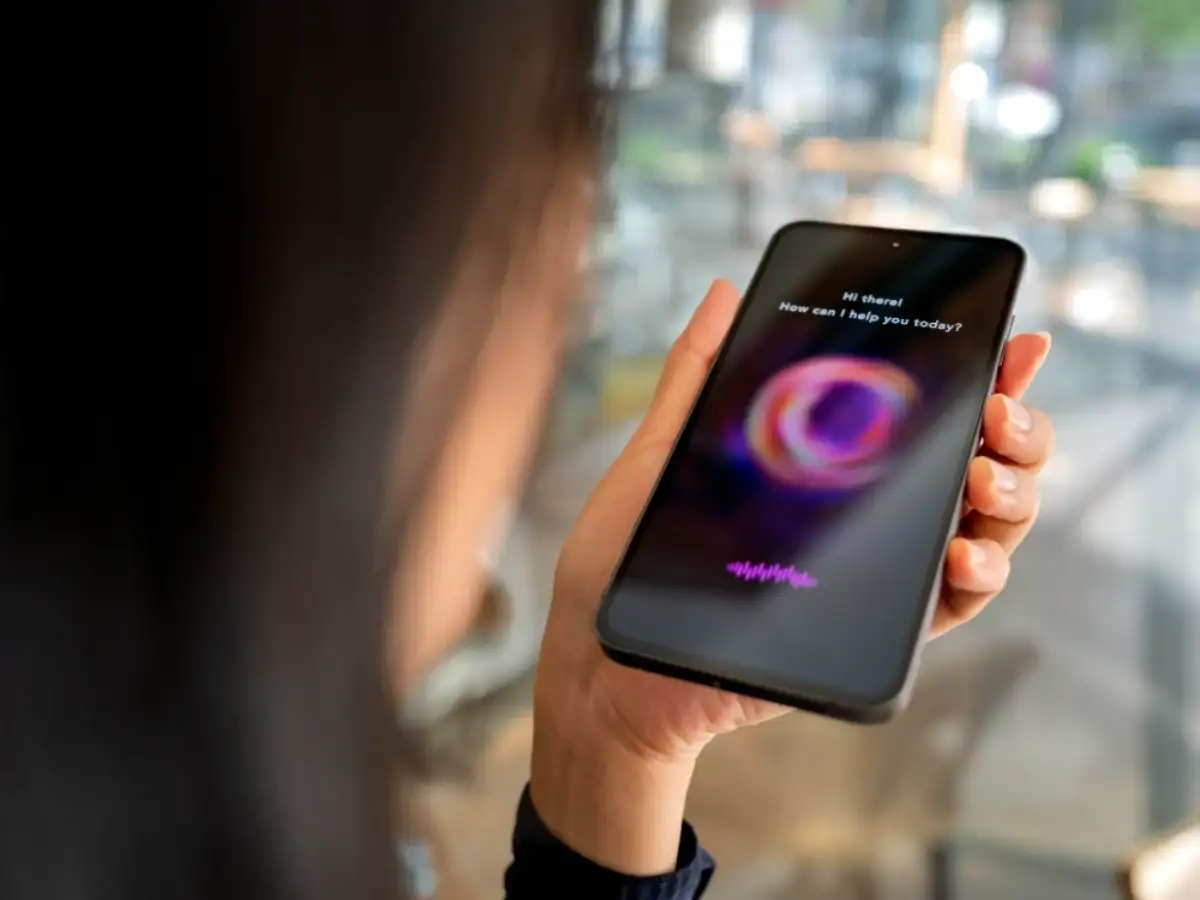
Voice is emerging as a critical interface between humans and robots, but voice AI models still struggle to understand the way people speak in real-world environments, according to a new benchmark report by physical AI research organisation Humyn Labs.
The test: Humyn Labs said it tested 23 voice AI models across 23 languages, including models from ElevenLabs, Google, OpenAI, and Sarvam AI, using more than 200 hours of human-verified, real-world audio. The benchmark covered Indic languages as well as Spanish, Brazilian, Portuguese, and Vietnamese.
What goes wrong:
Also in the letter:
■ Apple Pay coming to India
■ Theranautilus to start human trials
■ Voice AI speech errors
India’s chip mission gets global thumbs-up
India's semiconductor mission, the second iteration of which was launched recently, is much more comprehensive than many other countries, Infineon Technologies CEO Jochen Hanebeck told us.
India target: A key growth market for Infineon with 1,200 customers, India is expected to make up to €800 million in sales by 2030, with a 30% compounded annual growth rate.
Local push: Hanebeck pointed out that the company has signed memorandums of understanding with CDIL Semiconductors and Kaynes Semicon to advance local chip packaging operations.
Quote, unquote: "Chip design, validation, and software are the biggest areas for India-based R&D. But now Indian teams can independently drive projects and are really capable of doing full product design. The extended workbench concept was a long time ago,” he said.
Inox India receives orders worth Rs 50 crore from Tata Electronics, Micron
Inox India has received orders worth more than Rs 50 crore for semiconductor-related projects, including supplies to Tata Electronics’ facility in Dholera, Tata’s Assam project, Micron’s facility in the US, and Inox Air Products’ upcoming dry-pure gases plant at Dholera, chief executive Deepak Acharya told us.
Growth trajectory: The country’s leading cryogenic equipment manufacturer expects its semiconductor-related business to contribute 15-20% of revenues over the next three to four years, as India expands its domestic chip manufacturing ecosystem.
By the numbers: Inox India reported revenues of Rs 1,354 crore and Ebitda of Rs 330 crore in FY25. It is targeting revenue growth of around 18-20%, with Ebitda margins in the range of 21-24%.
Quick delivery platforms expect 2x sales, hike festive ad rates by 35%
Quick delivery platforms have hiked festive season advertising rates by 30-35% over last year for brand placements on banners, carousels, mastheads, and interactive widgets even as they expect almost a 100% on-year surge in orders from now to Diwali, executives said.
Brands pay up: Companies are willing to pay the premium despite the steep hike in rates, particularly those seeking traction in tier 2 and 3 markets.
Ad opportunity: Ecommerce platforms in India generate an estimated Rs 20,000-25,000 crore in advertising revenue annually, with festive sales, the Indian Premier League, and other major shopping events accounting for a significant chunk of this.
Sales outlook: During the festive season, quick commerce is projected to grow 110-120% on-year compared to 16-18% for the rest of ecommerce, Redseer Strategy Consultants said in a report.
Quote, unquote: “Quick commerce could account for nearly one-fifth of festive online retail this year, after three successive years of near-doubling in H1 market size. That is a meaningful change in the composition of online spending,” said Kushal Bhatnagar, partner at Redseer.
Apple Pay set for India launch next month with Axis Bank credit cards: Sources
Apple Pay is poised to launch in India next month with Axis Bank credit cards, three sources familiar with the matter said, as it works to expand its presence among the country's lenders.
The plan: The launch, starting with a single major banking partner, would help the US company offer its payment service in the world's most populous country — one of the few major economies where it is not available.
How it works: Apple Pay allows iPhone users to make tap-and-pay purchases using tokenised card details stored in their devices, without opening a separate payments app.
The competition: Payments via the home-grown Unified Payments Interface, which allows transfers via QR codes, phone numbers, and tap-and-pay, dominate the market, accounting for 84% of India's digital payments volume.
ET Startup Awards 2026: Theranautilus’ nanorobots will be ready for human trials by year-end
Bengaluru-based deeptech startup Theranautilus will begin human trials of its nanorobot-based dental technology in November-December, starting with about 30 patients in the first phase.
The startup won the Top Innovator category at The Economic Times Startup Awards 2026 for developing the technology.
Driving the news: The first phase of trials will be followed by a 300-patient multicentric trial as the company moves toward commercialisation, cofounder and CEO Peddi Shanmukh Srinivas told us.
The human trials will commence after the company secures permission from the Central Drugs Standard Control Organisation (CDSCO). Theranautilus has already conducted trials in mice for its oral-health application.
What the technology does: Theranautilus is developing magnetically controlled nanorobots that can be remotely guided inside the body for targeted drug delivery, diagnostics, and treatment. Its first commercial application focusses on dental care, specifically treating tooth sensitivity caused by enamel loss and gum recession.
Commercialisation: "We are very hopeful that maybe within two years, at least for oral health, the solution should become commercial. Oncology will take time, but we can definitely see commercialisation within the next four to five years," he said.
Srinivas added that nanorobotics is still an emerging field, with research groups across countries working to crack the technology. Theranautilus is at a promising stage of development, he said.
Voice AI models struggle to understand speech, creating challenges for robot training: Humyn Labs
Voice is emerging as a critical interface between humans and robots, but voice AI models still struggle to understand the way people speak in real-world environments, according to a new benchmark report by physical AI research organisation Humyn Labs.
The test: Humyn Labs said it tested 23 voice AI models across 23 languages, including models from ElevenLabs, Google, OpenAI, and Sarvam AI, using more than 200 hours of human-verified, real-world audio. The benchmark covered Indic languages as well as Spanish, Brazilian, Portuguese, and Vietnamese.
What goes wrong:
- Long pauses: Error rates rose from 12.4% to 18.8% when gaps in Brazilian Portuguese conversations exceeded 150 seconds.
- Overlapping speech: Average error rates increased from 41.2% to 45.2% when speakers talked over each other.
- Dialect gap: Bengali error rates rose from 42.4% in standard speech to 51% in a regional dialect outside Kolkata.
- Across languages: Argentinian Spanish had a 7.85% error rate, versus 16.04% for Venezuelan Spanish.
Want this newsletter delivered to your inbox?
I agree to receive newsletters and marketing communications via e-mail