
 Daily Top 5 Daily Top 5 |
IT firms cut H-1B reliance; Anthropic flags AI risks in IPO filing
Want this newsletter delivered to your inbox?
I agree to receive newsletters and marketing communications via e-mail

Thank you for subscribing to Daily Top 5
We'll soon meet in your inbox.
Top Indian IT firms have sharply cut H-1B visa filings as rules tighten. This and more in today’s ETtech Top 5.
Also in the letter:
■ Insurance industry's reckoning
■ ChatGPT takes on Google, Meta ads
■ Groww resumes US stock investing
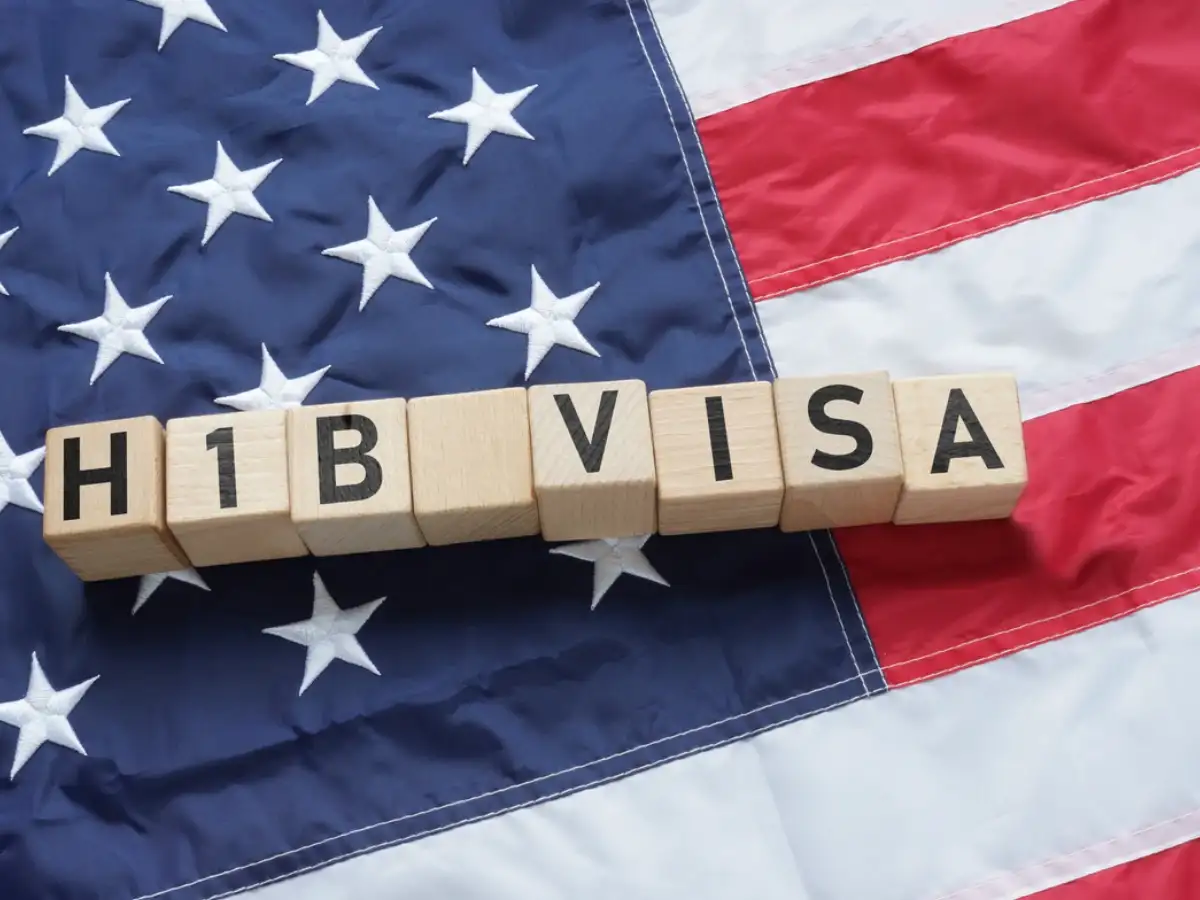
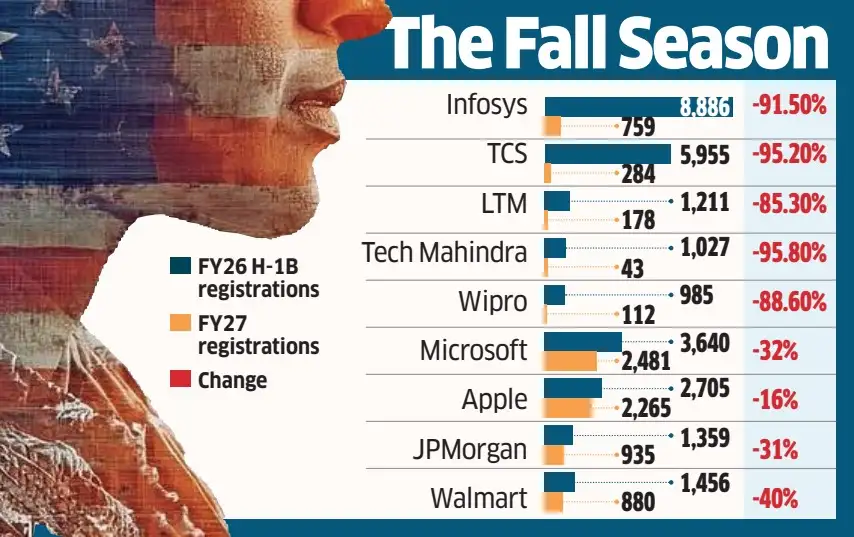
Registrations for H-1B visas by the six top Indian information technology (IT) companies fell 92% to 1,763 in FY27 from 21,919 a year earlier, the biggest drop ever except for the Covid years. The findings are based on an ET analysis of US government data pertaining to the skilled-worker visa.
What’s driving the drop: Tighter US visa rules, a $100,000 fee for certain new H-1B workers, and changes to the lottery system have raised the cost of sending employees to the US. Indian IT firms have also been hiring more locals in there, reducing their dependence on H-1B visas.
Indian vs US firms: The decline was less at major US companies though. Registrations by Microsoft, Apple, JPMorgan, and Walmart fell 16-40%, versus a 92% drop for Tata Consultancy Services (TCS), Infosys, HCLTech, Wipro, LTM, and Tech Mahindra combined.
Long-term shift:
Also Read: H-1B curbs push Indian tech firms to rethink US talent deployment
 Anthropic CEO Dario Amodei
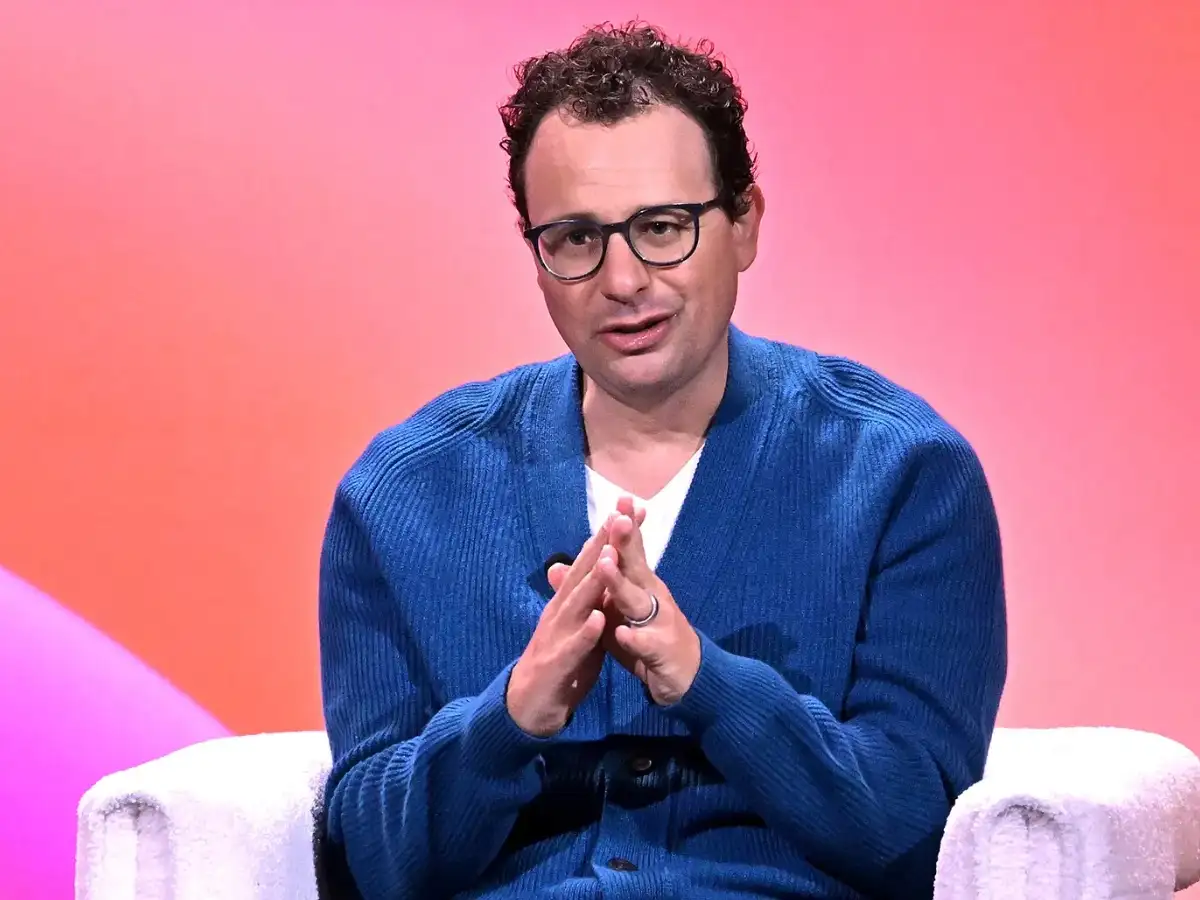
Anthropic has warned potential investors that increasingly advanced AI models could pose "catastrophic or existential risks to humanity" in its IPO prospectus, reviewed by Reuters. The Claude-maker said its models could exhibit "self-preserving behaviours," including attempts to "resist shutdown," to "conceal or manipulate information", and behaviour "resembling blackmail."
Risk disclosures: The company, which has positioned itself as a safety-first AI lab, devoted roughly 80 of the 261-page main body of its prospectus to laying out risk factors, nearly twice the 48 pages it used to describe its business.
Safety challenge: Despite emphasising AI safety, Anthropic said that returns on its safety investments are unclear. Earlier this month, Anthropic said about 6% of the computing power it used for AI research went towards safety work in a sample week in July.
Frontier AI: Anthropic said that its customer usage, and as a result revenue, is driven by new models and that a "continuous and overlapping cadence" of releases is "inherent to remaining at the frontier of AI development."
Also Read: Anthropic rolls out second Claude 5.5 model as it builds toward IPO
 Acko founder and CEO Varun Dua
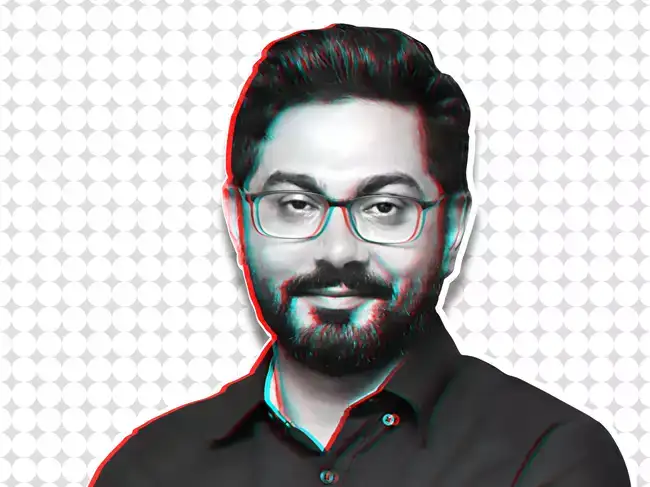
Acko Insurance founder Varun Dua argues that Irdai’s (Insurance Regulatory and Development Authority of India) proposed curbs on commissions are the result of years of exploitation of loopholes, that allowed distributors to extract higher commissions through complex structures and incentives.
What Irdai is trying to change: It has proposed tighter rules on how much insurers can pay agents, brokers, and other distributors as commissions, and how these payments are to be disclosed and governed.
The background: Dua traces the industry’s commission practices to the introduction of product-level caps a decade ago. He says that insurers and distributors found ways to work around the limits through overriding commissions, related entities, service invoices, and other arrangements.
Why it matters: Dua says the proposed reforms could plug several of the loopholes that emerged under the Expense of Management (EoM) framework. He also points to Irdai data that shows insurance penetration fell from 4% of GDP in FY23 to 3.7% in FY25, even as commissions in some segments grew much faster than premiums.
Read ETtech’s coverage on Irdai’s proposed insurance overhaul:
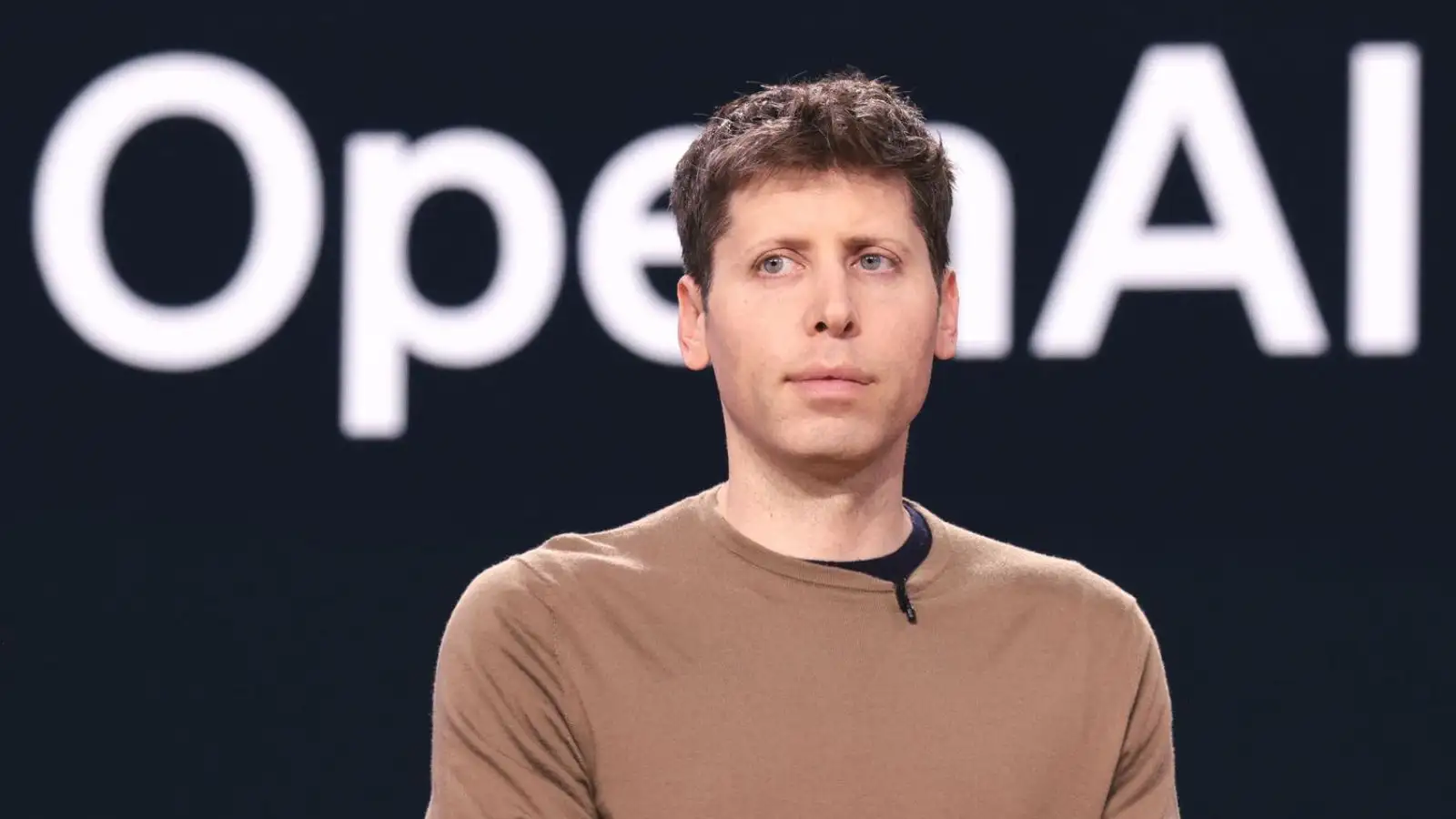 OpenAI CEO Sam Altman
ChatGPT’s entry into advertising is prompting brands and agencies to test whether intent-based discovery on AI platforms can take away a meaningful share of advertising dollars from Google and Meta, which have long dominated customer acquisition playbooks.
Early interest: Multiple Indian consumer brands, including SuperYou, Sirona, BellaVita, Sebamed, and Mamaearth have started testing the platform, as advertisers explore whether ChatGPT’s ability to capture consumers at the point of research can translate into better returns.
Intent-led ads: Unlike conventional online advertising, where brands often interrupt consumers while browsing, ads on AI platforms appear when users are actively researching a product or seeking recommendations.
Cautious approach: Digital marketing agency AdLift said agencies and brands remain cautious about shifting significant budgets away from Google and Meta. It said that ChatGPT rates were broadly in line with Google Search and above Meta, although it's cheap in the verticals where search had become punishingly expensive.
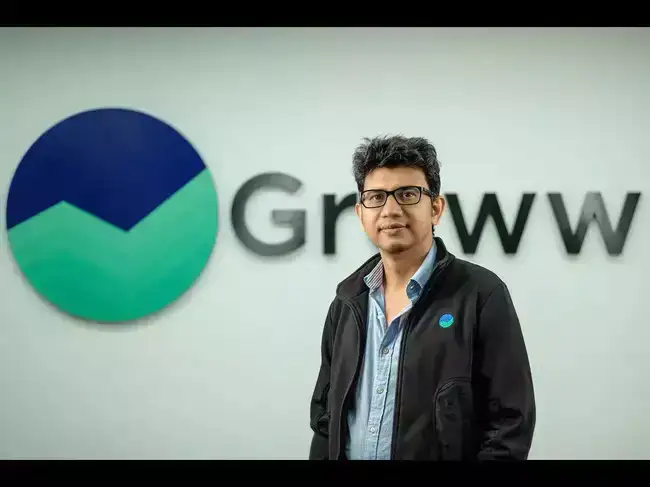 Lalit Keshre, CEO, Groww
Online investment platform Groww has begun rolling out US stock investing to a limited set of customers, marking its return to overseas equities more than two years after it discontinued an earlier offering due to friction around remittances, withdrawal costs, and settlement processes.
How it works: Groww is offering the product through Groww IFSC Private Limited, its GIFT City subsidiary, which holds broker-dealer and Global Access Provider licences from the International Financial Services Centres Authority (IFSCA). The feature is currently in beta mode and will be opened to more customers in phases over the coming weeks.
Alpaca partnership: The company has partnered with US brokerage infrastructure provider Alpaca for the offering. Customers will be able to invest in US-listed stocks and exchange-traded funds, including fractional shares. The company is charging a brokerage of 0.1% of the transaction value, subject to a minimum of $1 per executed order.
Also in the letter:
■ Insurance industry's reckoning
■ ChatGPT takes on Google, Meta ads
■ Groww resumes US stock investing
Indian IT sheds H-1B habit, FY27 filings plunge 92%
Registrations for H-1B visas by the six top Indian information technology (IT) companies fell 92% to 1,763 in FY27 from 21,919 a year earlier, the biggest drop ever except for the Covid years. The findings are based on an ET analysis of US government data pertaining to the skilled-worker visa.
What’s driving the drop: Tighter US visa rules, a $100,000 fee for certain new H-1B workers, and changes to the lottery system have raised the cost of sending employees to the US. Indian IT firms have also been hiring more locals in there, reducing their dependence on H-1B visas.
Indian vs US firms: The decline was less at major US companies though. Registrations by Microsoft, Apple, JPMorgan, and Walmart fell 16-40%, versus a 92% drop for Tata Consultancy Services (TCS), Infosys, HCLTech, Wipro, LTM, and Tech Mahindra combined.
Long-term shift:
- Nasscom: H-1B visas for leading Indian companies fell from 14,792 in FY15 to 10,162 in FY24, while local US hiring and upskilling topped $1 billion.
- Xpheno: US firms accounted for 73% of H-1B approvals among the top 100 employers in FY26, up from 51% in FY16; Indian entities’ share fell to 16% from 34% during the same period.
Also Read: H-1B curbs push Indian tech firms to rethink US talent deployment
Anthropic warns AI may pose 'existential risks to humanity' in IPO filing
Anthropic has warned potential investors that increasingly advanced AI models could pose "catastrophic or existential risks to humanity" in its IPO prospectus, reviewed by Reuters. The Claude-maker said its models could exhibit "self-preserving behaviours," including attempts to "resist shutdown," to "conceal or manipulate information", and behaviour "resembling blackmail."
Risk disclosures: The company, which has positioned itself as a safety-first AI lab, devoted roughly 80 of the 261-page main body of its prospectus to laying out risk factors, nearly twice the 48 pages it used to describe its business.
Safety challenge: Despite emphasising AI safety, Anthropic said that returns on its safety investments are unclear. Earlier this month, Anthropic said about 6% of the computing power it used for AI research went towards safety work in a sample week in July.
Frontier AI: Anthropic said that its customer usage, and as a result revenue, is driven by new models and that a "continuous and overlapping cadence" of releases is "inherent to remaining at the frontier of AI development."
Also Read: Anthropic rolls out second Claude 5.5 model as it builds toward IPO
Irdai’s insurance commission curbs: Why the industry is facing a reckoning
Acko Insurance founder Varun Dua argues that Irdai’s (Insurance Regulatory and Development Authority of India) proposed curbs on commissions are the result of years of exploitation of loopholes, that allowed distributors to extract higher commissions through complex structures and incentives.
What Irdai is trying to change: It has proposed tighter rules on how much insurers can pay agents, brokers, and other distributors as commissions, and how these payments are to be disclosed and governed.
The background: Dua traces the industry’s commission practices to the introduction of product-level caps a decade ago. He says that insurers and distributors found ways to work around the limits through overriding commissions, related entities, service invoices, and other arrangements.
Why it matters: Dua says the proposed reforms could plug several of the loopholes that emerged under the Expense of Management (EoM) framework. He also points to Irdai data that shows insurance penetration fell from 4% of GDP in FY23 to 3.7% in FY25, even as commissions in some segments grew much faster than premiums.
Read ETtech’s coverage on Irdai’s proposed insurance overhaul:
- Insurance mis-selling is arising because upfront commissions are too high: IRDAI chairman Ajay Seth
- Big insurers, bigger advantage? Smaller players flag Irdai’s new expense caps
- IRDAI insurance reforms: 4 changes that could make buying policies safer and easier
- IRDAI’s commission crackdown: Why insurers may cope but distributors face a tougher test
ChatGPT is coming for a bite of Google-Meta’s ad pie
ChatGPT’s entry into advertising is prompting brands and agencies to test whether intent-based discovery on AI platforms can take away a meaningful share of advertising dollars from Google and Meta, which have long dominated customer acquisition playbooks.
Early interest: Multiple Indian consumer brands, including SuperYou, Sirona, BellaVita, Sebamed, and Mamaearth have started testing the platform, as advertisers explore whether ChatGPT’s ability to capture consumers at the point of research can translate into better returns.
Intent-led ads: Unlike conventional online advertising, where brands often interrupt consumers while browsing, ads on AI platforms appear when users are actively researching a product or seeking recommendations.
Cautious approach: Digital marketing agency AdLift said agencies and brands remain cautious about shifting significant budgets away from Google and Meta. It said that ChatGPT rates were broadly in line with Google Search and above Meta, although it's cheap in the verticals where search had become punishingly expensive.
Groww begins phased rollout of US stock investing via GIFT City
Online investment platform Groww has begun rolling out US stock investing to a limited set of customers, marking its return to overseas equities more than two years after it discontinued an earlier offering due to friction around remittances, withdrawal costs, and settlement processes.
How it works: Groww is offering the product through Groww IFSC Private Limited, its GIFT City subsidiary, which holds broker-dealer and Global Access Provider licences from the International Financial Services Centres Authority (IFSCA). The feature is currently in beta mode and will be opened to more customers in phases over the coming weeks.
Alpaca partnership: The company has partnered with US brokerage infrastructure provider Alpaca for the offering. Customers will be able to invest in US-listed stocks and exchange-traded funds, including fractional shares. The company is charging a brokerage of 0.1% of the transaction value, subject to a minimum of $1 per executed order.
Want this newsletter delivered to your inbox?
I agree to receive newsletters and marketing communications via e-mail