
 Daily Top 5 Daily Top 5 |
GST relief on cards for ecomm sellers; AceVector's weak debut
Want this newsletter delivered to your inbox?
I agree to receive newsletters and marketing communications via e-mail

Thank you for subscribing to Daily Top 5
We'll soon meet in your inbox.
The GST Council is expected to consider easing compliance for small ecommerce sellers. This and more in today’s ETtech Top 5.
Also in the letter:
■ Claude inference comes to India
■ Match Group CEO on AI
■ Razorpay-OpenAI ad tie-up
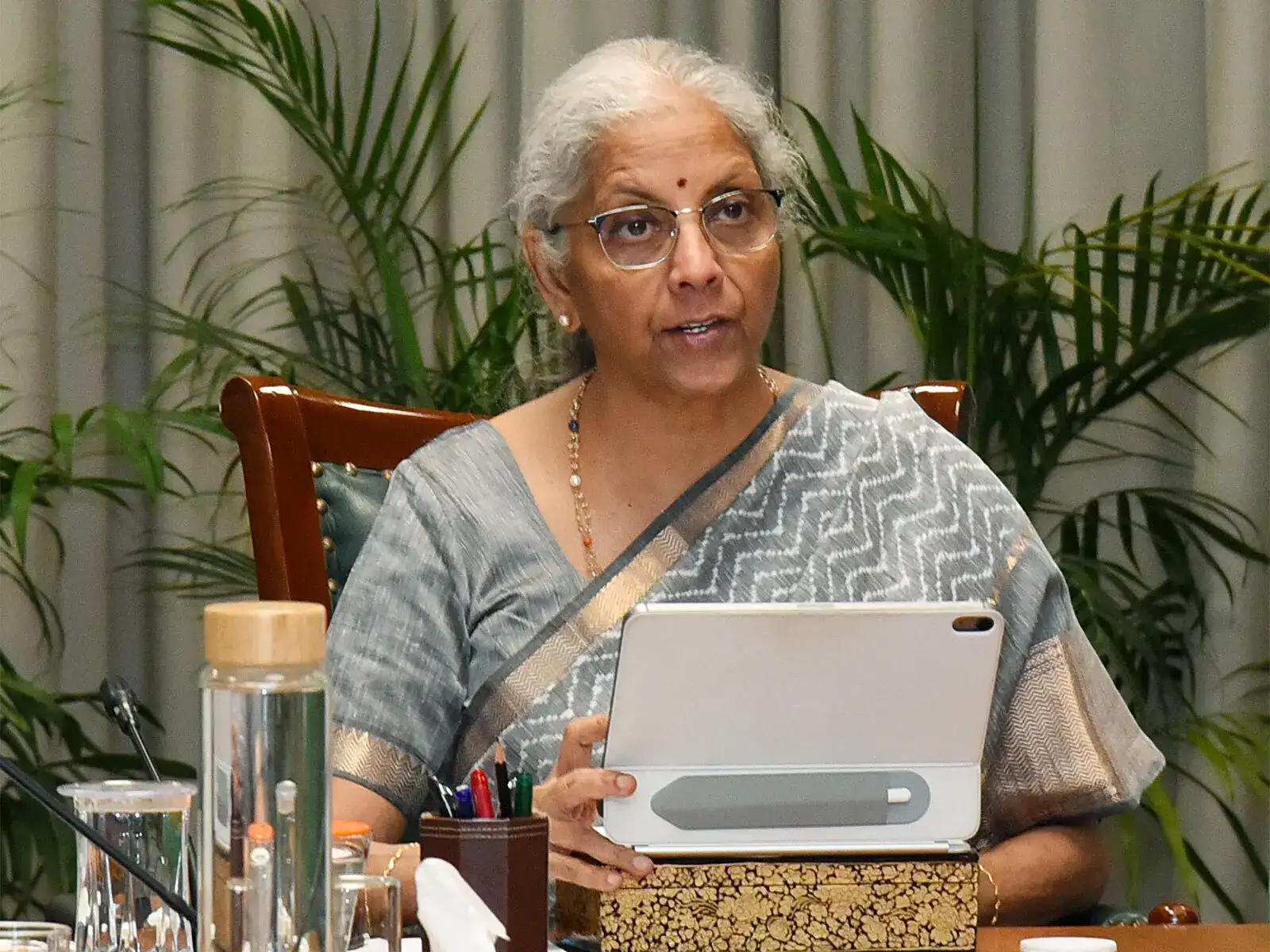 Finance Minister Nirmala Sitharaman
The GST (goods and services tax) Council at its Wednesday meeting would consider a proposal to allow small sellers on ecommerce platforms to sell nationwide with a single registered address, people familiar with the proposals to be considered at the meeting said.
Why it matters: If approved, this would benefit hundreds of thousands of sellers who, under existing GST rules, must have a registered place of business in every state where they sell.
Single registration: Small sellers would be able to use an ecommerce platform's warehouses as their place of business in states where they do not have their own premises, the people said. They would need a physical presence in only one state, where the physical verification of the address and Aadhaar authentication will take place.
Platform responsibility: Ecommerce platforms would be required to nominate a person responsible for providing information about the sellers, share verified seller data, and report any changes such as the addition or removal of a seller, or alterations of their particulars.
Scale: Per available data, around 1.05 million sellers supply goods through ecommerce platforms.
Also Read: GST 2.0: Council to consider sweeping reforms to unlock tax credit, ease compliance
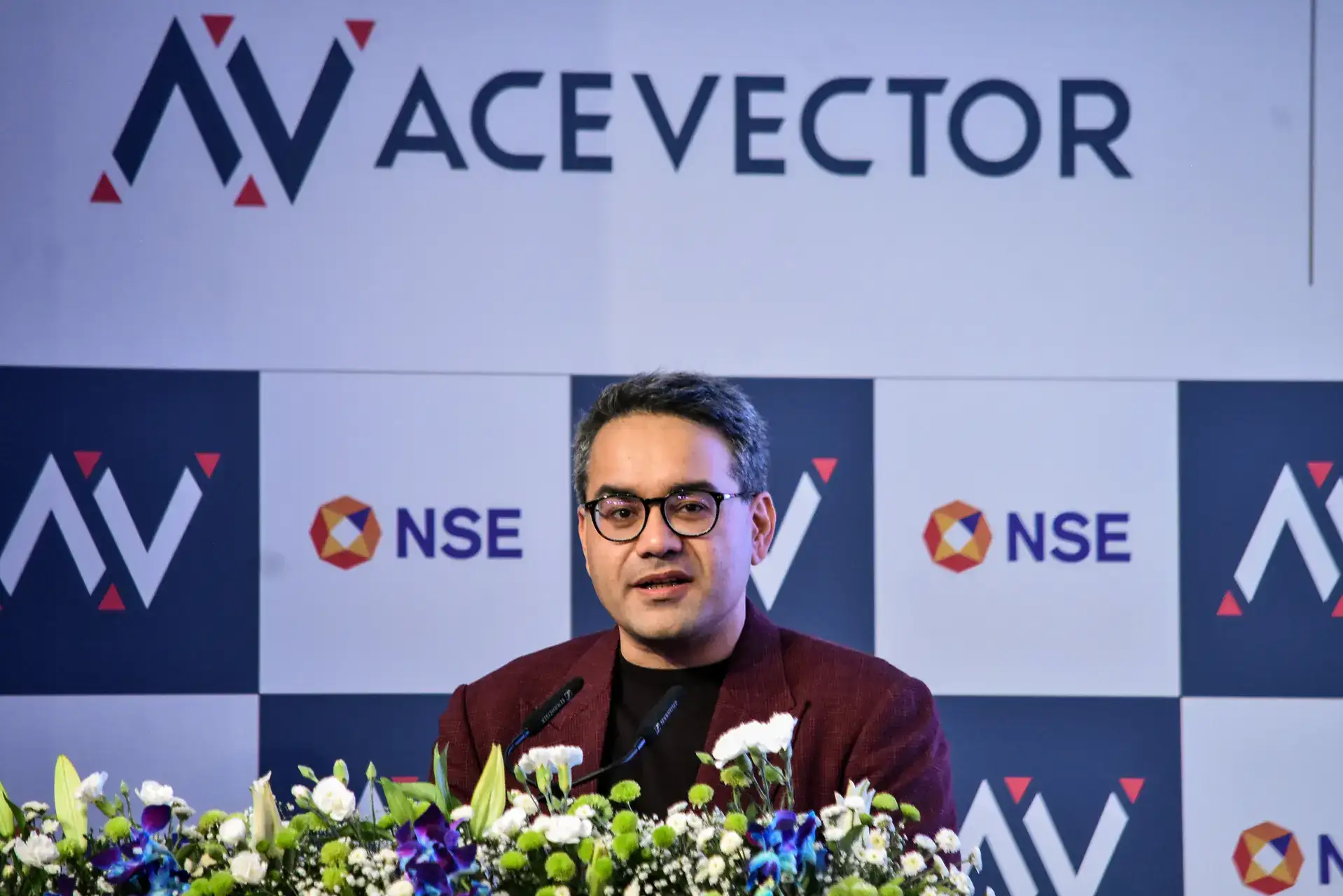 AceVector cofounder Kunal Bahl
Shares of AceVector, the parent company of Snapdeal, made a weak debut on Monday, listing at a discount of nearly 12% to the issue price.
Listing:
Fund use: The company plans to utilise Rs 132 crore of the net IPO proceeds to fund a portion of the marketing and business promotion expenses of its marketplace business (Snapdeal). Another Rs 50 crore will be used towards technology infrastructure costs for the same.
Financials: Acevector’s income increased 32%, from Rs 407 crore in FY25 to Rs 538 crore in FY26. Meanwhile, the company narrowed its net loss significantly to Rs 45 crore in FY26, from Rs 126 crore in FY25.
 Anthropic CEO Dario Amodei
Artificial intelligence (AI) startup Anthropic has begun processing requests sent to its Claude AI models within India through Amazon Web Services’ (AWS) Bedrock platform, responding to repeated requests from Indian organisations.
The demand: Financial institutions, government bodies, and large enterprises have sought local inference because of regulatory and data-handling requirements, Anthropic said.
India market: India accounted for 5.8% of Claude AI usage worldwide in November 2025, making it the company’s second-largest market after the US. The company opened its Bengaluru office in February and said it will continue expanding its India team and investing in local partnerships.
Rivals: OpenAI and Google have also been expanding AI processing capabilities in India. OpenAI enabled local inferencing through Amazon Bedrock in August, while Google has enabled certain enterprise and public-sector customers to run Gemini through infrastructure that keeps AI workloads within Indian data centres.
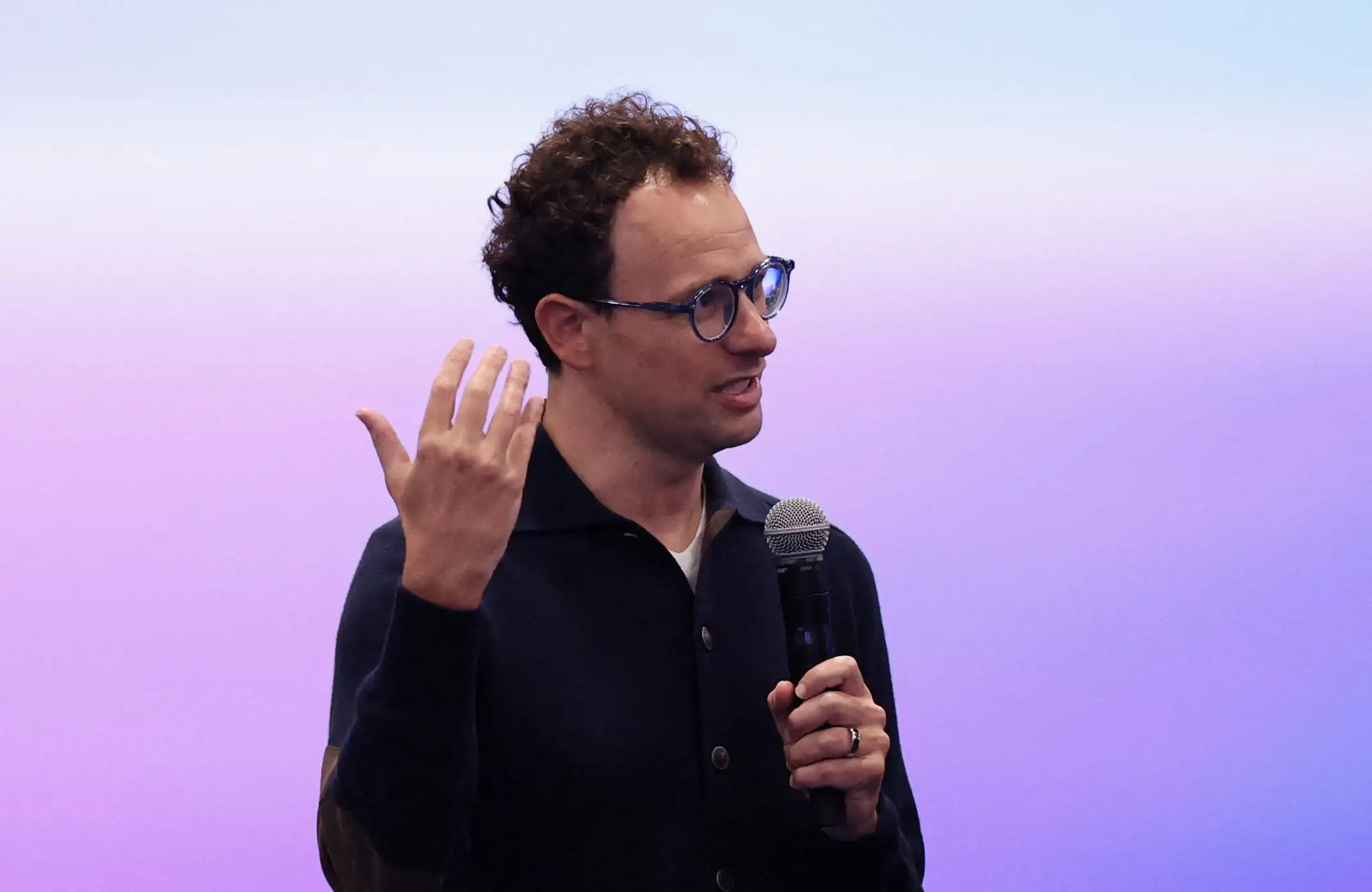
 Match Group CEO Spencer Rascoff
AI should bring people closer, not stand between them, Spencer Rascoff, chief executive officer of the Match Group, the Nasdaq-listed, $3.5-billion parent of Tinder, Hinge, Match, and OkCupid, told ET in an exclusive interview.
Verbatim: "Humans need humans now more than ever," Rascoff said, as dating apps grapple with swipe fatigue and the rise of AI companions.
India bet: Hinge alone had more than 1 million monthly active users in India in 2025. But the country contributes far less revenue relative to its scale. Rascoff said Match Group needs to take responsibility for closing that gap.
Building trust: Trust plays a major part in that. "Trust and safety is incredibly important in India," he noted. "If we can make dating apps credibly safer than going to a bar or restaurant and meeting somebody, that's a massive opportunity."
Safety first:
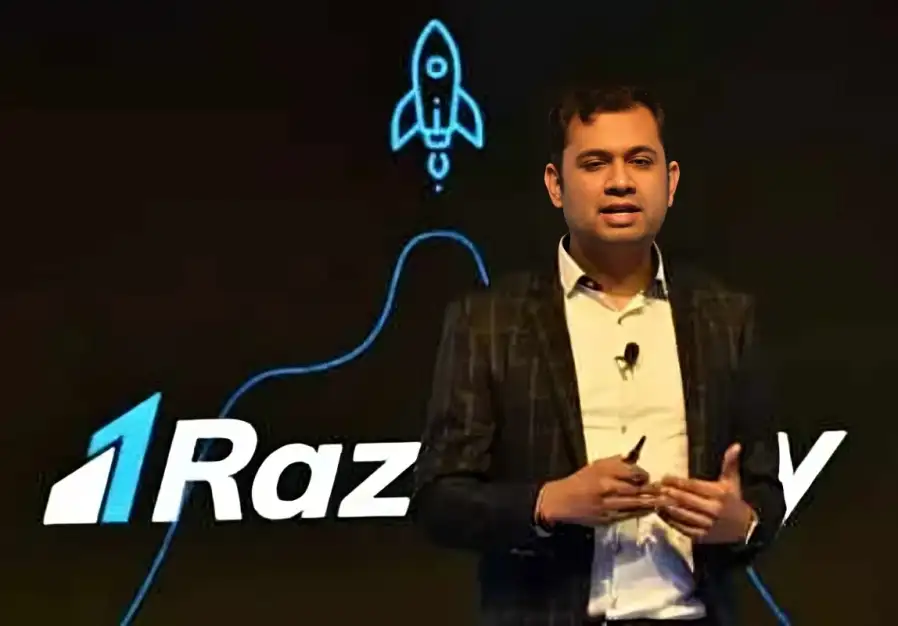 Harshil Mathur, CEO and cofounder, Razorpay
Payments company Razorpay, which is gearing up for a public listing, has partnered with OpenAI to help Indian businesses advertise on ChatGPT.
What Razorpay will do: Under the partnership, Razorpay Engage, the company's customer engagement and marketing platform, will help brands prepare product catalogues, structure feeds, launch campaigns, and track their performance on ChatGPT Ads.
Brands on board: Tanishq, Fastrack, Traya, Tata Neu, Palmonas, Shaadi.com, Axis Max Life, and Narsee Monjee Institute of Management Studies (NMIMS) are among the early participants in the advertising initiative.
AI-led campaigns: Razorpay Engage will also use an artificial intelligence (AI) agent to manage campaigns and make adjustments based on performance, with human oversight from the company’s team.
Also in the letter:
■ Claude inference comes to India
■ Match Group CEO on AI
■ Razorpay-OpenAI ad tie-up
Ease of business: Relief in store for small ecommerce sellers
The GST (goods and services tax) Council at its Wednesday meeting would consider a proposal to allow small sellers on ecommerce platforms to sell nationwide with a single registered address, people familiar with the proposals to be considered at the meeting said.
Why it matters: If approved, this would benefit hundreds of thousands of sellers who, under existing GST rules, must have a registered place of business in every state where they sell.
Single registration: Small sellers would be able to use an ecommerce platform's warehouses as their place of business in states where they do not have their own premises, the people said. They would need a physical presence in only one state, where the physical verification of the address and Aadhaar authentication will take place.
Platform responsibility: Ecommerce platforms would be required to nominate a person responsible for providing information about the sellers, share verified seller data, and report any changes such as the addition or removal of a seller, or alterations of their particulars.
Scale: Per available data, around 1.05 million sellers supply goods through ecommerce platforms.
Also Read: GST 2.0: Council to consider sweeping reforms to unlock tax credit, ease compliance
AceVector shares list at 12% discount to IPO price
Shares of AceVector, the parent company of Snapdeal, made a weak debut on Monday, listing at a discount of nearly 12% to the issue price.
Listing:
- The stock opened at Rs 28.32 apiece on the NSE, down 11.5% from the IPO price of Rs 32.
- On the BSE, it opened at Rs 28.30, a discount of 11.56% to the issue price.
- It ended the day at Rs 26.10 on the BSE, down 18.4% from the IPO price.
Fund use: The company plans to utilise Rs 132 crore of the net IPO proceeds to fund a portion of the marketing and business promotion expenses of its marketplace business (Snapdeal). Another Rs 50 crore will be used towards technology infrastructure costs for the same.
Financials: Acevector’s income increased 32%, from Rs 407 crore in FY25 to Rs 538 crore in FY26. Meanwhile, the company narrowed its net loss significantly to Rs 45 crore in FY26, from Rs 126 crore in FY25.
Anthropic enables Claude inferencing within India via Amazon Bedrock
Artificial intelligence (AI) startup Anthropic has begun processing requests sent to its Claude AI models within India through Amazon Web Services’ (AWS) Bedrock platform, responding to repeated requests from Indian organisations.
The demand: Financial institutions, government bodies, and large enterprises have sought local inference because of regulatory and data-handling requirements, Anthropic said.
India market: India accounted for 5.8% of Claude AI usage worldwide in November 2025, making it the company’s second-largest market after the US. The company opened its Bengaluru office in February and said it will continue expanding its India team and investing in local partnerships.
Rivals: OpenAI and Google have also been expanding AI processing capabilities in India. OpenAI enabled local inferencing through Amazon Bedrock in August, while Google has enabled certain enterprise and public-sector customers to run Gemini through infrastructure that keeps AI workloads within Indian data centres.
Humans need humans more than ever: Match Group boss on AI rise
AI should bring people closer, not stand between them, Spencer Rascoff, chief executive officer of the Match Group, the Nasdaq-listed, $3.5-billion parent of Tinder, Hinge, Match, and OkCupid, told ET in an exclusive interview.
Verbatim: "Humans need humans now more than ever," Rascoff said, as dating apps grapple with swipe fatigue and the rise of AI companions.
India bet: Hinge alone had more than 1 million monthly active users in India in 2025. But the country contributes far less revenue relative to its scale. Rascoff said Match Group needs to take responsibility for closing that gap.
Building trust: Trust plays a major part in that. "Trust and safety is incredibly important in India," he noted. "If we can make dating apps credibly safer than going to a bar or restaurant and meeting somebody, that's a massive opportunity."
Safety first:
- Hinge has stepped up its India push with a more safety and privacy-focussed dating experience.
- Users can verify their identity through a video selfie, which is matched with their profile.
- It has also added features to block profile screenshots and allow users to block people in their contacts.
- India is also the first market where Hinge is testing a phased waitlist for some new users to improve community quality.
IPO-bound Razorpay partners with OpenAI to help Indian brands advertise on ChatGPT
Payments company Razorpay, which is gearing up for a public listing, has partnered with OpenAI to help Indian businesses advertise on ChatGPT.
What Razorpay will do: Under the partnership, Razorpay Engage, the company's customer engagement and marketing platform, will help brands prepare product catalogues, structure feeds, launch campaigns, and track their performance on ChatGPT Ads.
Brands on board: Tanishq, Fastrack, Traya, Tata Neu, Palmonas, Shaadi.com, Axis Max Life, and Narsee Monjee Institute of Management Studies (NMIMS) are among the early participants in the advertising initiative.
AI-led campaigns: Razorpay Engage will also use an artificial intelligence (AI) agent to manage campaigns and make adjustments based on performance, with human oversight from the company’s team.
Want this newsletter delivered to your inbox?
I agree to receive newsletters and marketing communications via e-mail