
 Daily Top 5 Daily Top 5 |
Govt's AI deepfake diktat; Udaan narrows FY25 loss
Want this newsletter delivered to your inbox?
I agree to receive newsletters and marketing communications via e-mail

Thank you for subscribing to Daily Top 5
We'll soon meet in your inbox.
The government directed social media firms to take down unlawful AI content within three hours of being notified. This and more in today's ETtech Top 5.
Also in the letter:
■ Digital lenders focus on small loans
■ Google eyes $15 billion raise
■ Salesforce layoffs

The government on Tuesday cracked down on social media companies, tightening rules on labelling and removing unlawful, artificially generated content from their platforms.
Driving the news: In revised guidelines on Tuesday, the IT ministry said social media companies would have to take down illegal content three hours after they are notified about it, tightening an earlier 36-hour timeline. The new regulations will take effect from February 20. They are likely to pose a compliance challenge for companies like Meta and X.
What else:
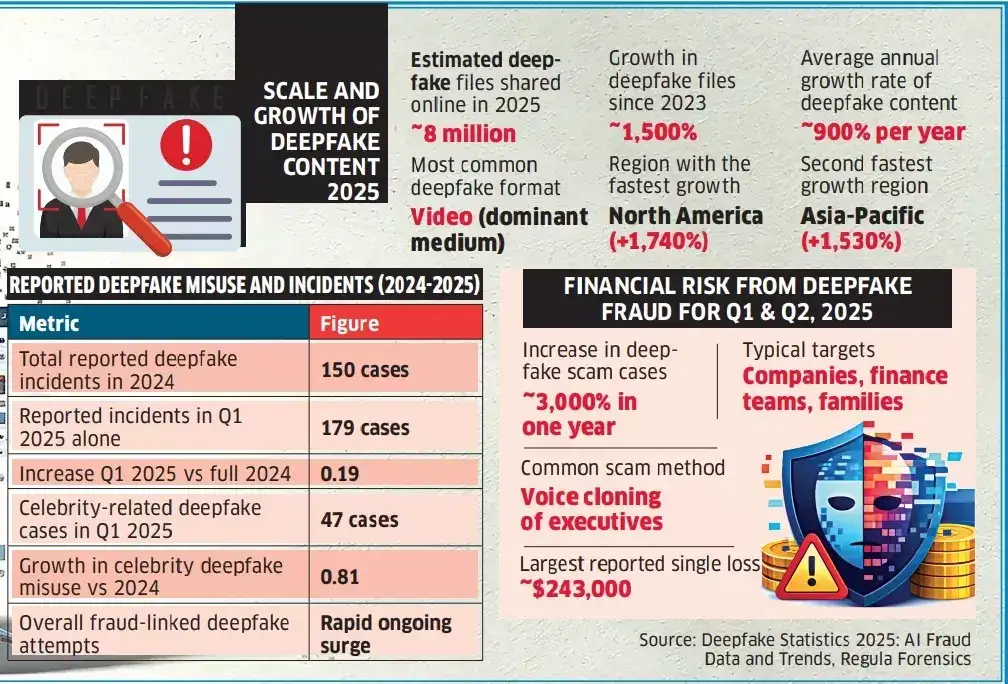
Early compliance: Social media platforms have already rolled out features that allow users to label AI-generated or modified content.
 Vaibhav Gupta, CEO, Udaan
Business-to-business ecommerce company Udaan painted a mixed picture for FY25, with losses narrowing sharply, but revenue sliding as well.
Financials:
Setting context: In June last year, Udaan had raised $114 million in funding at a flat valuation of $1.8 billion, earmarking the capital to deepen its presence across key categories. Vishnu Menon, Udaan’s senior vice president, business finance, outlined the company’s restructuring, which he says has made it leaner and sharper.
“Udaan is focused on driving ‘consistent growth with profitability at scale’ by following a regional cluster-led operating model,” he wrote on LinkedIn.
Tell me more: Under the new model, Udaan is targeting high-density, smaller clusters within individual pin codes or groups of pin codes to maximise buyer penetration, rather than chasing larger geographical market segments.
Menon added that the new strategy has pushed all operating clusters into positive contribution margin.
 Amit (left) and Gaurav Khatri, founders, Noise
Wearables company Noise turned a profit in fiscal year 2025 despite experiencing a 24% year-on-year decline in its operating revenue.
Numbers:
Sector watch: The brand competes with Boat, Boult, and Fire-Boltt. Boat, which has reportedly shelved its IPO plan, also turned profitable with a Rs 60 crore profit in FY25. However, its consolidated revenue slightly declined from Rs 3,122 crore to Rs 3,098 crore.

Digital lenders are increasing focus on small-ticket loans as credit quality improves, prioritising speed and volume over larger returns.
The shift:
Why go small? Speed. These loans are approved within minutes, ideal for purchasing consumer durables or funding working capital for small shopkeepers. The main strategy is repeat borrowing—customers take loans, repay swiftly, and return, thus creating a high-velocity lending cycle.
"Digital lending primarily happens in small ticket-size loans due to faster turnaround times," said Rajit Bhattacharya, cofounder of fraud-detection startup DataSutram.
The trade-off: Industry founders admit this limits immediate returns. Big-ticket loans grow larger loan books more quickly and deliver better margins. But small loans don't substantially impact profitability, and building assets under management can eventually raise valuations.
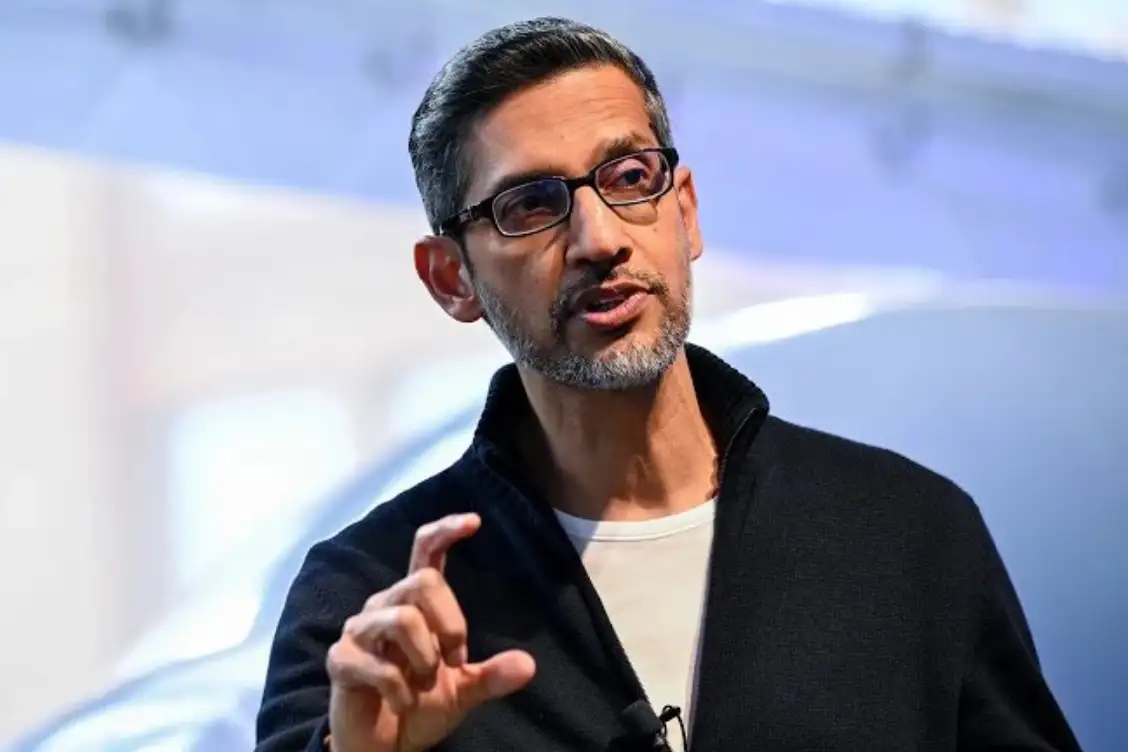 Sundar Pichai, CEO, Alphabet
Google-parent Alphabet is planning to raise around $15 billion through a bond sale in the US, Bloomberg reported on Monday.
Bond sale details:
A pattern: Alphabet is not operating alone. Major technology companies are borrowing extensively to finance significant infrastructure improvements, motivated by increasing demand for artificial intelligence.
Cloud giants, often called hyperscalers, are expected to spend over $630 billion this year, mainly on AI-related projects. This is happening even though financial returns have yet to match the growth in expenditure.
 Sam Altman, CEO, OpenAI
OpenAI has begun displaying adverts in the free versions of ChatGPT, betting that users will not mind the interruptions as the company seeks revenue amid rising costs.
No influence: CEO Sam Altman took to X to assure the company’s nearly one billion users that these adverts will not affect the responses they receive from the chatbot. Only a small proportion of its users pay for its premium subscription services, which will stay ad-free.
What ads do you see: OpenAI explained how it selects which ads a user sees. Ads are matched to users’ conversation topics, previous chats, and past ad interactions.
Also Read: Sam Altman defends OpenAI’s ad strategy after Anthropic’s Super Bowl criticism
 Marc Benioff, CEO, Salesforce
Salesforce cut below 1,000 jobs earlier this month, according to a report by Business Insider published on Monday.
Layoff details: The job cuts affected staff across marketing, product management, data analytics, and teams working on Agentforce, the company’s AI product.
In August last year, Salesforce chief executive Marc Benioff said on a podcast that the company had reduced 4,000 customer support roles, noting that AI meant it needed fewer people in certain areas.
Zoom out: The move comes as many US companies are laying off workers while reshaping their businesses around artificial intelligence. Amazon, for example, said in January that it would cut 16,000 roles worldwide, marking its second large round of layoffs in three months.
Also in the letter:
■ Digital lenders focus on small loans
■ Google eyes $15 billion raise
■ Salesforce layoffs
India sets three-hour deadline for social media platforms to take down illegal AI-generated, deepfake content
The government on Tuesday cracked down on social media companies, tightening rules on labelling and removing unlawful, artificially generated content from their platforms.
Driving the news: In revised guidelines on Tuesday, the IT ministry said social media companies would have to take down illegal content three hours after they are notified about it, tightening an earlier 36-hour timeline. The new regulations will take effect from February 20. They are likely to pose a compliance challenge for companies like Meta and X.
What else:
- The government has mandated that platforms prominently label AI-generated content and upload synthetic content with identifiers.
- Once applied, social media platforms cannot remove or suppress AI labels or metadata.
- The platforms must deploy automated tools to prevent AI content that is illegal, sexually exploitative or deceptive.
- Additionally, platforms must warn users at least once every three months about the consequences of violating AI misuse rules.
Early compliance: Social media platforms have already rolled out features that allow users to label AI-generated or modified content.
- YouTube currently requires creators to disclose “meaningfully altered” or synthetically generated content.
- Meta has also directed Facebook and Instagram users to label content that features digitally generated or modified material.
B2B ecommerce company Udaan reports 37% decline in FY25 net loss to Rs 1,055 crore
Business-to-business ecommerce company Udaan painted a mixed picture for FY25, with losses narrowing sharply, but revenue sliding as well.
Financials:
- Net loss: Down 37% year-on-year to Rs 1,055 crore.
- Operating revenue: Fell 20% in FY25 to Rs 4,561 crore.
- Expenditure (including staff costs): Down 22% to Rs 500 crore.
Setting context: In June last year, Udaan had raised $114 million in funding at a flat valuation of $1.8 billion, earmarking the capital to deepen its presence across key categories. Vishnu Menon, Udaan’s senior vice president, business finance, outlined the company’s restructuring, which he says has made it leaner and sharper.
“Udaan is focused on driving ‘consistent growth with profitability at scale’ by following a regional cluster-led operating model,” he wrote on LinkedIn.
Tell me more: Under the new model, Udaan is targeting high-density, smaller clusters within individual pin codes or groups of pin codes to maximise buyer penetration, rather than chasing larger geographical market segments.
Menon added that the new strategy has pushed all operating clusters into positive contribution margin.
Wearables maker Noise sees FY25 revenues dip 24% to Rs 1,048 crore
Wearables company Noise turned a profit in fiscal year 2025 despite experiencing a 24% year-on-year decline in its operating revenue.
Numbers:
- Operating revenue: Rs 1,048 crore, down from Rs 1,383 crore in FY24.
- Net profit: Rs 3 crore, versus net loss of Rs 22 crore last fiscal.
- Total expenses: Down to Rs 1,067 crore from Rs 1,416 crore a year ago.
Sector watch: The brand competes with Boat, Boult, and Fire-Boltt. Boat, which has reportedly shelved its IPO plan, also turned profitable with a Rs 60 crore profit in FY25. However, its consolidated revenue slightly declined from Rs 3,122 crore to Rs 3,098 crore.
Digital lenders double down on small loans as credit quality improves
Digital lenders are increasing focus on small-ticket loans as credit quality improves, prioritising speed and volume over larger returns.
The shift:
- Small-ticket unsecured personal loans (below Rs 1 lakh) now constitute over two-thirds of disbursements by digital lending startups, increasing from 55% two years ago, according to data compiled by credit bureau Experian until December FY26.
- Meanwhile, larger loans are declining rapidly: those between Rs 1-5 lakh now make up 27% of the total, while loans above Rs 5 lakh account for just 5%.
Why go small? Speed. These loans are approved within minutes, ideal for purchasing consumer durables or funding working capital for small shopkeepers. The main strategy is repeat borrowing—customers take loans, repay swiftly, and return, thus creating a high-velocity lending cycle.
"Digital lending primarily happens in small ticket-size loans due to faster turnaround times," said Rajit Bhattacharya, cofounder of fraud-detection startup DataSutram.
The trade-off: Industry founders admit this limits immediate returns. Big-ticket loans grow larger loan books more quickly and deliver better margins. But small loans don't substantially impact profitability, and building assets under management can eventually raise valuations.
Google parent Alphabet looks to raise about $15 billion from US bond sale: Report
Google-parent Alphabet is planning to raise around $15 billion through a bond sale in the US, Bloomberg reported on Monday.
Bond sale details:
- The company intends to issue bonds in as many as seven tranches, according to a regulatory filing.
- Although the total size has not been confirmed, early pricing discussions indicate that the longest bond, maturing in 2066, could yield approximately 1.2 percentage points more than US Treasuries.
A pattern: Alphabet is not operating alone. Major technology companies are borrowing extensively to finance significant infrastructure improvements, motivated by increasing demand for artificial intelligence.
Cloud giants, often called hyperscalers, are expected to spend over $630 billion this year, mainly on AI-related projects. This is happening even though financial returns have yet to match the growth in expenditure.
ChatGPT Free and Go users in US start seeing ads; CEO Sam Altman promises unbiased responses
OpenAI has begun displaying adverts in the free versions of ChatGPT, betting that users will not mind the interruptions as the company seeks revenue amid rising costs.
No influence: CEO Sam Altman took to X to assure the company’s nearly one billion users that these adverts will not affect the responses they receive from the chatbot. Only a small proportion of its users pay for its premium subscription services, which will stay ad-free.
What ads do you see: OpenAI explained how it selects which ads a user sees. Ads are matched to users’ conversation topics, previous chats, and past ad interactions.
Also Read: Sam Altman defends OpenAI’s ad strategy after Anthropic’s Super Bowl criticism
Salesforce cuts fewer than 1,000 jobs: Business Insider
Salesforce cut below 1,000 jobs earlier this month, according to a report by Business Insider published on Monday.
Layoff details: The job cuts affected staff across marketing, product management, data analytics, and teams working on Agentforce, the company’s AI product.
In August last year, Salesforce chief executive Marc Benioff said on a podcast that the company had reduced 4,000 customer support roles, noting that AI meant it needed fewer people in certain areas.
Zoom out: The move comes as many US companies are laying off workers while reshaping their businesses around artificial intelligence. Amazon, for example, said in January that it would cut 16,000 roles worldwide, marking its second large round of layoffs in three months.
Want this newsletter delivered to your inbox?
I agree to receive newsletters and marketing communications via e-mail