
 Daily Top 5 Daily Top 5 |
Elon Musk on H1-B and beyond; India tightens phone monitoring
Want this newsletter delivered to your inbox?
I agree to receive newsletters and marketing communications via e-mail

Thank you for subscribing to Daily Top 5
We'll soon meet in your inbox.
Elon Musk discussed tariffs, immigration and India during a chat on Nikhil Kamath's podcast. This and more in today's ETtech Top 5.
Also in the letter:
■ Lenskart eyes volume growth
■ Mega pay for IIT techies
■ ChatGPT turns 3
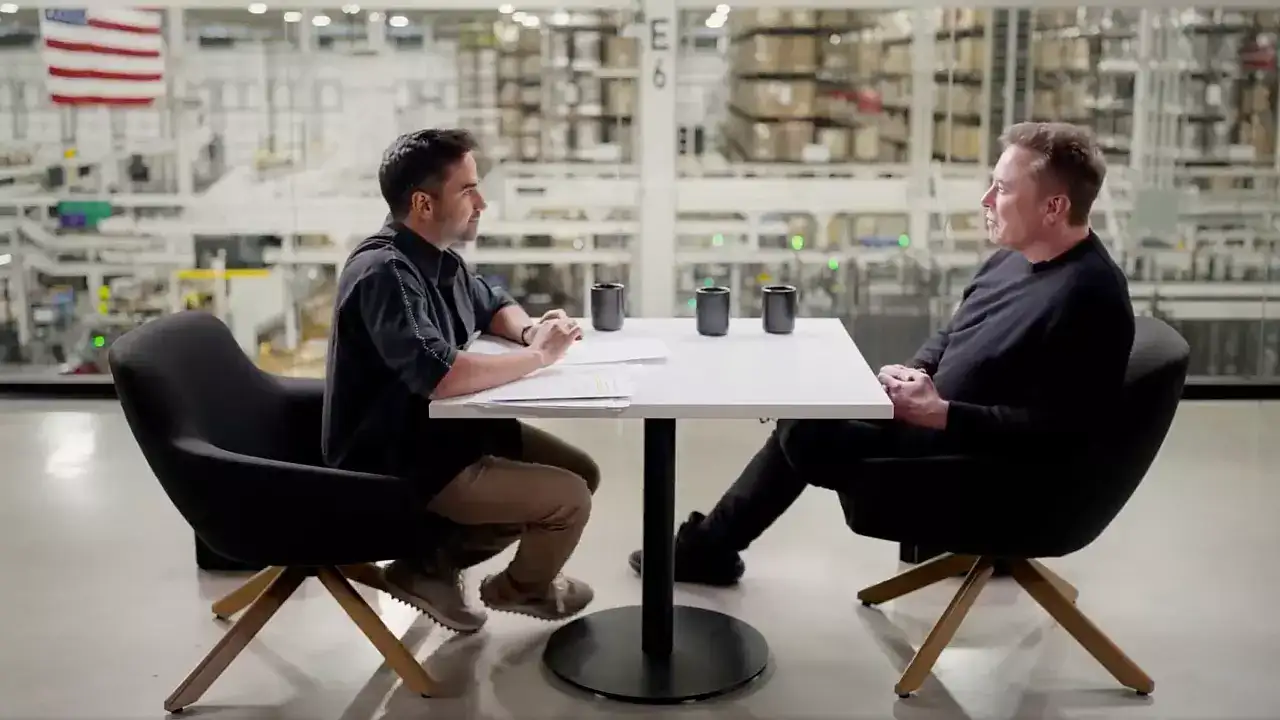
Elon Musk offered a sweeping tour of his views on immigration, US policy, X, and India during a long conversation with Nikhil Kamath's People by WTF podcast.
Migration politics: Musk criticised what he called the “free-for-all” immigration policies under the Biden administration as not good for the US, but also voiced strong support for the H-1B programme.
“On the right, you've got at least a perception that somehow their jobs are being taken by talented people from other countries. I don't know how real that is. My direct observation is that there's always a scarcity of talented people," he told Kamath when asked about immigration.
Also Read: In new podcast teaser, Nikhil Kamath asks Elon Musk about his obsession with letter 'X'
Policy, the side quest: Musk said he tried and failed to convince President Donald Trump to rethink tariffs, arguing that free trade ultimately produces better outcomes. He also described his stint with the Department of Government Efficiency as an “eye-opening side quest”.
“There's been quite a few efficiencies. I mean, some of them are very basic efficiencies, like just adding requirements for federal payments—that any given payment must have an assigned congressional payment code and a comment field with something in it that's more than nothing. That trivial-seeming change, my guess is, probably saves $100 billion or even $200 billion a year," Musk said.
India connection: Musk confirmed that he wants to bring Starlink to India, with a focus on rural connectivity areas rather than competing in the crowded urban markets. He also shared that his venture capitalist partner, Shivon Zilis, is half Indian (via her Hindu Punjabi mother).
Also Read: ‘Pretty high’ probability that real life is a simulation: Elon Musk

India's telecom ministry has issued a directive requiring all smartphone makers to preload the government’s cyber safety app Sanchar Saathi on all new devices, Reuters reported.
What's happening: A November 28 government order, the report added, instructs major smartphone makers such as Apple, Samsung, and Xiaomi to ensure:
Industry pushback: The mandate is expected to raise tensions with global smartphone makers, including Apple, whose internal policies disallow any pre-loaded or third-party apps before sale.
About the app: Launched in January 2025, Sanchar Saathi aims to curb mobile fraud and track stolen devices. It enables users to verify IMEIs, report suspicious calls, and block stolen phones through a centralised registry.
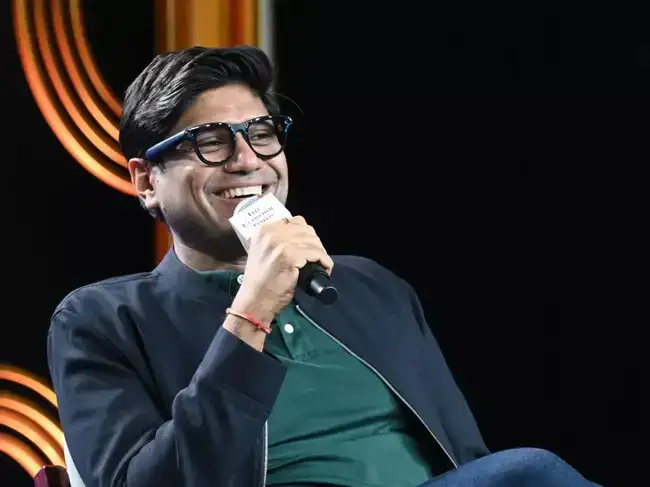 Peyush Bansal, CEO, Lenskart
Lenskart's first quarterly results as a public company showed steady double-digit growth, and founder Peyush Bansal said that the focus is now on expanding volumes across price bands.
Driving the news: Bansal said margins continue to improve because of vertical integration, an omnichannel model, lower marketing spends, and better operating leverage.
“We are now doing almost 18% of our business below Rs 2,000, even as we continue expanding in the Rs 10,000 segment. The market is growing at both ends, but pricing does play a role,” Bansal said.
Also Read: Lenskart to launch smart glasses by March quarter with UPI, camera functions
Capacity overhaul: To support long-term demand, the company is ramping up manufacturing capacity.
Also Read: Lenskart to invest $200 million in new manufacturing unit, scale up exports : CEO Peyush Bansal
Algorithmic and proprietary trading firms, along with major investment platforms, are set to offer the highest pay packages to the IIT students of 2026 as final placements for the Class of 2026 begin on Monday.
Details: Placement cells say this year’s top roles will largely come from firms that have already extended pre-placement offers (PPOs), across both international and domestic locations.
The biggest offers include:
Tell me more: Google, Microsoft, ITC, Hindustan Unilever, Flipkart, Ola, Amazon and DE Shaw, are among the top recruiters on Day 1. For these firms, salaries typically range between Rs 30 lakh and Rs 50 lakh, with some roles stretching higher.
ExpertSpeak: Nasscom's Sangeeta Gupta expects steady demand for AI, digital tech and product talent as companies scale AI-led solutions.
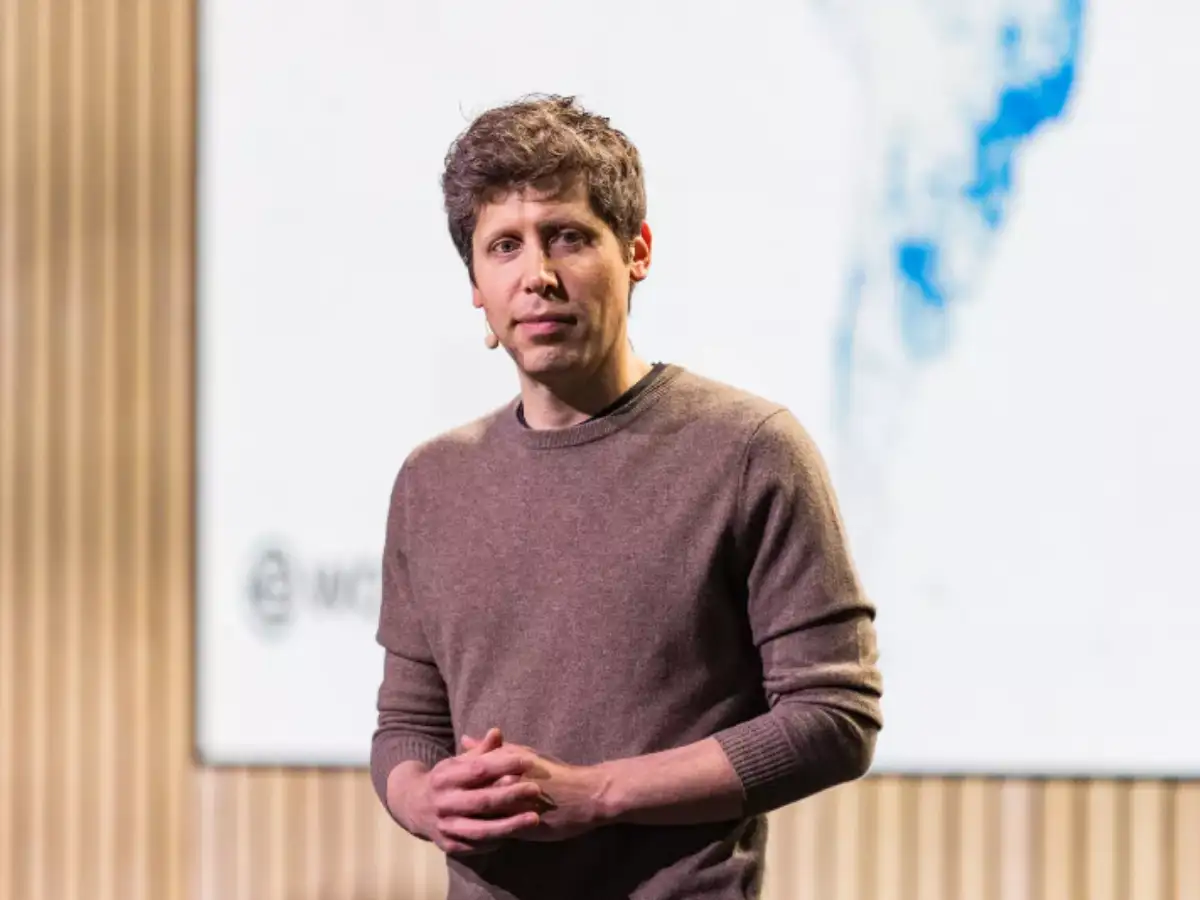 Sam Altman, CEO, OpenAI
ChatGPT, the world's most popular AI chatbot, has completed three years at a time when rising competition is intensifying and its parent company is reshaping itself for the next phase of growth.
Rivals gain: In a recent internal note to employees, OpenAI chief executive Sam Altman acknowledged “economic headwinds” as Google regains ground with its Gemini 3 model and plans to sell its tensor processing units (TPUs) more broadly. User engagement on ChatGPT had also softened, adding to pressure from rivals such as Anthropic.
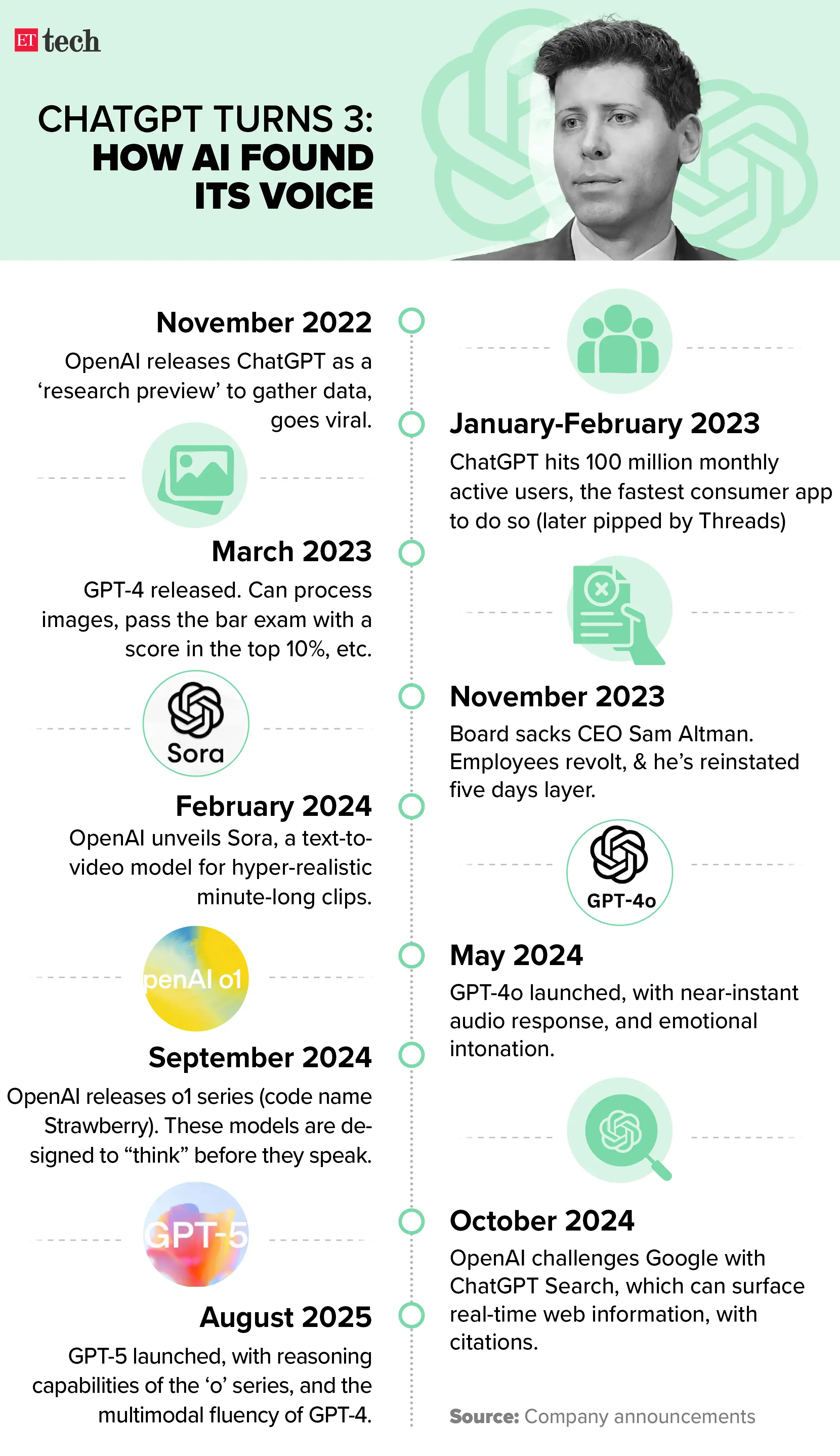
Beyond AI: Even so, ChatGPT continues to command a sizable audience. The platform has about 800 million weekly active users, and OpenAI is trying to convert that momentum into commerce. New tools now let users shop, pay and generate buying guides through agentic workflows.
Road ahead: With the shift to a for-profit structure, OpenAI expects a larger share of its user base to pay for premium access. By 2030, it projects that roughly at 220 million people will subscribe.
Also Read: ChatGPT effect: In three years AI chatbot has changed way people look things up
Also in the letter:
■ Lenskart eyes volume growth
■ Mega pay for IIT techies
■ ChatGPT turns 3
Tesla boss Elon Musk holds forth on tariffs, H-1B visas and more on Nikhil Kamath's podcast
Elon Musk offered a sweeping tour of his views on immigration, US policy, X, and India during a long conversation with Nikhil Kamath's People by WTF podcast.
Migration politics: Musk criticised what he called the “free-for-all” immigration policies under the Biden administration as not good for the US, but also voiced strong support for the H-1B programme.
“On the right, you've got at least a perception that somehow their jobs are being taken by talented people from other countries. I don't know how real that is. My direct observation is that there's always a scarcity of talented people," he told Kamath when asked about immigration.
Also Read: In new podcast teaser, Nikhil Kamath asks Elon Musk about his obsession with letter 'X'
Policy, the side quest: Musk said he tried and failed to convince President Donald Trump to rethink tariffs, arguing that free trade ultimately produces better outcomes. He also described his stint with the Department of Government Efficiency as an “eye-opening side quest”.
“There's been quite a few efficiencies. I mean, some of them are very basic efficiencies, like just adding requirements for federal payments—that any given payment must have an assigned congressional payment code and a comment field with something in it that's more than nothing. That trivial-seeming change, my guess is, probably saves $100 billion or even $200 billion a year," Musk said.
India connection: Musk confirmed that he wants to bring Starlink to India, with a focus on rural connectivity areas rather than competing in the crowded urban markets. He also shared that his venture capitalist partner, Shivon Zilis, is half Indian (via her Hindu Punjabi mother).
Also Read: ‘Pretty high’ probability that real life is a simulation: Elon Musk
India orders mobile phones preloaded with government app to ensure cyber safety
India's telecom ministry has issued a directive requiring all smartphone makers to preload the government’s cyber safety app Sanchar Saathi on all new devices, Reuters reported.
What's happening: A November 28 government order, the report added, instructs major smartphone makers such as Apple, Samsung, and Xiaomi to ensure:
- The app is pre-installed on every new phone.
- A non-removable provision, preventing users from disabling it.
- For devices already in the supply chain, the app must be added through future software updates.
Industry pushback: The mandate is expected to raise tensions with global smartphone makers, including Apple, whose internal policies disallow any pre-loaded or third-party apps before sale.
- This would not be Apple's first clash. The company had earlier resisted installing the telecom regulator’s anti-spam app on iPhones.
- Also of concern is the government's issuance of the directive without prior consultation.
About the app: Launched in January 2025, Sanchar Saathi aims to curb mobile fraud and track stolen devices. It enables users to verify IMEIs, report suspicious calls, and block stolen phones through a centralised registry.
After solid Q2 show, Lenskart CEO Peyush Bansal says eyewear retailer will prioritise volume growth
Lenskart's first quarterly results as a public company showed steady double-digit growth, and founder Peyush Bansal said that the focus is now on expanding volumes across price bands.
Driving the news: Bansal said margins continue to improve because of vertical integration, an omnichannel model, lower marketing spends, and better operating leverage.
“We are now doing almost 18% of our business below Rs 2,000, even as we continue expanding in the Rs 10,000 segment. The market is growing at both ends, but pricing does play a role,” Bansal said.
Also Read: Lenskart to launch smart glasses by March quarter with UPI, camera functions
Capacity overhaul: To support long-term demand, the company is ramping up manufacturing capacity.
- Lenskart is building a new Hyderabad plant as its Bhiwandi facility runs at 64% utilisation.
- The company plans to triple its current capacity over the next three years to meet expected growth.
- It produced 3.9 million frames and 2.6 million lenses at its own facilities in H1FY26.
- It plans over 450 net store additions in India during this fiscal year.
- Digital influence now drives 45% of domestic sales.
Also Read: Lenskart to invest $200 million in new manufacturing unit, scale up exports : CEO Peyush Bansal
Investing big in techies: Trading firms, investment platforms line up at IITs with largest pay cheques
Algorithmic and proprietary trading firms, along with major investment platforms, are set to offer the highest pay packages to the IIT students of 2026 as final placements for the Class of 2026 begin on Monday.
Details: Placement cells say this year’s top roles will largely come from firms that have already extended pre-placement offers (PPOs), across both international and domestic locations.
The biggest offers include:
- Da Vinci Derivatives: Rs 2.5 crore-plus
- NK Securities: around Rs 1.65 crore
- Rubrik: Rs 1.49 crore
- APT Portfolio: Rs 1 crore-plus
- Glean, Databricks, Atlas Research, others: Rs 90 lakh to Rs 1 crore
Tell me more: Google, Microsoft, ITC, Hindustan Unilever, Flipkart, Ola, Amazon and DE Shaw, are among the top recruiters on Day 1. For these firms, salaries typically range between Rs 30 lakh and Rs 50 lakh, with some roles stretching higher.
ExpertSpeak: Nasscom's Sangeeta Gupta expects steady demand for AI, digital tech and product talent as companies scale AI-led solutions.
ChatGPT turns 3 as AI race gets tough
ChatGPT, the world's most popular AI chatbot, has completed three years at a time when rising competition is intensifying and its parent company is reshaping itself for the next phase of growth.
Rivals gain: In a recent internal note to employees, OpenAI chief executive Sam Altman acknowledged “economic headwinds” as Google regains ground with its Gemini 3 model and plans to sell its tensor processing units (TPUs) more broadly. User engagement on ChatGPT had also softened, adding to pressure from rivals such as Anthropic.
Beyond AI: Even so, ChatGPT continues to command a sizable audience. The platform has about 800 million weekly active users, and OpenAI is trying to convert that momentum into commerce. New tools now let users shop, pay and generate buying guides through agentic workflows.
Road ahead: With the shift to a for-profit structure, OpenAI expects a larger share of its user base to pay for premium access. By 2030, it projects that roughly at 220 million people will subscribe.
- As of July, about 35 million users — nearly 5% of ChatGPT's weekly active base — paid for "Plus" or "Pro" plans.
Also Read: ChatGPT effect: In three years AI chatbot has changed way people look things up
Want this newsletter delivered to your inbox?
I agree to receive newsletters and marketing communications via e-mail