
 Daily Top 5 |
CrowdStrike scoops up Zscaler; India turns global cybersecurity hub
Want this newsletter delivered to your inbox?
I agree to receive newsletters and marketing communications via e-mail

Thank you for subscribing to Daily Top 5
We'll soon meet in your inbox.
Crowdstrike is buying Zscaler in a major acquisition that combines two of the cybersecurity industry's biggest names. This and more in today’s ETtech Top 5.
Also in the letter:
■ I-T dept busts Chinese gaming network
■ Sarvam's Token Factory controversy
■ Latest on Alice-Jensen Huang fiasco
 Cybersecurity majorCrowdStrikehas agreed to acquireZscaler in an all-stock deal valuing the zero-trust security firm at about $43.9 billion, one of the largest cybersecurity acquisitions ever.
Deal details: Zscaler shareholders will receive 1.135 CrowdStrike shares for each share held, implying $260.41 a piece, a 34% premium to Friday's close. Zscaler stock jumped over 13% premarket; CrowdStrike fell 5%.
The deal is set to deliver a massive payout for Zscaler's Indian-origin founder Jay Chaudhry.
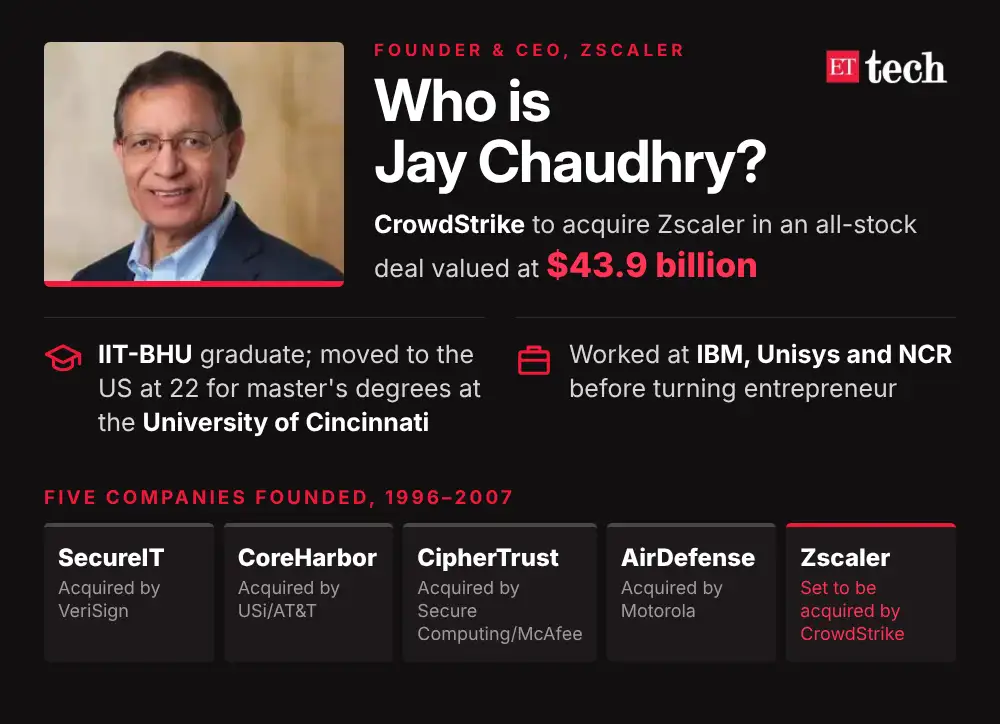
Tell me more: The deal unites CrowdStrike's endpoint security with Zscaler's network security, and the companies say the combined firm starts with over $10 billion in annual recurring revenue. CrowdStrike CEO George Kurtz will lead it while Zscaler's Chaudhry will run the Zscaler business and join CrowdStrike's board.
Serial entrepreneur: For Chaudhry, 67, it caps a remarkable run. Born in Panoh, a Himachal Pradesh village without electricity, studied at IIT-BHU, and landed in the US in 1980 on a Tata scholarship with $200 in his pocket.
He has sold four startups before founding Zscaler in 2008. He and his affiliates hold about 34% of its shares and have agreed to vote for the deal.
India is emerging as a critical line of defence for global finance as new vulnerabilities expose gaps in cybersecurity systems.
Driving the news: JPMorgan Chase, Goldman Sachs, Wells Fargo, HSBC, and Barclays are moving to build most of their critical cyber capabilities from their India GCCs (global capability centres), going beyond routine IT security into global cyber defence, threat intelligence, security engineering, and AI security operations.
The trigger: The shift comes as banks grapple with risks from AI systems accessing internal applications and sensitive data.
Also Read: Indians feel they’re strong on cybersecurity, yet report APAC’s highest phishing attacks
Telecom operators are taking measures to tackle any artificial intelligence-enabled cyberattacks on their networks, as they prepare for a future where AI-led threats are expected to be much more common.
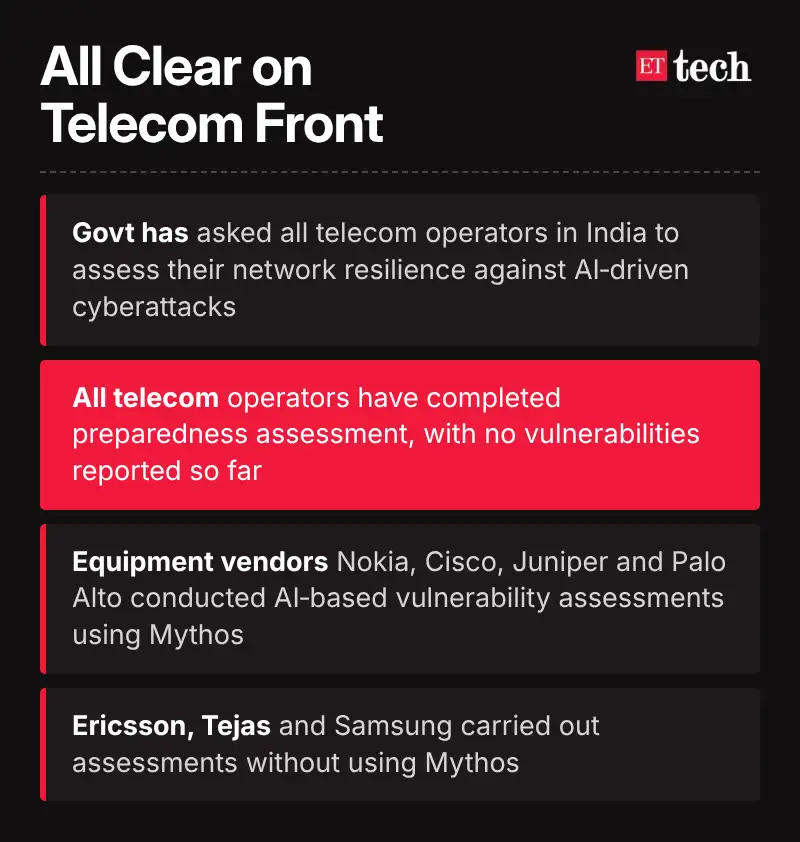
Passing with flying colours: To test the resiliency of the networks, the government asked all telecom operators in the country to conduct a preparedness assessment and response to AI-driven cyberthreats.
“All the telcos have done the assessment and so far, no vulnerabilities have been reported,” an official told ET.
The income tax department has busted a Rs 2,700-crore payment network of Chinese-controlled online gaming and betting platforms that collected money from Indian players through an India-based payment intermediary, and shell companies posing as digital-art businesses.
What happened: The operation, conducted in the third week of October, led to the seizure of undeclared cryptocurrency worth $650,000 (about Rs 6.2 crore) and the detection of two undisclosed Dubai flats, reportedly bought with around Rs 10 crore paid in crypto.
Main culprit: At the centre of the probe is 1stPe, a dummy digital-art platform, and its promoters. Preliminary server data shows it facilitated collections of about Rs 2,700 crore for Chinese gaming apps over 40 months, from July 2023 to October 2026, earning roughly Rs 170 crore in commission.
Since Chinese-linked entities cannot directly receive UPI payments, the gaming platforms' servers were connected to 1stPe, which acted as the Indian intermediary.
How the money moved:
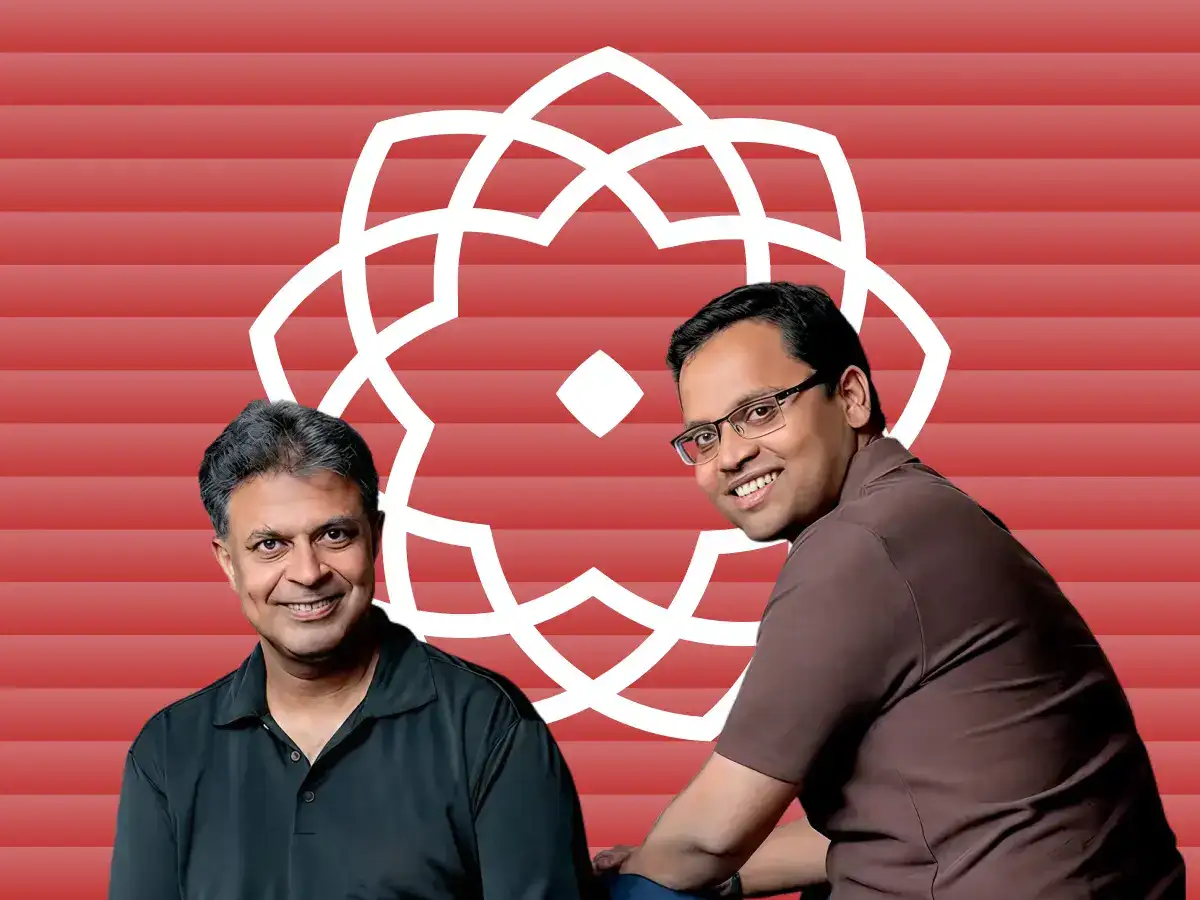 Vivek Raghavan and Pratyush Kumar, founders, Sarvam AI
India’s homegrown AI company Sarvam is facing a backlash on social media over a decision to host Chinese AI models on its recently announced Token Factory platform.
What you need to know: Sarvam’s Token Factory lets developers and enterprises access AI models through its infrastructure at competitive prices. It hosts Sarvam 105B, China’s DeepSeek V4.1 Flash, Kimi K3.1 Pro, GLM 5.3, and Google’s Gemma 4 31B.
The startup is getting flak for hosting Chinese AI models on the platform. Critics said taxpayer-funded GPUs are being used to benefit Chinese AI firms.
How did Sarvam respond? In a post on X, Kumar defended the company's decision to host Chinese models, saying the move does not affect its core mission of developing homegrown AI.
Kumar said Sarvam used government-subsidised computing resources under the IndiaAI Mission to train its Sarvam 105B model, which was completed and open-sourced in February. He also announced the release of an improved version of the company's Sarvam 105B model, called Sarvam 105B-1711.
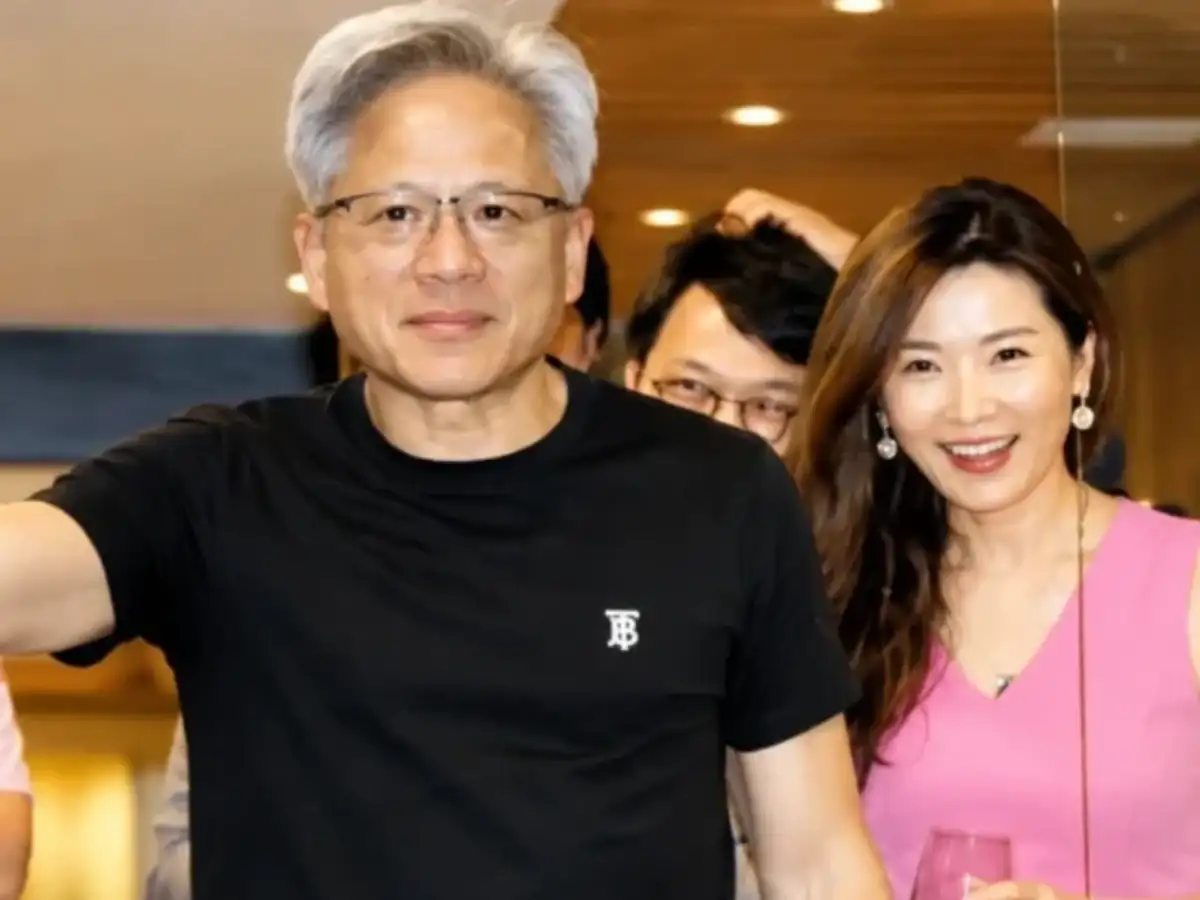 Jensen Huang with Alice Huang
Alice Huang, who’s at the centre of Nvidia’s recent scandal, reportedly contacted a Chinese Ministry of State Security officer from spring 2025 to autumn 2026, The New York Times has reported. Huang had an extramarital affair with former CEO and founder of the chipmaker, Jensen Huang.
Yes, and: Alice led Megaspeed International, a major Nvidia customer once responsible for billions in chip sales. US authorities have investigated it since 2024 over alleged smuggling of advanced AI chips to China.
What happened: This report comes as US officials cast doubt on claims that Alice was a spy. Attorney General Todd Blanche said no conclusion had been reached while Director of National Intelligence Jay Clayton said the investigation continues.
Also in the letter:
■ I-T dept busts Chinese gaming network
■ Sarvam's Token Factory controversy
■ Latest on Alice-Jensen Huang fiasco
From small Himachal village to $44 billion deal: The rise of Zscaler founder Jay Chaudhry
Deal details: Zscaler shareholders will receive 1.135 CrowdStrike shares for each share held, implying $260.41 a piece, a 34% premium to Friday's close. Zscaler stock jumped over 13% premarket; CrowdStrike fell 5%.
The deal is set to deliver a massive payout for Zscaler's Indian-origin founder Jay Chaudhry.
Tell me more: The deal unites CrowdStrike's endpoint security with Zscaler's network security, and the companies say the combined firm starts with over $10 billion in annual recurring revenue. CrowdStrike CEO George Kurtz will lead it while Zscaler's Chaudhry will run the Zscaler business and join CrowdStrike's board.
Serial entrepreneur: For Chaudhry, 67, it caps a remarkable run. Born in Panoh, a Himachal Pradesh village without electricity, studied at IIT-BHU, and landed in the US in 1980 on a Tata scholarship with $200 in his pocket.
He has sold four startups before founding Zscaler in 2008. He and his affiliates hold about 34% of its shares and have agreed to vote for the deal.
India emerges as global hub for financial cybersecurity ops
India is emerging as a critical line of defence for global finance as new vulnerabilities expose gaps in cybersecurity systems.
Driving the news: JPMorgan Chase, Goldman Sachs, Wells Fargo, HSBC, and Barclays are moving to build most of their critical cyber capabilities from their India GCCs (global capability centres), going beyond routine IT security into global cyber defence, threat intelligence, security engineering, and AI security operations.
The trigger: The shift comes as banks grapple with risks from AI systems accessing internal applications and sensitive data.
- Last week, a software bug at JPMorgan disrupted some customer transactions; days later the bank disclosed that a cyberattack on third-party service providers may have exposed customer names and email addresses.
- Visa and Mastercard also reported incidents involving third party services.
- In October major US banks detected third-party AI agents accessing customer accounts, sometimes acting beyond user instructions.
Also Read: Indians feel they’re strong on cybersecurity, yet report APAC’s highest phishing attacks
Telcos strengthen cyber defences, report no major vulnerabilities
Telecom operators are taking measures to tackle any artificial intelligence-enabled cyberattacks on their networks, as they prepare for a future where AI-led threats are expected to be much more common.
Passing with flying colours: To test the resiliency of the networks, the government asked all telecom operators in the country to conduct a preparedness assessment and response to AI-driven cyberthreats.
“All the telcos have done the assessment and so far, no vulnerabilities have been reported,” an official told ET.
Income Tax Department busts Rs 2,700 crore Chinese gaming payment network
The income tax department has busted a Rs 2,700-crore payment network of Chinese-controlled online gaming and betting platforms that collected money from Indian players through an India-based payment intermediary, and shell companies posing as digital-art businesses.
What happened: The operation, conducted in the third week of October, led to the seizure of undeclared cryptocurrency worth $650,000 (about Rs 6.2 crore) and the detection of two undisclosed Dubai flats, reportedly bought with around Rs 10 crore paid in crypto.
Main culprit: At the centre of the probe is 1stPe, a dummy digital-art platform, and its promoters. Preliminary server data shows it facilitated collections of about Rs 2,700 crore for Chinese gaming apps over 40 months, from July 2023 to October 2026, earning roughly Rs 170 crore in commission.
Since Chinese-linked entities cannot directly receive UPI payments, the gaming platforms' servers were connected to 1stPe, which acted as the Indian intermediary.
How the money moved:
- Associates of the promoters floated shell companies with dummy websites showcasing digital-art products, and obtained merchant IDs (MIDs) from Airpay, an Indian payment intermediary, by posing as legitimate businesses.
- When a player deposited money via UPI, the request was routed to 1stPe and forwarded to the payment intermediary using a shell company's MID.
- Airpay recorded it as a digital-art sale and wired the funds into that company's account, while 1stPe deducted its commission.
ETtech Explainer: Why Sarvam's Token Factory has Indian AI circles divided
India’s homegrown AI company Sarvam is facing a backlash on social media over a decision to host Chinese AI models on its recently announced Token Factory platform.
What you need to know: Sarvam’s Token Factory lets developers and enterprises access AI models through its infrastructure at competitive prices. It hosts Sarvam 105B, China’s DeepSeek V4.1 Flash, Kimi K3.1 Pro, GLM 5.3, and Google’s Gemma 4 31B.
The startup is getting flak for hosting Chinese AI models on the platform. Critics said taxpayer-funded GPUs are being used to benefit Chinese AI firms.
How did Sarvam respond? In a post on X, Kumar defended the company's decision to host Chinese models, saying the move does not affect its core mission of developing homegrown AI.
Kumar said Sarvam used government-subsidised computing resources under the IndiaAI Mission to train its Sarvam 105B model, which was completed and open-sourced in February. He also announced the release of an improved version of the company's Sarvam 105B model, called Sarvam 105B-1711.
Alice Huang in touch with Chinese spy agency during affair with Nvidia CEO: Report
Alice Huang, who’s at the centre of Nvidia’s recent scandal, reportedly contacted a Chinese Ministry of State Security officer from spring 2025 to autumn 2026, The New York Times has reported. Huang had an extramarital affair with former CEO and founder of the chipmaker, Jensen Huang.
Yes, and: Alice led Megaspeed International, a major Nvidia customer once responsible for billions in chip sales. US authorities have investigated it since 2024 over alleged smuggling of advanced AI chips to China.
What happened: This report comes as US officials cast doubt on claims that Alice was a spy. Attorney General Todd Blanche said no conclusion had been reached while Director of National Intelligence Jay Clayton said the investigation continues.
Want this newsletter delivered to your inbox?
I agree to receive newsletters and marketing communications via e-mail