
 Daily Top 5 |
Anthropic’s historic IPO; Relief for bike taxis in Karnataka
Want this newsletter delivered to your inbox?
I agree to receive newsletters and marketing communications via e-mail

Thank you for subscribing to Daily Top 5
We'll soon meet in your inbox.
Anthropic on Thursday made a strong market debut that vaulted the AI lab into the ranks of the most valuable listed US companies. This and more in today’s ETtech Top 5.
Also in the letter:
■ Microsoft exec on India’s importance
■ PE funds in race for Hocco stake
■ Intel India’s AI play
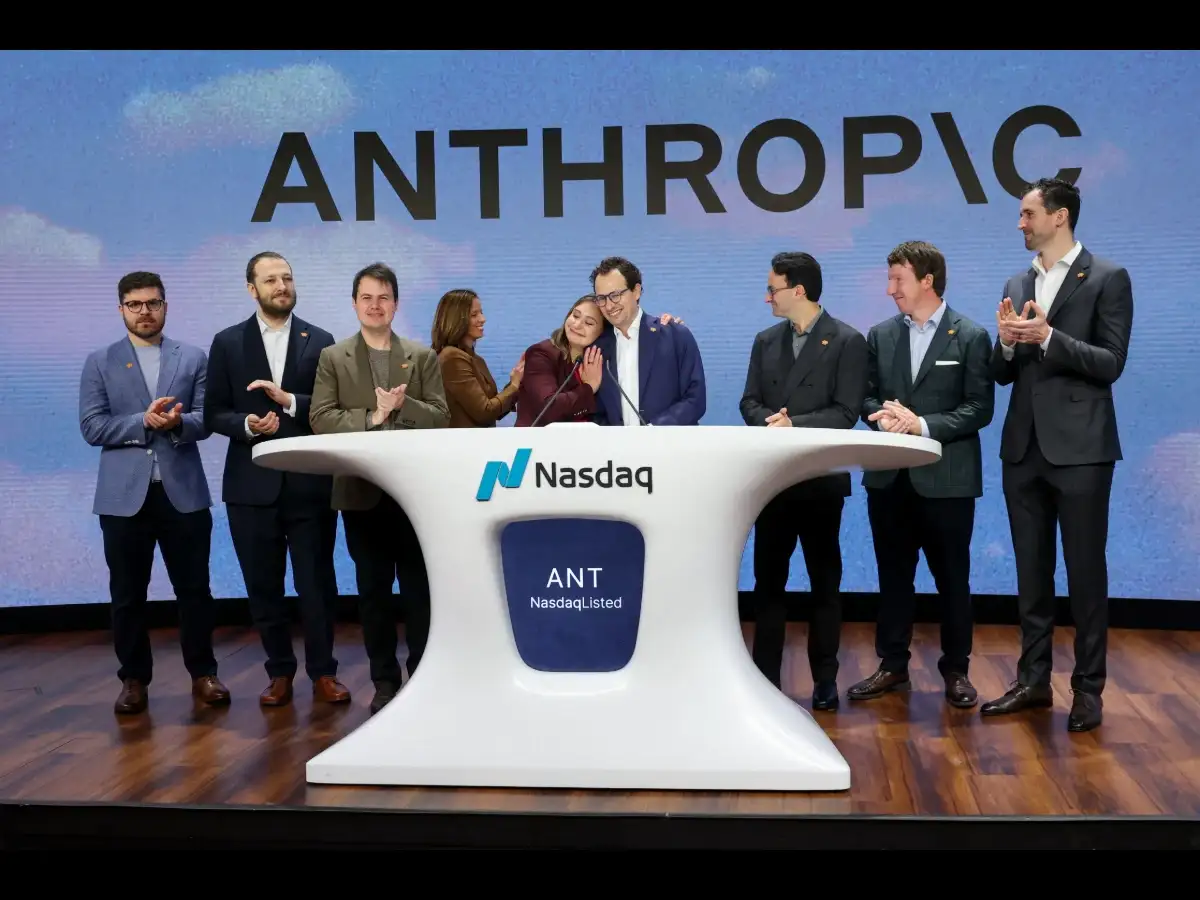 Anthropic founders at the Nasdaq listing ceremony
Anthropic shares rose sharply on Thursday after the biggest public listing ever, briefly taking the company’s valuation above $2 trillion.
Numbers:
Making history: The IPO overtook SpaceX’s public debut as the biggest in the world. Strong demand for Anthropic shares, despite a broader tech selloff, highlighted continued investor appetite for pure-play AI companies, even as enthusiasm for the sector has cooled in recent weeks.
Cofounders make bank: Anthropic's record IPO has made each of its seven cofounders worth about $24 billion, or a combined $166 billion at Thursday's closing price, according to the Bloomberg Billionaires Index. It is an unusually even split of the spoils from the largest stock market debut on record.
Also Read: Anthropic's post-debut stumble delivers reality check for AI trade
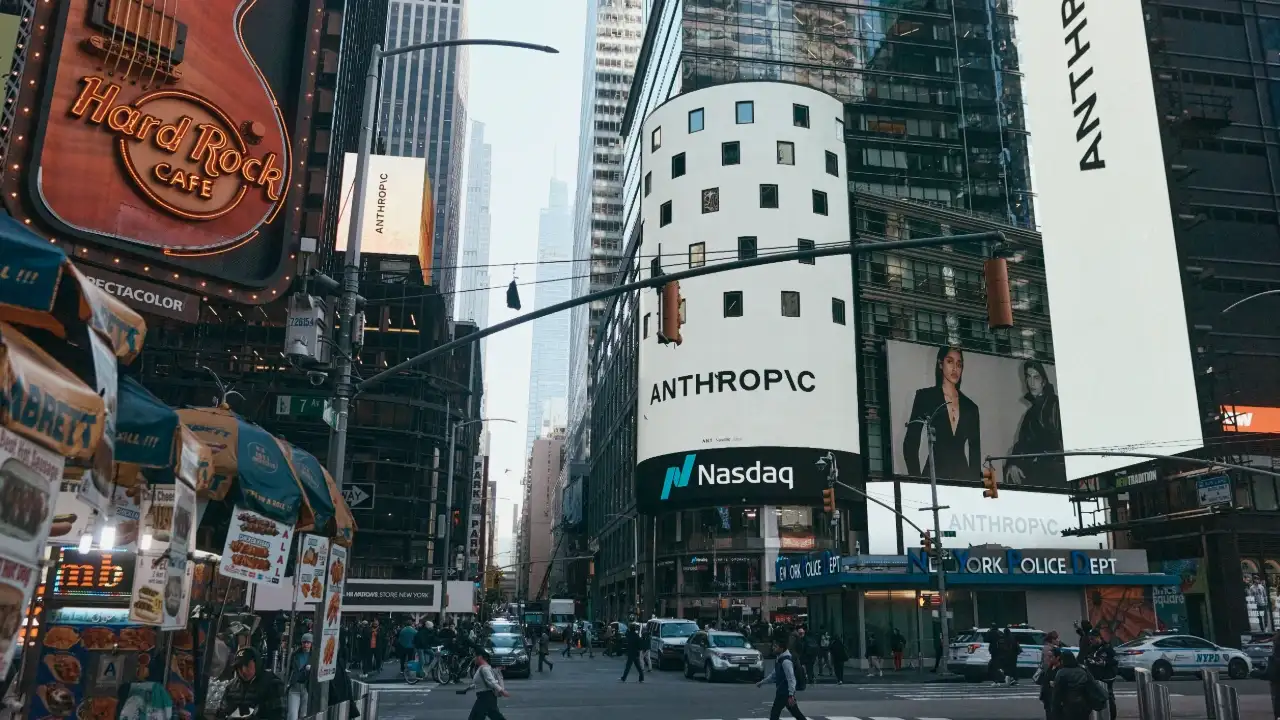
Indian retail investors are piling into Anthropic shares after its listing, with demand for the AI giant outstripping that seen during SpaceX’s market debut in June.
Driving the news: Blockbuster US technology listings is attracting a new generation of Indian investors.
Also Read: TCS, Infosys, Persistent Systems, other IT stocks rally up to 4% on AI rout despite Anthropic’s stellar debut
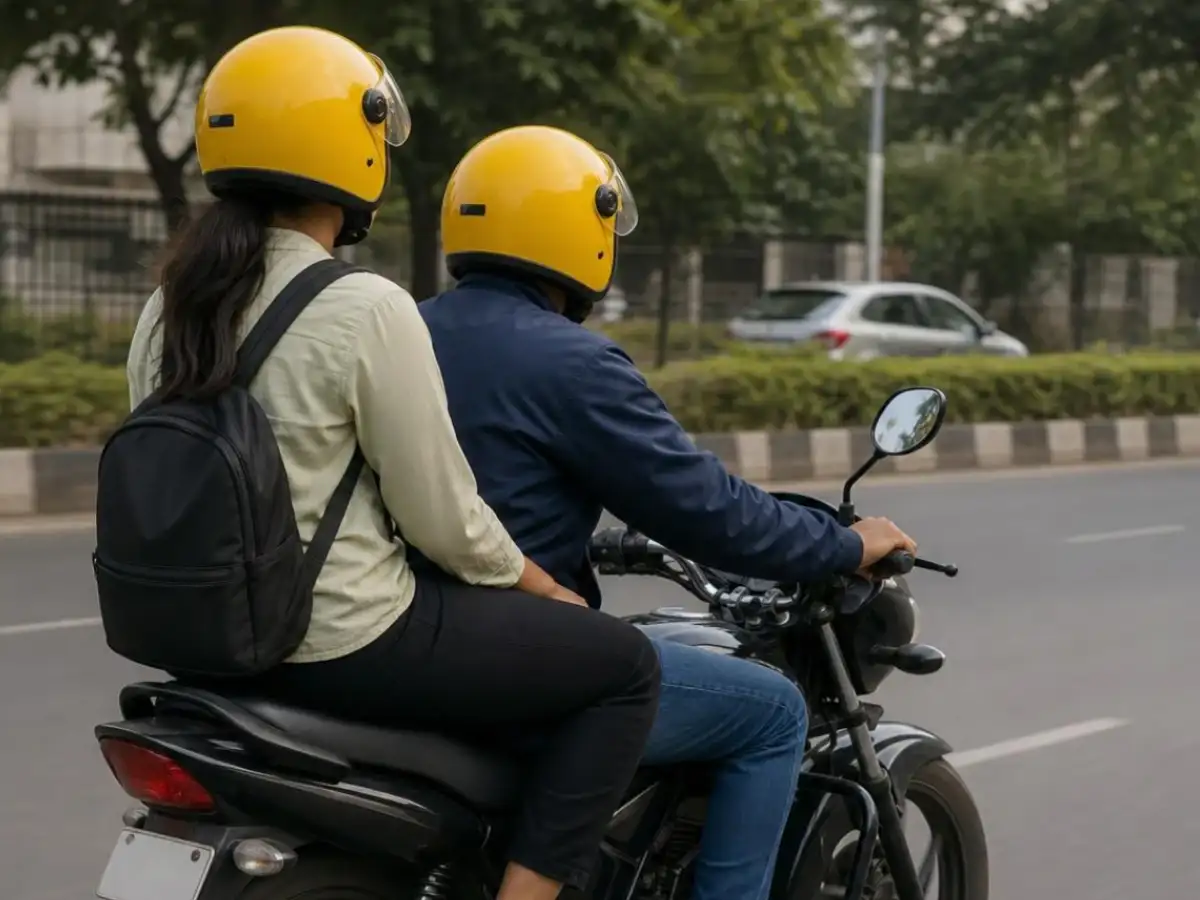
The Supreme Court on Friday dismissed Karnataka’s appeal against the High Court ruling allowing bike taxi services, paving the way for the services in the state. Justices Satish Chandra Sharma and N Kotiswar Singh upheld the January 23 decision.
The HC ruling: A division bench of Chief Justice Vibhu Bakhru and Justice CM Joshi allowed appeals by ANI Technologies, which operates Ola, Uber and Rapido, and the Bike Taxi Welfare Association. They had challenged an April 2025 single-judge order barring operations until the state framed a policy.
Fine print: The high court held that motorcycles qualify as transport vehicles under the Motor Vehicles Act, 1988, so permits cannot be denied merely because they are two-wheelers. Authorities were directed to consider registration applications and grant contract carriage permits, with conditions they consider necessary.
The reasoning: The bench noted that bike taxis are legally permitted in 13 states and that the trade is protected under Article 19(1)(g) of the Constitution. It called the state’s ban a “de facto prohibition”, while maintaining that the sector can be regulated.
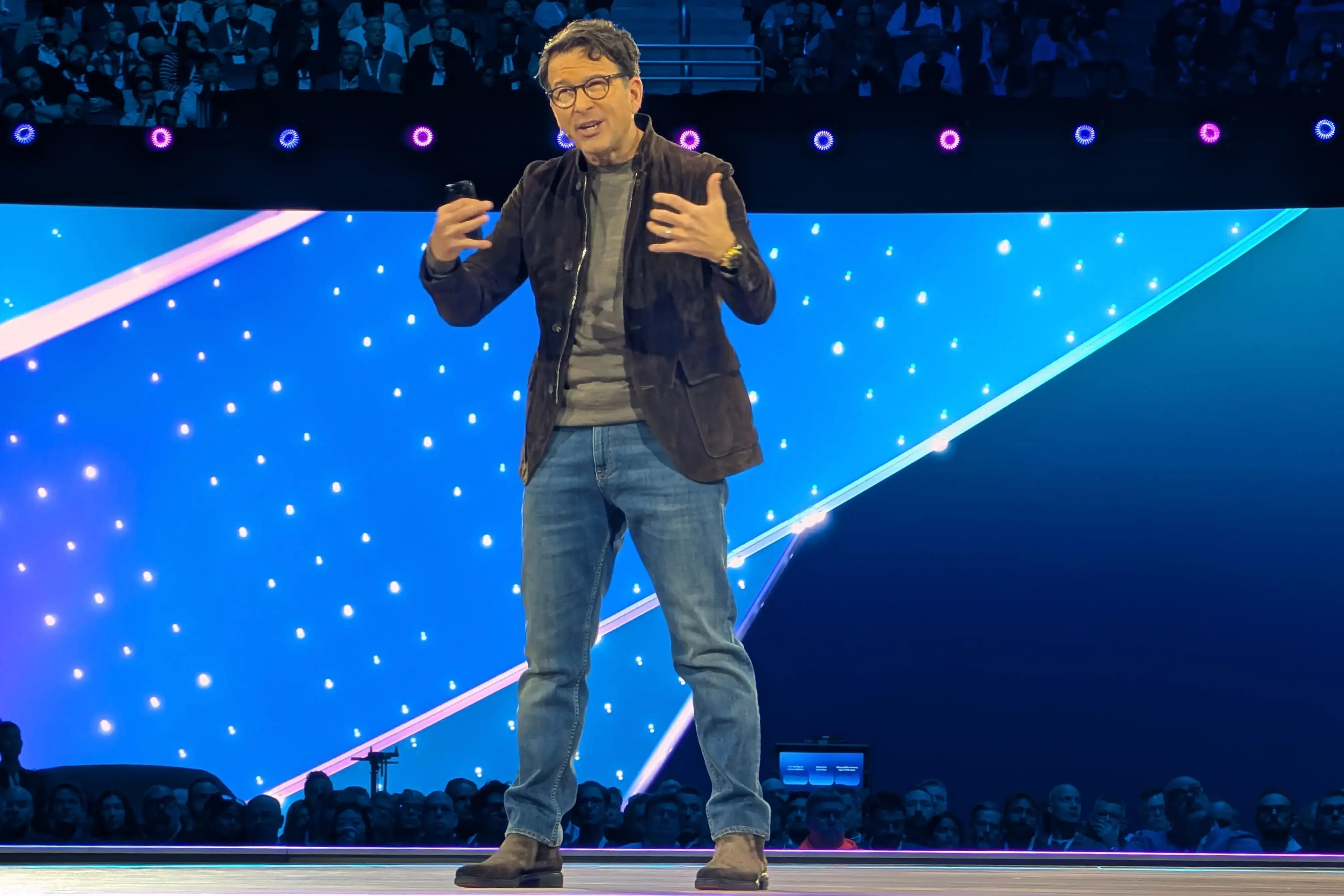 Judson Althoff, CEO, Microsoft Commercial Business
Microsoft sees India as among its most important global markets and will expand investment in data-centre infrastructure, build local capabilities, and use the country as a hub to serve other markets, said Judson Althoff, CEO of Microsoft Commercial Business.
Verbatim: “There’s no more important market than India for Microsoft. We need to make sure that we’re successful in serving India from India, as well as enabling India to serve more of the world,” Althoff told ET in an interview.
Infra bet: Microsoft is building an end-to-end AI stack, including frontier models under its Microsoft AI (MAI) portfolio, proprietary infrastructure, and silicon-chip capabilities. Althoff said this could cut frontier-model execution costs by 60-70%, while delivering comparable results.
“We can take 70% of the cost out of any frontier model execution and at the same time produce the same types of results,” he said. “I would say between 60% and 70% is what to expect. In some cases, it can be higher than that.”
Also Read: Satya Nadella vows to learn from Microsoft outage, flags AI safety concerns
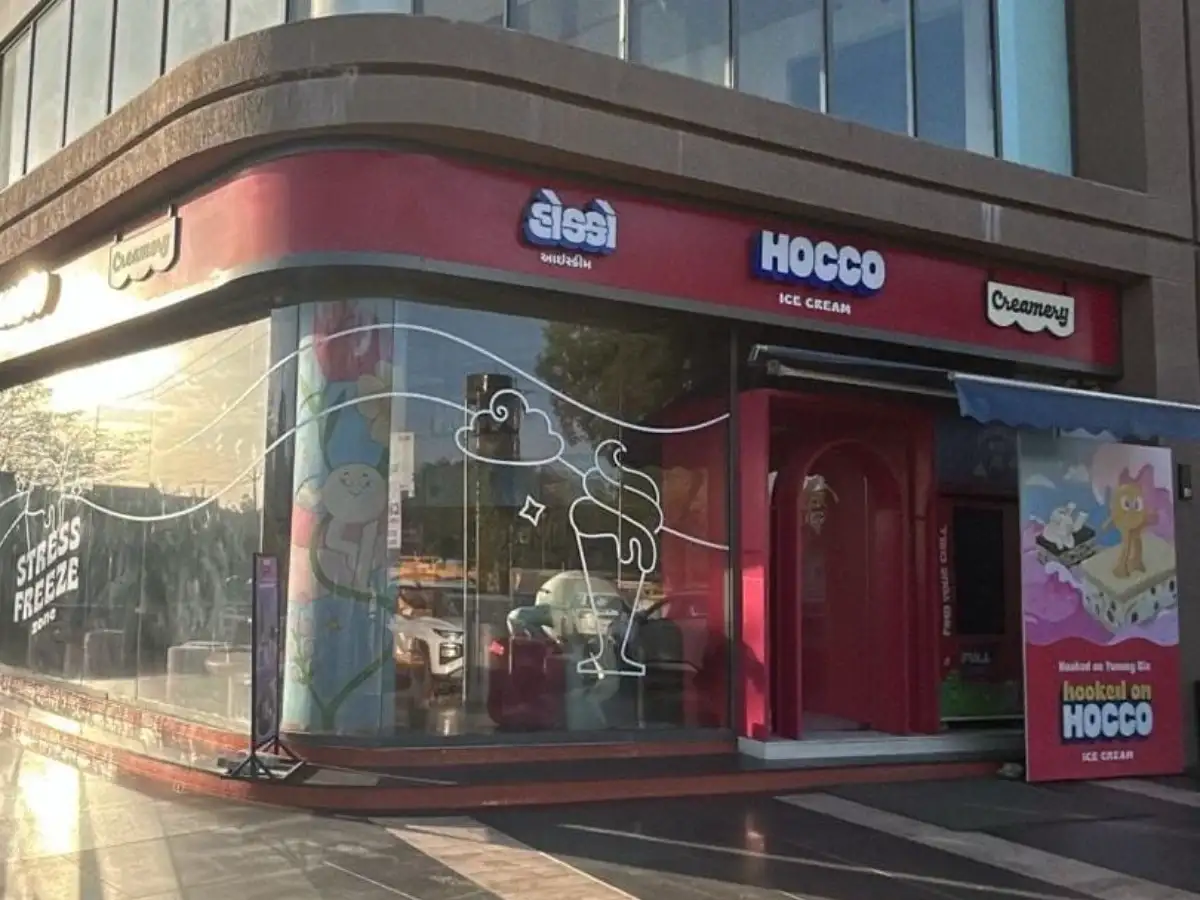
ChrysCapital, Investcorp, and Sofina have emerged as the final contenders for a minority stake in Ahmedabad-based ice cream maker Hocco, people familiar with the matter told us.
Deal details:
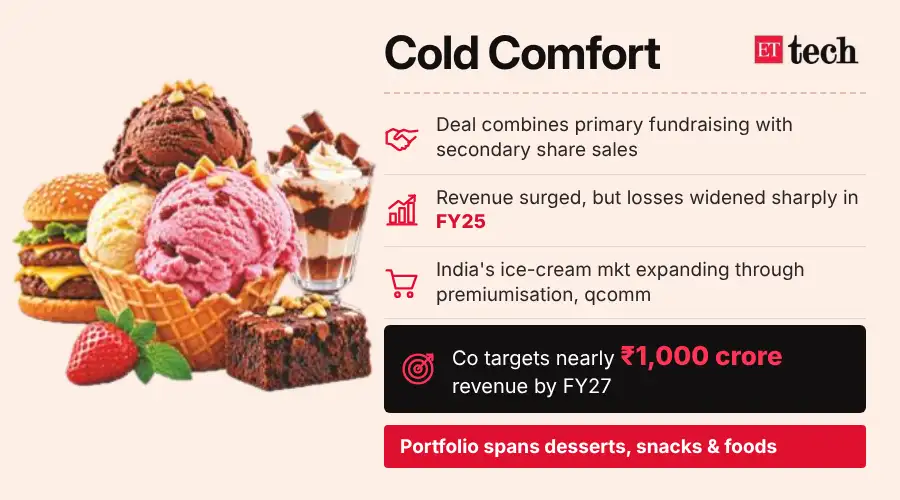
The business: Hocco was founded in 2023 by the Chona family, who earlier built Havmor and sold it to Lotte Confectionery for Rs 1,020 crore in 2017. Hocco’s revenue grew nearly sevenfold on-year to Rs 210.9 crore in FY25.
Hocco competes with Amul, Mother Dairy, Kwality Wall’s, and others. Reliance Consumer entered the space in October with Bombay Creamery.
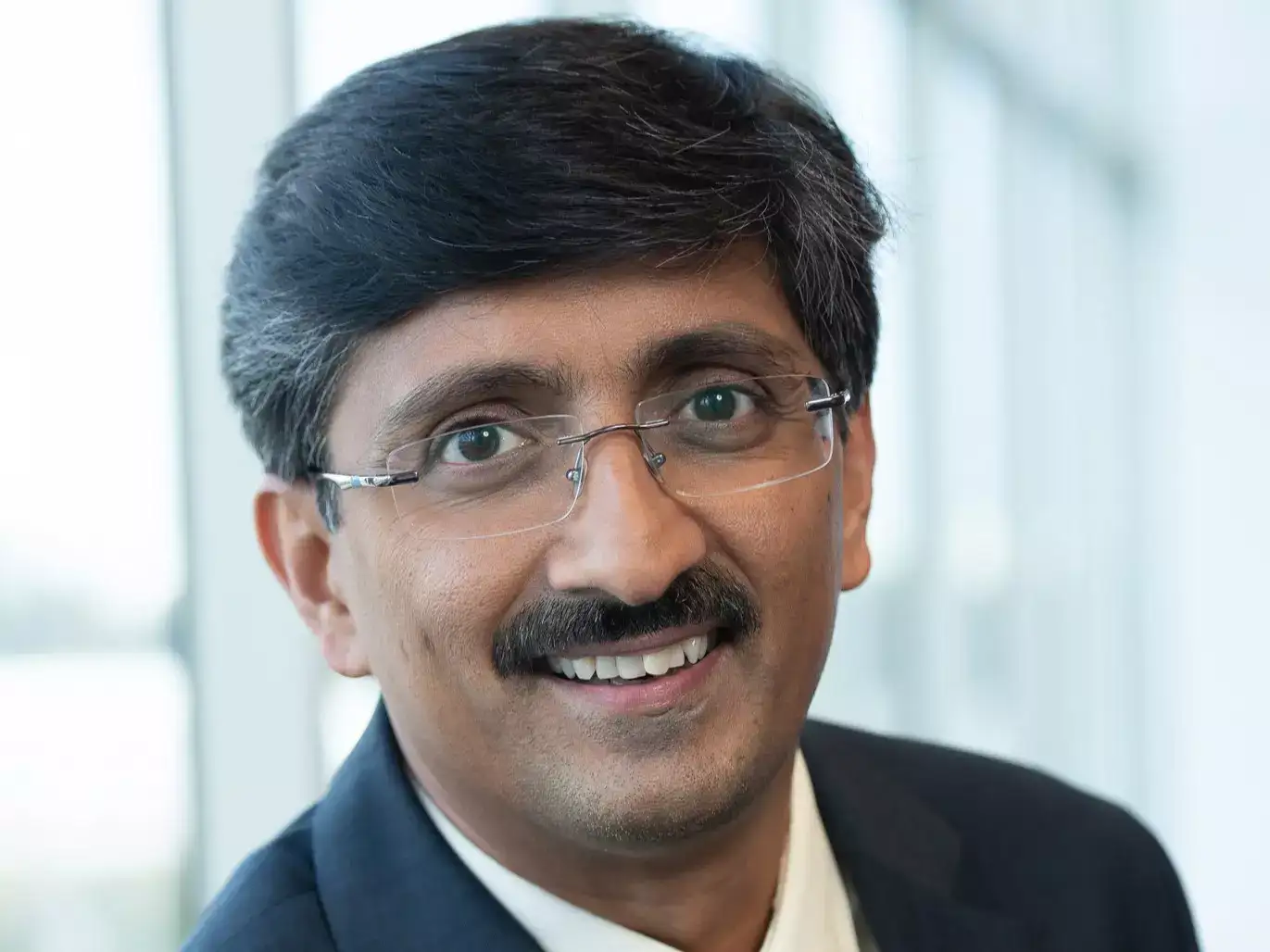 Intel India president Gokul V Subramaniam
 told us that the company sees opportunities in India’s AI and semiconductor ecosystem across data centres, edge computing, AI-enabled PCs, robotics, and chip design.
India play: “India is a very interesting country compared to any other geography” because it combines a large market with multiple digital use cases, Subramaniam said in an interview on Wednesday. Intel India is its largest design centre outside the US.
Focus area: According to Subramaniam, Intel will focus on “heterogeneous compute,” which means using CPUs, GPUs, and neural processing units for different AI workloads, rather than relying on a single type of high-end processor such as Nvidia’s Blackwell or Rubin chips.
Intel also sees opportunity in AI inferencing, where models generate responses. Edge processing can reduce latency, improve privacy, and lower network dependence, Subramaniam said.
Also in the letter:
■ Microsoft exec on India’s importance
■ PE funds in race for Hocco stake
■ Intel India’s AI play
Anthropic stock makes blockbuster debut on Nasdaq, closes 17% higher over IPO price
Anthropic shares rose sharply on Thursday after the biggest public listing ever, briefly taking the company’s valuation above $2 trillion.
Numbers:
- The stock began trading on Nasdaq at $111.50 per share, 34% higher than its IPO price of $83.
- It closed up 17% at $97.17.
- The Claude maker offered 980 million shares to the public, which, at the $83 per share price, translates into proceeds of $81 billion.
Making history: The IPO overtook SpaceX’s public debut as the biggest in the world. Strong demand for Anthropic shares, despite a broader tech selloff, highlighted continued investor appetite for pure-play AI companies, even as enthusiasm for the sector has cooled in recent weeks.
Cofounders make bank: Anthropic's record IPO has made each of its seven cofounders worth about $24 billion, or a combined $166 billion at Thursday's closing price, according to the Bloomberg Billionaires Index. It is an unusually even split of the spoils from the largest stock market debut on record.
Also Read: Anthropic's post-debut stumble delivers reality check for AI trade
Anthropic listing sparks rush among Indian investors for US tech stocks
Indian retail investors are piling into Anthropic shares after its listing, with demand for the AI giant outstripping that seen during SpaceX’s market debut in June.
Driving the news: Blockbuster US technology listings is attracting a new generation of Indian investors.
- On INDmoney, eight out of every 10 pre-market buy orders for US stocks were for Anthropic.
- There was strong trading activity on Vested Finance, where Anthropic accounted for 11% of total traded value on its first day and 9% of trade volume.
- Z Funds said 17% of retail investors holding US stock accounts on its platform had purchased Anthropic shares.
Also Read: TCS, Infosys, Persistent Systems, other IT stocks rally up to 4% on AI rout despite Anthropic’s stellar debut
SC clears way for Ola, Uber, Rapido bike taxis in Karnataka
The Supreme Court on Friday dismissed Karnataka’s appeal against the High Court ruling allowing bike taxi services, paving the way for the services in the state. Justices Satish Chandra Sharma and N Kotiswar Singh upheld the January 23 decision.
The HC ruling: A division bench of Chief Justice Vibhu Bakhru and Justice CM Joshi allowed appeals by ANI Technologies, which operates Ola, Uber and Rapido, and the Bike Taxi Welfare Association. They had challenged an April 2025 single-judge order barring operations until the state framed a policy.
Fine print: The high court held that motorcycles qualify as transport vehicles under the Motor Vehicles Act, 1988, so permits cannot be denied merely because they are two-wheelers. Authorities were directed to consider registration applications and grant contract carriage permits, with conditions they consider necessary.
The reasoning: The bench noted that bike taxis are legally permitted in 13 states and that the trade is protected under Article 19(1)(g) of the Constitution. It called the state’s ban a “de facto prohibition”, while maintaining that the sector can be regulated.
No market is more important than India, says Microsoft commercial chief
Microsoft sees India as among its most important global markets and will expand investment in data-centre infrastructure, build local capabilities, and use the country as a hub to serve other markets, said Judson Althoff, CEO of Microsoft Commercial Business.
Verbatim: “There’s no more important market than India for Microsoft. We need to make sure that we’re successful in serving India from India, as well as enabling India to serve more of the world,” Althoff told ET in an interview.
Infra bet: Microsoft is building an end-to-end AI stack, including frontier models under its Microsoft AI (MAI) portfolio, proprietary infrastructure, and silicon-chip capabilities. Althoff said this could cut frontier-model execution costs by 60-70%, while delivering comparable results.
“We can take 70% of the cost out of any frontier model execution and at the same time produce the same types of results,” he said. “I would say between 60% and 70% is what to expect. In some cases, it can be higher than that.”
Also Read: Satya Nadella vows to learn from Microsoft outage, flags AI safety concerns
ChrysCapital among three PE funds in race to buy minority stake in Hocco ice cream
ChrysCapital, Investcorp, and Sofina have emerged as the final contenders for a minority stake in Ahmedabad-based ice cream maker Hocco, people familiar with the matter told us.
Deal details:
- The proposed transaction involves selling a 10% stake through a mix of primary and secondary share at a potential valuation of about Rs 4,500 crore.
- This compares with the Rs 2,500 crore valuation in April, when Hocco raised about Rs 100 crore led by Sauce.
- Existing investor Sauce, which owns 21%, may sell around 1-3%.
- The NISA family trust holds a controlling stake of 54%.
The business: Hocco was founded in 2023 by the Chona family, who earlier built Havmor and sold it to Lotte Confectionery for Rs 1,020 crore in 2017. Hocco’s revenue grew nearly sevenfold on-year to Rs 210.9 crore in FY25.
Hocco competes with Amul, Mother Dairy, Kwality Wall’s, and others. Reliance Consumer entered the space in October with Bombay Creamery.
Intel India eyes population scale AI opportunity as company bets on heterogeneous computing
Intel India president Gokul V Subramaniam told us that the company sees opportunities in India’s AI and semiconductor ecosystem across data centres, edge computing, AI-enabled PCs, robotics, and chip design.
India play: “India is a very interesting country compared to any other geography” because it combines a large market with multiple digital use cases, Subramaniam said in an interview on Wednesday. Intel India is its largest design centre outside the US.
Focus area: According to Subramaniam, Intel will focus on “heterogeneous compute,” which means using CPUs, GPUs, and neural processing units for different AI workloads, rather than relying on a single type of high-end processor such as Nvidia’s Blackwell or Rubin chips.
Intel also sees opportunity in AI inferencing, where models generate responses. Edge processing can reduce latency, improve privacy, and lower network dependence, Subramaniam said.
Want this newsletter delivered to your inbox?
I agree to receive newsletters and marketing communications via e-mail