
 Daily Top 5 |
Anthropic's $1.5 trillion IPO; Microsoft vows to learn from outage
Want this newsletter delivered to your inbox?
I agree to receive newsletters and marketing communications via e-mail

Thank you for subscribing to Daily Top 5
We'll soon meet in your inbox.
Anthropic has raised $81.31 billion in its IPO, making it the largest stock market debut. This and more in today's ETtech Top 5.
Also in the letter:
■ Rising cyber risks
■ Palo Alto Networks' $4.5 billion AI deal
■ Meta seeks India policy chief

The Anthropic IPO raised $81.31 billion on Wednesday, eclipsing SpaceX's offering to claim the title of the largest stock market debut on record.
The details:
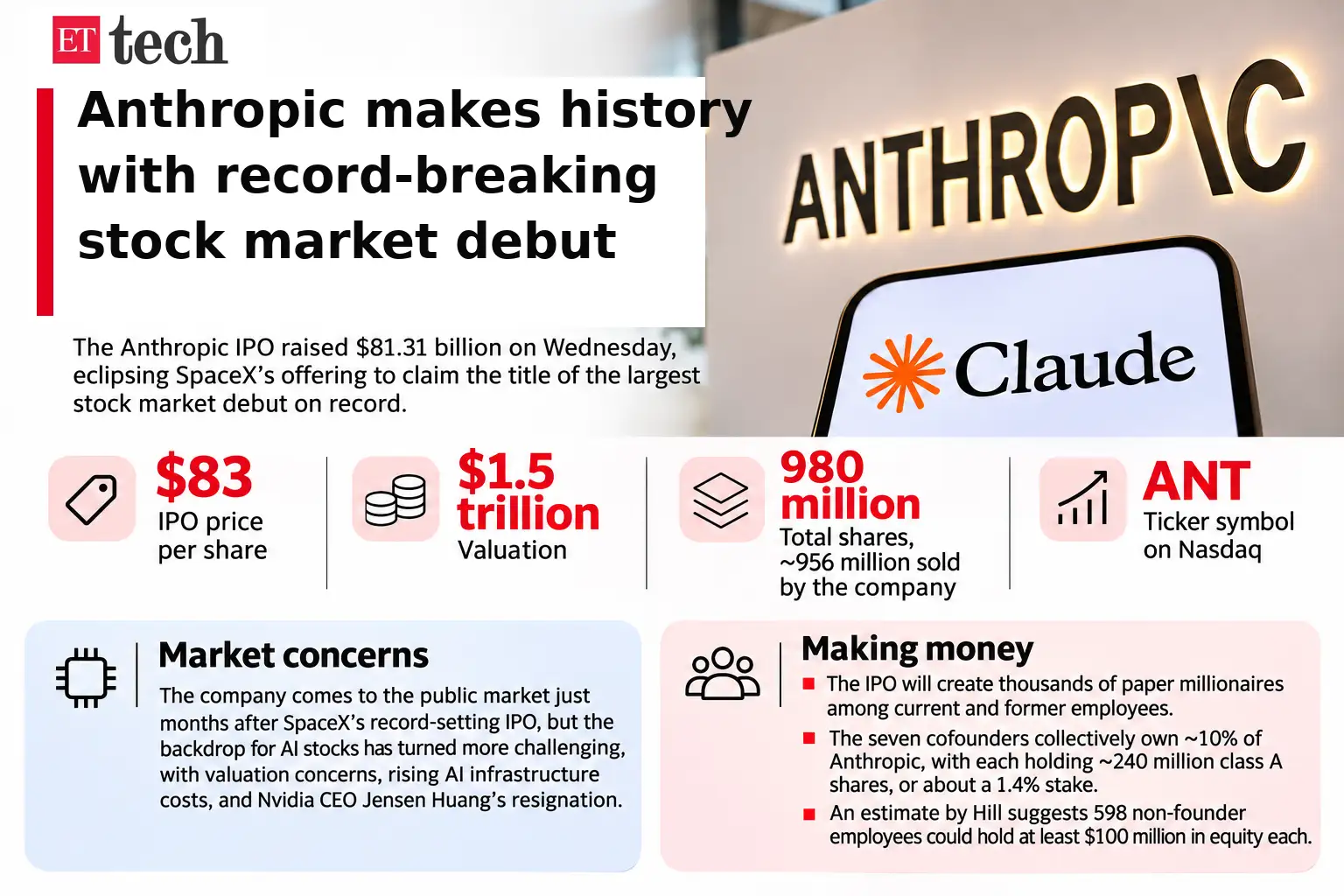
Market concerns: The company has come to the public market just months after SpaceX's record-setting IPO, but the backdrop for AI stocks has turned more challenging.
Chipmakers and cloud companies have come under pressure in recent weeks due to valuation concerns, mounting AI infrastructure costs, and the sudden resignation of Jensen Huang as CEO of chipmaker Nvidia.
Making money: Anthropic's IPO will create thousands of paper millionaires among current and former employees. The seven cofounders collectively own around 10% of Anthropic, with each having approximately 240 million class A shares, representing a stake of about 1.4%.
Hill, a San Francisco-based private-share marketplace, estimates that 598 non-founder employees could hold at least $100 million in equity each after the listing.

The seven cofounders of Anthropic, which was founded in 2021, left OpenAI to establish the AI company. They collectively own around 10% of Anthropic, with each owning approximately 240 million Class A shares, representing a stake of about 1.4%.
The seven cofounders:
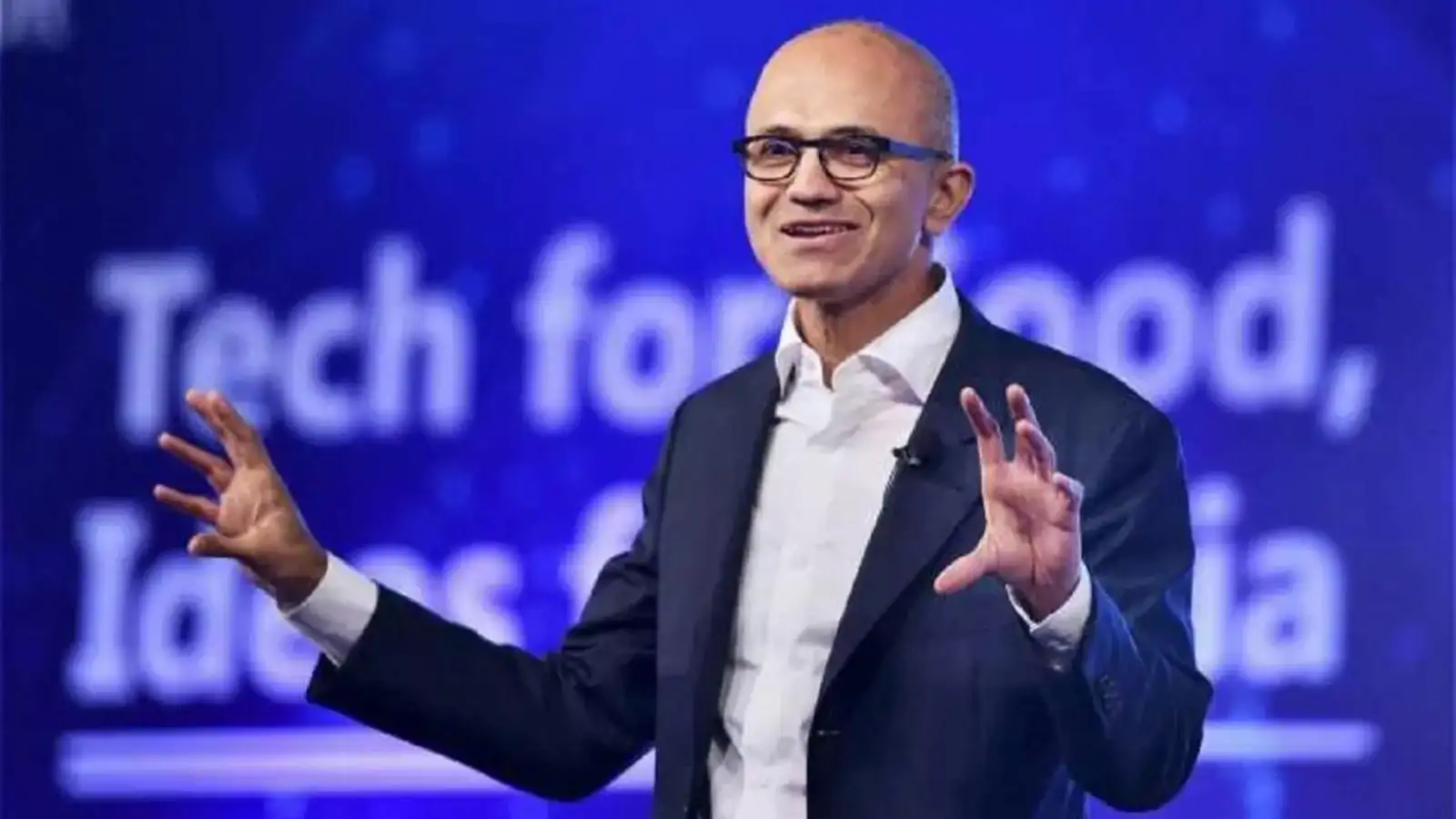 Microsoft CEO Satya Nadella
In a direct reference to last week’s outage at Microsoft, chief executive Satya Nadella said that "we take the responsibility entrusted by the world on us extremely seriously… we are committed to ensuring that we learn and we continuously improve."
He was speaking at the opening keynote of the company's flagship event, Ignite in San Francisco.
AI safety concerns: Nadella also raised concerns over the security and reliability of increasingly powerful artificial intelligence (AI) models, saying the industry still cannot fully understand their internal workings or reliably establish whether their actions are aligned with human intentions.
Transparency push: Microsoft announced an AI Transparency Initiative to address this gap, with the aim of developing open industry standards to independently verify AI systems and their actions. Around 40 organisations are working with it to define and apply the standards, which it plans to build into its Microsoft AI (MAI) models, Azure AI Foundry and Copilot.
Also Read: Microsoft glitch deals $200 million billing blow to Indian IT industry
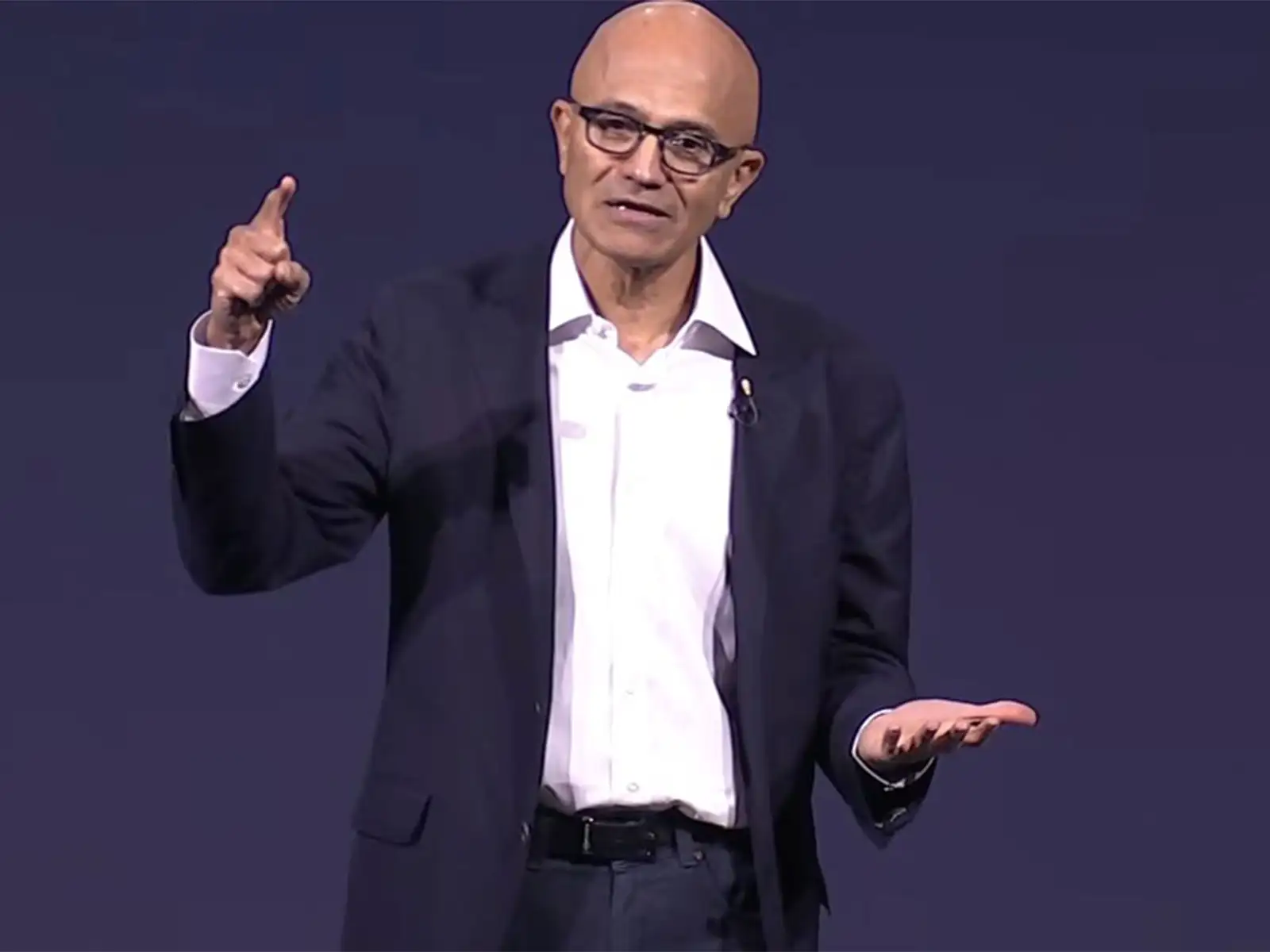
Microsoft CEO Satya Nadella, speaking at the New York Times' DealBook Summit on Wednesday, explained why the company offered voluntary exits to 60,000 employees last month.
Why buyouts: The CEO explained that the primary aim of offering voluntary buyouts was to give employees greater agency over their career decisions, along with financial support. With the advent of AI, the way teams are organised and the work engineers do will change significantly, said Nadella.
The company does not plan to replace humans with AI, but rather reorganise work so that every employee manages AI agents, he added.

Fears of a "cyberpocalypse" are mounting as outages hit Microsoft services, airlines, banks, and consumer platforms, and enterprises see potential output losses worth billions.
One vendor, many victims: Though separate incidents, they expose heavy dependence on vulnerable digital infrastructure.
That dependence showed when malicious code entered via Optimizely’s testing platform and infected over 170 organisations. The code carried Optimizely's own security certificate, making it appear legit. Any Indian site loading code from outside vendors faces similar risk, say experts, particularly banks, fintechs, ecommerce, travel firms, and crypto exchanges.
AI raises the stakes: Adding to the danger, Google's Threat Intelligence Group has for the first time seen attackers using AI to find and exploit flaws without human intervention, giving enterprises less time to identify and fix them.
Software vulnerabilities have risen sharply since April 2026, making it harder for organisations to prioritise what to fix. In India, attackers have also targeted payment and loan-disbursal systems using login details stolen from partner banks and other service providers to bypass KYC and loan checks.
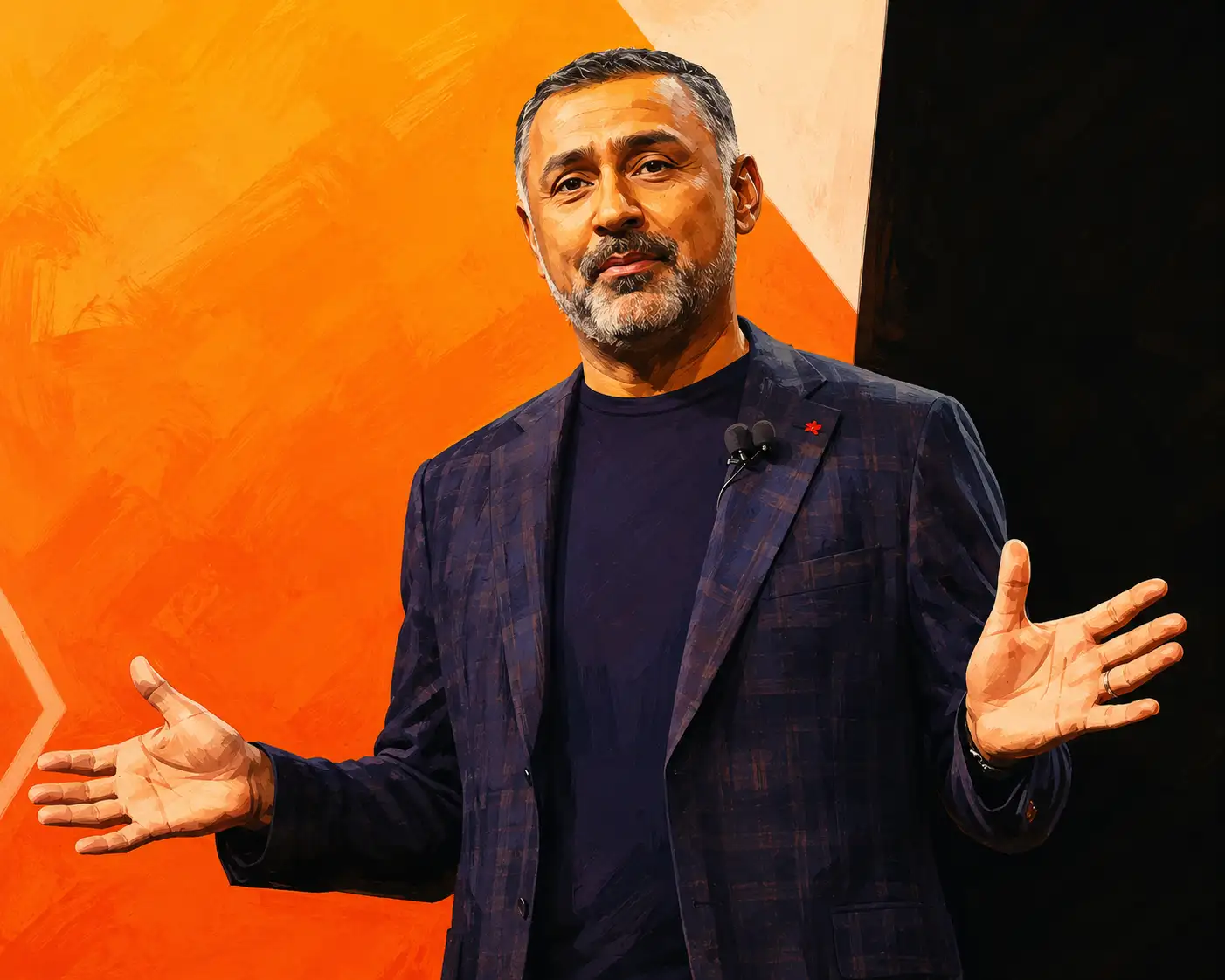 Nikesh Arora, CEO of Palo Alto Networks
Palo Alto Networks has agreed to acquire Applied Compute, a platform for post-training and inference of open-weight AI models, in an all-stock deal valued at $4.5 billion.
Details: Subject to regulatory clearance, the buyout is expected to close in the company's fiscal third quarter of 2027. As part of the deal, Applied Compute cofounder and CEO Yash Patil becomes co-chief AI officer at the cybersecurity giant.
Why the deal: The acquisition will help enterprises train, adapt, and deploy open-weight models securely across public and sovereign clouds. Palo Alto said in a statement that no large provider does this securely today and intends to be that partner. It expects enterprise AI to be hybrid, with many firms running models tuned to their own data, cost, and control needs.
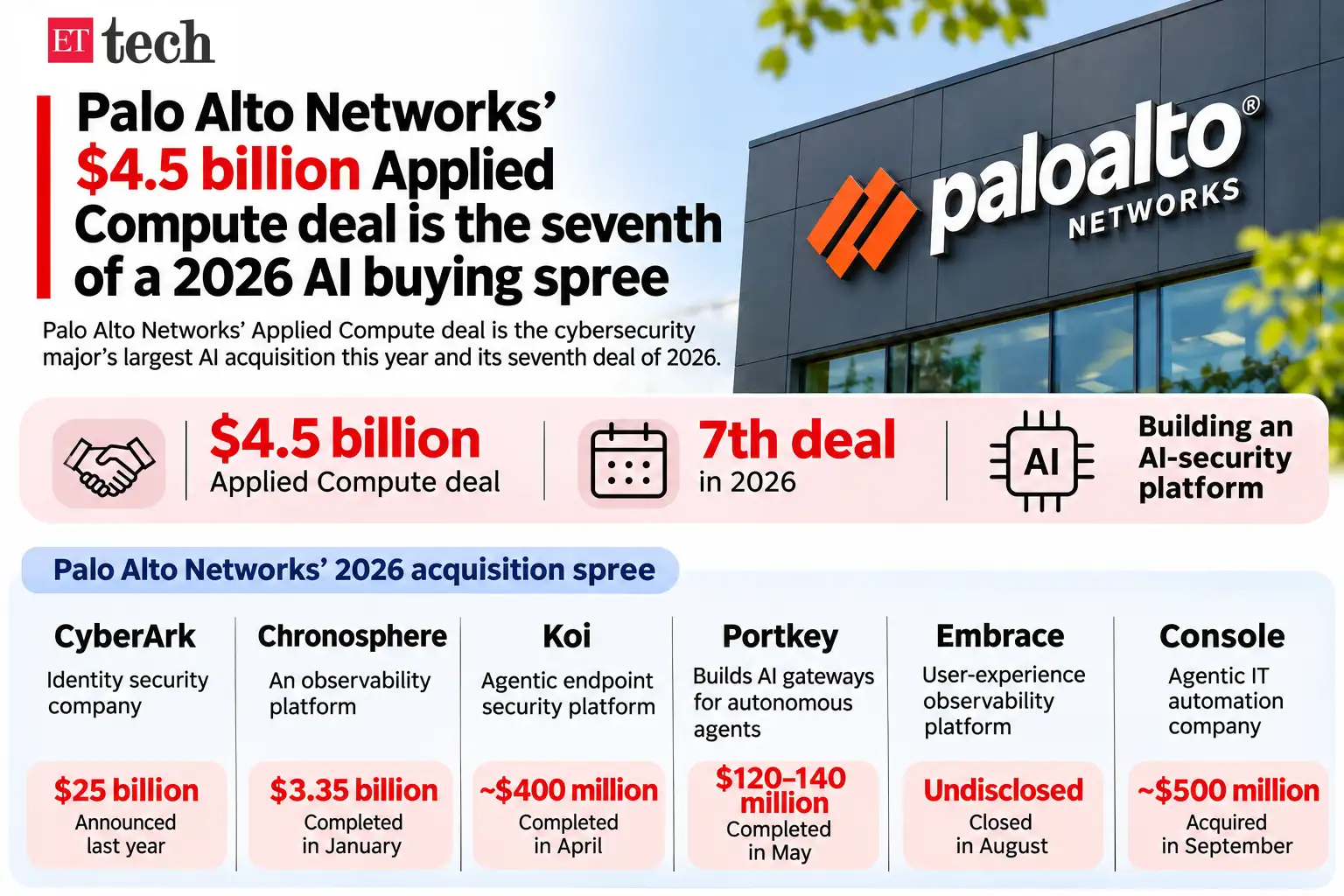
Cyber play: This is the cybersecurity major's largest AI acquisition this year and its seventh deal of 2026. The Santa Clara-based company has spent the year assembling the pieces of an AI-security platform.
Palo Alto Networks' Applied Compute deal is the cybersecurity major's largest AI acquisition this year and its seventh deal of 2026.
Also Read: Most jobs are not going anywhere soon; AI is good for deterministic problems right now: Nikesh Arora
Meta is looking for a vice president of public policy in India to repair its strained relationship with the government, people familiar with the matter told Bloomberg.
What’s the news: The role hasn't been advertised publicly. Senior director Aman Jain, who currently leads government relations, would report to the new hire.
The ties have been tested in the past year.
India matters: India is Meta's largest market by users for Facebook, Instagram, and WhatsApp, with huge room for sales growth. It is also an important testing ground for deploying Meta's open source Llama models to deepen engagement and unlock new monetisation.
Also in the letter:
■ Rising cyber risks
■ Palo Alto Networks' $4.5 billion AI deal
■ Meta seeks India policy chief
Anthropic prices IPO at $83 per share, valuing the AI giant at $1.5 trillion
The Anthropic IPO raised $81.31 billion on Wednesday, eclipsing SpaceX's offering to claim the title of the largest stock market debut on record.
The details:
- The IPO was priced at $83 per share, above its indicated price range.
- This values the AI giant at $1.5 trillion.
- The offering consists of 980 million shares, roughly 956 million of which were sold by the company and the rest by existing stockholders.
- The stock will begin trading on the Nasdaq under the ticker symbol 'ANT.'
Market concerns: The company has come to the public market just months after SpaceX's record-setting IPO, but the backdrop for AI stocks has turned more challenging.
Chipmakers and cloud companies have come under pressure in recent weeks due to valuation concerns, mounting AI infrastructure costs, and the sudden resignation of Jensen Huang as CEO of chipmaker Nvidia.
Making money: Anthropic's IPO will create thousands of paper millionaires among current and former employees. The seven cofounders collectively own around 10% of Anthropic, with each having approximately 240 million class A shares, representing a stake of about 1.4%.
Hill, a San Francisco-based private-share marketplace, estimates that 598 non-founder employees could hold at least $100 million in equity each after the listing.
Meet the seven cofounders who built Anthropic, now going public
The seven cofounders of Anthropic, which was founded in 2021, left OpenAI to establish the AI company. They collectively own around 10% of Anthropic, with each owning approximately 240 million Class A shares, representing a stake of about 1.4%.
The seven cofounders:
- Dario Amodei (CEO): Leads Anthropic's research and overall strategy.
- Daniela Amodei (President): Oversees governance and commercial operations.
- Tom Brown (CTO): Leads computing resources teams.
- Jared Kaplan (Chief Science Officer): Heads Anthropic's technical research.
- Sam McCandlish (Chief Architect): Helps shape the company’s responsible AI framework.
- Chris Olah: Leads interpretability research at Anthropic.
- Jack Clark (Head of Public Benefit): Leads The Anthropic Institute.
Satya Nadella vows to learn from Microsoft outage, flags AI safety concerns
In a direct reference to last week’s outage at Microsoft, chief executive Satya Nadella said that "we take the responsibility entrusted by the world on us extremely seriously… we are committed to ensuring that we learn and we continuously improve."
He was speaking at the opening keynote of the company's flagship event, Ignite in San Francisco.
AI safety concerns: Nadella also raised concerns over the security and reliability of increasingly powerful artificial intelligence (AI) models, saying the industry still cannot fully understand their internal workings or reliably establish whether their actions are aligned with human intentions.
Transparency push: Microsoft announced an AI Transparency Initiative to address this gap, with the aim of developing open industry standards to independently verify AI systems and their actions. Around 40 organisations are working with it to define and apply the standards, which it plans to build into its Microsoft AI (MAI) models, Azure AI Foundry and Copilot.
Also Read: Microsoft glitch deals $200 million billing blow to Indian IT industry
It’s about giving employees agency: Microsoft CEO Nadella’s claim about 60,000 buyouts
Microsoft CEO Satya Nadella, speaking at the New York Times' DealBook Summit on Wednesday, explained why the company offered voluntary exits to 60,000 employees last month.
Why buyouts: The CEO explained that the primary aim of offering voluntary buyouts was to give employees greater agency over their career decisions, along with financial support. With the advent of AI, the way teams are organised and the work engineers do will change significantly, said Nadella.
The company does not plan to replace humans with AI, but rather reorganise work so that every employee manages AI agents, he added.
Indian banks, fintechs face rising cyber risk as AI makes attacks harder to stop
Fears of a "cyberpocalypse" are mounting as outages hit Microsoft services, airlines, banks, and consumer platforms, and enterprises see potential output losses worth billions.
One vendor, many victims: Though separate incidents, they expose heavy dependence on vulnerable digital infrastructure.
That dependence showed when malicious code entered via Optimizely’s testing platform and infected over 170 organisations. The code carried Optimizely's own security certificate, making it appear legit. Any Indian site loading code from outside vendors faces similar risk, say experts, particularly banks, fintechs, ecommerce, travel firms, and crypto exchanges.
AI raises the stakes: Adding to the danger, Google's Threat Intelligence Group has for the first time seen attackers using AI to find and exploit flaws without human intervention, giving enterprises less time to identify and fix them.
Software vulnerabilities have risen sharply since April 2026, making it harder for organisations to prioritise what to fix. In India, attackers have also targeted payment and loan-disbursal systems using login details stolen from partner banks and other service providers to bypass KYC and loan checks.
Palo Alto Networks to acquire AI startup Applied Compute in $4.5 billion all-stock deal
Palo Alto Networks has agreed to acquire Applied Compute, a platform for post-training and inference of open-weight AI models, in an all-stock deal valued at $4.5 billion.
Details: Subject to regulatory clearance, the buyout is expected to close in the company's fiscal third quarter of 2027. As part of the deal, Applied Compute cofounder and CEO Yash Patil becomes co-chief AI officer at the cybersecurity giant.
Why the deal: The acquisition will help enterprises train, adapt, and deploy open-weight models securely across public and sovereign clouds. Palo Alto said in a statement that no large provider does this securely today and intends to be that partner. It expects enterprise AI to be hybrid, with many firms running models tuned to their own data, cost, and control needs.
Cyber play: This is the cybersecurity major's largest AI acquisition this year and its seventh deal of 2026. The Santa Clara-based company has spent the year assembling the pieces of an AI-security platform.
Palo Alto Networks’ $4.5 billion Applied Compute deal is the seventh of a 2026 AI buying spree
Palo Alto Networks' Applied Compute deal is the cybersecurity major's largest AI acquisition this year and its seventh deal of 2026.
Also Read: Most jobs are not going anywhere soon; AI is good for deterministic problems right now: Nikesh Arora
Meta looks to hire new India policy chief to repair frayed govt ties
Meta is looking for a vice president of public policy in India to repair its strained relationship with the government, people familiar with the matter told Bloomberg.
What’s the news: The role hasn't been advertised publicly. Senior director Aman Jain, who currently leads government relations, would report to the new hire.
The ties have been tested in the past year.
- The government blocked the rollout of WhatsApp's new 'username' feature over fears of fraud.
- Meta was pulled up over child sexual abuse material on its platforms. It has since removed more explicit Instagram content.
- In August, Joel Kaplan apologised to Indian officials for temporarily restricting a Facebook post of PM Narendra Modi.
India matters: India is Meta's largest market by users for Facebook, Instagram, and WhatsApp, with huge room for sales growth. It is also an important testing ground for deploying Meta's open source Llama models to deepen engagement and unlock new monetisation.
Want this newsletter delivered to your inbox?
I agree to receive newsletters and marketing communications via e-mail