
 Daily Top 5 Daily Top 5 |
Amazon's $35 billion India top-up; Meesho investors hit jackpot
Want this newsletter delivered to your inbox?
I agree to receive newsletters and marketing communications via e-mail

Thank you for subscribing to Daily Top 5
We'll soon meet in your inbox.
Amazon is doubling down on its long-term plans in India. This and more in today's ETtech Top 5.
Also in the letter:
■ Uber enters B2B logistics
■ IAN closes $100M fund
■ Aussie teens go offline
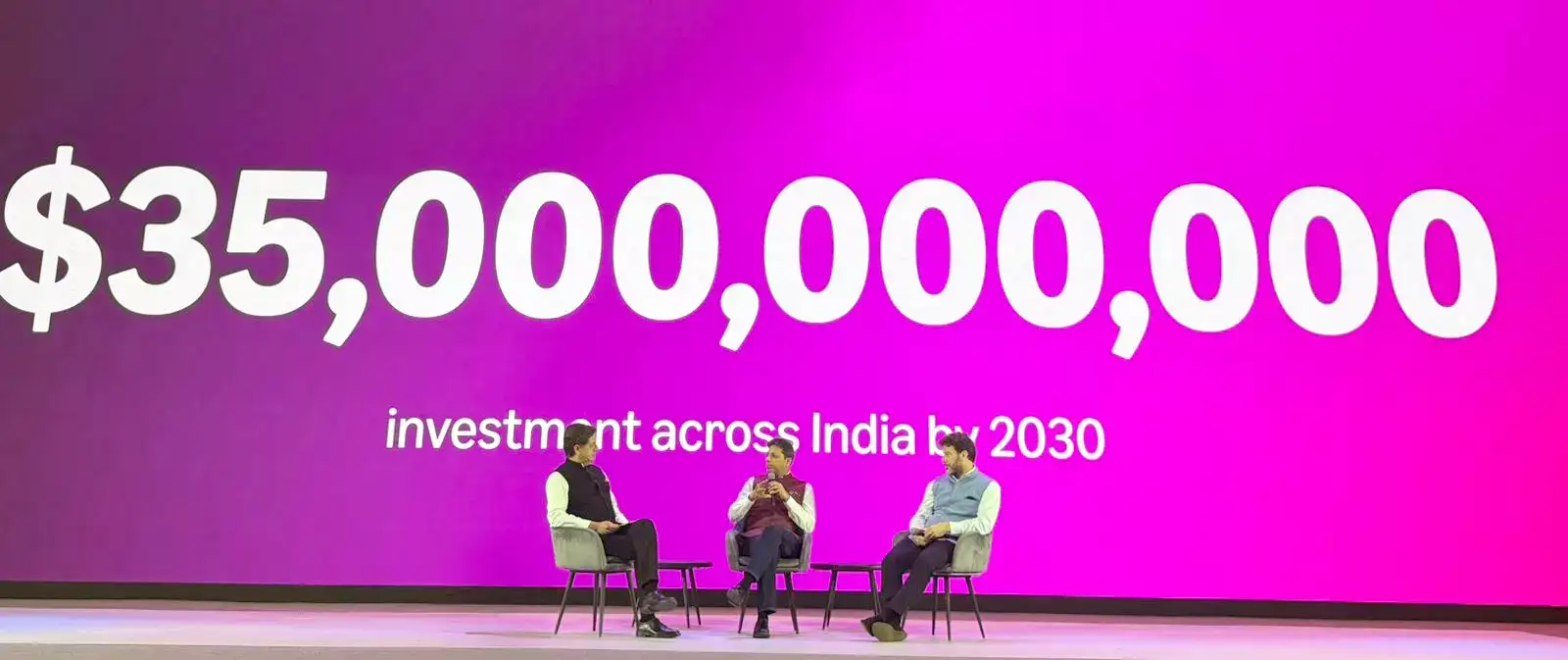
Amazon on Wednesday said it was lifting its investment commitment in the country to $35 billion by the end of the decade, as global technology giants jostle to lock in a long-term foothold in one of the world's fastest-growing digital markets.
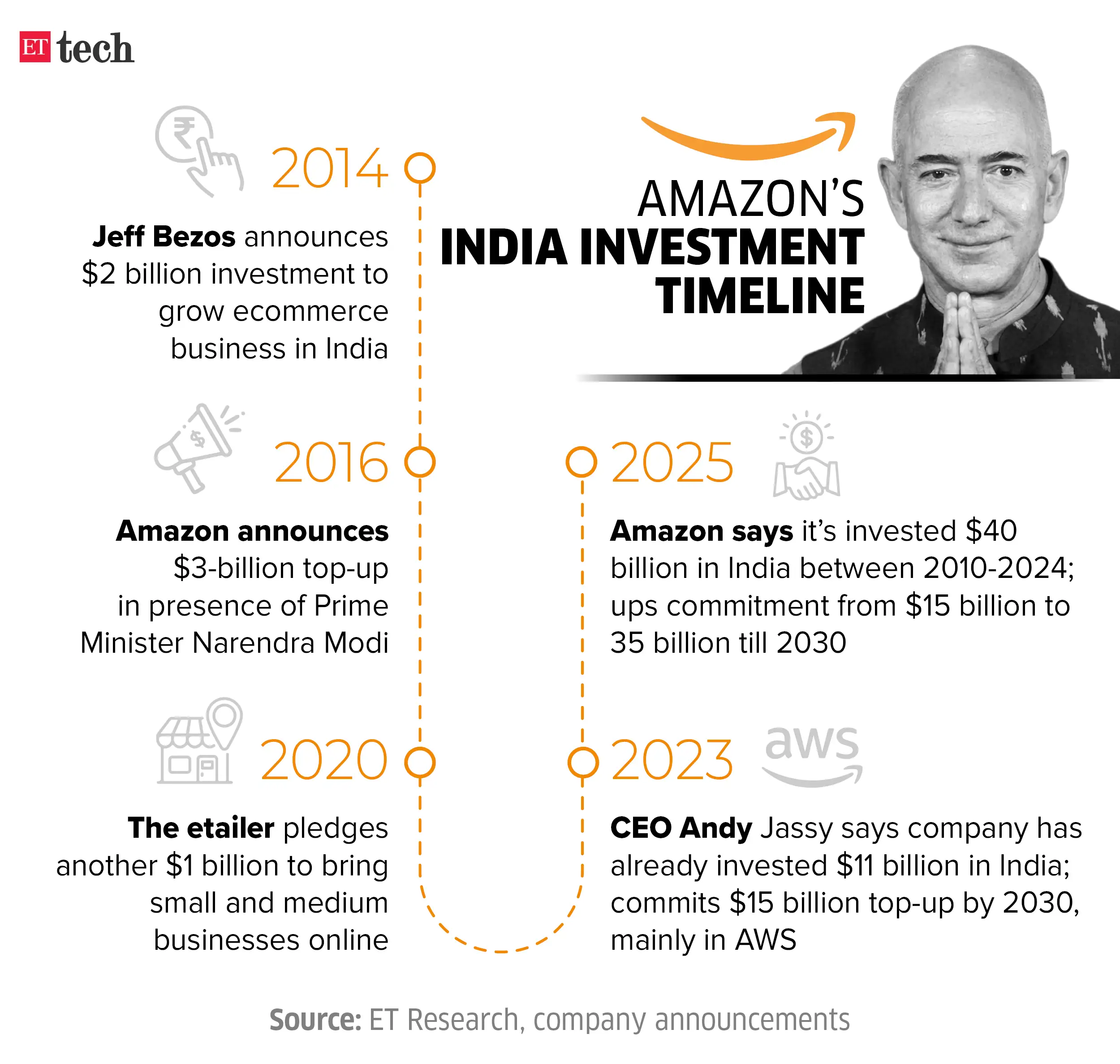
The expanded commitment builds on the $15-billion pledge made by CEO Andy Jassy in 2023. The Seattle-based ecommerce giant has invested $40 billion between 2010 and 2024.
Driving the news: The fresh funds will be channelled into artificial intelligence capabilities, cloud infrastructure, and a deeper logistics network, reinforcing India’s growing role as a core operating geography rather than a peripheral growth market.
The ground game: Amazon's renewed push comes amid heightened competitive pressure. Rival Flipkart is gearing up for a long-anticipated public listing, while Meesho made a strong debut on Dalal Street earlier today. Beyond ecommerce, Amazon is also sharpening its play in quick commerce, taking on Swiggy Instamart, Eternal-owned Blinkit, and Zepto. Over the past year, the company has also tightened spending in India, paring losses even as it expands into newer formats.
Also Read: Q-comm set to grow in '26; whether it’ll make money remains unclear: Amazon India chief
One-upping: The announcement lands amid a flurry of big-ticket technology investments into India.
Bigger picture: The investment wave has been accompanied by a steady procession of global tech leaders to New Delhi. Prime Minister Narendra Modi met CEOs, including Microsoft's Satya Nadella, Intel's Lip-Bu Tan, and Cognizant's Ravi Kumar S, in recent days, signalling India’s emergence as a multi-decade destination for capital in cloud, AI, and semiconductors.
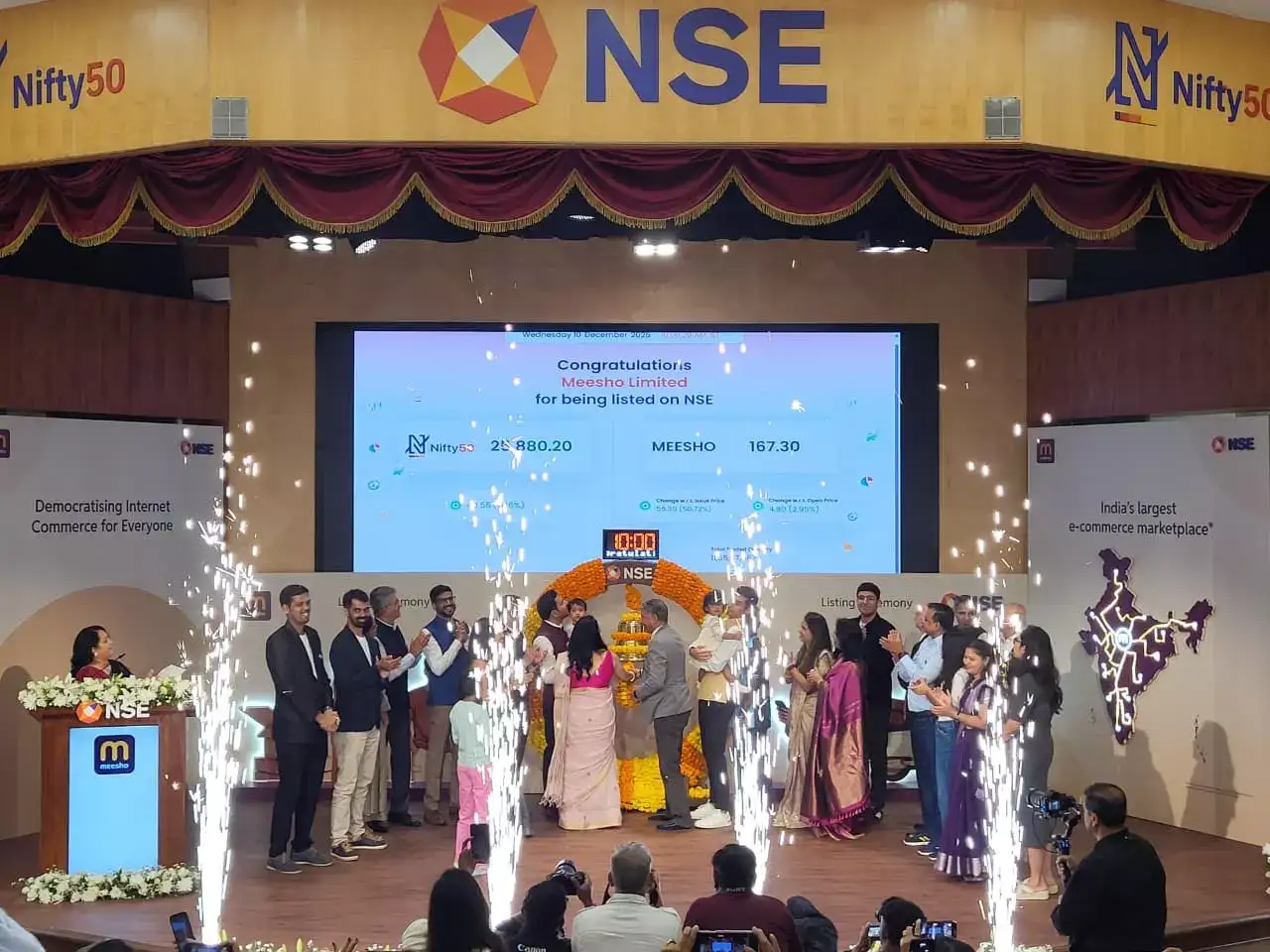
Meesho's blockbuster listing has delivered a sharp payoff for founders and early backers, with the stock debuting at nearly a 46% premium and unlocking massive gains for long-term shareholders.
Investor returns:
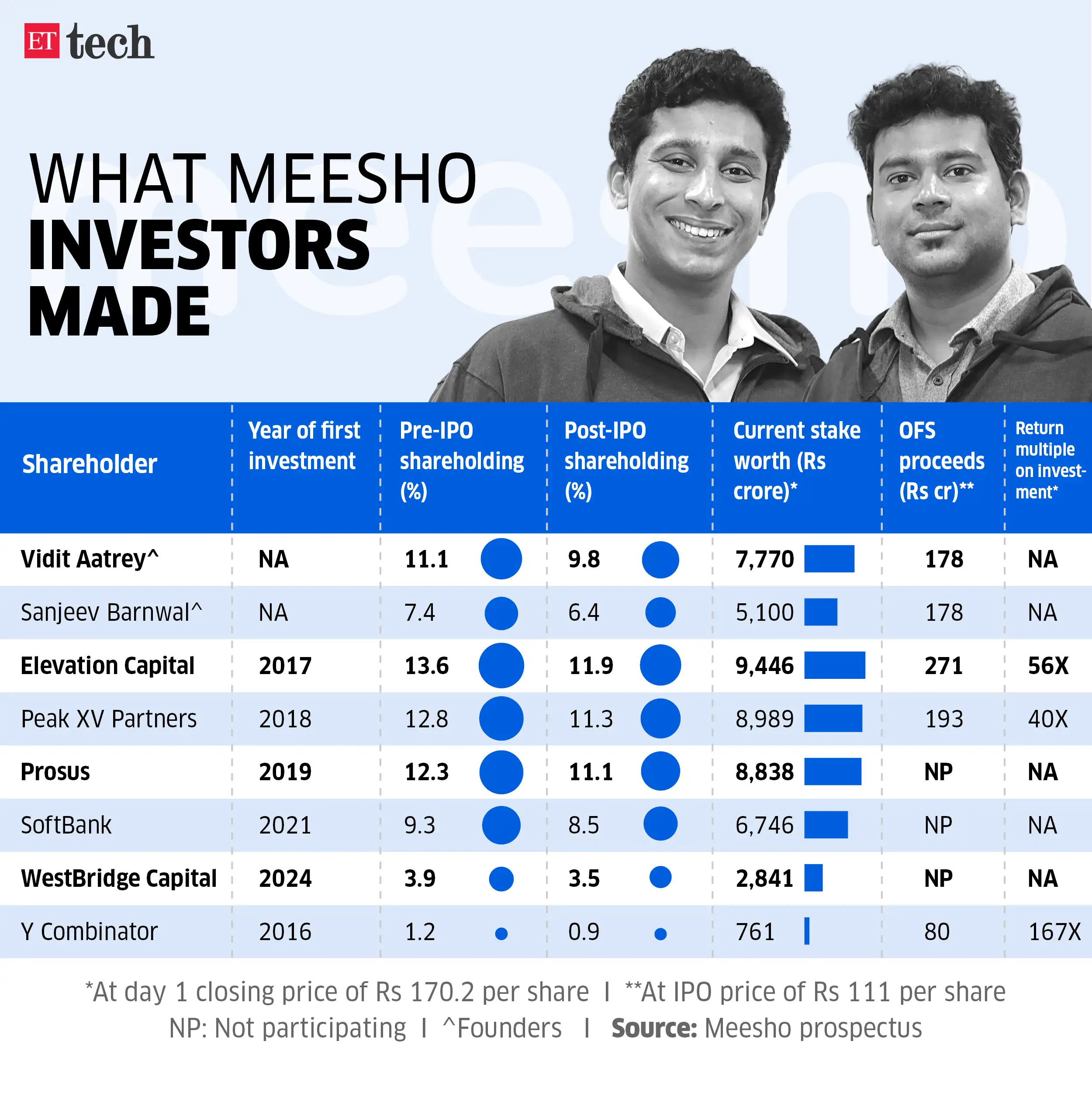
Holding firm: Shareholders who skipped the OFS are sitting on sizeable notional gains as well. Prosus, which owns 51.9 crore shares, now has a holding valued at over Rs 8,371 crore.
Meesho closed its first day of trade at Rs 170.20 on the BSE, giving it a market capitalisation of Rs 76,813.49 crore.
Also Read: Meesho IPO: There’s no slowdown, India among the least penetrated ecommerce markets globally: CEO Vidit Aatrey
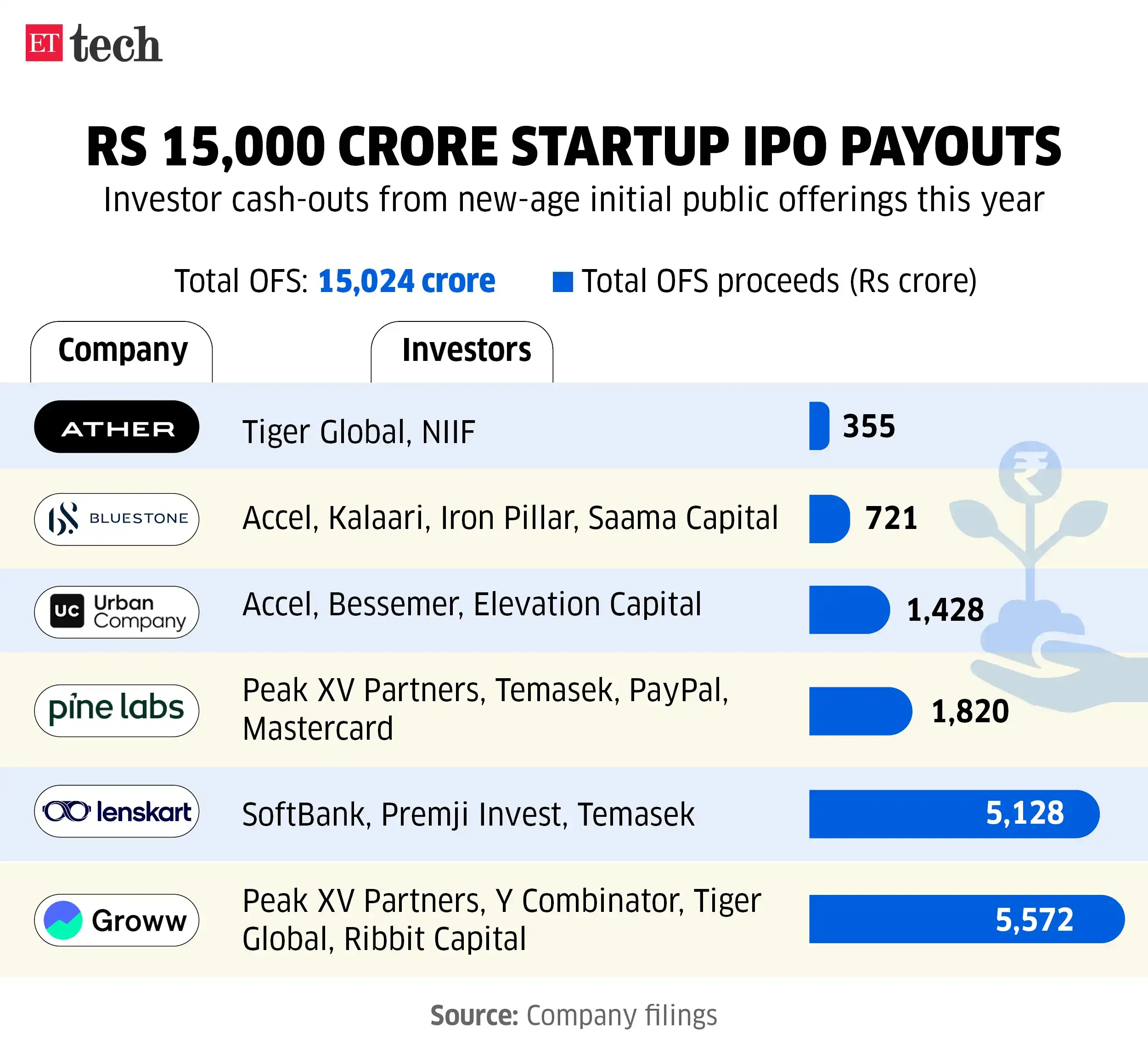
High on gains: The debut adds to a busy year for venture-backed listings. Startups such as Urban Company, Lenskart, Groww, Ather Energy, Bluestone, and Pine Labs have already unlocked more than Rs 15,000 crore in liquidity for early and late investors in 2025, marking one of the strongest exit cycles since the 2021-22 boom.
Also Read: On listing day, Vidit Aatrey says Meesho’s journey to Dalal Street has been surreal
Tune in: Meesho CEO Vidit Aatrey in a conversation with ETtech's Samidha Sharma and Pranav Mukul on The Morning Brief podcast here.
Also Read: Meesho expanded ecomm beyond India’s top 5%, say executives, backers
 Prabhjeet Singh, President of Uber India and South Asia
Uber has entered India’s B2B delivery space with its hyperlocal logistics service Uber Direct, integrated with ONDC
What's new: Uber Direct is now live in Bengaluru as a plug-and-play solution for businesses
How it works: Unlike Uber Courier, the new service won't cater to direct customers. Businesses can place orders on a seller's app, and Uber will handle last-mile fulfillment.
Competitors: Uber is taking aim at established B2B logistics players like Shadowfax, Delhivery, and Loadshare.
Also Read: Ecommerce's in-house delivery turn flips third-party logistics biz script
 Padmaja Ruparel, cofounder, IAN Group
The IAN Group has closed its second venture capital fund at $100 million, aimed at backing early-stage, tech-led startups tackling major national and industry needs.
Sector focus: The fund has already invested in 10–12 startups across AI, space, semiconductors, climate tech and healthcare, including several founded by first-time entrepreneurs in tier-2 and tier-3 cities.
Investors: Backers include government bodies, Sidbi’s Fund of Funds for Startups, the Self-Reliant India Fund, ACE Fund, Nabard, the Odisha Startup Growth Fund and HDFC Life.
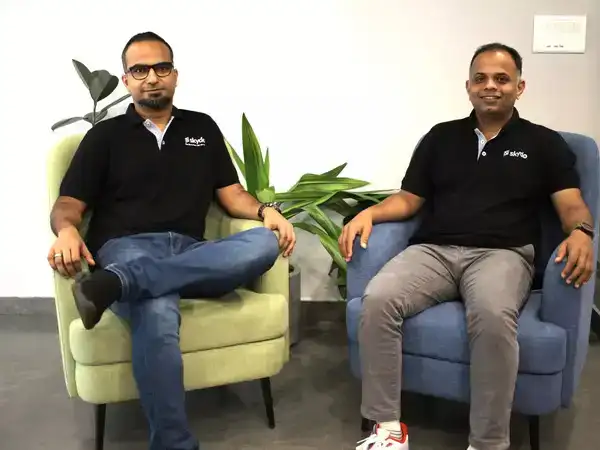 (L-R) Movin Jain and Srivatsan Sridhar, founders, Skydo
Cross-border payments startup Skydo has secured $10 million (around Rs 90 crore) in new funding, led by US-based Susquehanna Investment Group (Susquehanna Asia VC).
Funding details:
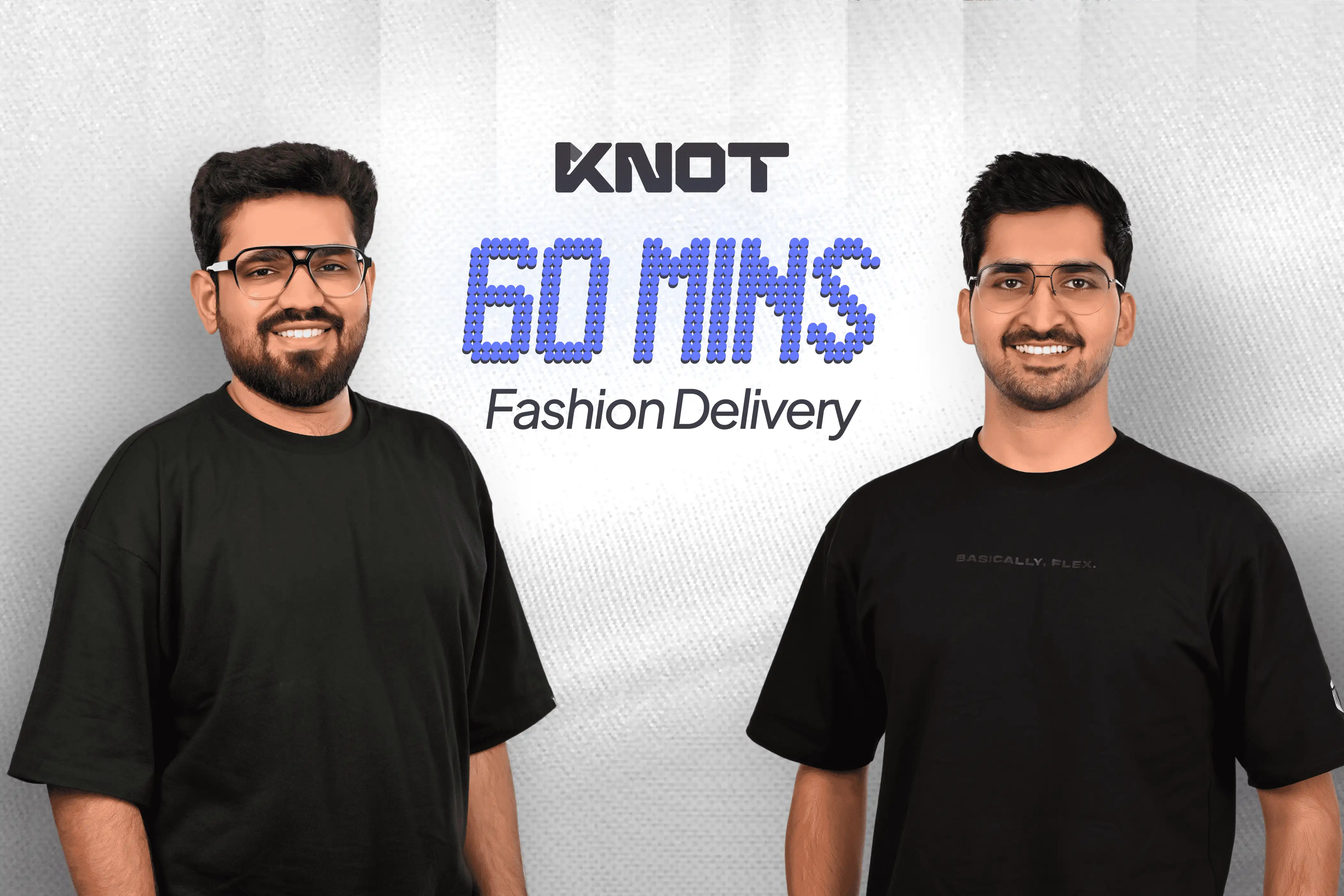 (L-R) Rachit Bansal and Archit Nanda, founders, Knot
Mumbai-based quick-fashion delivery startup Knot has raised $5 million in funding, in a round led by 12 Flags, with participation from existing investors Kae Capital and Boundless Ventures.
Also Read: Plant-based nutrition brand Earthful raises $2.8 million from Fireside Ventures, others
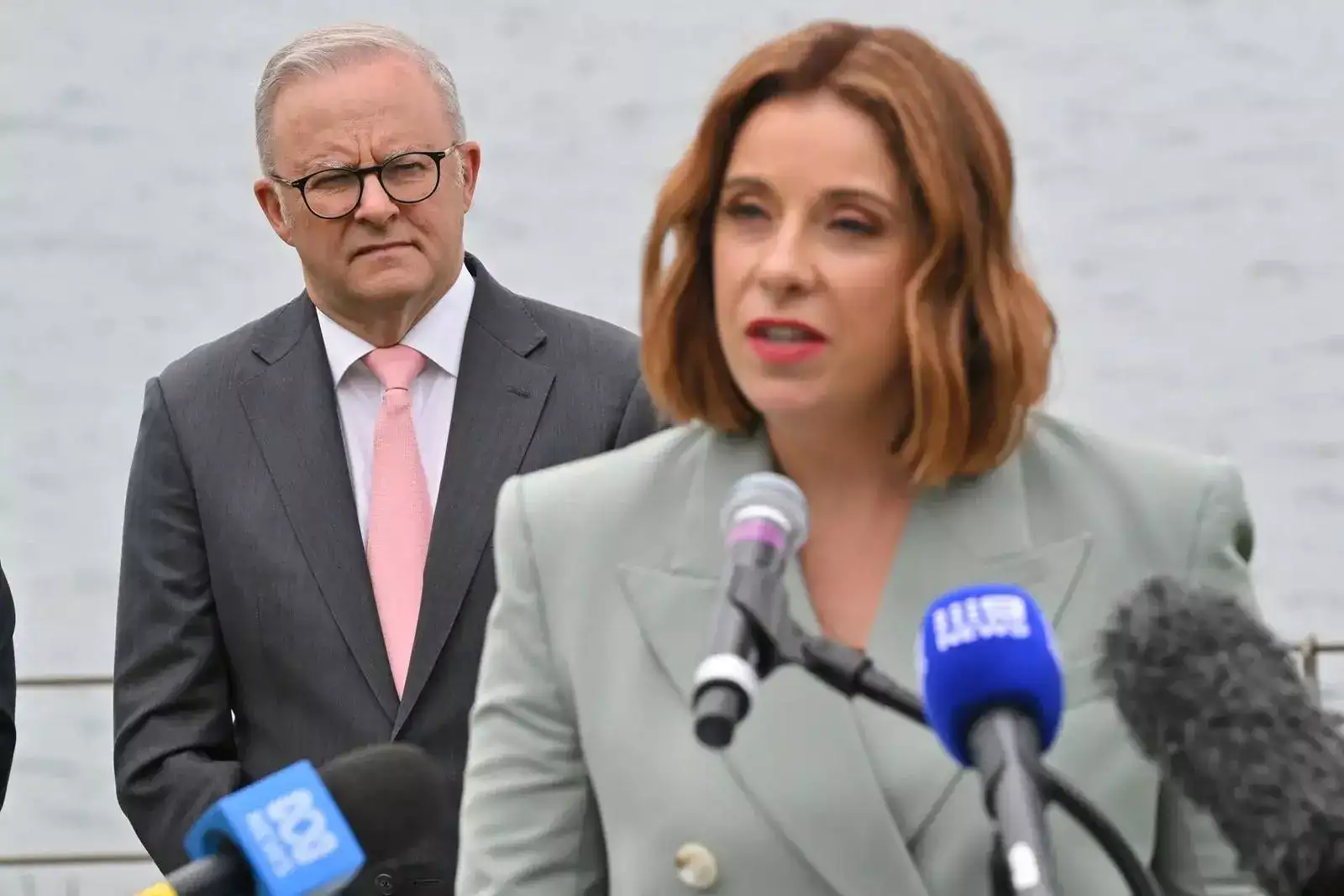 Anika Wells, Australian Minister for Communications
The line has finally been drawn. Australia has become the first country to formally block children under 16 from accessing major social media platforms. This move has split opinion but reshaped the global debate on online safety.
What's happening? From midnight, at least 10 major platforms – including TikTok, YouTube, Instagram and Facebook – are required to prevent under-16s from using their services or face fines of up to A$49.5 million. The law has drawn sharp criticism from tech companies and free-speech advocates, even as parents and child-safety groups have rallied behind it.
What this means: The crackdown hits deep in a country where social media use among young people was near-ubiquitous. The change comes as almost 86% of Australians aged 8 to 15 used social media before the ban. Here’s what different sections say:
Also Read: Elon Musk's X says barring under-16s in Australia 'not our choice'
Also in the letter:
■ Uber enters B2B logistics
■ IAN closes $100M fund
■ Aussie teens go offline
Amazon ups India investment to over $35 billion by 2030
Amazon on Wednesday said it was lifting its investment commitment in the country to $35 billion by the end of the decade, as global technology giants jostle to lock in a long-term foothold in one of the world's fastest-growing digital markets.
The expanded commitment builds on the $15-billion pledge made by CEO Andy Jassy in 2023. The Seattle-based ecommerce giant has invested $40 billion between 2010 and 2024.
Driving the news: The fresh funds will be channelled into artificial intelligence capabilities, cloud infrastructure, and a deeper logistics network, reinforcing India’s growing role as a core operating geography rather than a peripheral growth market.
The ground game: Amazon's renewed push comes amid heightened competitive pressure. Rival Flipkart is gearing up for a long-anticipated public listing, while Meesho made a strong debut on Dalal Street earlier today. Beyond ecommerce, Amazon is also sharpening its play in quick commerce, taking on Swiggy Instamart, Eternal-owned Blinkit, and Zepto. Over the past year, the company has also tightened spending in India, paring losses even as it expands into newer formats.
Also Read: Q-comm set to grow in '26; whether it’ll make money remains unclear: Amazon India chief
One-upping: The announcement lands amid a flurry of big-ticket technology investments into India.
- Just a day earlier, Microsoft unveiled a $17.5-billion expansion plan for the country, its largest bet in Asia, spanning data centres, AI compute, and sovereign cloud capabilities across Hyderabad, Pune and Gujarat.
- That followed commitments by AWS, Google, and Nvidia, as well as partnerships linked to the companies, aimed at building AI and data centre capacity at scale.
Bigger picture: The investment wave has been accompanied by a steady procession of global tech leaders to New Delhi. Prime Minister Narendra Modi met CEOs, including Microsoft's Satya Nadella, Intel's Lip-Bu Tan, and Cognizant's Ravi Kumar S, in recent days, signalling India’s emergence as a multi-decade destination for capital in cloud, AI, and semiconductors.
Meesho listing unlocks billions in wealth for founders, early investors Elevation, Peak XV
Meesho's blockbuster listing has delivered a sharp payoff for founders and early backers, with the stock debuting at nearly a 46% premium and unlocking massive gains for long-term shareholders.
Investor returns:
- Founders (Vidit Aatrey & Sanjeev Barnwal): together hold 16.2% worth over Rs 12,190 crore. Each offloaded about 1.6 crore shares in the offer for sale, taking home roughly Rs 178 crore apiece.
- Elevation Capital: its 11.9% stake is valued at nearly Rs 8,950 crore, translating into a staggering 56x return.
- Peak XV Partners: holds 11.4% worth Rs 8,514 crore, implying a 38x paper gain.
- Y Combinator: its stake is now valued at about Rs 761 crore.
Holding firm: Shareholders who skipped the OFS are sitting on sizeable notional gains as well. Prosus, which owns 51.9 crore shares, now has a holding valued at over Rs 8,371 crore.
Meesho closed its first day of trade at Rs 170.20 on the BSE, giving it a market capitalisation of Rs 76,813.49 crore.
Also Read: Meesho IPO: There’s no slowdown, India among the least penetrated ecommerce markets globally: CEO Vidit Aatrey
High on gains: The debut adds to a busy year for venture-backed listings. Startups such as Urban Company, Lenskart, Groww, Ather Energy, Bluestone, and Pine Labs have already unlocked more than Rs 15,000 crore in liquidity for early and late investors in 2025, marking one of the strongest exit cycles since the 2021-22 boom.
Also Read: On listing day, Vidit Aatrey says Meesho’s journey to Dalal Street has been surreal
Tune in: Meesho CEO Vidit Aatrey in a conversation with ETtech's Samidha Sharma and Pranav Mukul on The Morning Brief podcast here.
Also Read: Meesho expanded ecomm beyond India’s top 5%, say executives, backers
Uber enters B2B logistics with Uber Direct on ONDC, onboards Zepto, KPN Farm fresh
Uber has entered India’s B2B delivery space with its hyperlocal logistics service Uber Direct, integrated with ONDC
What's new: Uber Direct is now live in Bengaluru as a plug-and-play solution for businesses
- The platform will start with grocery deliveries for Zepto and KPN Farm Fresh
- Talks are on with quick service restaurant chains like KFC, Burger King, Taco Bell, and Rebel Foods to start food deliveries in the coming weeks.
How it works: Unlike Uber Courier, the new service won't cater to direct customers. Businesses can place orders on a seller's app, and Uber will handle last-mile fulfillment.
Competitors: Uber is taking aim at established B2B logistics players like Shadowfax, Delhivery, and Loadshare.
- Shadowfax does quick deliveries for Nykaa and Myntra.
- Delhivery has D2C brands, retailers, etc., among its clientele.
- Loadshare does deliveries for Amazon Now, which is planning to scale operations.
Also Read: Ecommerce's in-house delivery turn flips third-party logistics biz script
IAN Group makes final close of $100 million Alpha Fund
The IAN Group has closed its second venture capital fund at $100 million, aimed at backing early-stage, tech-led startups tackling major national and industry needs.
Sector focus: The fund has already invested in 10–12 startups across AI, space, semiconductors, climate tech and healthcare, including several founded by first-time entrepreneurs in tier-2 and tier-3 cities.
Investors: Backers include government bodies, Sidbi’s Fund of Funds for Startups, the Self-Reliant India Fund, ACE Fund, Nabard, the Odisha Startup Growth Fund and HDFC Life.
Skydo secures Rs 90 crore in fresh funding
Cross-border payments startup Skydo has secured $10 million (around Rs 90 crore) in new funding, led by US-based Susquehanna Investment Group (Susquehanna Asia VC).
Funding details:
- SIG contributed over $7 million as the lead investor.
- Skydo's total funding has now reached about $20 million.
- Existing backers Elevation Capital and Eximus Ventures also joined the round.
Quick-fashion startup Knot's funding round
Mumbai-based quick-fashion delivery startup Knot has raised $5 million in funding, in a round led by 12 Flags, with participation from existing investors Kae Capital and Boundless Ventures.
Also Read: Plant-based nutrition brand Earthful raises $2.8 million from Fireside Ventures, others
Australia begins enforcing world-first teen social media ban
The line has finally been drawn. Australia has become the first country to formally block children under 16 from accessing major social media platforms. This move has split opinion but reshaped the global debate on online safety.
What's happening? From midnight, at least 10 major platforms – including TikTok, YouTube, Instagram and Facebook – are required to prevent under-16s from using their services or face fines of up to A$49.5 million. The law has drawn sharp criticism from tech companies and free-speech advocates, even as parents and child-safety groups have rallied behind it.
What this means: The crackdown hits deep in a country where social media use among young people was near-ubiquitous. The change comes as almost 86% of Australians aged 8 to 15 used social media before the ban. Here’s what different sections say:
- Nearly 86% of Australians aged 8 to 15 were active on social platforms before the ban.
- Some teenagers fear isolation, saying the rules could cut them off from their peers and communities.
- Platforms are already grappling with slowing growth, with studies pointing to flat user numbers and declining engagement.
- Tech firms argue that under-16 users generate limited ad revenue, but are critical to building long-term user pipelines.
- Meta warns of riskier alternatives, as children may shift to less regulated apps — and platforms like Lemon8 and Yope have already surged in downloads.
Also Read: Elon Musk's X says barring under-16s in Australia 'not our choice'
Want this newsletter delivered to your inbox?
I agree to receive newsletters and marketing communications via e-mail