
 Daily Top 5 Daily Top 5 |
Amazon CEO in India Now; Hyderabad’s growing spacetech orbit
Want this newsletter delivered to your inbox?
I agree to receive newsletters and marketing communications via e-mail

Thank you for subscribing to Daily Top 5
We'll soon meet in your inbox.
Amazon CEO Andy Jassy is in India as the tech giant triples down on its quick commerce play in the country. This and more in today’s ETtech Top 5.
Also in the letter:
■ Inside Kunal Shah’s Meta move
■ What IT CEOs earned in FY26
■ Cybersecurity spend up in India
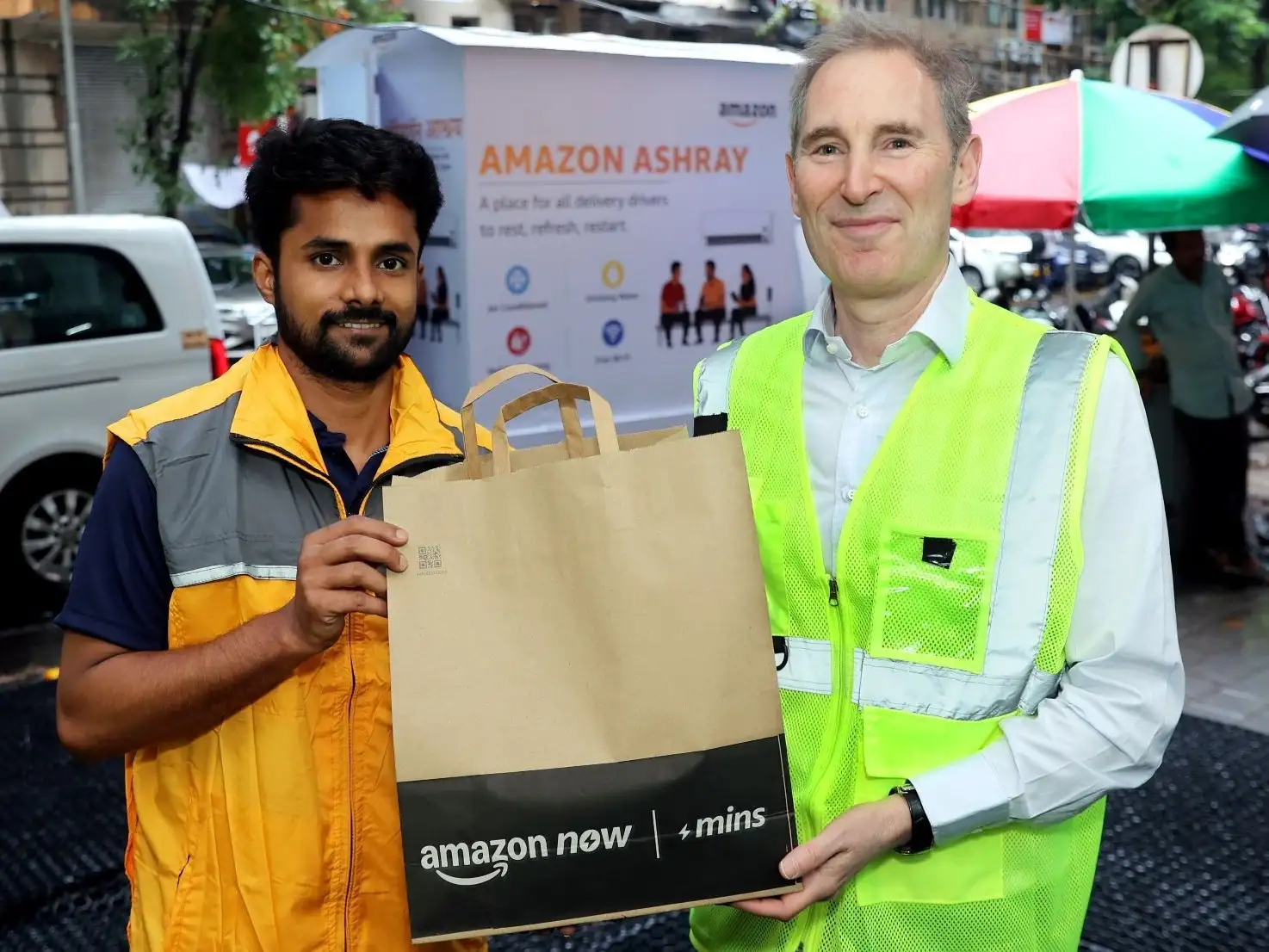
Amazon chief executive Andy Jassy is in India this week to meet government officials, entrepreneurs and employees, as the company triples down on quick commerce.
Jassy met Maharashtra CM Devendra Fadnavis on Tuesday. Sources said he will meet Prime Minister Narendra Modi on Wednesday.
Rapid delivery push: Amazon will expand its quick commerce service, Amazon Now, to 300 cities, tripling its earlier target of 100, backed by a network of 1,000 micro-warehouses, or dark stores.
Amazon Now currently runs about 500 dark stores across 15 metro and non-metro cities, including Bengaluru, Delhi-NCR, Mumbai, Pune, Hyderabad, Amritsar and Kochi.
Also Read: Inside Zepto's profit push ahead of its IPO
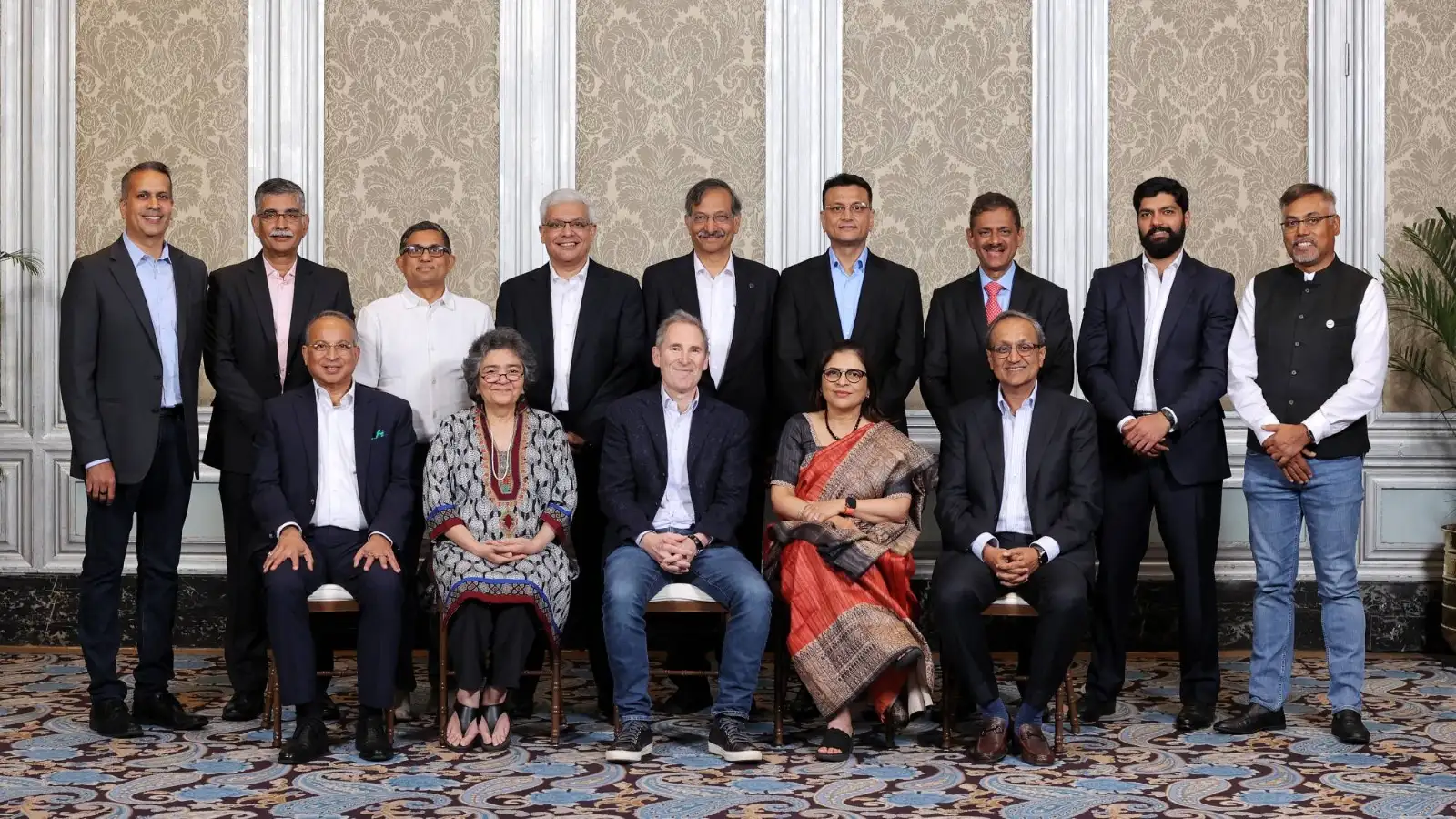 Amazon CEO Andy Jassy (bottom middle) with India team and other business leaders
Customer traction: Amazon says the service is seeing strong demand, especially from Prime members.
“Prime members triple their shopping frequency once they start using Amazon Now. We have further accelerated our expansion and will offer ultra-fast deliveries to customers in over 300 cities of India,” Samir Kumar, country manager, Amazon India, said.
Background:
Also Read: Amazon Now orders growing 25% month on month: CEO Andy Jassy in Q1 earnings call

Hyderabad has evolved from a two-anchor ecosystem around Skyroot Aerospace and Dhruva Space into India’s most diverse private spacetech cluster.
Driving the news: A new wave of founders, many of them former ISRO scientists or alumni of early spacetech startups, is building companies across orbital computing, space debris removal, satellite cybersecurity, communications, testing infrastructure and critical space components.
Why the growth: Founders credit Hyderabad’s rise to a mix of aerospace and defence infrastructure, strong manufacturing capabilities, access to testing facilities, academic partnerships and ecosystem enablers such as T-Hub and T-Works.
CVS Kiran, cofounder and CEO of Red Balloon Aerospace, said these companies compete not with each other, but globally. “The ecosystem is coming together to offer a complete package to the world,” he told us.
Also Read: India's biggest space-tech opportunity lies downstream, not just in launches
Moving to scale: Earlier founders struggled to raise capital. Chaitanya Dora, cofounder of Dhruva Space, for instance, says the 163rd investor he pitched to was the first to say “yes.”
Today, the conversation has shifted from proving the market exists to debating scalability and global competitiveness. To unlock the next phase of growth, though, demand will need to extend beyond government contracts.
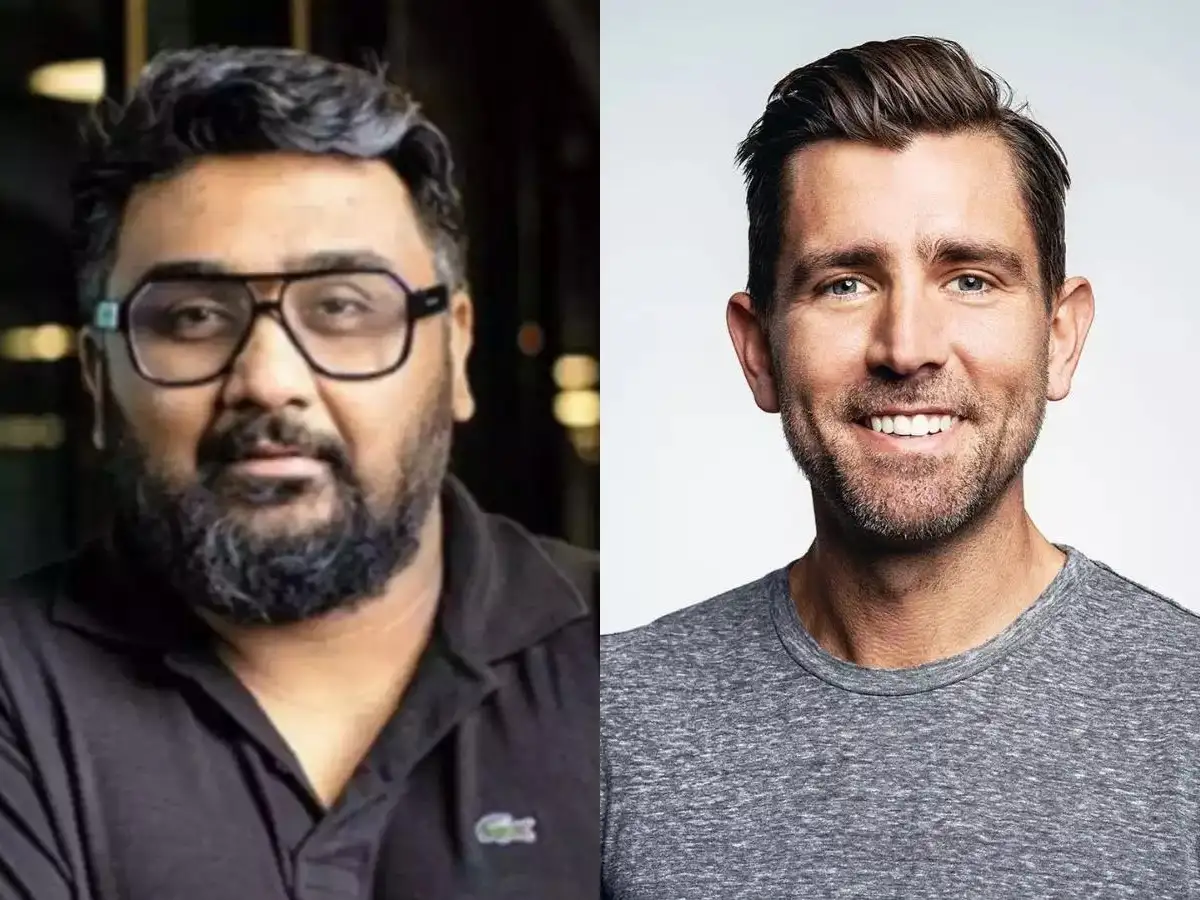
Meta has tapped Cred founder Kunal Shah to lead WhatsApp globally, putting one of India’s most influential consumer-tech builders in charge of Meta’s most important business. And it all began with a cold email.
What happened: Meta chief product officer Chris Cox reached out to Shah directly, seeking advice on choosing WhatsApp’s next leader. The outreach was part of his conversations with business leaders and policymakers across WhatsApp’s most important markets.
Cox told Bloomberg Shah’s ideas on WhatsApp left an immediate impression. Meta believes that local intuition matters at WhatsApp’s scale. “He had an incredible set of answers. At the end of the call, I asked him if maybe he and I should talk about him doing it,” he said.
Shah’s mandate: Shah has founded multiple companies, including FreeCharge and Cred, and has invested in more than 250 startups as an angel investor. His deep understanding of Indian consumer behaviour, financial products and trust-building is the main reason Meta picked him to expand WhatsApp’s monetisation and product reach.
Also Read: Zuckerberg bets on Kunal Shah for WhatsApp’s aggressive financial services, AI push
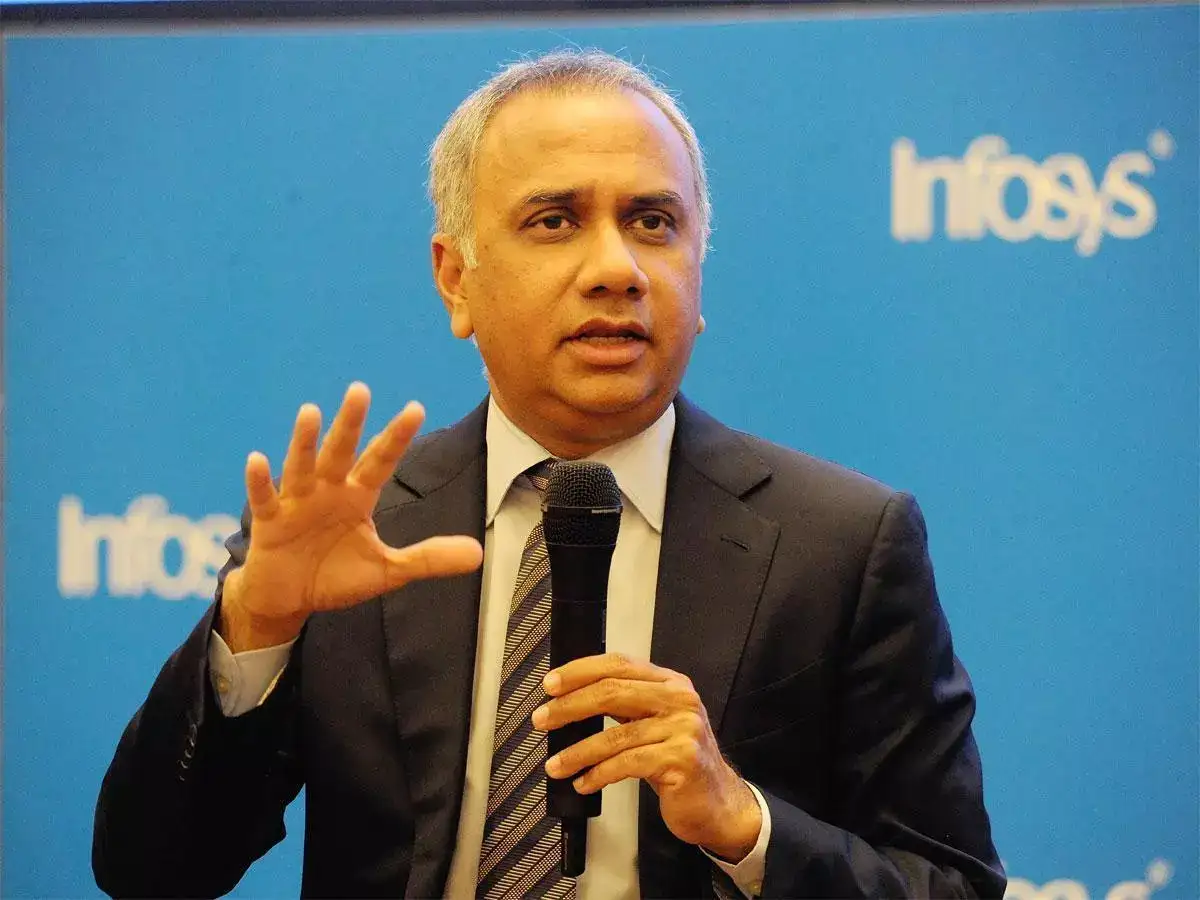 Infosys CEO Salil Parekh
Infosys CEO Salil Parekh was the highest-paid chief executive among India’s top IT firms in FY26, with total compensation of Rs 82.6 crore, up 2.5% from the previous year.
Pay multiples: Infosys’ annual report showed Parekh’s package was 742 times the median remuneration, including exercised stock incentives. Excluding stock incentives, it was 289 times.
The gap highlights how heavily executive pay in India’s IT industry is driven by long-term equity awards.
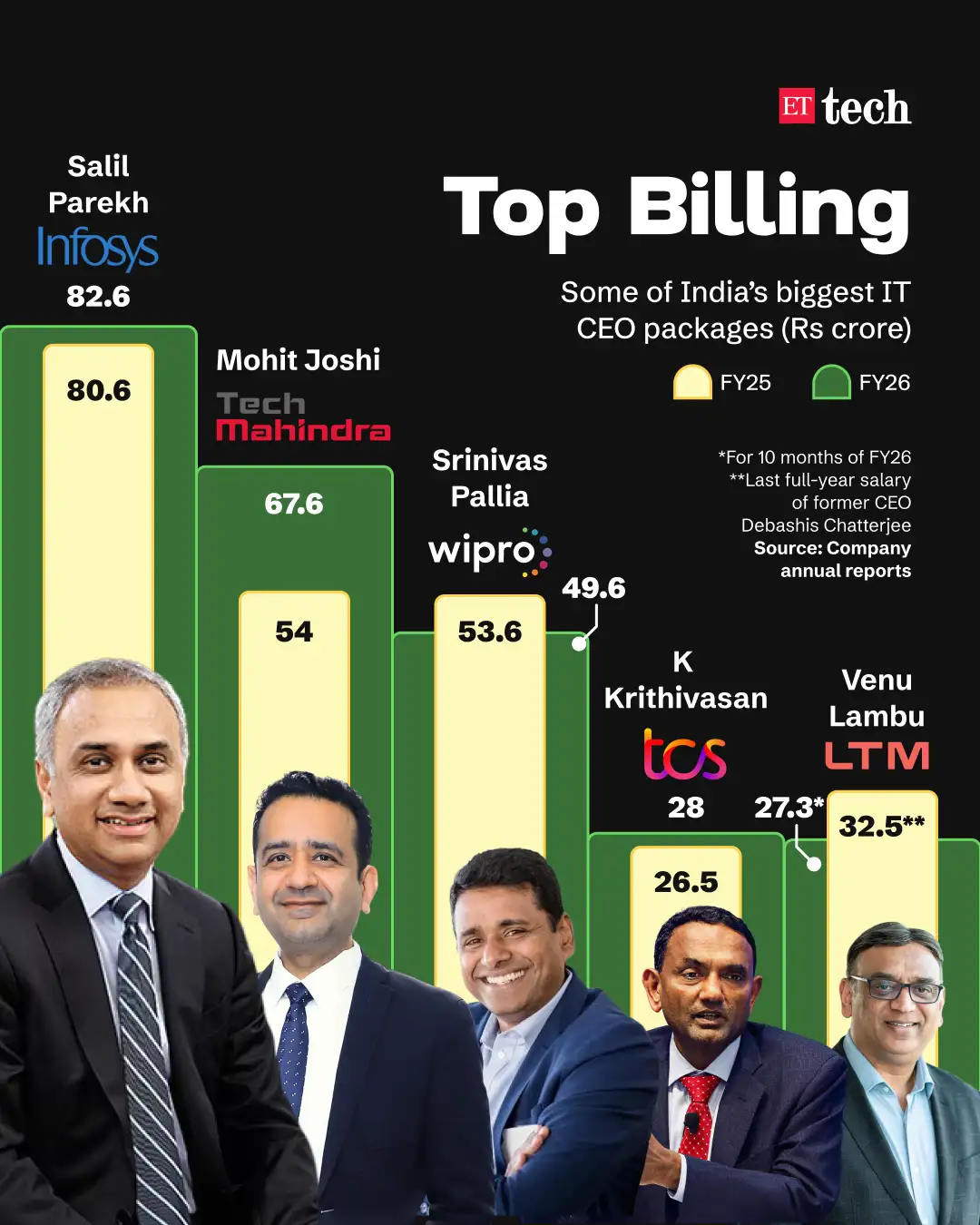
Other top earners:

Corporate India is increasing cybersecurity spending by about 30% year-on-year as companies race to protect data, digital operations, and AI systems, according to Data Security Council of India chief executive Vinayak Godse.
Run for cover: “Even sectors like manufacturing, which were not investing enough in cybersecurity earlier, are digitising aggressively and increasing investments,” he told ET, adding that larger cybersecurity investments would increasingly become the norm as enterprises prepare for the unprecedented risks and AI-powered deception that could accompany wider adoption of the technology.
Number-wise:
Also Read: Banks draw up cyber defence strategies to tackle AI risks
Also in the letter:
■ Inside Kunal Shah’s Meta move
■ What IT CEOs earned in FY26
■ Cybersecurity spend up in India
Amazon CEO Andy Jassy visits India; company announces qcomm expansion to 300 cities
Amazon chief executive Andy Jassy is in India this week to meet government officials, entrepreneurs and employees, as the company triples down on quick commerce.
Jassy met Maharashtra CM Devendra Fadnavis on Tuesday. Sources said he will meet Prime Minister Narendra Modi on Wednesday.
Rapid delivery push: Amazon will expand its quick commerce service, Amazon Now, to 300 cities, tripling its earlier target of 100, backed by a network of 1,000 micro-warehouses, or dark stores.
Amazon Now currently runs about 500 dark stores across 15 metro and non-metro cities, including Bengaluru, Delhi-NCR, Mumbai, Pune, Hyderabad, Amritsar and Kochi.
Also Read: Inside Zepto's profit push ahead of its IPO
Customer traction: Amazon says the service is seeing strong demand, especially from Prime members.
“Prime members triple their shopping frequency once they start using Amazon Now. We have further accelerated our expansion and will offer ultra-fast deliveries to customers in over 300 cities of India,” Samir Kumar, country manager, Amazon India, said.
Background:
- The move comes as Flipkart Minutes scales up aggressively as well, claiming 1,000 fulfilment centres across 130 cities in under two years.
- Amazon had earlier announced a Rs 2,800-crore investment in India to strengthen infrastructure and operations, as part of its broader $35-billion commitment by 2030.
Also Read: Amazon Now orders growing 25% month on month: CEO Andy Jassy in Q1 earnings call
Success of Skyroot and Dhruva spawns spacetech startup wave in Hyderabad
Hyderabad has evolved from a two-anchor ecosystem around Skyroot Aerospace and Dhruva Space into India’s most diverse private spacetech cluster.
Driving the news: A new wave of founders, many of them former ISRO scientists or alumni of early spacetech startups, is building companies across orbital computing, space debris removal, satellite cybersecurity, communications, testing infrastructure and critical space components.
- Industry estimates suggest Hyderabad’s spacetech ecosystem now hosts around 95 startups, with 12–15 ventures added over the last two years.
- Together, these companies have raised more than $331 million, with Skyroot and Dhruva accounting for nearly half the total.
Why the growth: Founders credit Hyderabad’s rise to a mix of aerospace and defence infrastructure, strong manufacturing capabilities, access to testing facilities, academic partnerships and ecosystem enablers such as T-Hub and T-Works.
CVS Kiran, cofounder and CEO of Red Balloon Aerospace, said these companies compete not with each other, but globally. “The ecosystem is coming together to offer a complete package to the world,” he told us.
Also Read: India's biggest space-tech opportunity lies downstream, not just in launches
Moving to scale: Earlier founders struggled to raise capital. Chaitanya Dora, cofounder of Dhruva Space, for instance, says the 163rd investor he pitched to was the first to say “yes.”
Today, the conversation has shifted from proving the market exists to debating scalability and global competitiveness. To unlock the next phase of growth, though, demand will need to extend beyond government contracts.
Meta’s Chris Cox sought Kunal Shah’s WhatsApp advice - then made him leader
Meta has tapped Cred founder Kunal Shah to lead WhatsApp globally, putting one of India’s most influential consumer-tech builders in charge of Meta’s most important business. And it all began with a cold email.
What happened: Meta chief product officer Chris Cox reached out to Shah directly, seeking advice on choosing WhatsApp’s next leader. The outreach was part of his conversations with business leaders and policymakers across WhatsApp’s most important markets.
Cox told Bloomberg Shah’s ideas on WhatsApp left an immediate impression. Meta believes that local intuition matters at WhatsApp’s scale. “He had an incredible set of answers. At the end of the call, I asked him if maybe he and I should talk about him doing it,” he said.
Shah’s mandate: Shah has founded multiple companies, including FreeCharge and Cred, and has invested in more than 250 startups as an angel investor. His deep understanding of Indian consumer behaviour, financial products and trust-building is the main reason Meta picked him to expand WhatsApp’s monetisation and product reach.
Also Read: Zuckerberg bets on Kunal Shah for WhatsApp’s aggressive financial services, AI push
Infosys’ Salil Parekh topped IT CEO pay in FY26; here’s what the big chiefs made
Infosys CEO Salil Parekh was the highest-paid chief executive among India’s top IT firms in FY26, with total compensation of Rs 82.6 crore, up 2.5% from the previous year.
Pay multiples: Infosys’ annual report showed Parekh’s package was 742 times the median remuneration, including exercised stock incentives. Excluding stock incentives, it was 289 times.
The gap highlights how heavily executive pay in India’s IT industry is driven by long-term equity awards.
Other top earners:
- Tech Mahindra CEO Mohit Joshi ranked second with Rs 67.55 crore, up 11.76% year-on-year.
- Wipro CEO Srinivas Pallia came in third, though his pay fell to about $5.29 million, or roughly Rs 49 crore, from about $6.2 million the previous year.
AI risks spark 30% surge in India cybersecurity spends as enterprises ramp up defences
Corporate India is increasing cybersecurity spending by about 30% year-on-year as companies race to protect data, digital operations, and AI systems, according to Data Security Council of India chief executive Vinayak Godse.
Run for cover: “Even sectors like manufacturing, which were not investing enough in cybersecurity earlier, are digitising aggressively and increasing investments,” he told ET, adding that larger cybersecurity investments would increasingly become the norm as enterprises prepare for the unprecedented risks and AI-powered deception that could accompany wider adoption of the technology.
Number-wise:
- Forrester estimates that cybersecurity now accounts for about 17% of total IT capital allocation, making it one of the fastest-growing technology budgets.
- As AI expands the attack surface, companies are spending more on monitoring, threat detection, and cyber resilience – alongside cloud, compute and talent.
Also Read: Banks draw up cyber defence strategies to tackle AI risks
Want this newsletter delivered to your inbox?
I agree to receive newsletters and marketing communications via e-mail