
 Morning Dispatch Morning Dispatch |
Zetwerk's pre-IPO move; War hits your deliveries
Want this newsletter delivered to your inbox?
I agree to receive newsletters and marketing communications via e-mail

Thank you for subscribing to Morning Dispatch
We'll soon meet in your inbox.
Happy Monday! Zetwerk is in talks to raise pre-IPO funding. This and more in today's ETtech Morning Dispatch.
Also in the letter:
■ Startups turn to SLMs
■ Prologis on India manufacturing
■ Rentomojo files draft IPO papers
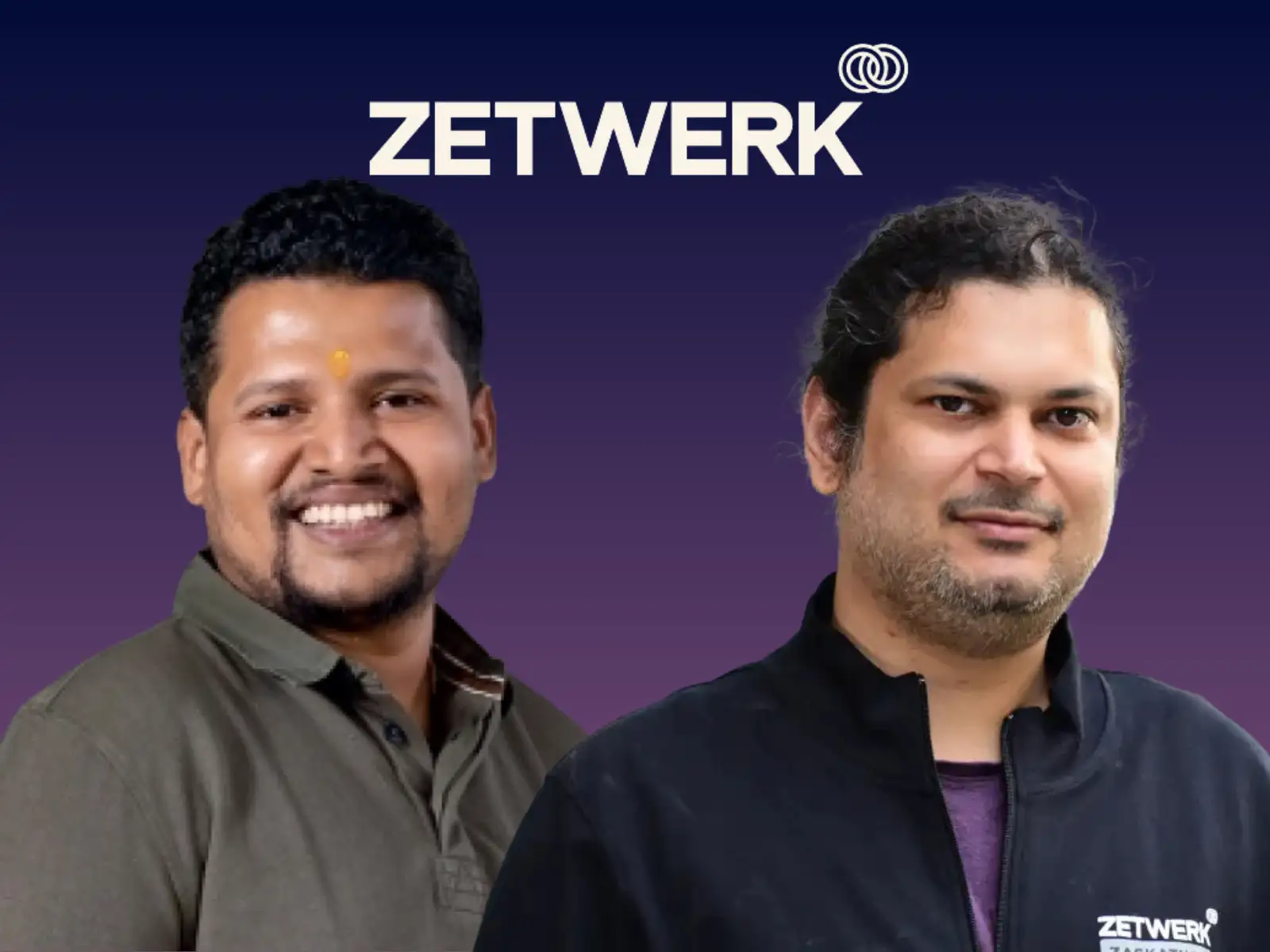 (L-R) Srinath Ramakkrushnan and Amrit Acharya, cofounders, Zetwerk
Business-to-business (B2B) manufacturing marketplace Zetwerk is lining up Rs 500 crore in pre-initial public offering (IPO) funding, sources told us.
Deal details:

Yes, and: The company is gearing up to file draft IPO papers via the confidential route, sources said.
The push towards the public markets comes even as several new-age firms pause their listing plans amid choppy market sentiment. PhonePe is the latest to delay its IPO, citing the war in West Asia among other uncertainties.
Financials: For FY25, Zetwerk reported an 11% drop in its operating revenue to Rs 12,798 crore, while its net loss narrowed to Rs 371 crore against Rs 918 crore in the previous fiscal.

India's quick commerce, ecommerce, and logistics networks are beginning to feel the heat from the war in West Asia.
Companies are flagging rising input costs, delayed supplies, and greater operational risk—even as demand holds up, multiple founders, executives, and industry analysts told us.
What's happening? The first signs of stress are showing up in packaging costs, inventory movement, and fulfilment cycles, especially for quick commerce platforms that rely on constant high-frequency restocking.
Demand-side pressure could follow if fuel prices rise sharply, experts warned.
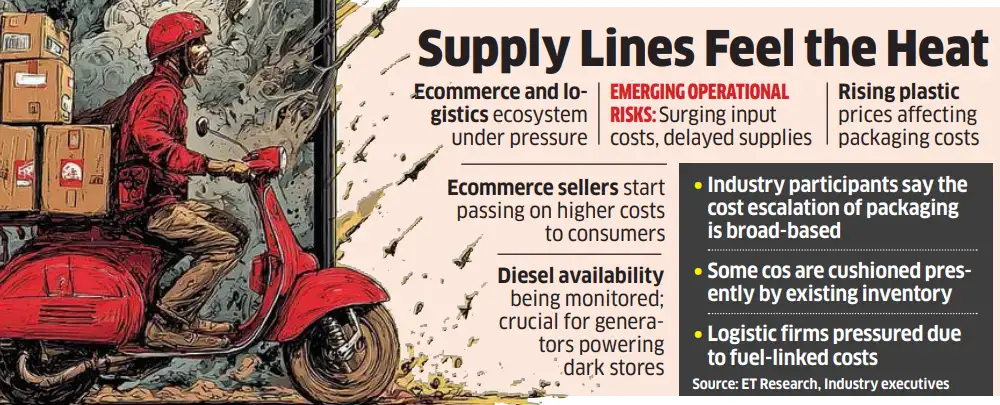
But why? A sharp rise in input costs—especially for packaging materials—has become a key pain point.
Plastics and polymer-based inputs are up 30-40% in recent weeks. Paper costs have increased by 10-15% as supply tightens amid the ongoing conflict in West Asia.
The impact:
Also Read: LPG crisis likely to sear food delivery platforms
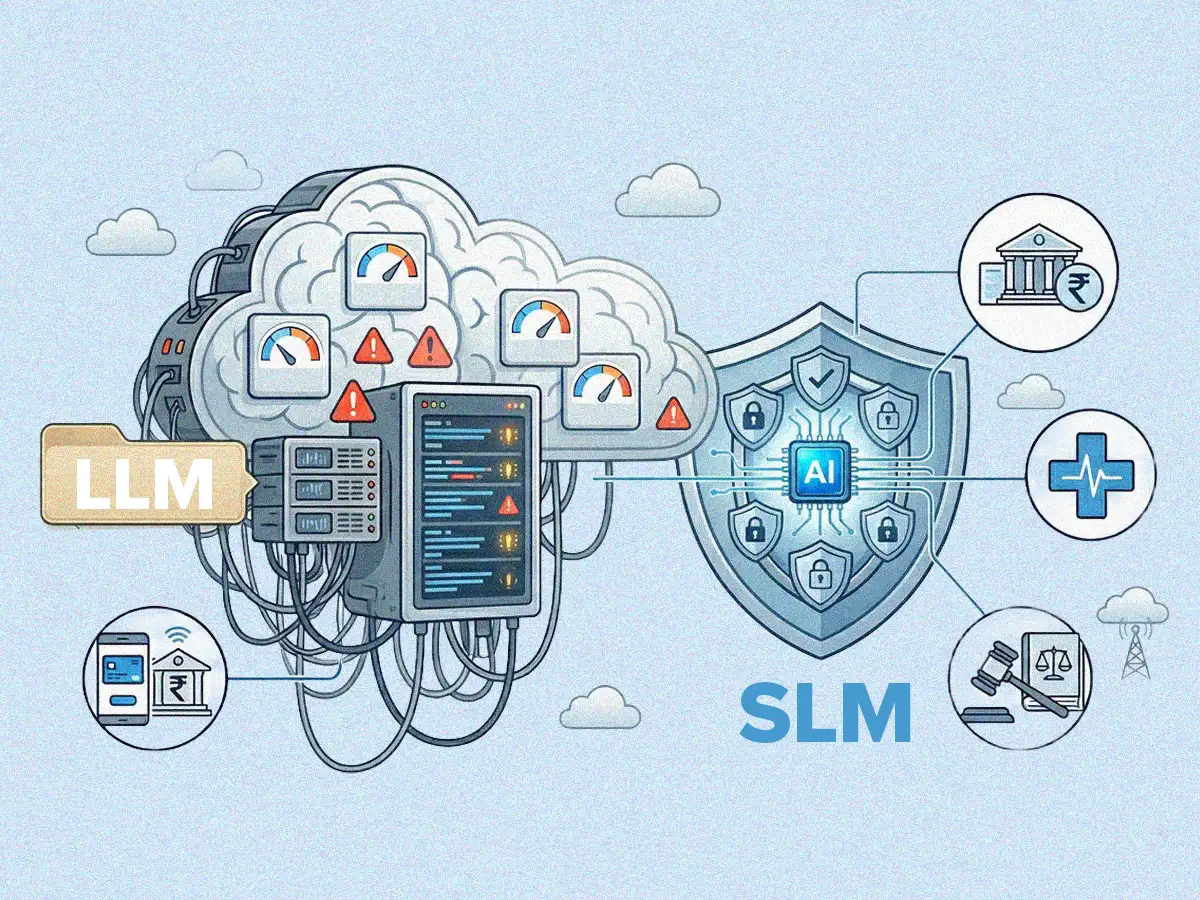
New-age startups in fintech, healthtech, and legaltech are betting on small language models (SLMs) over large language models (LLMs) to cut costs, protect user data, and navigate India's regulatory and infrastructure constraints.
New strategy: This reflects a more practical approach to AI for highly regulated and data-sensitive businesses.
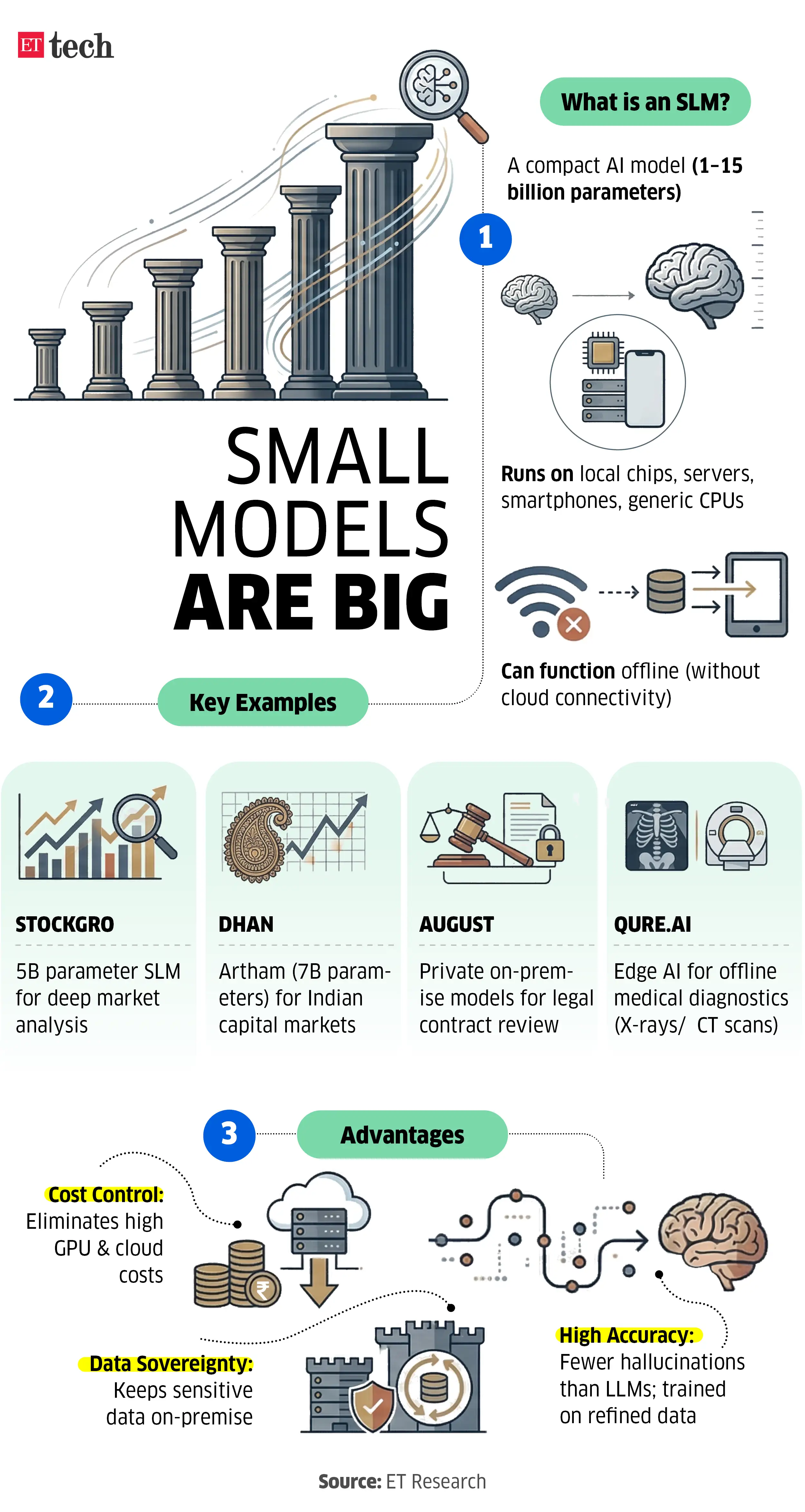
India-specific use cases: Unlike broad LLMs from Google or OpenAI, SLMs can run on local servers, dedicated chips or even end-user devices, reducing cloud dependence and improving control over sensitive data.
“You can't use a 'sledgehammer' like a trillion-parameter model to perform a specialised task like medical transcription or contract review," says Sourav Banerjee, founder of AI startup Shunya Labs, which develops models including SLMs.
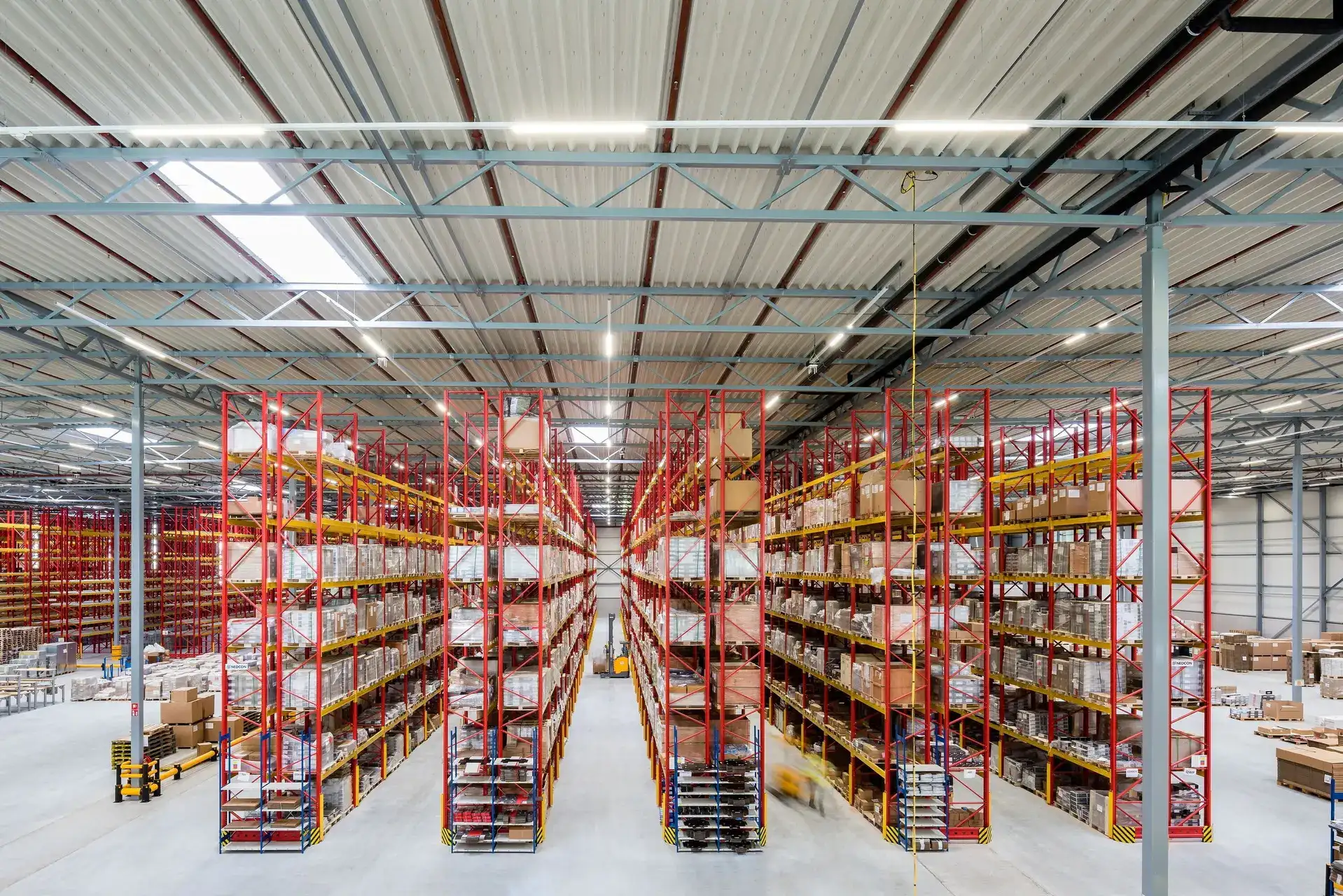
India gaining fast from ‘China plus one’ trend: Prologis exec | Global supply chain diversification is driving fresh interest in India, with the country benefiting from the 'China Plus One' shift. Manufacturing-led hubs like Chennai are seeing rising demand for modern logistics infrastructure, a senior executive at global logistics real estate firm Prologis said.
Rentomojo goes the IPO way: Furniture and home electronics rental startup Rentomojo has filed a draft red herring prospectus (DRHP) with the Securities and Exchange Board of India for an initial public offering of Rs 1,100-1,200 crore.
Fuel volatility speeds up EV leap in last-mile delivery for ecommerce: Ecommerce and logistics companies are fast-tracking the shift to electric vehicles (EVs) for last-mile deliveries, driven not just by sustainability goals but also by fuel volatility and supply risks.
■ Anduril wants to own the future of war tech (Wired)
■ OpenAI makes a ‘Code Red’ turn in strategy (FT)
■ AI glasses are catching on in China, from shopping to cheating (Rest of World)
Also in the letter:
■ Startups turn to SLMs
■ Prologis on India manufacturing
■ Rentomojo files draft IPO papers
B2B firm Zetwerk eyes Rs 500 crore pre-IPO round at $3 billion valuation
Business-to-business (B2B) manufacturing marketplace Zetwerk is lining up Rs 500 crore in pre-initial public offering (IPO) funding, sources told us.
Deal details:
- Bharat Value Fund is set to lead the investment round, alongside a clutch of high-net-worth individuals (HNIs).
- The fundraise could value the company at Rs 25,000-26,000 crore (about $3 billion), broadly flat versus its last round.
Yes, and: The company is gearing up to file draft IPO papers via the confidential route, sources said.
- The IPO is expected to be about Rs 5,000 crore.
- Of this, about Rs 2,700-2,800 crore will likely be fresh capital, with the rest coming via an offer for sale (OFS).
The push towards the public markets comes even as several new-age firms pause their listing plans amid choppy market sentiment. PhonePe is the latest to delay its IPO, citing the war in West Asia among other uncertainties.
Financials: For FY25, Zetwerk reported an 11% drop in its operating revenue to Rs 12,798 crore, while its net loss narrowed to Rs 371 crore against Rs 918 crore in the previous fiscal.
War singes ecommerce, quick commerce supply chains as input costs rise
India's quick commerce, ecommerce, and logistics networks are beginning to feel the heat from the war in West Asia.
Companies are flagging rising input costs, delayed supplies, and greater operational risk—even as demand holds up, multiple founders, executives, and industry analysts told us.
What's happening? The first signs of stress are showing up in packaging costs, inventory movement, and fulfilment cycles, especially for quick commerce platforms that rely on constant high-frequency restocking.
Demand-side pressure could follow if fuel prices rise sharply, experts warned.
But why? A sharp rise in input costs—especially for packaging materials—has become a key pain point.
Plastics and polymer-based inputs are up 30-40% in recent weeks. Paper costs have increased by 10-15% as supply tightens amid the ongoing conflict in West Asia.
The impact:
- Ecommerce sellers have already started passing on these higher costs, raising prices by 10-15% in phases.
- Logistics companies are under strain too, especially on fuel-linked costs.
- Industry executives said platforms are closely tracking diesel prices, since diesel powers dark-store and warehouse generators, as well as line-haul and last-mile logistics.
Also Read: LPG crisis likely to sear food delivery platforms
Indian startups turn to small languages models to solve for efficiency, privacy, cost
New-age startups in fintech, healthtech, and legaltech are betting on small language models (SLMs) over large language models (LLMs) to cut costs, protect user data, and navigate India's regulatory and infrastructure constraints.
New strategy: This reflects a more practical approach to AI for highly regulated and data-sensitive businesses.
- Companies like Stockgro, Dhan, August, Qure.ai and Powerplay are building or deploying smaller models—often on-premises or edge-based—for tightly defined, high-value tasks.
- Founders say SLMs are cheaper, faster, more private and less prone to hallucinations than giant general-purpose models.
- The advantage is strongest in domain-heavy workflows such as trading analysis, legal review and diagnostics.
India-specific use cases: Unlike broad LLMs from Google or OpenAI, SLMs can run on local servers, dedicated chips or even end-user devices, reducing cloud dependence and improving control over sensitive data.
“You can't use a 'sledgehammer' like a trillion-parameter model to perform a specialised task like medical transcription or contract review," says Sourav Banerjee, founder of AI startup Shunya Labs, which develops models including SLMs.
Other Top Stories By Our Reporters
India gaining fast from ‘China plus one’ trend: Prologis exec | Global supply chain diversification is driving fresh interest in India, with the country benefiting from the 'China Plus One' shift. Manufacturing-led hubs like Chennai are seeing rising demand for modern logistics infrastructure, a senior executive at global logistics real estate firm Prologis said.
Rentomojo goes the IPO way: Furniture and home electronics rental startup Rentomojo has filed a draft red herring prospectus (DRHP) with the Securities and Exchange Board of India for an initial public offering of Rs 1,100-1,200 crore.
Fuel volatility speeds up EV leap in last-mile delivery for ecommerce: Ecommerce and logistics companies are fast-tracking the shift to electric vehicles (EVs) for last-mile deliveries, driven not just by sustainability goals but also by fuel volatility and supply risks.
Global Picks We Are Reading
■ Anduril wants to own the future of war tech (Wired)
■ OpenAI makes a ‘Code Red’ turn in strategy (FT)
■ AI glasses are catching on in China, from shopping to cheating (Rest of World)
Want this newsletter delivered to your inbox?
I agree to receive newsletters and marketing communications via e-mail