
 Morning Dispatch Morning Dispatch |
Govt crackdown on underage scrolling; UPI incentives decline
Want this newsletter delivered to your inbox?
I agree to receive newsletters and marketing communications via e-mail

Thank you for subscribing to Morning Dispatch
We'll soon meet in your inbox.
Happy Thursday! The government is debating social media restrictions for children in India. This and more in today’s ETtech Morning Dispatch.
Also in the letter:
■ War hits semicon plans
■ GCCs ditch DIY models
■ ETtech Done Deals

The Centre is revisiting the question of whether children should be allowed on social media, with fresh discussions underway.
What’s happening? The Ministry of Electronics and Information Technology has held meetings with platforms in recent weeks to assess whether age-based access controls can be implemented at scale, several officials told us.
Options being weighed:
States move first:
Global context: Multiple countries are tightening rules. Australia has already banned social media for under-16s, while France, Spain, Indonesia, and parts of the US are weighing similar steps.
Also Read: ETtech Explainer: Karnataka ban spotlights growing list of countries restricting social media for children
Experts’ take: Experts warn that such restrictions could affect social media companies, as India is one of their largest markets and a major source of young users. Any curbs may face strong pushback from these platforms.
They point to online gaming regulation, where state-level moves were followed by central intervention that tightened rules quickly.
Also Read: Social media ban for children won't work in all countries: Unicef's Thomas Davin

India’s digital payments industry has received around Rs 8,000 crore in subsidies over four years under the zero-MDR regime for UPI and RuPay debit cards. Still, payouts are shrinking even as volumes rise.
Driving the news: Banks and fintech received around Rs 1,000 crore in FY25, among the lowest in recent years, against a budgetary allocation of Rs 1,500 crore. The government has also withdrawn RuPay debit card subsidies from FY25.
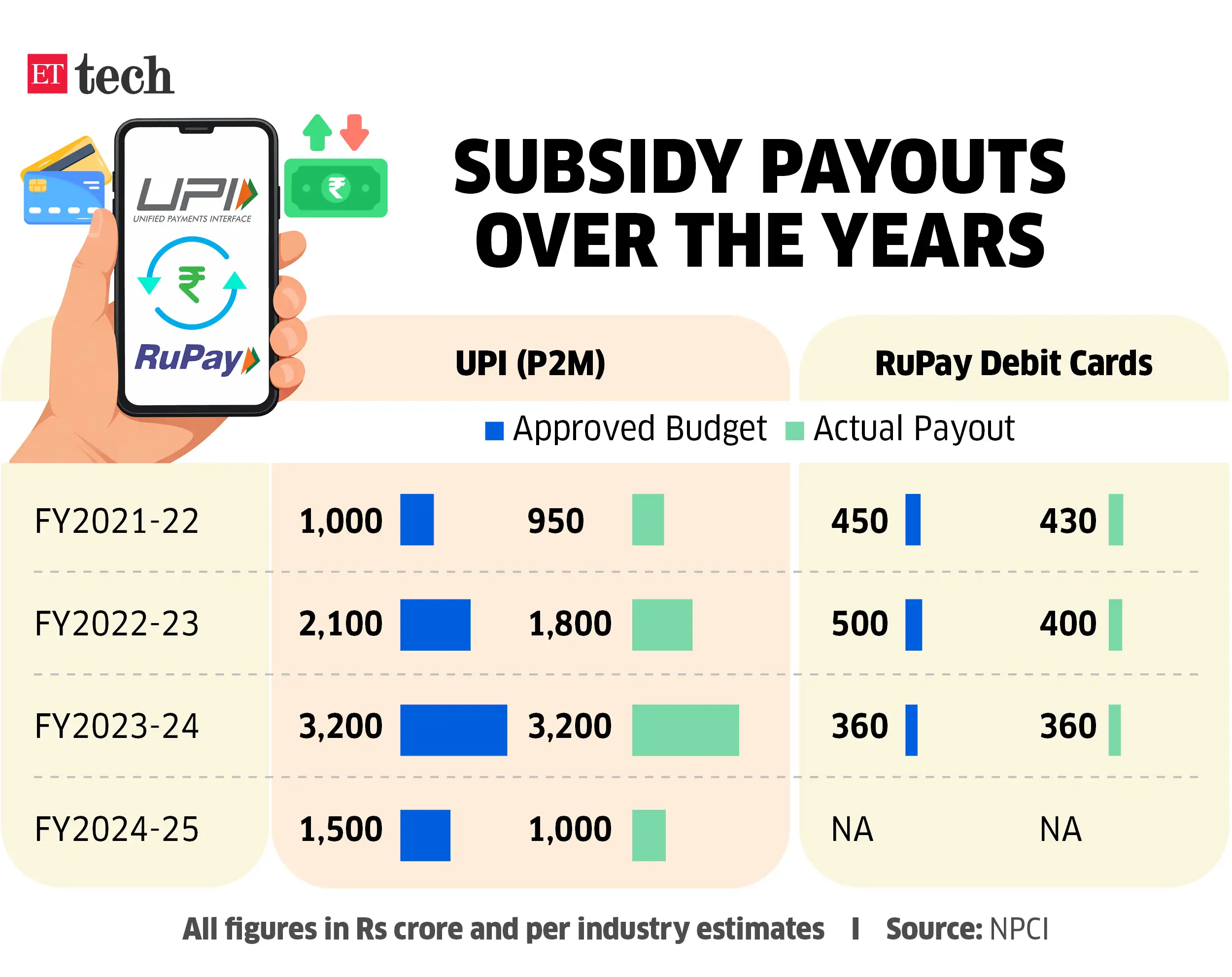
Going beyond: UPI continues at scale, but growth is slowing, and subsidy support is not keeping pace.
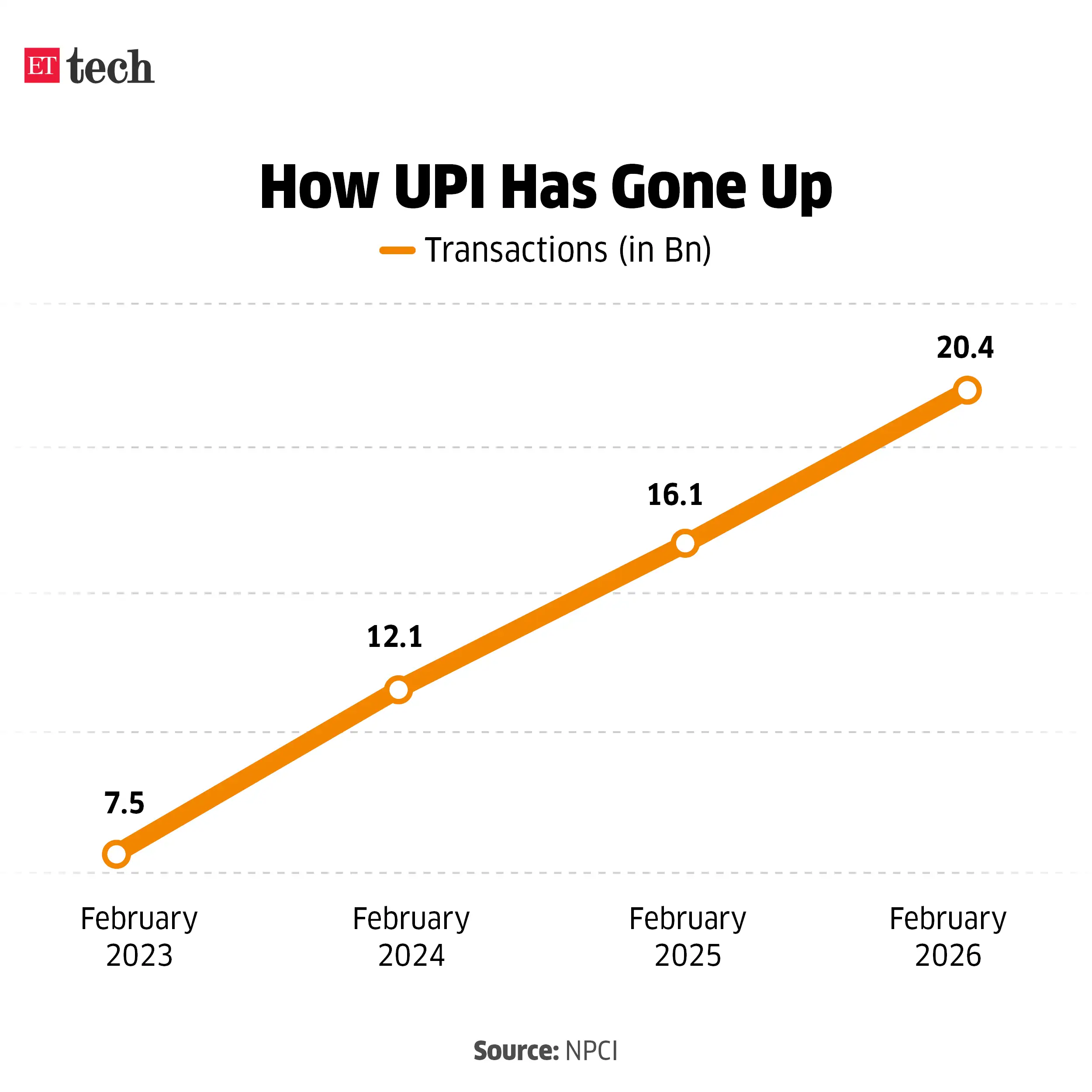
What next? There have been discussions at the highest level about reintroducing MDR, but sources told us that nothing has moved. Industry insiders argue that a graded MDR structure is essential to restore incentives and sustain adoption.
Also Read: NPCI counts on Bharat, Northeast to accelerate UPI adoption
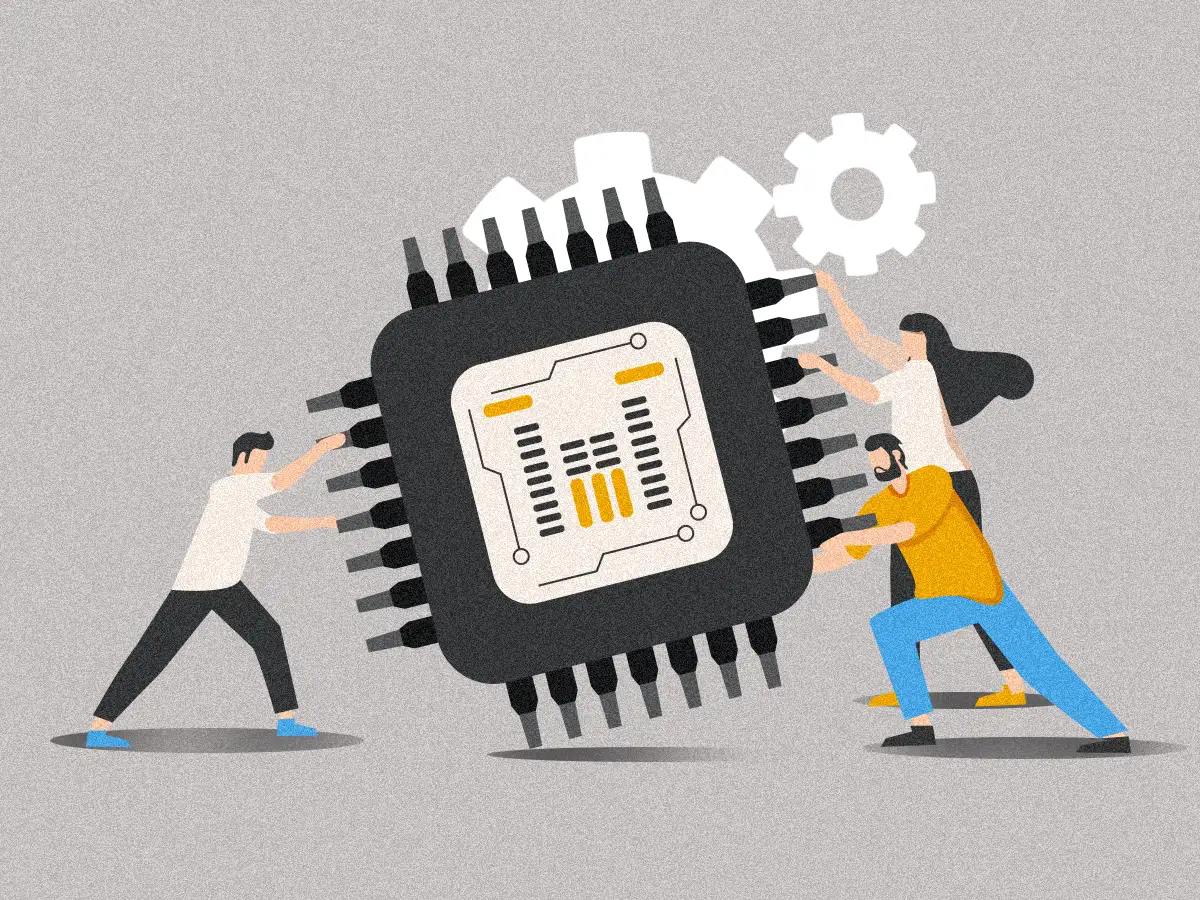
Rising tensions in West Asia are starting to inflate costs and disrupt supply chains for India’s semiconductor plans, with outsourced semiconductor assembly and test (OSAT) players most impacted.
What’s the matter? Experts say semiconductor fabs are unlikely to face major operational hits, but cost pressures are building. Despite lower dependence on oil and gas, they rely on global supply chains for materials and equipment, now vulnerable to delays and price spikes.
Yes, and? On the other hand, OSAT firms face the double hit of rising input costs and supply risks.
Bottom line: If disruptions persist, India’s semiconductor cost advantage could erode. OSAT timelines may slip, and fabs could see project delays and higher import costs.
Also Read: Indian AI startups navigate tricky waters of war impact and rupee devaluation

Indian GCCs ditching DIY build-out model to team up with external companies: Nine out of ten global capability centres (GCCs) being set up in India today use external partners, a sharp reversal from just a few years ago when large multinationals built these centres on their own, industry experts said.
Rocketlane raises $60 million: Rocketlane, a B2B SaaS startup, has raised $60 million from New York-based Insight Partners as the Chennai firm doubles down on AI-led services. This takes its total funding to $105 million.
Deccan AI raises $25 million: Prosus-backed artificial intelligence startup Deccan AI has raised $25 million in a round led by growth equity firm A91 Partners, with participation from Susquehanna International Group (SIG) and Prosus Ventures, as it doubles down on building high-accuracy AI systems for enterprises and frontier model labs, the company's founder Rukesh Reddy told us.
■ When satellite data becomes a weapon (Wired)
■ The AI hype index: AI goes to war (MIT Technology Review)
■ Fire risks and ugly designs are stalling EV charger adoption (Rest of World)
Also in the letter:
■ War hits semicon plans
■ GCCs ditch DIY models
■ ETtech Done Deals
Government revisits rules on children’s social media access
The Centre is revisiting the question of whether children should be allowed on social media, with fresh discussions underway.
What’s happening? The Ministry of Electronics and Information Technology has held meetings with platforms in recent weeks to assess whether age-based access controls can be implemented at scale, several officials told us.
Options being weighed:
- Complete social media ban for children.
- Tiered access with age-appropriate content on platforms like YouTube, Facebook, and Instagram.
- Fixing a minimum age threshold for access (under 13 or under 16).
States move first:
- Karnataka has proposed a ban on mobile phones and social media for children under 16, and plans to introduce a bill soon.
- Andhra Pradesh is targeting full social media restrictions for under-13s within 90 days.
- Meanwhile, Maharashtra is set to take up the issue in its assembly.
Global context: Multiple countries are tightening rules. Australia has already banned social media for under-16s, while France, Spain, Indonesia, and parts of the US are weighing similar steps.
Also Read: ETtech Explainer: Karnataka ban spotlights growing list of countries restricting social media for children
Experts’ take: Experts warn that such restrictions could affect social media companies, as India is one of their largest markets and a major source of young users. Any curbs may face strong pushback from these platforms.
They point to online gaming regulation, where state-level moves were followed by central intervention that tightened rules quickly.
Also Read: Social media ban for children won't work in all countries: Unicef's Thomas Davin
UPI, RuPay subsidy shrinks to Rs 8,000 crore over four years
India’s digital payments industry has received around Rs 8,000 crore in subsidies over four years under the zero-MDR regime for UPI and RuPay debit cards. Still, payouts are shrinking even as volumes rise.
Driving the news: Banks and fintech received around Rs 1,000 crore in FY25, among the lowest in recent years, against a budgetary allocation of Rs 1,500 crore. The government has also withdrawn RuPay debit card subsidies from FY25.
Going beyond: UPI continues at scale, but growth is slowing, and subsidy support is not keeping pace.
- Payment firms have lost MDR-linked revenues.
- Subsidy payouts are declining despite higher volumes.
- Unit economics are still strained.
- Private investments into the sector have slowed down.
What next? There have been discussions at the highest level about reintroducing MDR, but sources told us that nothing has moved. Industry insiders argue that a graded MDR structure is essential to restore incentives and sustain adoption.
Also Read: NPCI counts on Bharat, Northeast to accelerate UPI adoption
West Asia war pushes up real cost of India’s semiconductor plans
Rising tensions in West Asia are starting to inflate costs and disrupt supply chains for India’s semiconductor plans, with outsourced semiconductor assembly and test (OSAT) players most impacted.
What’s the matter? Experts say semiconductor fabs are unlikely to face major operational hits, but cost pressures are building. Despite lower dependence on oil and gas, they rely on global supply chains for materials and equipment, now vulnerable to delays and price spikes.
Yes, and? On the other hand, OSAT firms face the double hit of rising input costs and supply risks.
- Higher crude prices are pushing up the prices of petrochemical inputs like epoxy, resins, and polymers used in chip packaging.
- Dependence on imports such as helium (Qatar) and bromine (Israel and Jordan) adds vulnerability.
- Substitutes like nitrogen are available but less efficient.
Bottom line: If disruptions persist, India’s semiconductor cost advantage could erode. OSAT timelines may slip, and fabs could see project delays and higher import costs.
Also Read: Indian AI startups navigate tricky waters of war impact and rupee devaluation
Other Top Stories By Our Reporters
Indian GCCs ditching DIY build-out model to team up with external companies: Nine out of ten global capability centres (GCCs) being set up in India today use external partners, a sharp reversal from just a few years ago when large multinationals built these centres on their own, industry experts said.
Rocketlane raises $60 million: Rocketlane, a B2B SaaS startup, has raised $60 million from New York-based Insight Partners as the Chennai firm doubles down on AI-led services. This takes its total funding to $105 million.
Deccan AI raises $25 million: Prosus-backed artificial intelligence startup Deccan AI has raised $25 million in a round led by growth equity firm A91 Partners, with participation from Susquehanna International Group (SIG) and Prosus Ventures, as it doubles down on building high-accuracy AI systems for enterprises and frontier model labs, the company's founder Rukesh Reddy told us.
Global Picks We Are Reading
■ When satellite data becomes a weapon (Wired)
■ The AI hype index: AI goes to war (MIT Technology Review)
■ Fire risks and ugly designs are stalling EV charger adoption (Rest of World)
Want this newsletter delivered to your inbox?
I agree to receive newsletters and marketing communications via e-mail