
 Morning Dispatch Morning Dispatch |
Uber layoffs impact India; RMG ban, a year on
Want this newsletter delivered to your inbox?
I agree to receive newsletters and marketing communications via e-mail

Thank you for subscribing to Morning Dispatch
We'll soon meet in your inbox.
Happy Thursday! Uber is cutting jobs in India as part of a sweeping global restructuring. This and more in today’s ETtech Morning Dispatch.
Also in the letter:
■ ISM 2.0 paradox
■ Cradlewise raises funds
■ Simple Energy sets targets
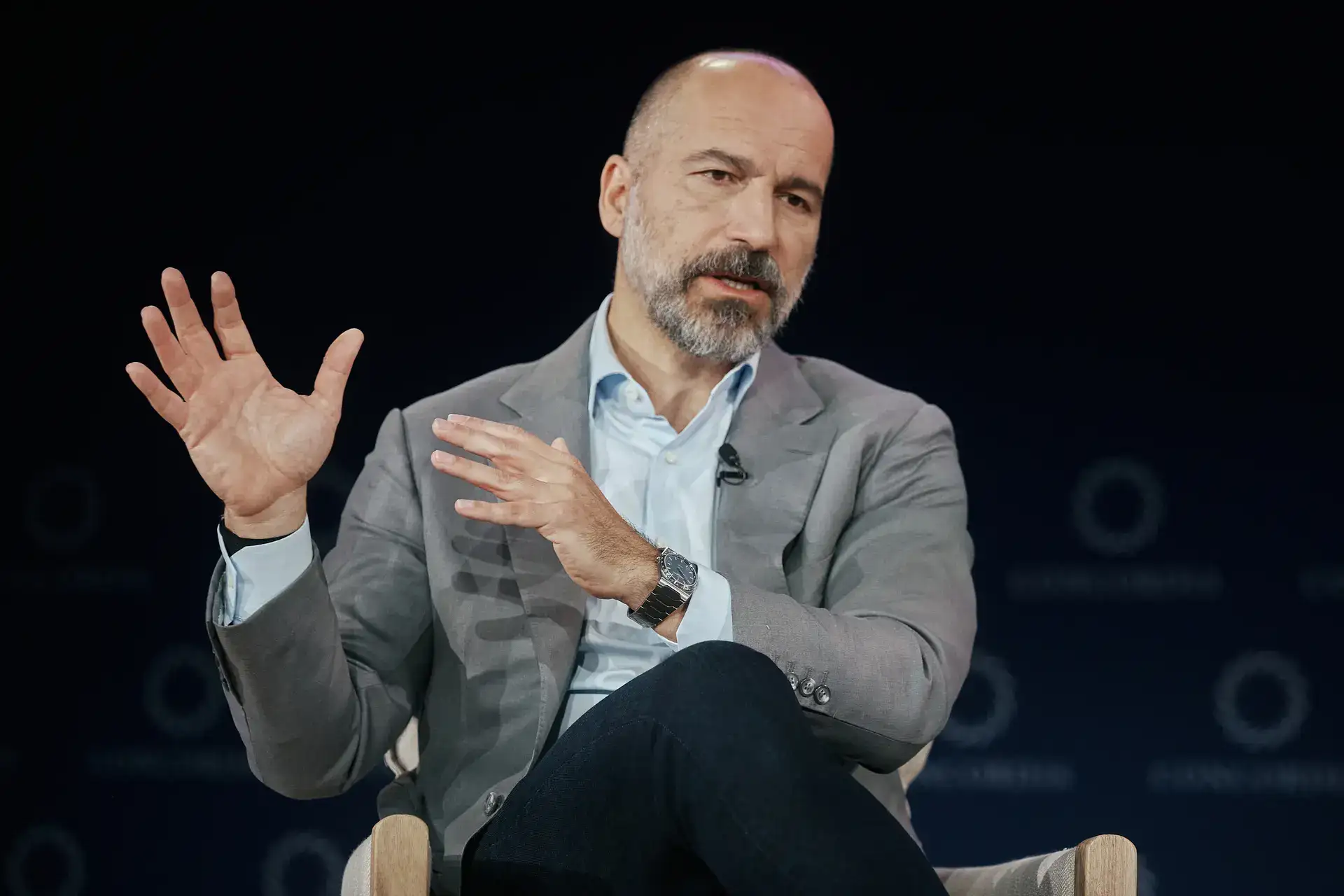 Dara Khosrowshahi, CEO, Uber
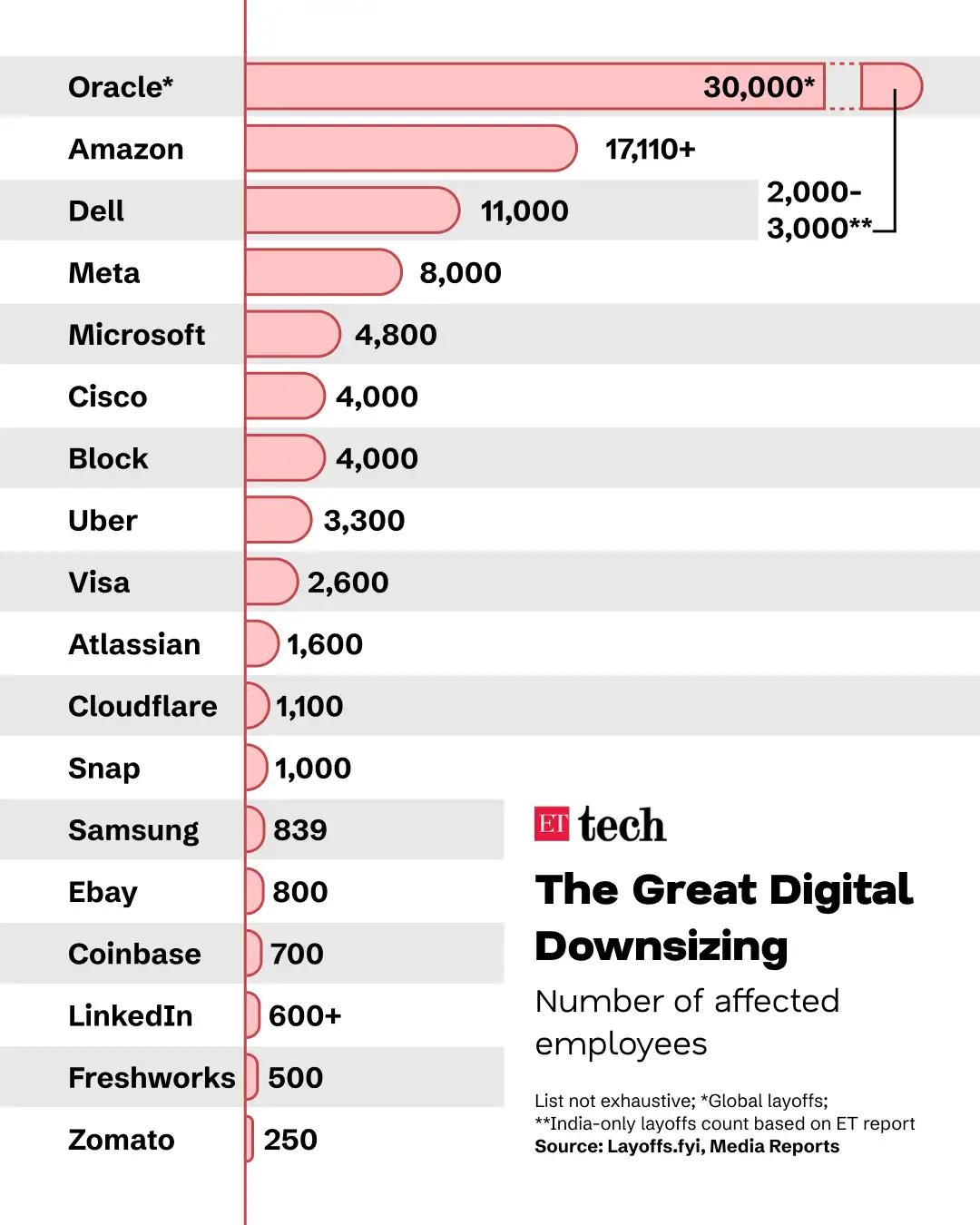
Uber is cutting 200-250 jobs in India, mostly in tech and operations, as part of a global restructuring that will eliminate about 3,300 roles to flatten management layers and refocus spending on ride-hailing, delivery and robotaxi.
India impact: The India layoffs affect both individual contributors and managers, with tech and operations teams hit hardest; within AI Solutions, nearly half the team was impacted, sources told ET.
This is Uber India’s second reduction in six months, after ~80 layoffs earlier this year.
Company stance: An Uber India spokesperson said, “Globally, we are making organisational changes to remove layers so we can move faster. As part of these changes, we will be saying goodbye to some valued team members in India, whom we will support through this transition.”
Global layoffs: In a company-wide email to employees, CEO Dara Khosrowshahi said the company’s growth has created unnecessary layers, coordination overhead, and fragmented ownership. The changes are intended to make Uber “simpler and faster” by flattening its organisational structure.
“I’m sure many of you have felt that you spend too much time “aligning” rather than building, shipping, or serving customers. To improve this, we have reduced roles primarily focussed on coordination, and have clarified the remit of the coordination roles that remain,” the email read.
Also read | Uber still ahead despite stiffening competition, playing to win: CEO Dara Khosrowshahi

A year after India banned real-money gaming (RMG), local operators and regulators struggle to curb illegal offshore betting platforms while the industry awaits implementation of the new certification framework, according to industry experts
Offshore platforms rise:
Ads surge:
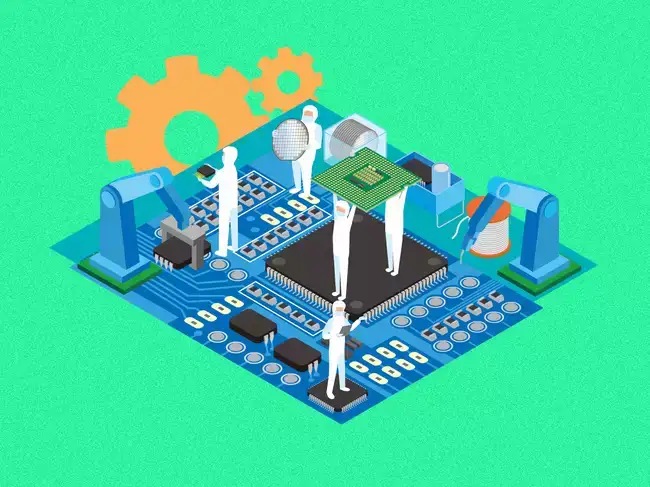
Experts have welcomed the India Semiconductor Mission (ISM) 2.0’s expanded design incentives but flagged structural frictions around IP co-ownership, global VC compatibility, weak demand-side support and high barriers to testing and qualification.
What’s new in 2.0:
Additionally, emphasis on sovereign control could complicate private investment and global expansion plans for startups seeking overseas capital or partnerships.
 Bharath Patil, Co-founder & CTO, and Radhika Patil, Co-founder and CEO.jpg "(L-R) Bharath Patil, Co-founder & CTO, and Radhika Patil, Co-founder and CEO") Bharath Patil and Radhika Patil, cofounders, Cradlewise
Bharath Patil and Radhika Patil, cofounders, Cradlewise
Cradlewise raises funds: Cradlewise, a Silicon Valley-based startup that makes smart cribs for babies, has raised $12 million in a round led by 3one4 Capital and Prudent Investment Management. Founded in 2017 by wife-husband duo Radhika and Bharath Patil, Cradlewise develops AI-powered smart cribs with an integrated baby monitor that uses artificial intelligence to learn a baby's sleep patterns and automatically soothe infants before they fully wake up.
Astrobase in talks to raise $40-50 million: Bengaluru-based spacetech startup Astrobase is in talks to raise $40-50 million in a funding round led by Peak XV Partners, valuing the company at around $250-300 million, people aware of the matter told ET.
Simple Energy targets 20% of EV market: Electric two-wheeler maker Simple Energy is targeting 20% market share within the next two years as it makes an aggressive push into the mass market with its new family scooter, Simple Wave.
Global Picks We Are Reading
■ ‘All it will take is one screw-up’: AI groups race to limit bioweapon risks (FT)
■ AI safety is designed in the West, and failing users everywhere (Rest of World)
■ OpenAI Technique in ‘Astra’ Model Sparks Security Concerns (The Information)
Also in the letter:
■ ISM 2.0 paradox
■ Cradlewise raises funds
■ Simple Energy sets targets
Uber may lay off 200-250 employees in India as part of global restructuring
Uber is cutting 200-250 jobs in India, mostly in tech and operations, as part of a global restructuring that will eliminate about 3,300 roles to flatten management layers and refocus spending on ride-hailing, delivery and robotaxi.
India impact: The India layoffs affect both individual contributors and managers, with tech and operations teams hit hardest; within AI Solutions, nearly half the team was impacted, sources told ET.
This is Uber India’s second reduction in six months, after ~80 layoffs earlier this year.
Company stance: An Uber India spokesperson said, “Globally, we are making organisational changes to remove layers so we can move faster. As part of these changes, we will be saying goodbye to some valued team members in India, whom we will support through this transition.”
Global layoffs: In a company-wide email to employees, CEO Dara Khosrowshahi said the company’s growth has created unnecessary layers, coordination overhead, and fragmented ownership. The changes are intended to make Uber “simpler and faster” by flattening its organisational structure.
“I’m sure many of you have felt that you spend too much time “aligning” rather than building, shipping, or serving customers. To improve this, we have reduced roles primarily focussed on coordination, and have clarified the remit of the coordination roles that remain,” the email read.
Also read | Uber still ahead despite stiffening competition, playing to win: CEO Dara Khosrowshahi
Govt left with a losing hand as offshore RMG sites find a cheat code
A year after India banned real-money gaming (RMG), local operators and regulators struggle to curb illegal offshore betting platforms while the industry awaits implementation of the new certification framework, according to industry experts
Offshore platforms rise:
- Lumikai's March report highlights that one in three RMG users transitioned to unmonitored offshore platforms following the ban, spending up to Rs 10,000 monthly without regulatory oversight.
- Platforms such as Parimatch and 1XBet remain easily accessible without a VPN, accepting deposits via UPI, net banking, and cryptocurrencies, while facing ED probes over alleged offshore money-laundering schemes.
Ads surge:
- The Advertising Standards Council of India (ASCI) flagged 4,858 illegal gambling and betting advertisements between August 2025 and August 2026.
- Illegal platforms rely heavily on digital ads and micro-influencers to attract users, with prediction markets like Polymarket gaining traction during major events like the IPL and state assembly elections.
ISM 2.0 paradox: Tough IP rules might leave startups starving for global cash
Experts have welcomed the India Semiconductor Mission (ISM) 2.0’s expanded design incentives but flagged structural frictions around IP co-ownership, global VC compatibility, weak demand-side support and high barriers to testing and qualification.
What’s new in 2.0:
- Mission-critical silicon for defence, telecom and critical infrastructure will be selected via competitive bidding managed by C‑DAC; resulting IP rights will be co-owned by the applicant and C‑DAC to ensure sovereign control and reduce export-control risks.
- The deployment-linked incentive (DLI) provides a 9% reimbursement on net sales for five years, helping companies offset the cost of commercialising chips.
Additionally, emphasis on sovereign control could complicate private investment and global expansion plans for startups seeking overseas capital or partnerships.
Other Top Stories By Our Reporters
Cradlewise raises funds: Cradlewise, a Silicon Valley-based startup that makes smart cribs for babies, has raised $12 million in a round led by 3one4 Capital and Prudent Investment Management. Founded in 2017 by wife-husband duo Radhika and Bharath Patil, Cradlewise develops AI-powered smart cribs with an integrated baby monitor that uses artificial intelligence to learn a baby's sleep patterns and automatically soothe infants before they fully wake up.
Astrobase in talks to raise $40-50 million: Bengaluru-based spacetech startup Astrobase is in talks to raise $40-50 million in a funding round led by Peak XV Partners, valuing the company at around $250-300 million, people aware of the matter told ET.
Simple Energy targets 20% of EV market: Electric two-wheeler maker Simple Energy is targeting 20% market share within the next two years as it makes an aggressive push into the mass market with its new family scooter, Simple Wave.
Global Picks We Are Reading
■ ‘All it will take is one screw-up’: AI groups race to limit bioweapon risks (FT)
■ AI safety is designed in the West, and failing users everywhere (Rest of World)
■ OpenAI Technique in ‘Astra’ Model Sparks Security Concerns (The Information)
Want this newsletter delivered to your inbox?
I agree to receive newsletters and marketing communications via e-mail