
 Morning Dispatch Morning Dispatch |
Celebrating Innovation: ET Startup Awards 2026 Highlights Success of Indian Startups
Want this newsletter delivered to your inbox?
I agree to receive newsletters and marketing communications via e-mail

Thank you for subscribing to Morning Dispatch
We'll soon meet in your inbox.
Happy Monday! The Economic Times Startup Awards (ETSA) 2026 ceremony brought together the country’s top founders, investors, and policymakers in Bengaluru for a Friday evening of sharp insights and spirited conversations.
More than 300 leaders from across the startup and technology sectors gathered to discuss hot-button issues on the sidelines of the event.
In this special edition of ETtech Morning Dispatch, we put together the standout moments from India’s most prestigious awards for entrepreneurship.
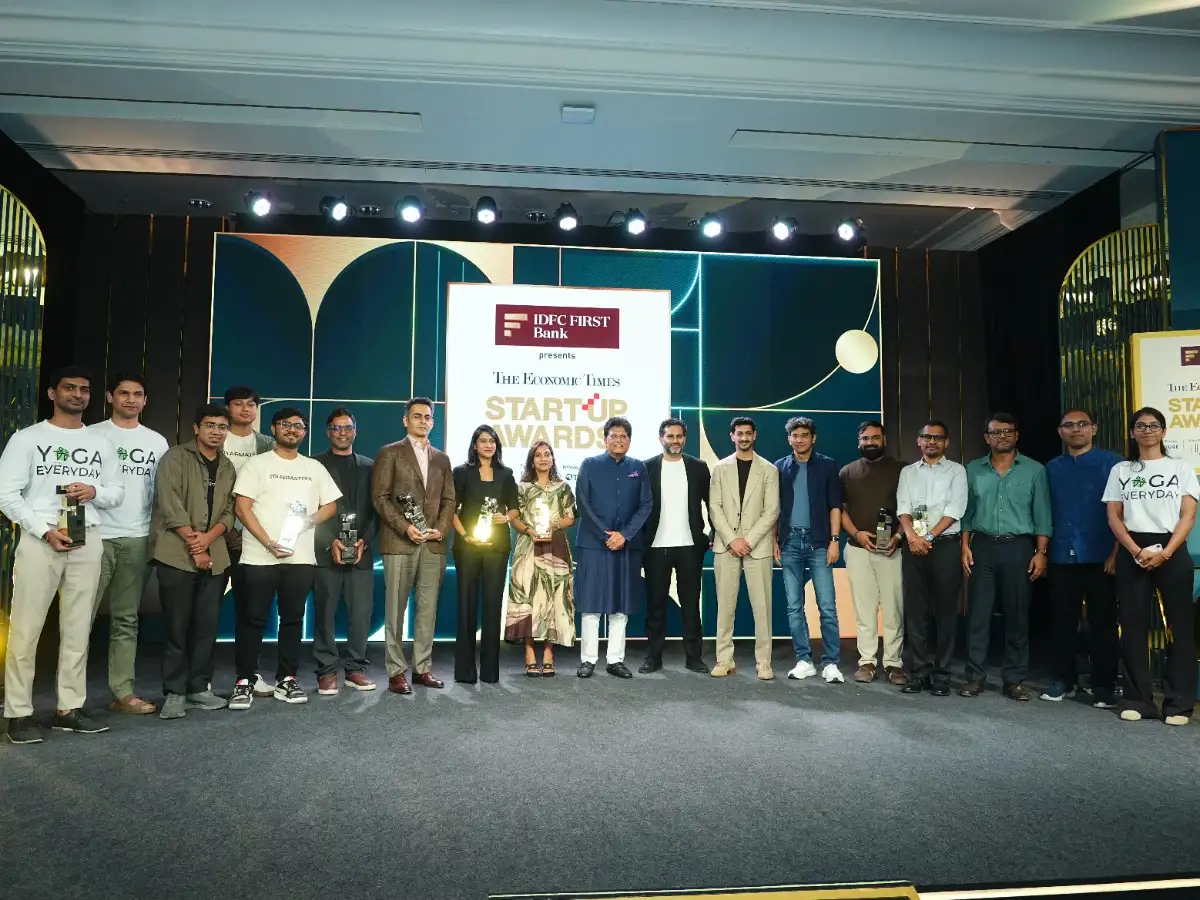 Winners of ET Startup Awards 2026 with Union minister Piyush Goyal, Times Internet chairman Satyan Gajwani and juror Aryaman Vikram Birla
The 12th edition of ETSA celebrated the remarkable journey of Indian startups, with this year’s event coming alongside the rise of artificial intelligence (AI) and deep tech sectors, and homegrown companies tapping the public markets as well as pursuing global ambitions.
Guest of honour: Union minister Piyush Goyal was the chief guest at the star-studded ceremony. In his address, he underlined the growing influence of India’s tech ecosystem, the US-India trade relations, and the opportunity provided by the new H-1B curbs.
Even with about 250,000 registered startups, the minister said, the journey was only beginning, particularly in deeptech, where the number of significant startups remains small.
Meet the winners: Groww was named ET Startup of the Year 2026, joining the elite list that includes Urban Company, Lenskart, Razorpay, Zomato, Zerodha, Delhivery, Swiggy, OfBusiness, Freshworks, Oyo Hotels & Homes and Ola.
Honours’ list:
Razorpay cofounder and CEO Harshil Mathur, whose company was Startup of the Year at ETSA 2022, said the strength of this year's field showed how far Indian entrepreneurship had come.
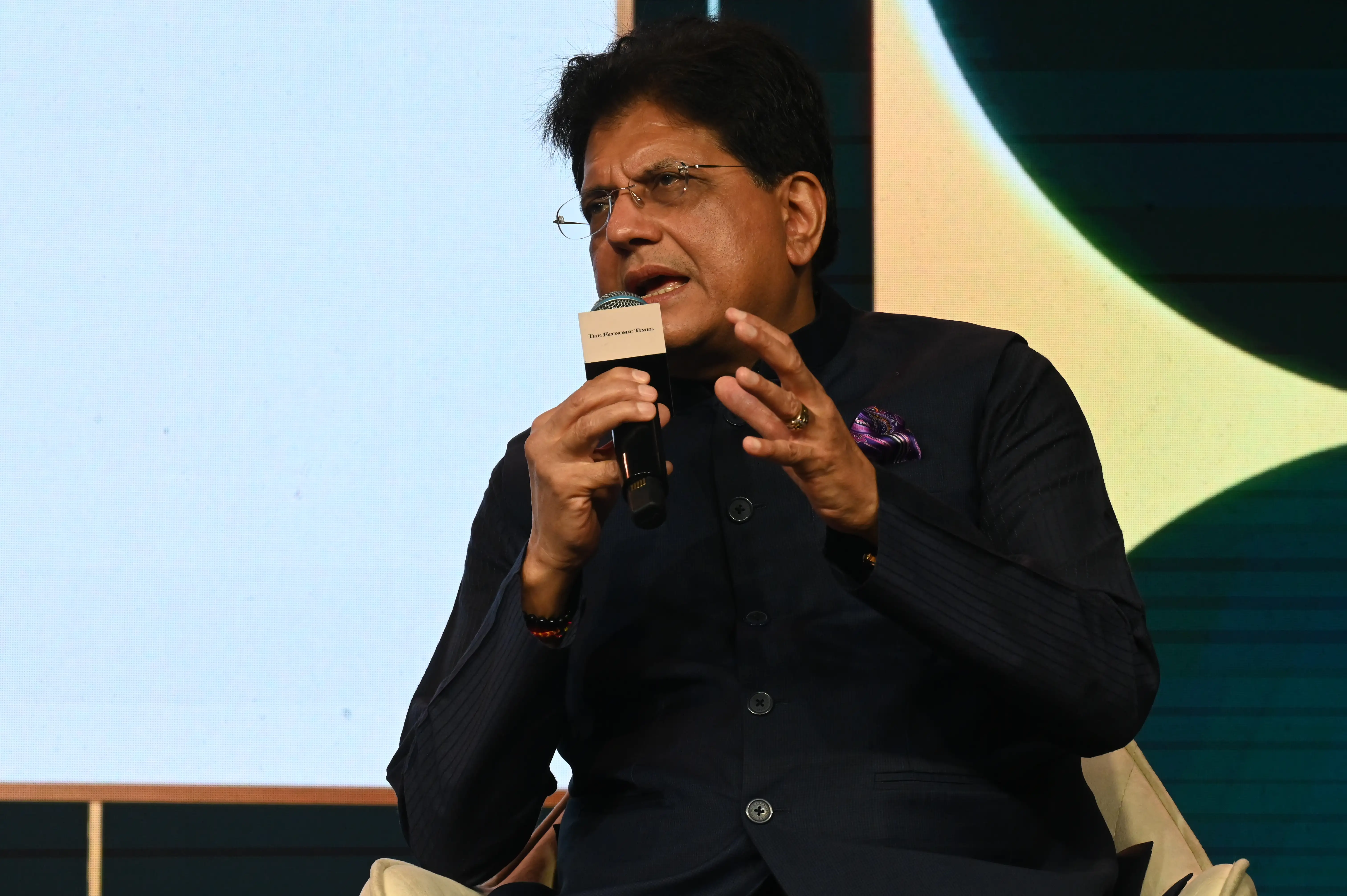 Union Minister Piyush Goyal
Commerce and industry minister Piyush Goyal had a wide-ranging conversation with ET’s Deepshikha Sikarwar about India’s trade deals, India-US relations, foreign investment, and how Indian businesses will benefit from the restrictions on the green card programme.
Edited excerpts:
On H-1B curbs: I personally believe that not getting more H-1B visas is absolutely good for the Indian economy. Some of our best talent over the last, particularly 25-30 years has gone away to the US, and I see the billionaires of Indian origin literally down every street. I wonder what would have happened if all of them had been doing their businesses in India.
On India-US relations: Two countries where the leaders, governments, businesses and the people are quite intrinsically engaged with each other will always have certain friction points. But at the same time, there is recognition in both countries that this is a relationship which is very consequential.
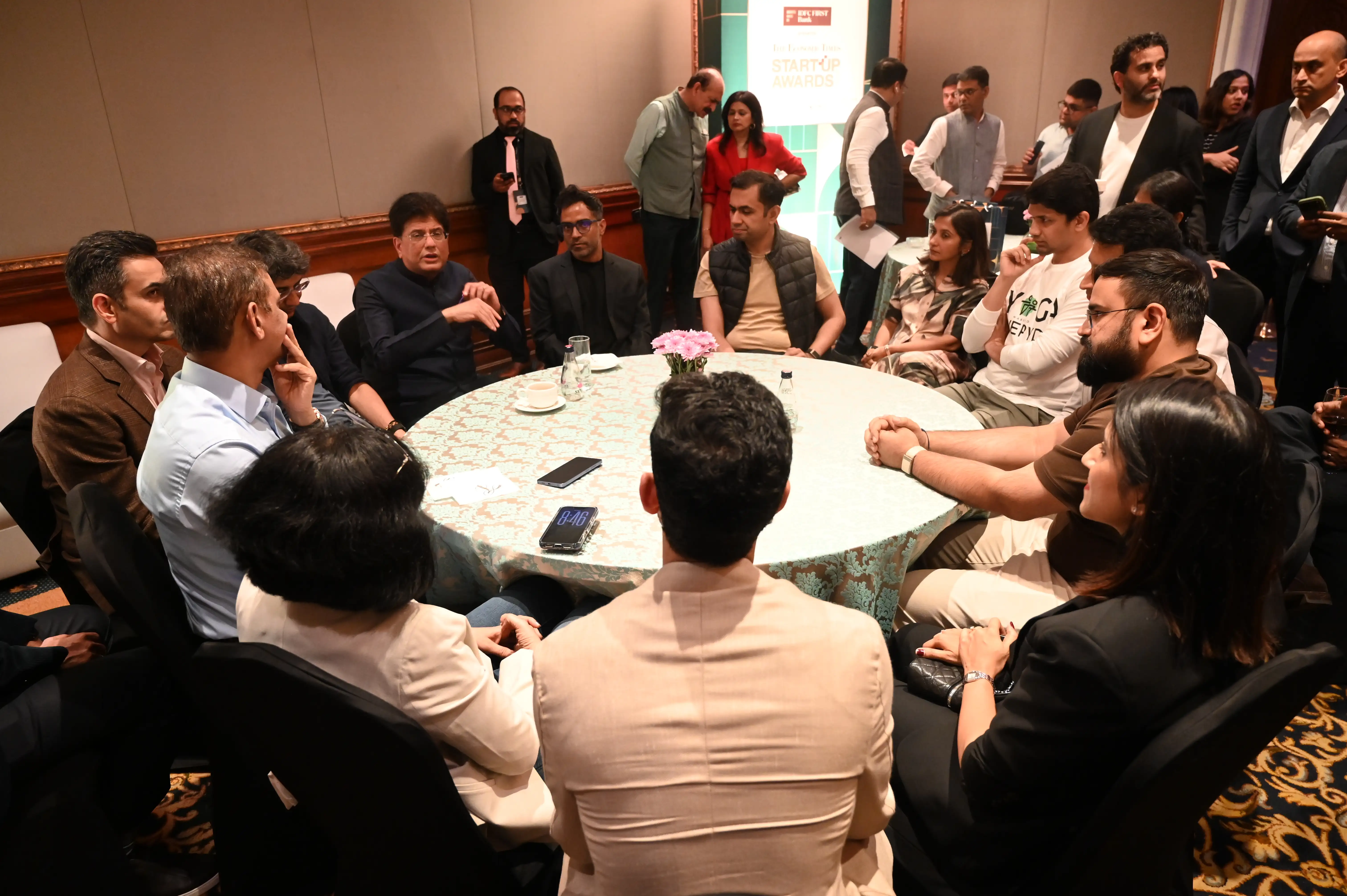 Union commerce and industry minister Piyush Goyal in conversation with winners.
On FDI outflows: The story that we have seen of stock market outflows largely is because of the greater attraction of technology stocks in the West or other developed countries. Now, with interest rate differential between US bonds and Indian bonds also being significantly less…it’s quite natural that we will see some slowing down of flows.
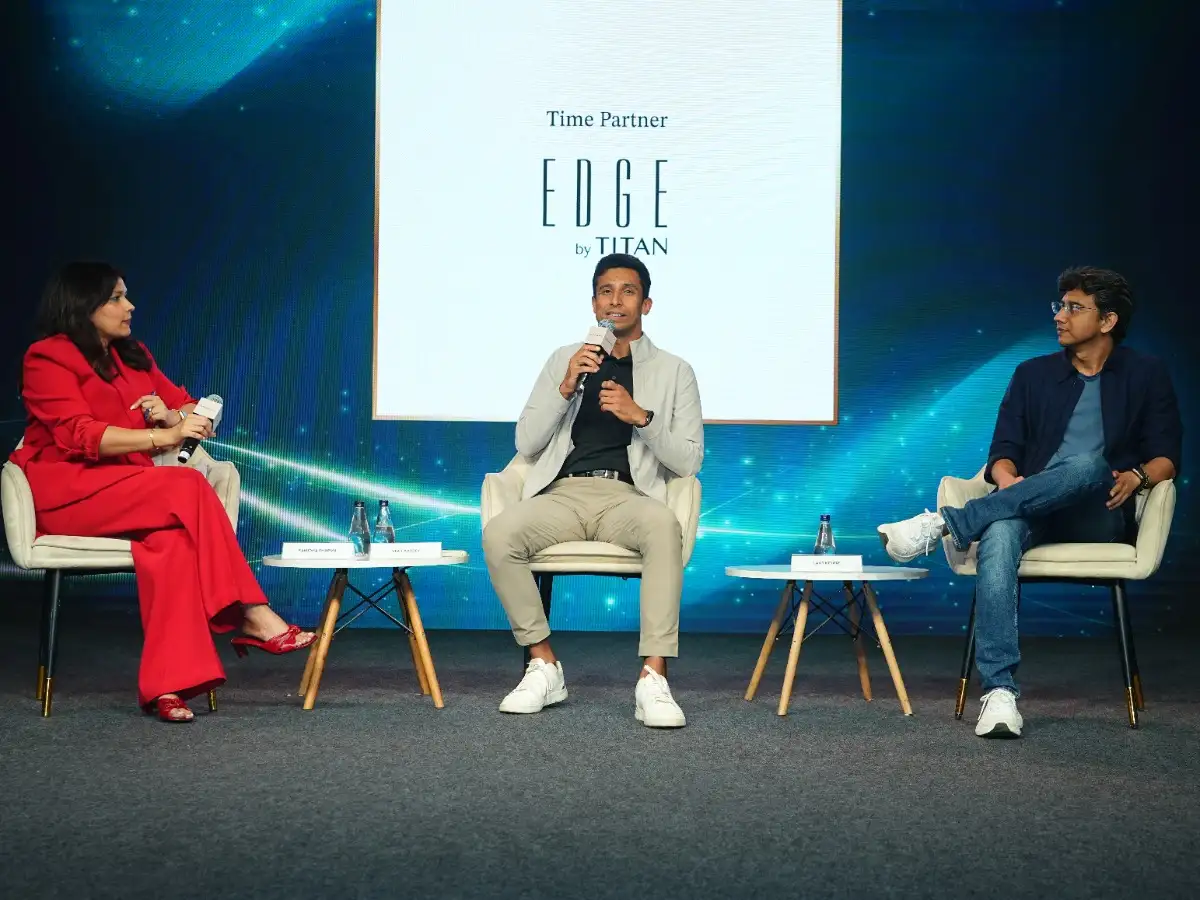 L-R: ETtech editor Samidha Sharma, Meesho CEO Vidit Aatrey and Groww CEO Lalit Keshre
Startups should go public only when their businesses have achieved a degree of predictability, according to Meesho cofounder and CEO Vidit Aatrey and Groww cofounder and CEO Lalit Keshre. The two were speaking on a panel at the ET Startup Awards 2026, moderated by ETtech editor Samidha Sharma.
Different takes: Meesho and Groww, both around a decade old, listed on Indian exchanges a month apart late last year. Yet they differ on why some startups seek an early IPO.
According to Aatrey, early-stage founders in India are increasingly looking at public markets as an alternative to raising private capital. “In the US, small IPOs are rare, while in India both small and large listings are taking place,” he said. “Founders are now thinking: can I short-circuit and go public instead of raising private capital?”
Keshre, on the other hand, thinks the question is more about value. “I think capital is available where capital is needed. But at a certain stage, valuing an asset is very tough. In private markets, two parties are deciding. In public markets, there are a lot more parties,” he said. Groww listed on the stock exchanges last November.
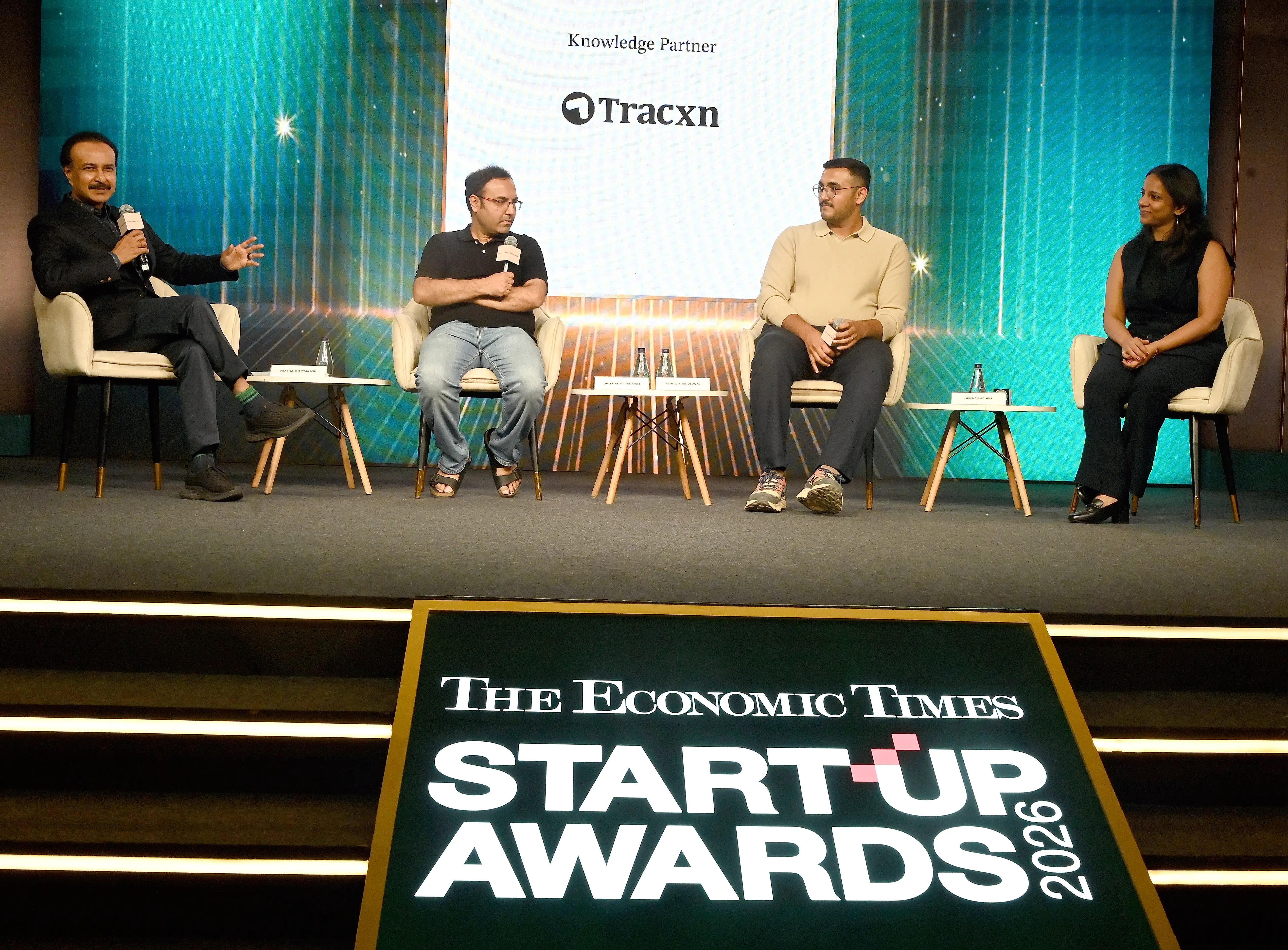 L-R: Accel's Prashanth Prakash, Agrani Labs CEO Dheemanth Nagaraj, Pixxel cofounder and CTO Kshitij Khandelwal and BrainSight AI cofounder Laina Emmanuel
Geopolitical tensions are adding to supply chain issues for India’s space sector, while deeptech startups are asking the government to act as an early customer to help them compete with global incumbents, founders said at a panel discussion at ETSA 2026, titled ‘Building the Hard Stuff in India’.
Space sector’s strains: Kshitij Khandelwal, cofounder and CTO of spacetech startup Pixxel, said tensions in West Asia have made it harder to source critical components, as demand for airborne sensors and related equipment has risen, driving up costs.
Government as early customer: Dheemanth Nagaraj, cofounder and CEO of Agrani Labs, said Indian deeptech companies need the government to become an early customer and create markets for domestically developed technologies.
.jpg "FASHION (1)") Left: Priya Narsimhan, CBO, Indus Appstore, Archana Rajaram, founder and managing partner of River Law; IKEA India CEO Patrik Antoni; Prateek Mehta of South Park Commons (top right) and Anurag Sinha, OneCard.
Left: Priya Narsimhan, CBO, Indus Appstore, Archana Rajaram, founder and managing partner of River Law; IKEA India CEO Patrik Antoni; Prateek Mehta of South Park Commons (top right) and Anurag Sinha, OneCard.
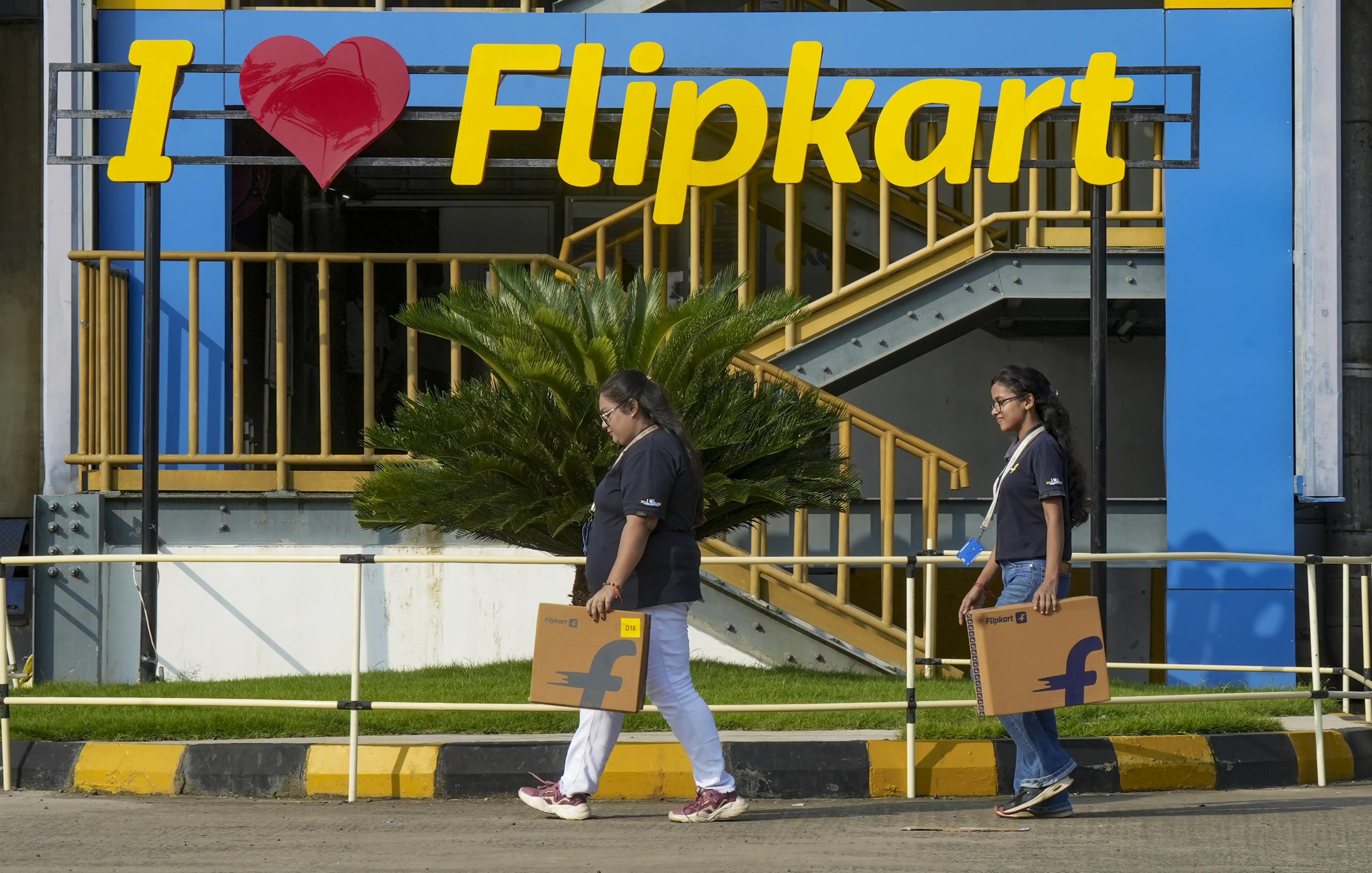
Former Flipkart group employees launch petition seeking inclusion in proposed $2 billion Esop buyback: Former employees and executives of the Flipkart group are mobilising thousands of ex-staffers to press Walmart for an exit for their vested employee stock options (Esops), as the issue gathers momentum. On October 10, a group of former executives launched a petition aiming to bring together 20,000-30,000 former employees of Flipkart and its group companies. The petition calls for their inclusion in the planned $2 billion Esop buyback.ET reported on October 7 that former Flipkart group CXOs sent an email to Walmart's board seeking a buyout of their vested options.
Zetwerk IPO’s fresh issue size raised: Business-to-business manufacturing platform Zetwerk has expanded the size of its proposed IPO, increasing the fresh issue component to Rs 2,830 crore from Rs 2,600 crore, and the offer for sale (OFS) by 49% to 144.5 million shares, per its red herring prospectus (RHP) filed on Sunday.
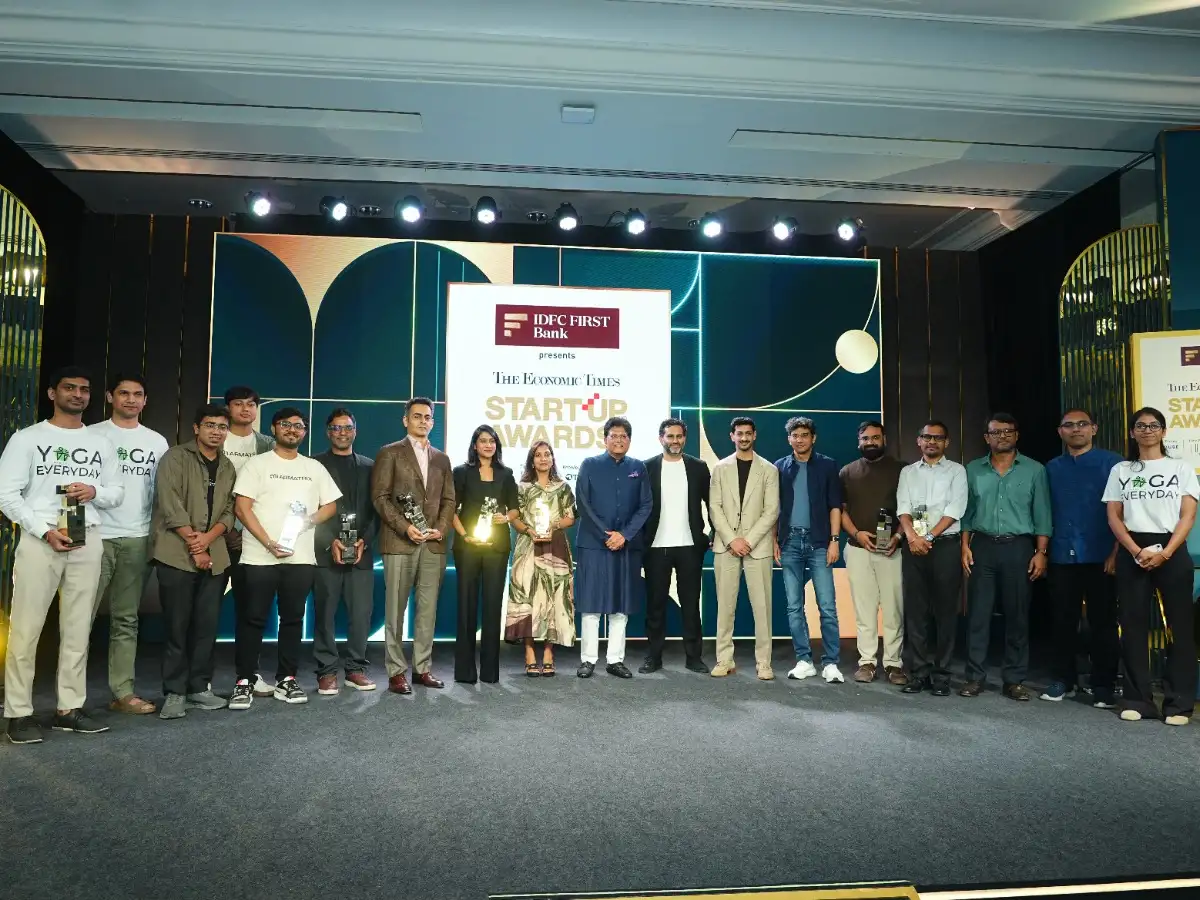
More than 300 leaders from across the startup and technology sectors gathered to discuss hot-button issues on the sidelines of the event.
In this special edition of ETtech Morning Dispatch, we put together the standout moments from India’s most prestigious awards for entrepreneurship.
ET Startup Awards 2026: Over a decade on, India's startup story is only getting started
The 12th edition of ETSA celebrated the remarkable journey of Indian startups, with this year’s event coming alongside the rise of artificial intelligence (AI) and deep tech sectors, and homegrown companies tapping the public markets as well as pursuing global ambitions.
Guest of honour: Union minister Piyush Goyal was the chief guest at the star-studded ceremony. In his address, he underlined the growing influence of India’s tech ecosystem, the US-India trade relations, and the opportunity provided by the new H-1B curbs.
Even with about 250,000 registered startups, the minister said, the journey was only beginning, particularly in deeptech, where the number of significant startups remains small.
Meet the winners: Groww was named ET Startup of the Year 2026, joining the elite list that includes Urban Company, Lenskart, Razorpay, Zomato, Zerodha, Delhivery, Swiggy, OfBusiness, Freshworks, Oyo Hotels & Homes and Ola.
Honours’ list:
- Midas Touch: Manu Chandra, founder and managing partner at consumer investment firm Sauce VC
- Bootstrap Champ: Habuild
- Top Innovator: Theranautilus
- Woman Ahead: Pallavi Mohadikar, cofounder and chief executive, Palmonas; Pallavi Shrivastava, cofounder and CEO, Progcap
- Social Enterprise: Varaha
- Comeback Kid: Mukund Jha
- Best On Campus: Armatrix
Razorpay cofounder and CEO Harshil Mathur, whose company was Startup of the Year at ETSA 2022, said the strength of this year's field showed how far Indian entrepreneurship had come.
ETSA champions show the great Indian dream is all home-brewed and visa-free
Commerce and industry minister Piyush Goyal had a wide-ranging conversation with ET’s Deepshikha Sikarwar about India’s trade deals, India-US relations, foreign investment, and how Indian businesses will benefit from the restrictions on the green card programme.
Edited excerpts:
On H-1B curbs: I personally believe that not getting more H-1B visas is absolutely good for the Indian economy. Some of our best talent over the last, particularly 25-30 years has gone away to the US, and I see the billionaires of Indian origin literally down every street. I wonder what would have happened if all of them had been doing their businesses in India.
On India-US relations: Two countries where the leaders, governments, businesses and the people are quite intrinsically engaged with each other will always have certain friction points. But at the same time, there is recognition in both countries that this is a relationship which is very consequential.
On FDI outflows: The story that we have seen of stock market outflows largely is because of the greater attraction of technology stocks in the West or other developed countries. Now, with interest rate differential between US bonds and Indian bonds also being significantly less…it’s quite natural that we will see some slowing down of flows.
List when the business is predictable, and stay transparent after: Groww, Meesho founders
Startups should go public only when their businesses have achieved a degree of predictability, according to Meesho cofounder and CEO Vidit Aatrey and Groww cofounder and CEO Lalit Keshre. The two were speaking on a panel at the ET Startup Awards 2026, moderated by ETtech editor Samidha Sharma.
Different takes: Meesho and Groww, both around a decade old, listed on Indian exchanges a month apart late last year. Yet they differ on why some startups seek an early IPO.
According to Aatrey, early-stage founders in India are increasingly looking at public markets as an alternative to raising private capital. “In the US, small IPOs are rare, while in India both small and large listings are taking place,” he said. “Founders are now thinking: can I short-circuit and go public instead of raising private capital?”
Keshre, on the other hand, thinks the question is more about value. “I think capital is available where capital is needed. But at a certain stage, valuing an asset is very tough. In private markets, two parties are deciding. In public markets, there are a lot more parties,” he said. Groww listed on the stock exchanges last November.
ET Startup Awards 2026: Deeptech wants government to step up as the first customer
Geopolitical tensions are adding to supply chain issues for India’s space sector, while deeptech startups are asking the government to act as an early customer to help them compete with global incumbents, founders said at a panel discussion at ETSA 2026, titled ‘Building the Hard Stuff in India’.
Space sector’s strains: Kshitij Khandelwal, cofounder and CTO of spacetech startup Pixxel, said tensions in West Asia have made it harder to source critical components, as demand for airborne sensors and related equipment has risen, driving up costs.
Government as early customer: Dheemanth Nagaraj, cofounder and CEO of Agrani Labs, said Indian deeptech companies need the government to become an early customer and create markets for domestically developed technologies.
Other Top Stories By Our Reporters
Former Flipkart group employees launch petition seeking inclusion in proposed $2 billion Esop buyback: Former employees and executives of the Flipkart group are mobilising thousands of ex-staffers to press Walmart for an exit for their vested employee stock options (Esops), as the issue gathers momentum. On October 10, a group of former executives launched a petition aiming to bring together 20,000-30,000 former employees of Flipkart and its group companies. The petition calls for their inclusion in the planned $2 billion Esop buyback.ET reported on October 7 that former Flipkart group CXOs sent an email to Walmart's board seeking a buyout of their vested options.
Zetwerk IPO’s fresh issue size raised: Business-to-business manufacturing platform Zetwerk has expanded the size of its proposed IPO, increasing the fresh issue component to Rs 2,830 crore from Rs 2,600 crore, and the offer for sale (OFS) by 49% to 144.5 million shares, per its red herring prospectus (RHP) filed on Sunday.
Want this newsletter delivered to your inbox?
I agree to receive newsletters and marketing communications via e-mail