
 Morning Dispatch Morning Dispatch |
TCS Nashik case escalates; Zepto’s road to IPO
Want this newsletter delivered to your inbox?
I agree to receive newsletters and marketing communications via e-mail

Thank you for subscribing to Morning Dispatch
We'll soon meet in your inbox.
Happy Tuesday! TCS COO Aarthi Subramanian will head the investigation into a sexual harassment case at its Nashik unit. This and more in today's ETtech Morning Dispatch.
Also in the letter:
■ Sahamati finds its backers
■ Startup Funds of Funds 2.0
■ Enterprises’ cyber risk
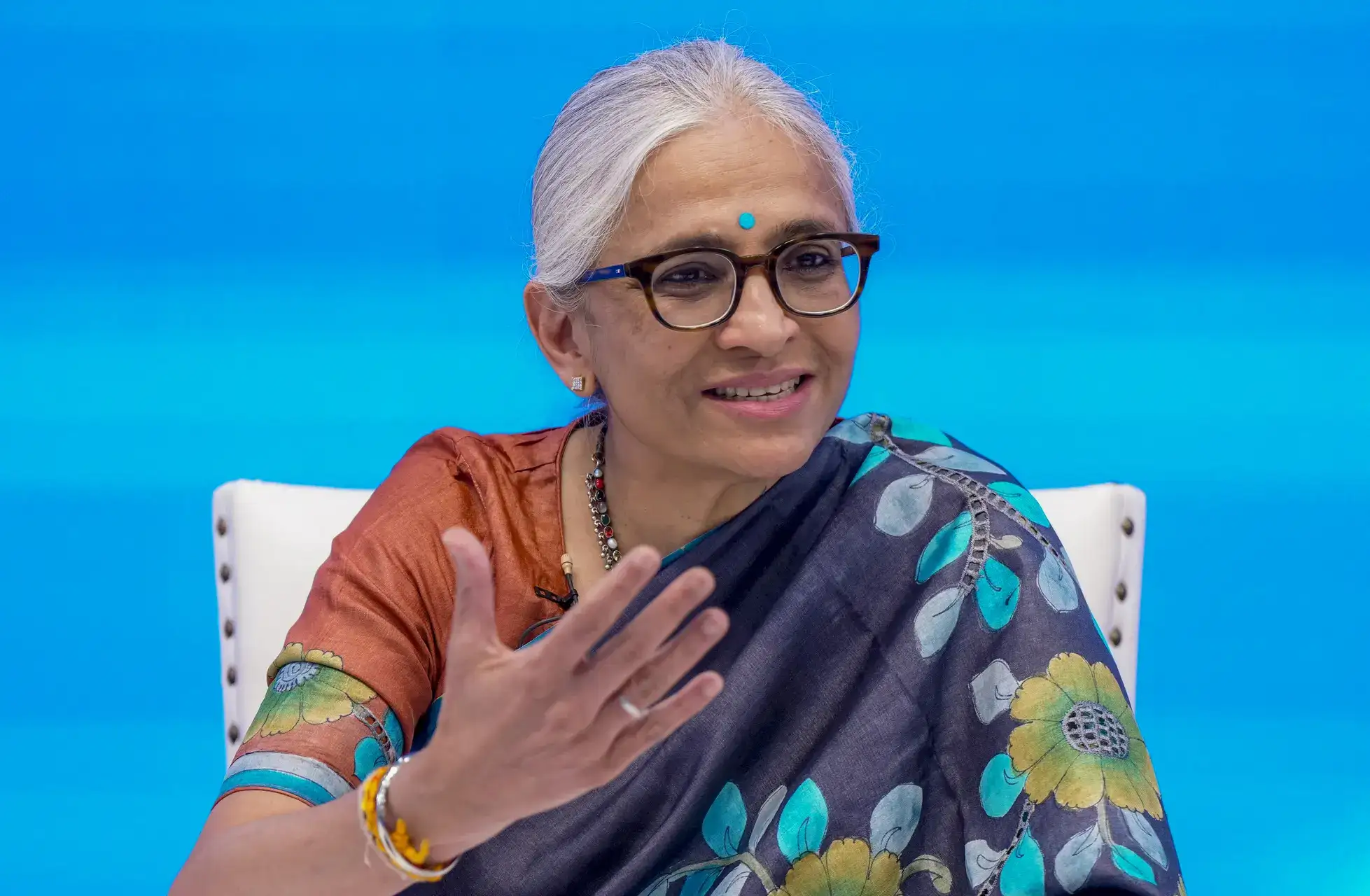 Aarthi Subramanian, COO, TCS
Tata Sons chairman N Chandrasekaran has ordered a sweeping probe into allegations from TCS’s Nashik office, calling them “gravely concerning”.
The investigation is being led by TCS chief operating officer Aarthi Subramanian.
Case details: The case centres on accusations of sexual harassment, coercion and pressure related to religious conversion at TCS’s Nashik unit. Eight employees have filed police complaints, alleging senior colleagues harassed them while HR ignored repeated grievances. Seven people have been arrested so far, including an HR manager.
Tata’s stance: "This incident is being treated with utmost seriousness. Action has already been initiated against the accused employees, and the company is extending its full cooperation to the ongoing investigations," Tata Sons chairman N Chandrasekaran said in a statement.
Beyond metros: This case throws a harsh light on the IT sector’s push into smaller cities. TCS opened eight large offices in tier-II cities in 2022, each housing around 10,000 employees. This came after earlier expansion in Nagpur, Bhubaneswar, Pune and other cities before the Covid-19 pandemic.
Also Read: TCS Nashik case: NITES approaches labour ministry, seeks POSH compliance audit in tech firm
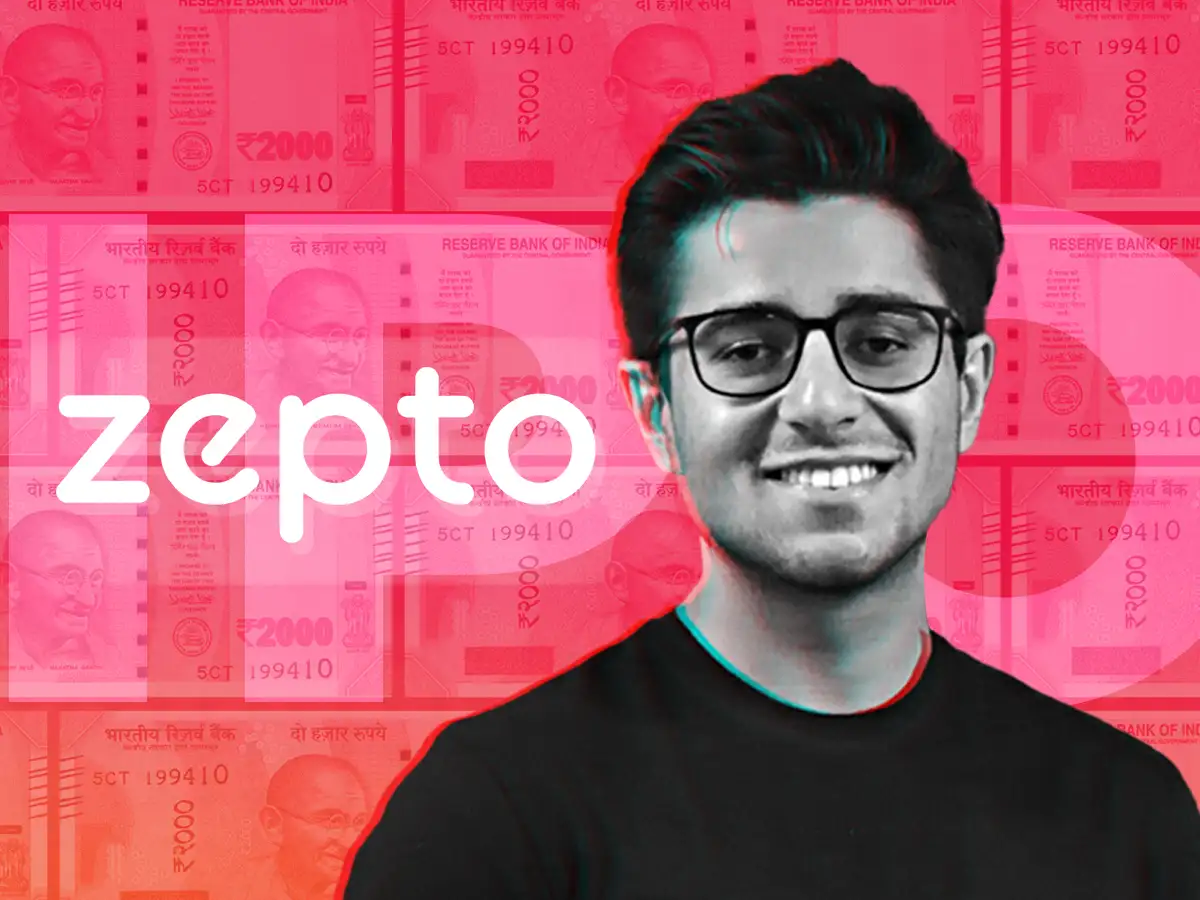 Aadit Palicha, CEO, Zepto
Quick commerce firm Zepto has begun meeting institutional investors ahead of a planned June-July listing, as it prepares a Rs 11,000-12,000 crore IPO.
Profitability pitch: In these meetings, Zepto is laying out a road to breakeven by FY28 and net profitability by FY29, along with 25-30% sequential growth in order volumes. Quarterly cash burn has fallen to Rs 850-900 crore, and Ebitda losses have narrowed sharply.
Growth strategy:
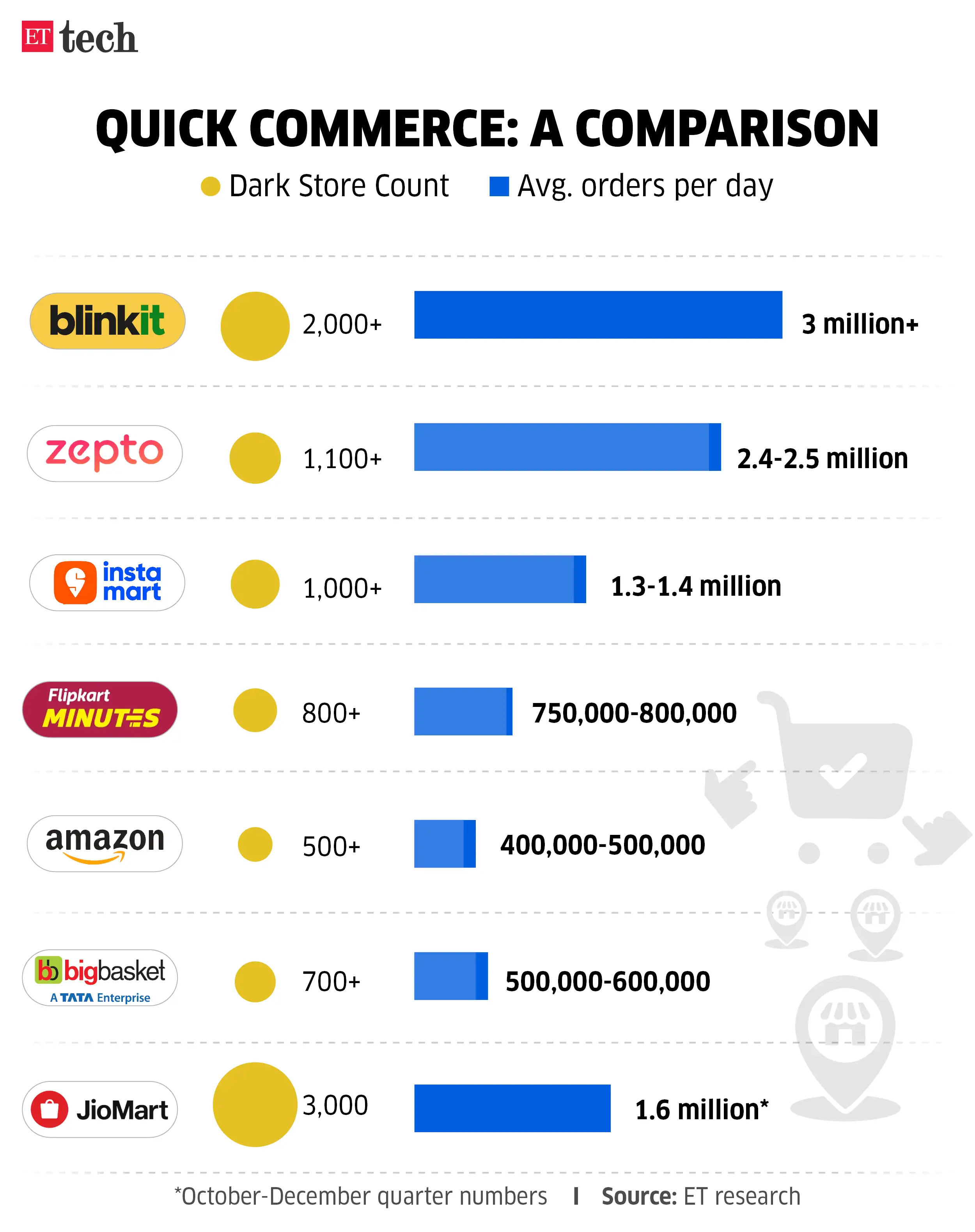
Competitive backdrop: The push reflects a broader trend at Blinkit and Instamart, as they also seek to balance growth with margins in an increasingly crowded field.
Valuation overhang: Investors remain wary. Listed peers still trade below their earlier peaks, casting a shadow over Zepto’s last $7 billion valuation and its eventual IPO pricing.
Also Read: Amazon India to shut down Fresh in top cities amid quick commerce push: UBS report
Multiple large banks, NBFCs, asset managers, and stock brokers are in the final stages of investing in Sahamati, the not-for-profit body that powers the NBFC-Account Aggregators network, a consent-based financial data-sharing system.
Who comes in:
Why it matters: Sahamati is seen as a frontrunner to become the self-regulatory organisation (SRO) for the NBFC-account aggregator ecosystem.
The banking regulator prefers an SRO with a broad base of members from across the industry. That is driving Sahamati’s effort to bring in participants from across the ecosystem, experts said.
Sahamati’s role: Sahamati describes itself as a member-led industry alliance that promotes the AA ecosystem nationwide. Founded in 2019, the organisation is led by chief executive officer BG Mahesh and chief finance officer Ravi Vishwanath.

The Department for Promotion of Industry and Internal Trade of India (DPIIT) has notified the Rs 10,000 crore Fund of Funds 2.0 for startups, with a broader mandate that now includes focused support for deeptech and manufacturing ventures.
The details: The fund is designed to mobilise venture capital and invest in deeptech, tech-driven manufacturing startups and early-growth enterprises.
The corpus has been split into four segments:
The structure enables larger, longer-duration AIFs that can support capital-intensive businesses with extended R&D cycles and longer gestation periods.

Enterprises face cyber risk: Indian enterprises could face a structural cybersecurity risk following the release of Anthropic's advanced AI model, Mythos. As Mythos begins finding software vulnerabilities in hours, far faster than companies can fix them, experts said this could leave systems exposed.
BharatPe cofounder steps down: BharatPe cofounder Shashvat Nakrani has stepped down as chief operating officer (COO) at the fintech firm. He will continue to be a director on the firm's board.
Sharon Pais takes over Myntra: Flipkart-owned Myntra is scaling up its rapid commerce unit M-Now as a key growth lever, the fashion ecommerce company’s new head, Sharon Pais, told ET. Pais has been appointed to replace CEO Nandita Sinha, who will exit in the coming months.
■ The less technically literate might be a touch concerned that your AI escaped (FT)
■ In its push to become Big Tech’s data center hub, India is overlooking local resistance (Rest of World)
■ Great at gaming? US air traffic control wants you to apply (BBC)
Also in the letter:
■ Sahamati finds its backers
■ Startup Funds of Funds 2.0
■ Enterprises’ cyber risk
TCS pledges strict action in Nashik harassment case; COO Subramanian leads investigation
Tata Sons chairman N Chandrasekaran has ordered a sweeping probe into allegations from TCS’s Nashik office, calling them “gravely concerning”.
The investigation is being led by TCS chief operating officer Aarthi Subramanian.
Case details: The case centres on accusations of sexual harassment, coercion and pressure related to religious conversion at TCS’s Nashik unit. Eight employees have filed police complaints, alleging senior colleagues harassed them while HR ignored repeated grievances. Seven people have been arrested so far, including an HR manager.
Tata’s stance: "This incident is being treated with utmost seriousness. Action has already been initiated against the accused employees, and the company is extending its full cooperation to the ongoing investigations," Tata Sons chairman N Chandrasekaran said in a statement.
Beyond metros: This case throws a harsh light on the IT sector’s push into smaller cities. TCS opened eight large offices in tier-II cities in 2022, each housing around 10,000 employees. This came after earlier expansion in Nagpur, Bhubaneswar, Pune and other cities before the Covid-19 pandemic.
Also Read: TCS Nashik case: NITES approaches labour ministry, seeks POSH compliance audit in tech firm
Zepto trims cash burn before IPO, pitches profitability by FY29 to investors amid growing competition
Quick commerce firm Zepto has begun meeting institutional investors ahead of a planned June-July listing, as it prepares a Rs 11,000-12,000 crore IPO.
Profitability pitch: In these meetings, Zepto is laying out a road to breakeven by FY28 and net profitability by FY29, along with 25-30% sequential growth in order volumes. Quarterly cash burn has fallen to Rs 850-900 crore, and Ebitda losses have narrowed sharply.
Growth strategy:
- Zepto aims to increase order volumes without adding new dark stores, relying on improved utilisation and tighter cost controls.
- Daily orders are pegged at 2.4-2.5 million, helped by discounts and a value-first positioning.
Competitive backdrop: The push reflects a broader trend at Blinkit and Instamart, as they also seek to balance growth with margins in an increasingly crowded field.
Valuation overhang: Investors remain wary. Listed peers still trade below their earlier peaks, casting a shadow over Zepto’s last $7 billion valuation and its eventual IPO pricing.
Also Read: Amazon India to shut down Fresh in top cities amid quick commerce push: UBS report
Banks, asset management firms, stock brokers set to become shareholders in Sahamati
Multiple large banks, NBFCs, asset managers, and stock brokers are in the final stages of investing in Sahamati, the not-for-profit body that powers the NBFC-Account Aggregators network, a consent-based financial data-sharing system.
Who comes in:
- State Bank of India, HDFC Bank, ICICI Bank, Axis Bank and Yes Bank are expected to pick up stakes of 7.5% to 8.5% each, sources told us.
- Zerodha, Dhan and Angel One have also taken about 8% each, they added.
- Dezerv has acquired around 2%.
Why it matters: Sahamati is seen as a frontrunner to become the self-regulatory organisation (SRO) for the NBFC-account aggregator ecosystem.
The banking regulator prefers an SRO with a broad base of members from across the industry. That is driving Sahamati’s effort to bring in participants from across the ecosystem, experts said.
Sahamati’s role: Sahamati describes itself as a member-led industry alliance that promotes the AA ecosystem nationwide. Founded in 2019, the organisation is led by chief executive officer BG Mahesh and chief finance officer Ravi Vishwanath.
Govt notifies establishment of Rs 10,000 crore Fund of Funds 2.0
The Department for Promotion of Industry and Internal Trade of India (DPIIT) has notified the Rs 10,000 crore Fund of Funds 2.0 for startups, with a broader mandate that now includes focused support for deeptech and manufacturing ventures.
The details: The fund is designed to mobilise venture capital and invest in deeptech, tech-driven manufacturing startups and early-growth enterprises.
The corpus has been split into four segments:
- Deeptech-focused AIFs
- Micro VCs for early-growth startups
- Tech-driven, innovative manufacturing startups
- Sector- or stage-agnostic startups
The structure enables larger, longer-duration AIFs that can support capital-intensive businesses with extended R&D cycles and longer gestation periods.
Other Top Stories By Our Reporters
Enterprises face cyber risk: Indian enterprises could face a structural cybersecurity risk following the release of Anthropic's advanced AI model, Mythos. As Mythos begins finding software vulnerabilities in hours, far faster than companies can fix them, experts said this could leave systems exposed.
BharatPe cofounder steps down: BharatPe cofounder Shashvat Nakrani has stepped down as chief operating officer (COO) at the fintech firm. He will continue to be a director on the firm's board.
Sharon Pais takes over Myntra: Flipkart-owned Myntra is scaling up its rapid commerce unit M-Now as a key growth lever, the fashion ecommerce company’s new head, Sharon Pais, told ET. Pais has been appointed to replace CEO Nandita Sinha, who will exit in the coming months.
Global Picks We Are Reading
■ The less technically literate might be a touch concerned that your AI escaped (FT)
■ In its push to become Big Tech’s data center hub, India is overlooking local resistance (Rest of World)
■ Great at gaming? US air traffic control wants you to apply (BBC)
Want this newsletter delivered to your inbox?
I agree to receive newsletters and marketing communications via e-mail