
 Morning Dispatch Morning Dispatch |
NPCI tweaks UPI; Govt’s fintech committee
Want this newsletter delivered to your inbox?
I agree to receive newsletters and marketing communications via e-mail

Thank you for subscribing to Morning Dispatch
We'll soon meet in your inbox.
Happy Tuesday! NPCI is slowly phasing out the ‘Collect Payments’ feature on UPI payment. This and more in today’s ETtech Morning Dispatch packed with fintech exclusives!
Also in the letter:
■ India imports semicon CEOs
■ Byjus vs NCLT
■ Pilgrim, Silkk Club fundraise
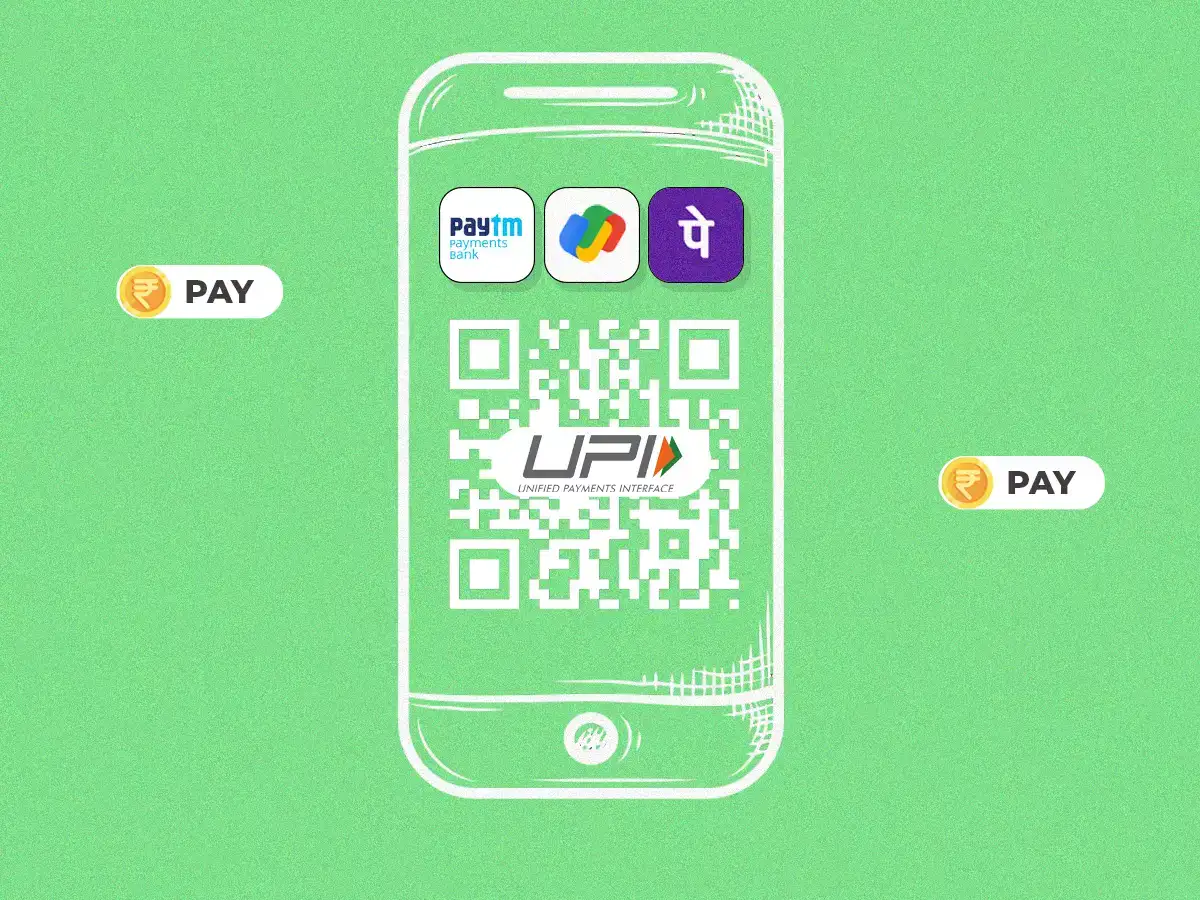
The National Payments Corporation of India (NPCI) is gradually phasing out the ‘Collect Payments’ feature on the Unified Payments Interface (UPI), according to two bankers familiar with the matter.
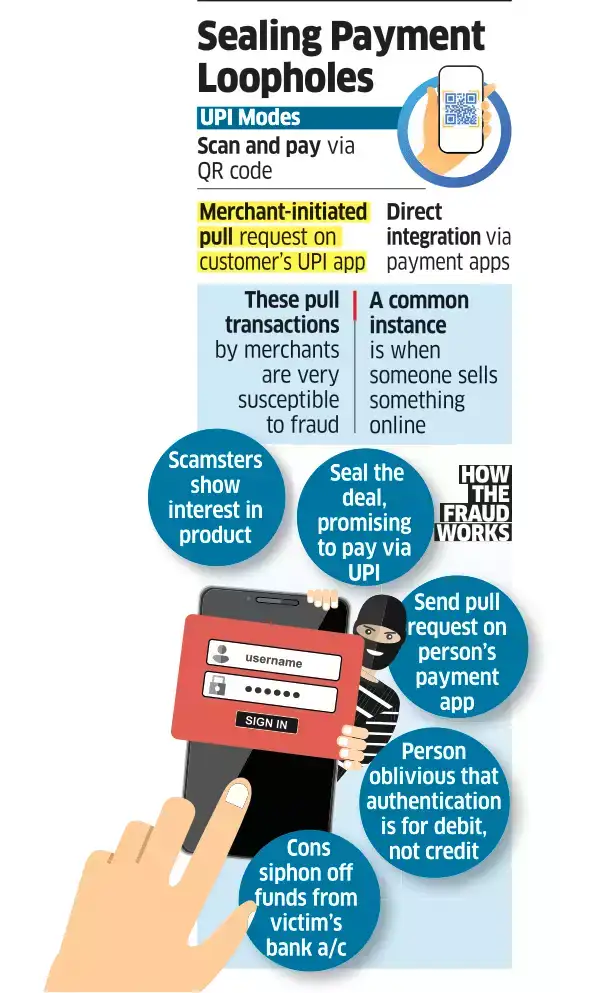
Understanding the flow: Users can initiate payments through a push or pull transaction on UPI.
It is this pull-based payment mode that the NPCI is gradually discontinuing.
Growth of merchant payments on UPI: India’s digital payments ecosystem has expanded significantly, with most merchant transactions shifting from debit cards and net banking to UPI. NPCI aims to further accelerate this transition by promoting QR code-based and push payments. Pull payments will only be permitted for a select group of large, verified merchants.
What's the impact:
Also Read: Government weighs return of merchant charges on UPI, RuPay
The government has established an inter-ministerial committee to tackle regulatory challenges facing India’s fintech industry.
Committee members: The committee, the first of its kind, will include representatives from:
What's the agenda:
The challenges: The initiative comes amid a slowdown in startup funding, with global investors turning skittish.
Also Read: RBI-fintech meet discusses expanding digital payments market, checking fraud
Indian semiconductor companies are increasingly hiring expatriates for senior roles due to a shortage of local C-suite executives. This shortage is driven by the country's lack of a robust semiconductor ecosystem.
Expat hiring instances:
Salary details: Companies are offering annual salaries ranging between $500,000-$1 million for such executives, with Outsourced Semiconductor And Test (OSAT) roles on the lower end and fab-related positions commanding higher pay.
Also Read: Fab news: German, US companies eye India OSAT opportunity
Government’s push: The government is trying to attract more companies to this industry by providing incentives.
Also Read: India’s semiconductor landscape rife with opportunities
 Byju Raveendran, founder, Byju’s
Byju's founder challenges NCLT order to appoint new creditor committee: Byju's founder on Monday challenged the National Company Law Tribunal's January order to include Glas Trust and Aditya Birla Finance on its parent company's committee of creditors (CoC) and to overturn interim resolution professional Pankaj Srivastava's reconstitution of the panel on August 31.
Beauty and personal care brand Pilgrim raises Rs 200 crore: Pilgrim, a direct-to-consumer (D2C) brand in beauty and personal care, has raised Rs 200 crore through primary and secondary financing. This new capital will facilitate the expansion of its offline distribution, bolster its research and development (R&D) efforts, and improve its omnichannel presence.
Fashion delivery startup Slikk Club raises $3.2 million: The startup has closed a $3.2 million (approximately Rs 27.7 crore) funding round led by Lightspeed. The company aims to use the funds to expand operations in Bengaluru, set up dark stores in 80% of the city's pin codes, introduce new categories and brands, and strengthen the leadership team.
Ola Electric, Mobikwik shares fall sharply amid stock market’s bear run: As Dalal Street grapples with a bear hug, new-age stocks such as Mobikwik and Ola Electric have seen a significant decline in value. Meanwhile, IT stocks keep lagging due to the uncertainty stemming from factors in the US.
■ Is Google playing catchup on search with OpenAI (MIT Technology Review)
■ Democrats train fire on Musk as unelected billionaire dips in popularity (The Guardian)
■ How Joel Kaplan became Mark Zuckerberg’s most trusted political fixer (FT)
Also in the letter:
■ India imports semicon CEOs
■ Byjus vs NCLT
■ Pilgrim, Silkk Club fundraise
Exclusive: NPCI to stop cons from ‘pulling’ a fast one via UPI
The National Payments Corporation of India (NPCI) is gradually phasing out the ‘Collect Payments’ feature on the Unified Payments Interface (UPI), according to two bankers familiar with the matter.
Understanding the flow: Users can initiate payments through a push or pull transaction on UPI.
- Push transaction: a customer can directly transfer money to any beneficiary.
- Pull transaction (collect payment): The payee requests money from the payer, who must then authenticate the transaction through their UPI app.
It is this pull-based payment mode that the NPCI is gradually discontinuing.
Growth of merchant payments on UPI: India’s digital payments ecosystem has expanded significantly, with most merchant transactions shifting from debit cards and net banking to UPI. NPCI aims to further accelerate this transition by promoting QR code-based and push payments. Pull payments will only be permitted for a select group of large, verified merchants.
What's the impact:
- Major UPI apps like Google Pay and PhonePe may benefit as more transactions flow through their platforms.
- Person-to-person (P2P) collect requests will now be capped at Rs 2000.
- Small merchants relying on collect payments may face disruptions but can shift to QR code payments via aggregators to ensure continuity.
Also Read: Government weighs return of merchant charges on UPI, RuPay
Exclusive: Hit a regulatory bump? Interministerial panel set up to address fintech troubles
The government has established an inter-ministerial committee to tackle regulatory challenges facing India’s fintech industry.
Committee members: The committee, the first of its kind, will include representatives from:
- Government: Department of Financial Services, Department of Economic Affairs, NITI Aayog, Ministry of Electronics & Information Technology (Meity), Department for Promotion of Industry and Internal Trade (DPIIT).
- Regulatory bodies: Reserve Bank of India (RBI) and Securities and Exchange Board of India (Sebi).
- Startup founders (from): Billdesk, Acko General Insurance, Groww, and Jupiter.
What's the agenda:
- The committee will evaluate the fintech sector's growth, its role in the banking, financial services and insurance (BFSI) industry, and key regulatory and policy challenges.
- After deliberations, it will submit a report within three months of its first meeting.
The challenges: The initiative comes amid a slowdown in startup funding, with global investors turning skittish.
- A Tracxn report shows that Indian fintech investments fell to $1.9 billion in 2024, down from $2.8 billion in 2023.
- Regulatory actions have affected startups in digital payments, stock broking, lending, and other fintech sectors.
Also Read: RBI-fintech meet discusses expanding digital payments market, checking fraud
Indian semiconductor companies eye global talent to spearhead operations
Indian semiconductor companies are increasingly hiring expatriates for senior roles due to a shortage of local C-suite executives. This shortage is driven by the country's lack of a robust semiconductor ecosystem.
Expat hiring instances:
- Tata Electronics appointed Randhir Thakur, former president of Intel's Foundry Services, as its CEO and MD.
- Murugappa Group's CG Semi hired Jerry Arucan Agnes, a veteran of the Filipino semiconductor industry, as CEO.
- Vedanta named David Reed, formerly with NXP Semiconductors, as CEO of its semiconductor division.
Salary details: Companies are offering annual salaries ranging between $500,000-$1 million for such executives, with Outsourced Semiconductor And Test (OSAT) roles on the lower end and fab-related positions commanding higher pay.
Also Read: Fab news: German, US companies eye India OSAT opportunity
Government’s push: The government is trying to attract more companies to this industry by providing incentives.
- Companies like Tata Electronics, CG Semi, and Kaynes SemiCon are among those benefitting from subsidies under the India Semiconductor Mission (ISM) to set up facilities in the country.
- Tata Electronics is building India’s first semiconductor fab and an OSAT facility, while the others are concentrating on OSAT plants.
Also Read: India’s semiconductor landscape rife with opportunities
Other Top Stories By Our Reporters
Byju's founder challenges NCLT order to appoint new creditor committee: Byju's founder on Monday challenged the National Company Law Tribunal's January order to include Glas Trust and Aditya Birla Finance on its parent company's committee of creditors (CoC) and to overturn interim resolution professional Pankaj Srivastava's reconstitution of the panel on August 31.
Beauty and personal care brand Pilgrim raises Rs 200 crore: Pilgrim, a direct-to-consumer (D2C) brand in beauty and personal care, has raised Rs 200 crore through primary and secondary financing. This new capital will facilitate the expansion of its offline distribution, bolster its research and development (R&D) efforts, and improve its omnichannel presence.
Fashion delivery startup Slikk Club raises $3.2 million: The startup has closed a $3.2 million (approximately Rs 27.7 crore) funding round led by Lightspeed. The company aims to use the funds to expand operations in Bengaluru, set up dark stores in 80% of the city's pin codes, introduce new categories and brands, and strengthen the leadership team.
Ola Electric, Mobikwik shares fall sharply amid stock market’s bear run: As Dalal Street grapples with a bear hug, new-age stocks such as Mobikwik and Ola Electric have seen a significant decline in value. Meanwhile, IT stocks keep lagging due to the uncertainty stemming from factors in the US.
Global Picks We Are Reading
■ Is Google playing catchup on search with OpenAI (MIT Technology Review)
■ Democrats train fire on Musk as unelected billionaire dips in popularity (The Guardian)
■ How Joel Kaplan became Mark Zuckerberg’s most trusted political fixer (FT)
Want this newsletter delivered to your inbox?
I agree to receive newsletters and marketing communications via e-mail