
 Morning Dispatch |
Meesho Q2 loss narrows; Info Edge names Sanjeev Bikhchandani CEO
Want this newsletter delivered to your inbox?
I agree to receive newsletters and marketing communications via e-mail

Thank you for subscribing to Morning Dispatch
We'll soon meet in your inbox.
Happy Thursday! Meesho’s losses shrunk as revenue grew in the second quarter of FY27. This and more in today’s ETtech Morning Dispatch.
Also in the letter:
■ Deeptech’s import dependence
■ Calls for DPDP readiness checks
■ KLA eyes India manufacturing
 Vidit Aatrey, CEO, Meesho
Ecommerce platform Meesho saw revenue growing in the second quarter of FY27, while net loss narrowed.
Financials:
CEOspeak: "This momentum extended into the festive season, with NMV growing 33% year-on-year on a festive-aligned basis, reinforcing our conviction in the depth of India's e-commerce opportunity," said Vidit Aatrey, cofounder and CEO, Meesho.
Q3 Outlook: The platform expects year-on-year growth in the December quarter to look stronger than the underlying trend due to a shift in the timing of its festive sale, even as it remains watchful of macroeconomic pressures, the company said in its shareholders’ letter.
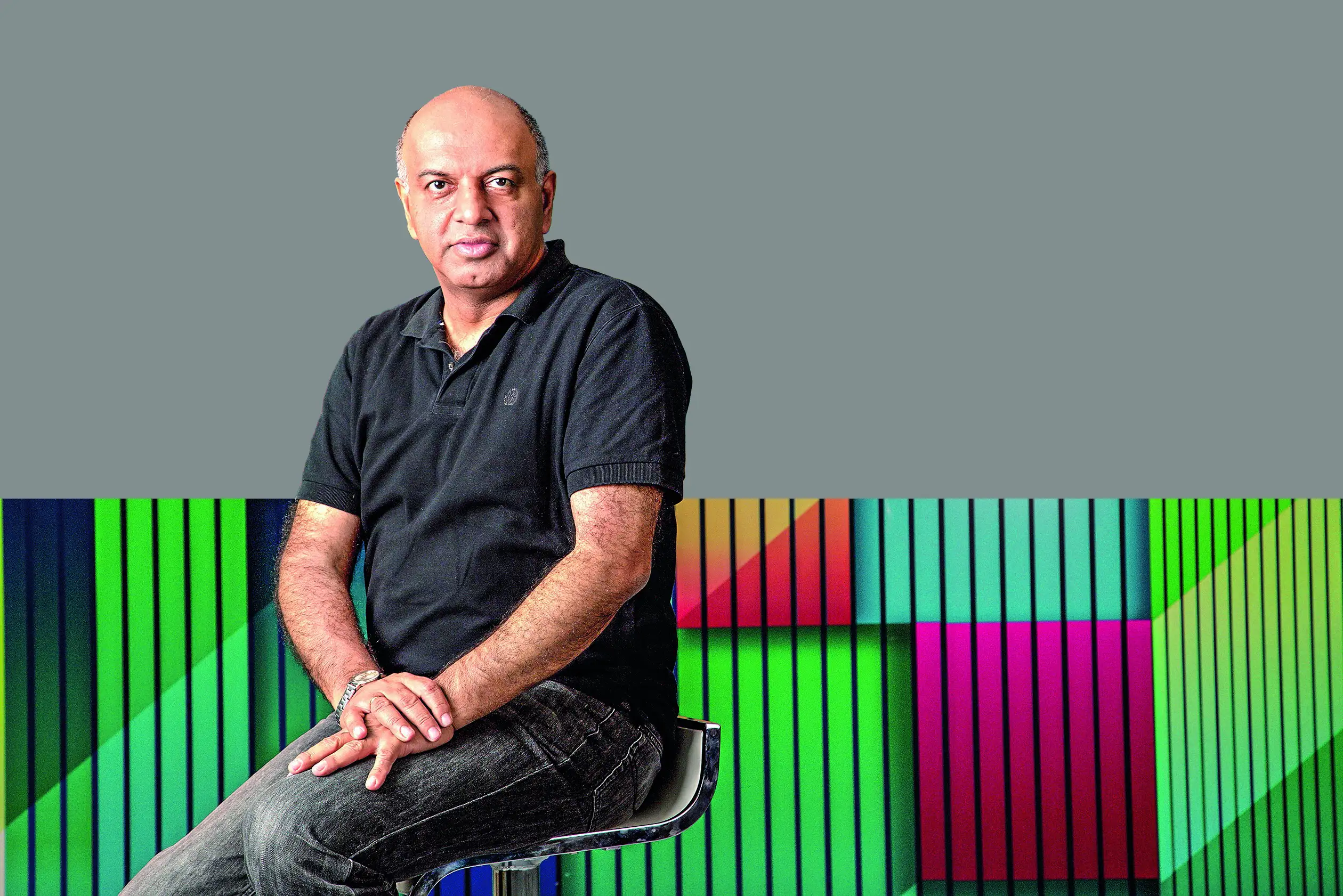 Sanjeev Bikhchandani, CEO, Info Edge
Info Edge founder Sanjeev Bikhchandani is set to return as the company’s chief executive, 16 years after stepping down from the role. He will succeed Hitesh Oberoi, who took over as CEO in July 2010 when Bikhchandani moved to the position of vice chairman of the Naukri parent.
What’s the news:

Indian deeptech companies remain heavily dependent on imports for critical components such as chips, battery cells, rare-earth magnets and specialised materials, with geopolitical tensions stretching procurement timelines from weeks to months and disrupting development and testing schedules.
Import dependence: According to an Avendus Capital report, India imports nearly all its advanced logic chips and lithium-ion cells, more than 90% of its rare-earth permanent magnets, and almost all its carbon-fibre composites and battery materials.
Scaling up: Building local capacity would take time, particularly as Indian manufacturers work towards competing with established suppliers on cost. The pressure is also being felt by established manufacturers.
Sector gaps: The report found that India was relatively better placed in defence and aerospace, where established engineering capabilities and domestic companies provide a stronger base. In robotics, India has made progress in warehouse automation but continues to depend on imported motion-control systems and precision components.

Experts urge DPDP readiness checks: Legal and policy experts have called for targeted assessments of corporate readiness for the Digital Personal Data Protection (DPDP) Act following recent cyber incidents in India, including disclosure of critical vulnerabilities in PHP, a programming language widely used to run websites.
KLA eyeing India manufacturing: Global semiconductor equipment and process-control giant KLA Corporation is eyeing a manufacturing foray in India. The company, which currently has significant R&D operations in India, and is now evaluating opportunities to deepen its capabilities in the country, people aware of the developments told ET.
■ A painting went missing 20 years ago. Police tracked it down with the help of AI (BBC)
■ The Inside Story of Why Apple Finally Brought a Touch Display to the Mac (Wired)
■ AI maths advances raise fears over security of global encryption (FT)
Also in the letter:
■ Deeptech’s import dependence
■ Calls for DPDP readiness checks
■ KLA eyes India manufacturing
Meesho Q2 loss narrows to Rs 132 crore YoY, revenue rises 34%
Ecommerce platform Meesho saw revenue growing in the second quarter of FY27, while net loss narrowed.
Financials:
- Operating revenue: Up 34% on year at Rs 4,131 crore.
- Net losses: Down 68% year-on-year (YoY) to Rs 132 crore.
- Total expenses: Up 23.8% YoY to Rs 4,382.27 crore.
CEOspeak: "This momentum extended into the festive season, with NMV growing 33% year-on-year on a festive-aligned basis, reinforcing our conviction in the depth of India's e-commerce opportunity," said Vidit Aatrey, cofounder and CEO, Meesho.
Q3 Outlook: The platform expects year-on-year growth in the December quarter to look stronger than the underlying trend due to a shift in the timing of its festive sale, even as it remains watchful of macroeconomic pressures, the company said in its shareholders’ letter.
Sanjeev Bikhchandani to return as Info Edge CEO after 16 years
Info Edge founder Sanjeev Bikhchandani is set to return as the company’s chief executive, 16 years after stepping down from the role. He will succeed Hitesh Oberoi, who took over as CEO in July 2010 when Bikhchandani moved to the position of vice chairman of the Naukri parent.
What’s the news:
- Oberoi will step down from his executive responsibilities on December 2.
- He will continue on the company's board as a non-executive, non-independent director under the promoter category.
- Bikhchandani, currently vice chairman, will take on the expanded role of executive vice chairman, MD, and group CEO.
- Net profit: Up 87% on-year to Rs 650 crore aided by higher other income and growth in its recruitment and real estate businesses.
- Operating revenue: Increased 12% to Rs 904 crore from Rs 805 crore a year earlier.
- Naukri.com revenue: Grew 13.3% to Rs 632 crore.
- 99acres numbers: Revenue up 16.7% to Rs 134 crore; operating loss narrowed to Rs 1.6 crore from Rs 23.4 crore a year ago.
India's deeptech dream remains import dependent for critical components
Indian deeptech companies remain heavily dependent on imports for critical components such as chips, battery cells, rare-earth magnets and specialised materials, with geopolitical tensions stretching procurement timelines from weeks to months and disrupting development and testing schedules.
Import dependence: According to an Avendus Capital report, India imports nearly all its advanced logic chips and lithium-ion cells, more than 90% of its rare-earth permanent magnets, and almost all its carbon-fibre composites and battery materials.
Scaling up: Building local capacity would take time, particularly as Indian manufacturers work towards competing with established suppliers on cost. The pressure is also being felt by established manufacturers.
Sector gaps: The report found that India was relatively better placed in defence and aerospace, where established engineering capabilities and domestic companies provide a stronger base. In robotics, India has made progress in warehouse automation but continues to depend on imported motion-control systems and precision components.
Other Top Stories By Our Reporters
Experts urge DPDP readiness checks: Legal and policy experts have called for targeted assessments of corporate readiness for the Digital Personal Data Protection (DPDP) Act following recent cyber incidents in India, including disclosure of critical vulnerabilities in PHP, a programming language widely used to run websites.
KLA eyeing India manufacturing: Global semiconductor equipment and process-control giant KLA Corporation is eyeing a manufacturing foray in India. The company, which currently has significant R&D operations in India, and is now evaluating opportunities to deepen its capabilities in the country, people aware of the developments told ET.
Global Picks We Are Reading
■ A painting went missing 20 years ago. Police tracked it down with the help of AI (BBC)
■ The Inside Story of Why Apple Finally Brought a Touch Display to the Mac (Wired)
■ AI maths advances raise fears over security of global encryption (FT)
Want this newsletter delivered to your inbox?
I agree to receive newsletters and marketing communications via e-mail