
 Morning Dispatch Morning Dispatch |
More layoffs at Krutrim; PhonePe vs Paytm
Want this newsletter delivered to your inbox?
I agree to receive newsletters and marketing communications via e-mail

Thank you for subscribing to Morning Dispatch
We'll soon meet in your inbox.
Happy Tuesday! Ola’s AI startup Krutrim has conducted another round of layoffs, sources told us. This and more in today’s ETtech Morning Dispatch.
Also in the letter:
■ Deepinder Goyal's Temple eyes big raise
■ IIT Madras director on new task force
■ Kaynes' expansion plans
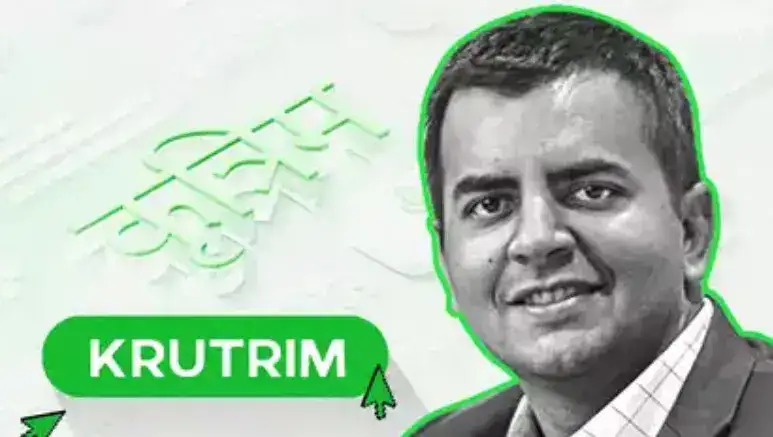 Bhavish Aggarwal, founder, Krutrim
Bhavish Aggarwal-led AI startup Krutrim has laid off 20-25 employees, nearly half the company’s total workforce, in its second round of restructuring this year. This comes months after winding down efforts to build an indigenous foundation model and AI chips.
What’s happening: The fresh cuts hit product and engineering teams, after sales, go-to-market and business operations were trimmed in earlier rounds. Krutrim has pivoted to AI cloud infrastructure and enterprise services, with Krutrim Cloud and Maps its main products.
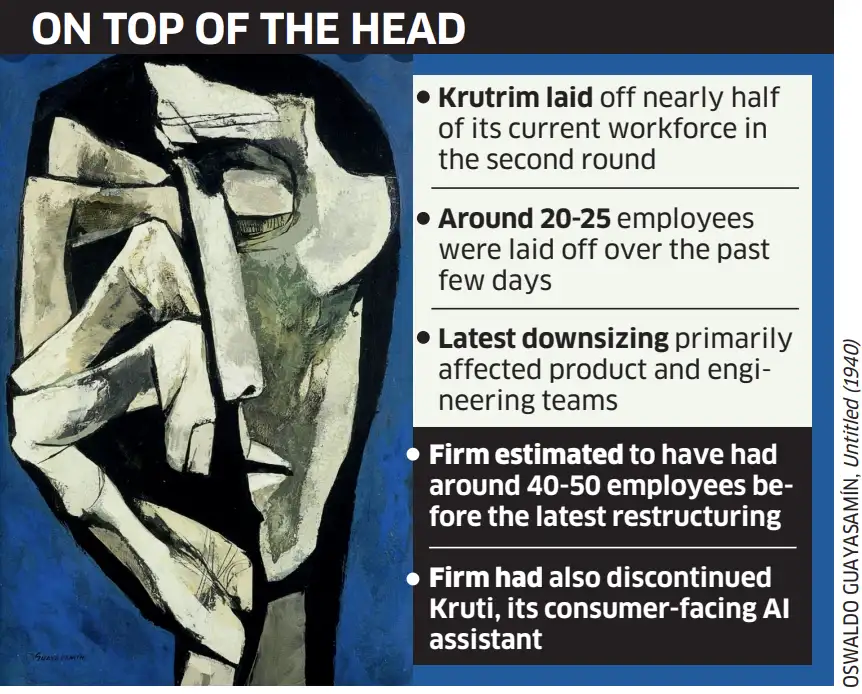
Employees raise concerns: Current staff allege reimbursements for travel, hotel stays, and other work expenses have been pending for nearly five months. Former employees claim delays in full-and-final settlements, with some saying payments came in instalments.
Also Read: Ola's full stack AI plans shrink on A-level exits, funding woes
Revenue reality: Krutrim said in May that its FY26 revenue crossed Rs 300 crore and that it had turned profitable. However, a person familiar with the matter told us that around 90% of the company's revenue came from Ola Group companies, with external customers contributing the rest.
Big picture: The restructuring comes as Bhavish Aggarwal's broader Ola Group remains under pressure. Ola Electric has lost market share over the past year, while its shares have fallen more than 50% since its stock market debut in 2024, amid regulatory scrutiny and operational challenges.
PhonePe remains India's largest consumer payments platform, but Paytm is ahead on monetisation and profitability. Their FY26 results show that UPI leadership is valuable only when it can be converted into higher-margin revenue.
Where Paytm pulled ahead:
PhonePe's scale and challenge:
Also Read: What led to PhonePe delaying its IPO? Beyond war, valuation a major concern
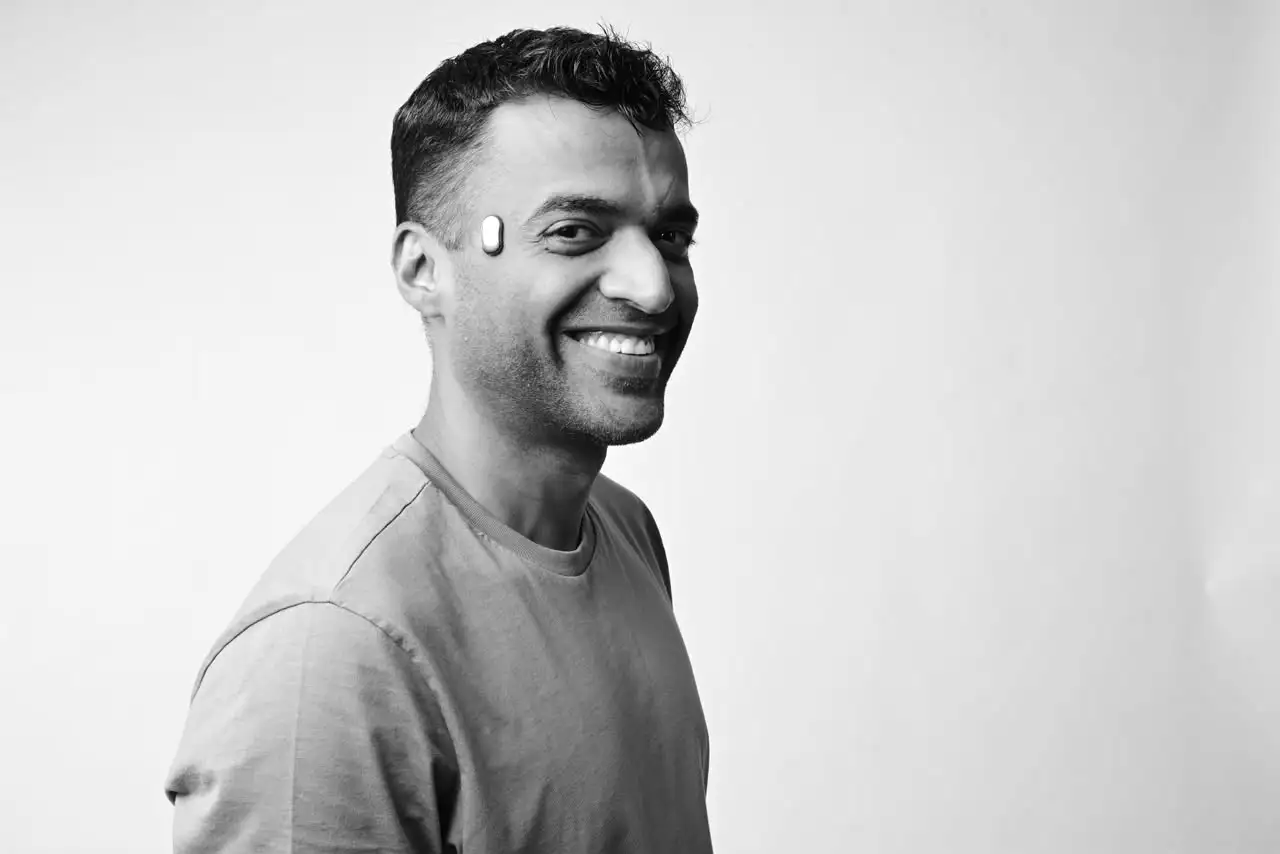 Deepinder Goyal, founder, Temple
Deepinder Goyal's wearable startup Temple is preparing to raise fresh funding at a $500 million valuation, people familiar with the matter told us.
More on this:
Also Read: Deepinder Goyal's wearable startup Temple raises $54 million from Steadview, Peak XV, others
About the device: Temple is positioning the wearable as a premium product. It includes lifetime access to the company's health platform, along with a lifetime supply of medically approved adhesive tapes needed to wear the device.
The non-invasive wearable is placed on the temples and measures blood flow in the brain. It was developed by Goyal's longevity venture, Continue, which studies how gravity could affect human ageing.
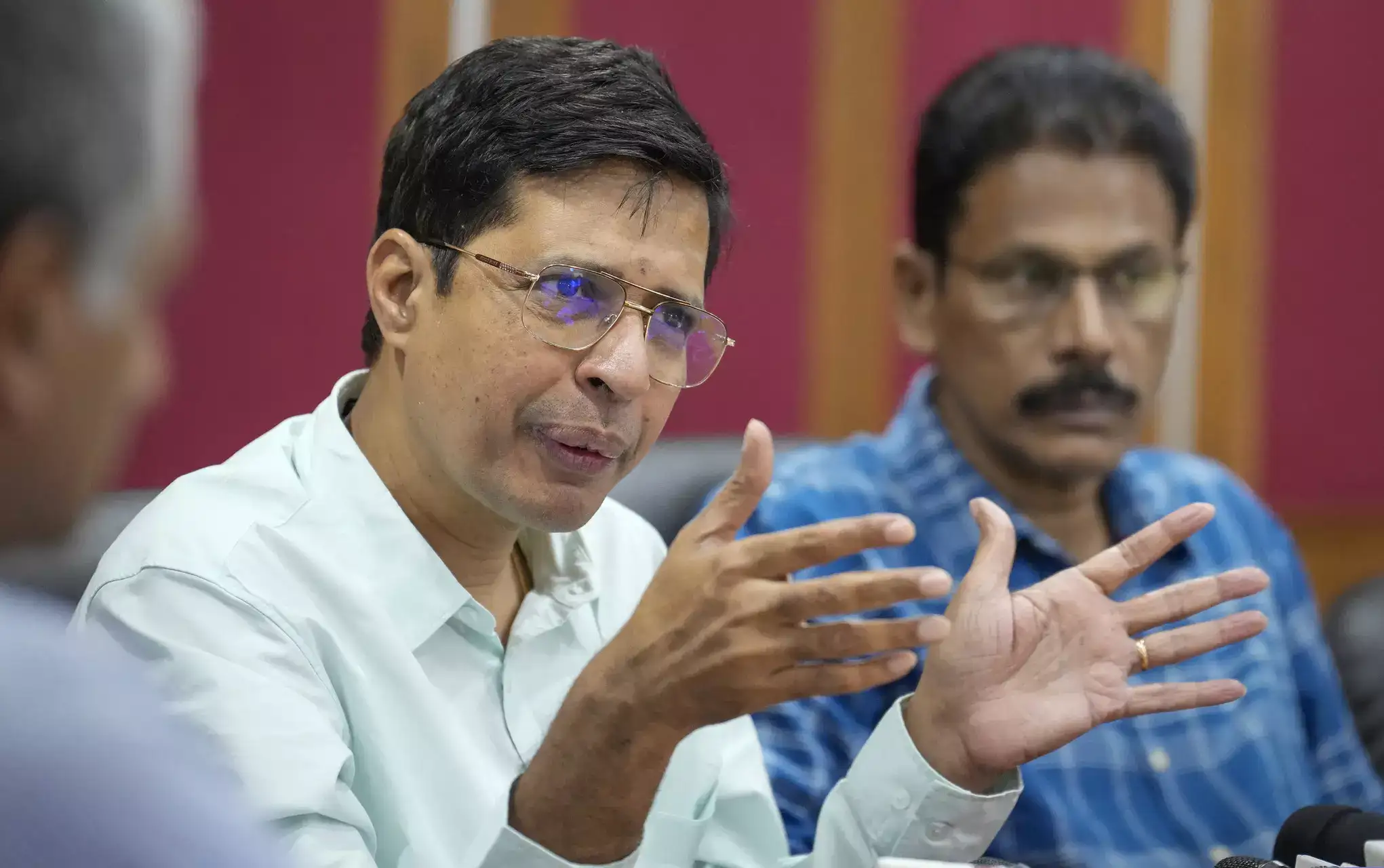
IIT Madras director V Kamakoti, who was appointed to the special task force set up by Prime Minister Narendra Modi to design a tougher examination system, said technology offers the best way forward.
Driving the news: In an interview, Kamakoti said AI-powered surveillance and conducting the National Eligibility-cum-Entrance Test (NEET) across multiple computer-based sessions are the best ways to strengthen the current system.
He also said the National Testing Agency's (NTA) biggest challenge was not conducting exams at scale, but rebuilding trust in the people who handle critical stages of the process.
Also Read: Nandan Nilekani-led panel appointed for education reforms: Here's who's on it
On the leak: "NEET 2026 failed due to poor selection of question paper-setter who eventually leaked the paper. For any examination, the root of trust is the question-paper setters,” he said, adding that the larger question was whether an examination could ever be conducted without a human being in the loop.
Yes, and: Kamakoti said the task force, headed by Infosys cofounder Nandan Nilekani, is yet to meet and stressed that the suggestions reflected his personal views. Among them is the use of AI-enabled cameras at examination centres.
Also Read: How Gen Z turned protest into content: Reels, memes and the new language of dissent
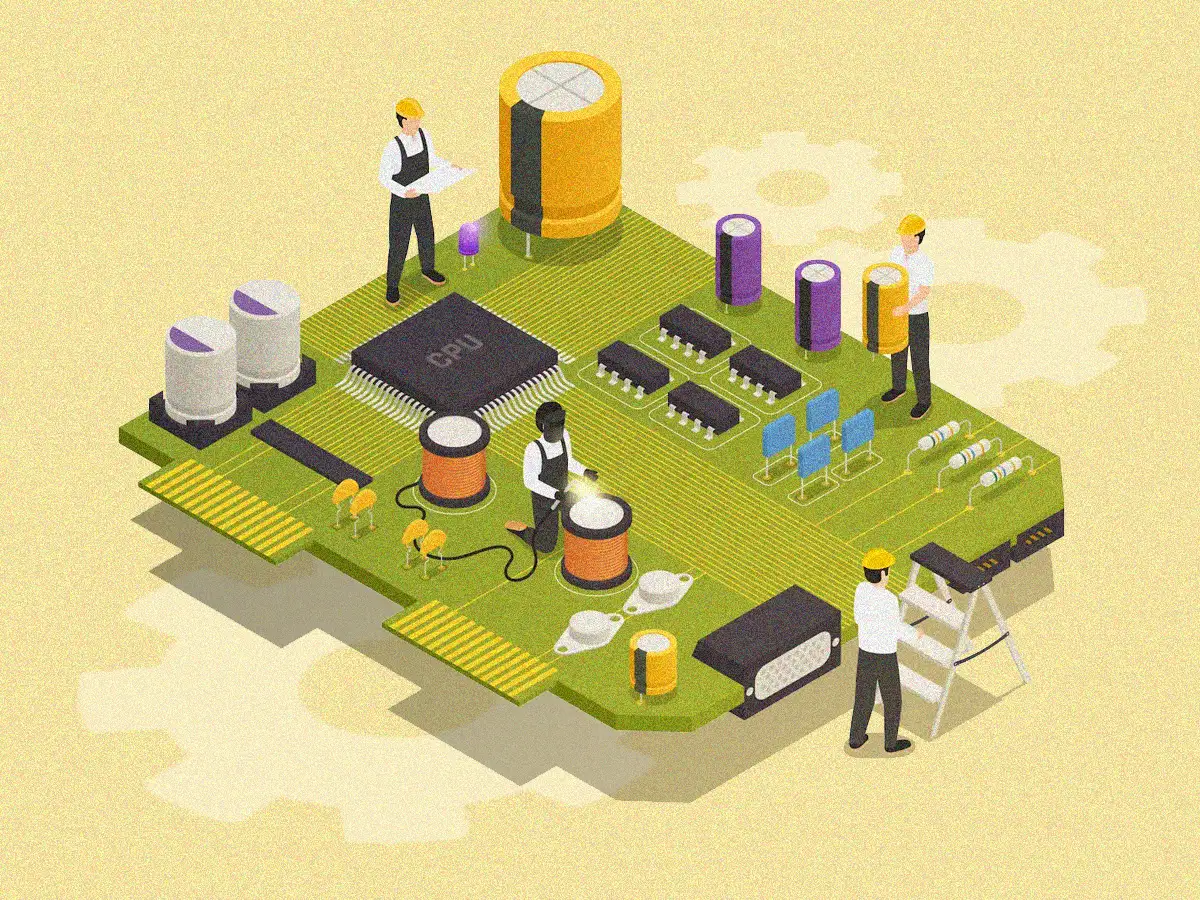
Kaynes' expansion plans: Kaynes Semicon is in advanced discussions with global technology companies to expand into semiconductor wafer fabrication, compound semiconductors, advanced packaging, and materials and equipment manufacturing, chief executive Raghu Panicker told us.
Bombay Shaving Company's FY26 report: Parent firm Visage Lines Personal Care Pvt Ltd reported operating revenues of Rs 635 crore in the year ended March 2026, up 139% from Rs 266 crore in FY25, according to the grooming company's press release. Net loss narrowed 84.5% to Rs 9 crore from Rs 58 crore during the period.
■ What doughnuts can tell us about the AI boom (FT)
■ In China, people are renting out their faces to AI (Rest of World)
■ Wall Street hunts for creative AI financing as ‘digestion issues’ emerge (The Information)
Also in the letter:
■ Deepinder Goyal's Temple eyes big raise
■ IIT Madras director on new task force
■ Kaynes' expansion plans
Krutrim trims staff again, this time by another half
Bhavish Aggarwal-led AI startup Krutrim has laid off 20-25 employees, nearly half the company’s total workforce, in its second round of restructuring this year. This comes months after winding down efforts to build an indigenous foundation model and AI chips.
What’s happening: The fresh cuts hit product and engineering teams, after sales, go-to-market and business operations were trimmed in earlier rounds. Krutrim has pivoted to AI cloud infrastructure and enterprise services, with Krutrim Cloud and Maps its main products.
Employees raise concerns: Current staff allege reimbursements for travel, hotel stays, and other work expenses have been pending for nearly five months. Former employees claim delays in full-and-final settlements, with some saying payments came in instalments.
Also Read: Ola's full stack AI plans shrink on A-level exits, funding woes
Revenue reality: Krutrim said in May that its FY26 revenue crossed Rs 300 crore and that it had turned profitable. However, a person familiar with the matter told us that around 90% of the company's revenue came from Ola Group companies, with external customers contributing the rest.
Big picture: The restructuring comes as Bhavish Aggarwal's broader Ola Group remains under pressure. Ola Electric has lost market share over the past year, while its shares have fallen more than 50% since its stock market debut in 2024, amid regulatory scrutiny and operational challenges.
ETtech Explainer: Why PhonePe's UPI lead lags Paytm's profits
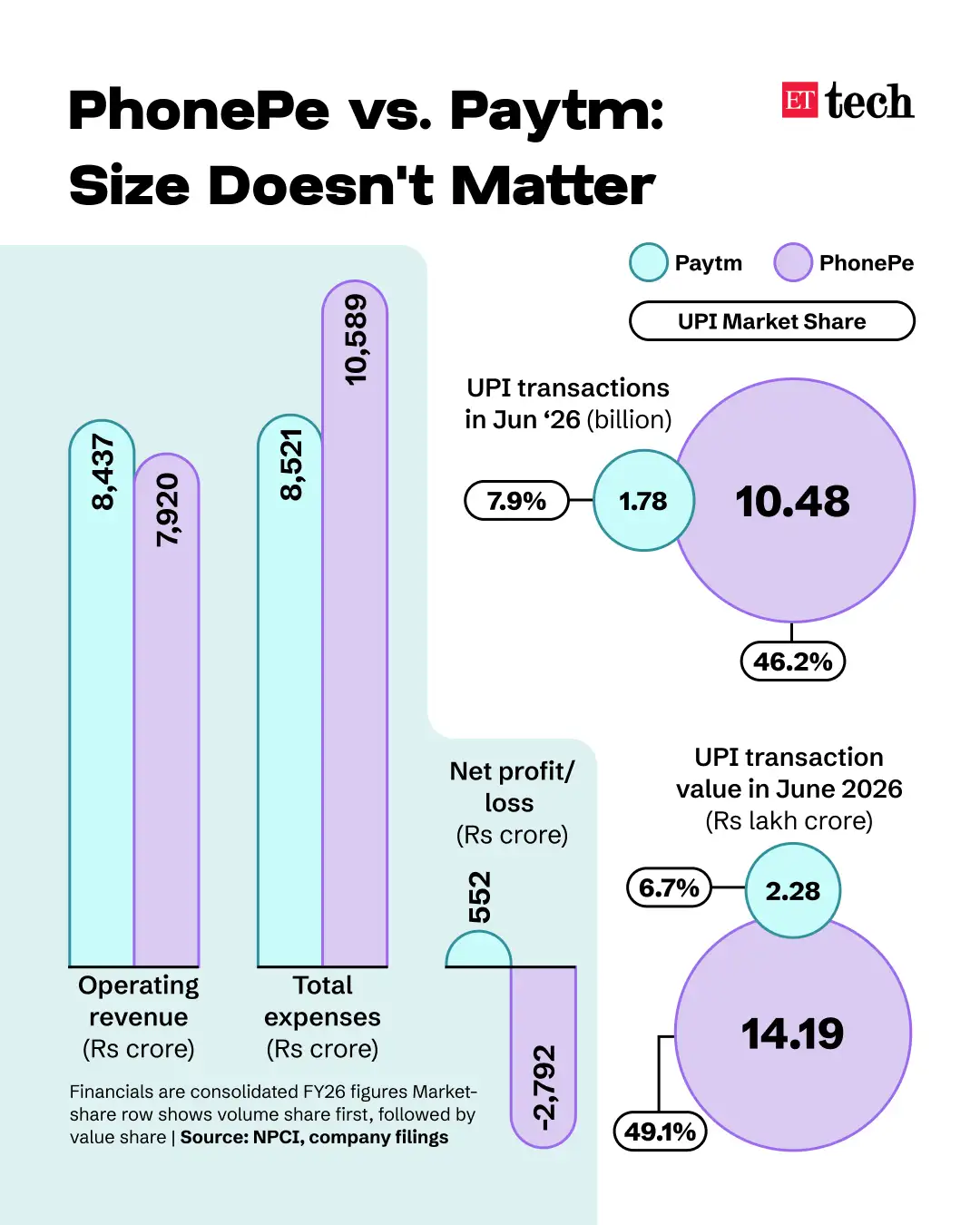
PhonePe remains India's largest consumer payments platform, but Paytm is ahead on monetisation and profitability. Their FY26 results show that UPI leadership is valuable only when it can be converted into higher-margin revenue.
Where Paytm pulled ahead:
- The two generated similar revenue—Rs 8,437 crore for Paytm and Rs 7,920 crore for PhonePe—but their bottom lines diverged sharply.
- Paytm swung to a Rs 552-crore profit as expenses declined, while PhonePe's loss widened to Rs 2,792 crore amid continued investment.
- Paytm's financial-services distribution business grew 52% and now contributes nearly a third of revenue.
- Its 15.1 million merchant subscriptions also provide recurring device income and support loan distribution.
PhonePe's scale and challenge:
- PhonePe accounted for 46.15% of UPI volumes in June, almost six times Paytm's share.
- That reach gives it a powerful distribution funnel, but basic payments remain difficult to monetise.
- Revenue growth was also hit by the end of credit-card rent payments and real-money gaming-related income.
- PhonePe must scale lending, insurance, wealth and merchant services; Paytm must sustain its new profitability while rebuilding consumer-payment share.
Also Read: What led to PhonePe delaying its IPO? Beyond war, valuation a major concern
Deepinder Goyal's Temple eyes $500 million valuation as it prices debut wearable at Rs 80,000
Deepinder Goyal's wearable startup Temple is preparing to raise fresh funding at a $500 million valuation, people familiar with the matter told us.
- “We are seeing strong interest from external investors at a $500 million valuation. Before we close the next round, I want some of this value to reach the people who created it,” Goyal wrote in a memo to the staff.
- Temple has launched a partial Esop (employee stock option) buyback at a $375 million valuation. Eligible employees can sell up to 25% of their vested Esops.
- The move comes as the company prepares to launch its first health wearable, expected to be priced at Rs 75,000-80,000.
Also Read: Deepinder Goyal's wearable startup Temple raises $54 million from Steadview, Peak XV, others
About the device: Temple is positioning the wearable as a premium product. It includes lifetime access to the company's health platform, along with a lifetime supply of medically approved adhesive tapes needed to wear the device.
The non-invasive wearable is placed on the temples and measures blood flow in the brain. It was developed by Goyal's longevity venture, Continue, which studies how gravity could affect human ageing.
AI surveillance, multi-session NEET can restore trust: IIT Madras director
IIT Madras director V Kamakoti, who was appointed to the special task force set up by Prime Minister Narendra Modi to design a tougher examination system, said technology offers the best way forward.
Driving the news: In an interview, Kamakoti said AI-powered surveillance and conducting the National Eligibility-cum-Entrance Test (NEET) across multiple computer-based sessions are the best ways to strengthen the current system.
He also said the National Testing Agency's (NTA) biggest challenge was not conducting exams at scale, but rebuilding trust in the people who handle critical stages of the process.
Also Read: Nandan Nilekani-led panel appointed for education reforms: Here's who's on it
On the leak: "NEET 2026 failed due to poor selection of question paper-setter who eventually leaked the paper. For any examination, the root of trust is the question-paper setters,” he said, adding that the larger question was whether an examination could ever be conducted without a human being in the loop.
Yes, and: Kamakoti said the task force, headed by Infosys cofounder Nandan Nilekani, is yet to meet and stressed that the suggestions reflected his personal views. Among them is the use of AI-enabled cameras at examination centres.
Also Read: How Gen Z turned protest into content: Reels, memes and the new language of dissent
Other Top Stories By Our Reporters
Kaynes' expansion plans: Kaynes Semicon is in advanced discussions with global technology companies to expand into semiconductor wafer fabrication, compound semiconductors, advanced packaging, and materials and equipment manufacturing, chief executive Raghu Panicker told us.
Bombay Shaving Company's FY26 report: Parent firm Visage Lines Personal Care Pvt Ltd reported operating revenues of Rs 635 crore in the year ended March 2026, up 139% from Rs 266 crore in FY25, according to the grooming company's press release. Net loss narrowed 84.5% to Rs 9 crore from Rs 58 crore during the period.
Global Picks We Are Reading
■ What doughnuts can tell us about the AI boom (FT)
■ In China, people are renting out their faces to AI (Rest of World)
■ Wall Street hunts for creative AI financing as ‘digestion issues’ emerge (The Information)
Want this newsletter delivered to your inbox?
I agree to receive newsletters and marketing communications via e-mail