
 Morning Dispatch Morning Dispatch |
Instant help burn rises; TCS kicks off Q1 earnings
Want this newsletter delivered to your inbox?
I agree to receive newsletters and marketing communications via e-mail

Thank you for subscribing to Morning Dispatch
We'll soon meet in your inbox.
Instant househelp startups are burning more cash to chase demand. This and more in today’s ETtech Morning Dispatch.
Also in the letter:
■ Senior exit at Alpha Wave
■ Fundamentum’s new fund
■ Meta Muse under scanner
 L to R: Urban Company's Abhiraj Bhal, Snabbit's Aayush Aggarwal and Pronto's Anjali Sardana
Cash burn across the fast-growing instant househelp sector rose 14% month-on-month (MoM) to $16-17 million in June, according to industry executives, amid intensifying competition for customers.
In May, the combined cash burn of Urban Company’s InstaHelp, Snabbit, and Pronto stood at $14-15 million.
Tell me more:
 However, the discounting pressures hit average order values (AOV), sources told us.
Concerns rising:
Tata Consultancy Services (TCS) opened FY26 on a solid note, reporting growth in both revenue and profit, courtesy of steady deal momentum.
By the numbers:
On AI: The IT major’s June-quarter AI revenue was $2.6 billion, up from $2.3 billion in March. This metric was $1.5 billion in the September quarter, when the company first reported the category separately. On AI-deflation concerns, CEO K. Krithivasan said TCS is seeing 10-15% productivity improvements.
Yes, and: COO Aarthi Subramanian said AI is changing the commercial structure of technology outsourcing deals.
"We are seeing output commitment-based models and outcome-based models where we commit through AI programmes to deliver business outcomes within a fixed duration," she said.
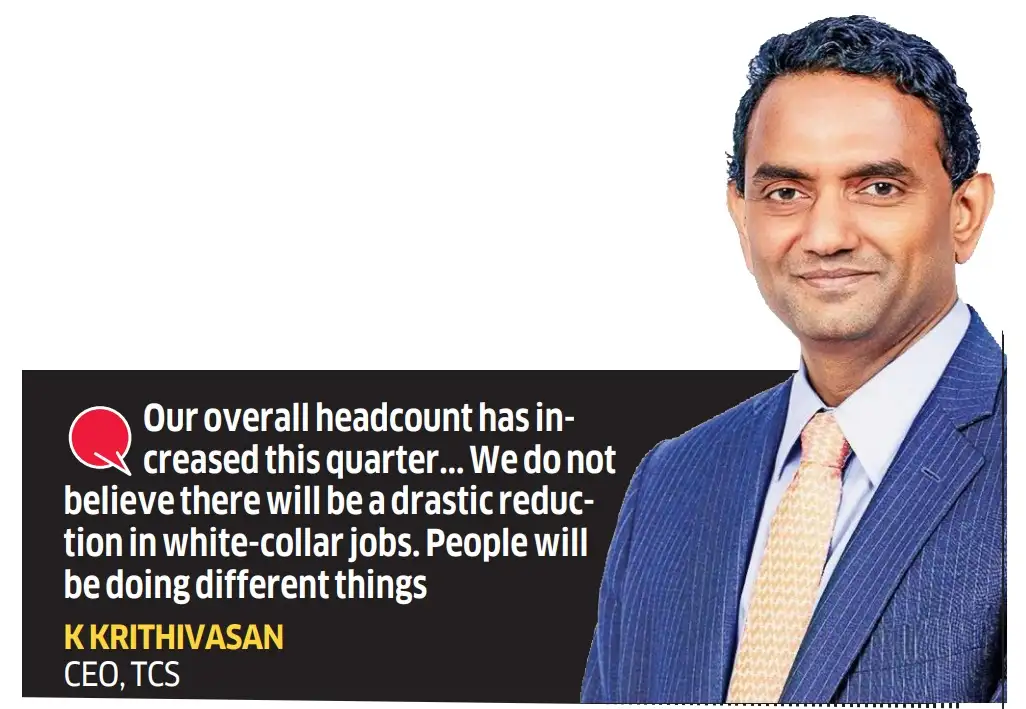
Headcount update: TCS reported a rebound in hiring in the June quarter, with its closing headcount rising by around 9,300 from the previous quarter to 593,798.
Also Read: TCS CEO K Krithivasan says AI will not reduce white-collar jobs
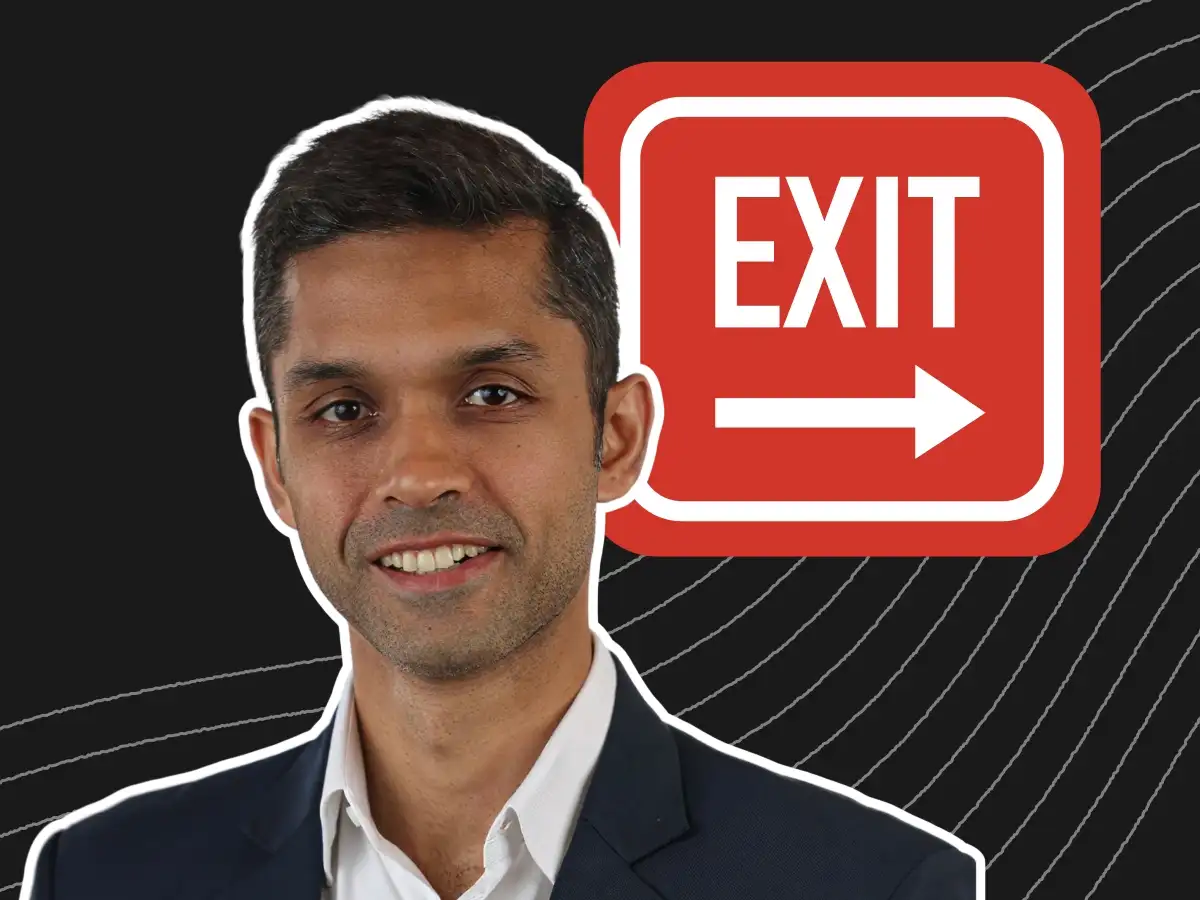
Ankur Kathuria, senior director at Alpha Wave Global, is set to leave the US-based investment firm and launch a Rs 1,000 crore mid-market private equity-style fund with Carlyle’s Aamir Zeb, people aware of the matter said.
His exit adds to a series of India-focused departures as Alpha Wave recalibrates its strategy.
Alpha Wave reset:
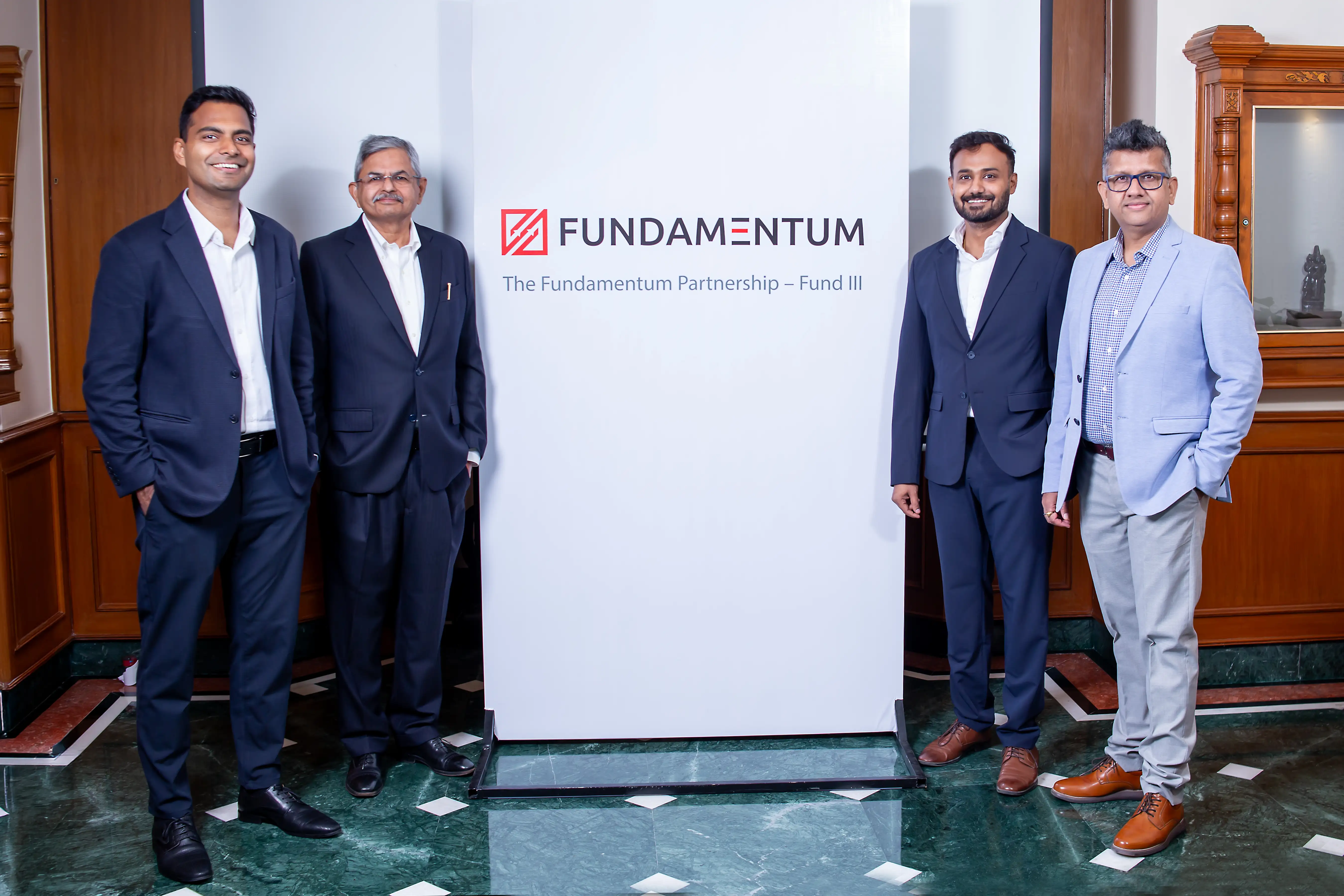 From left: Mayank Kachhawaha, Sanjeev Aggarwal, Prateek Jain and Sanjay Chaturvedi, general partners, Fundamentum
Fundamentum, the venture capital firm founded by Infosys cofounder Nandan Nilekani and Helion Ventures founder Sanjeev Aggarwal, has launched its third growth-stage technology fund.
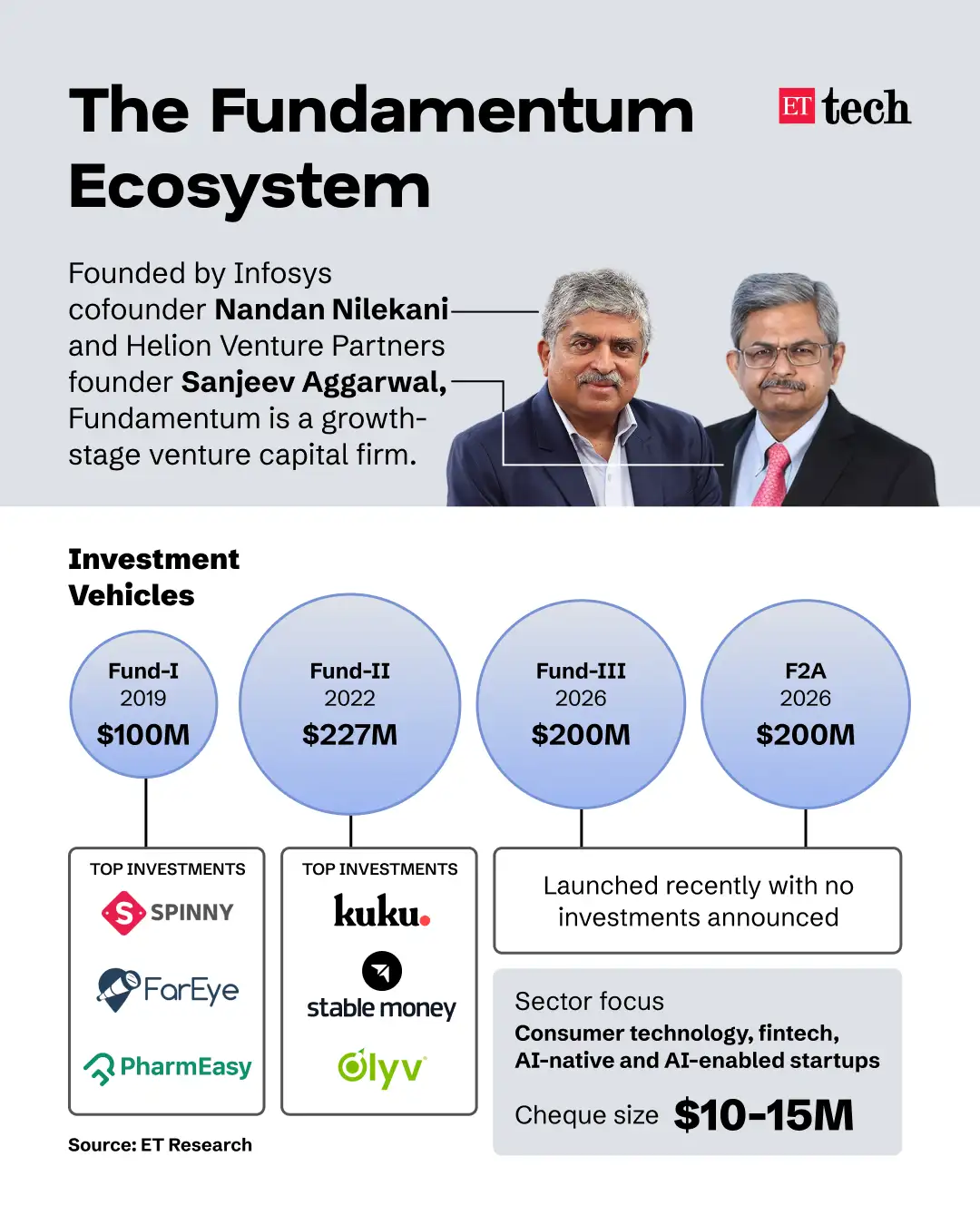
Fund details:
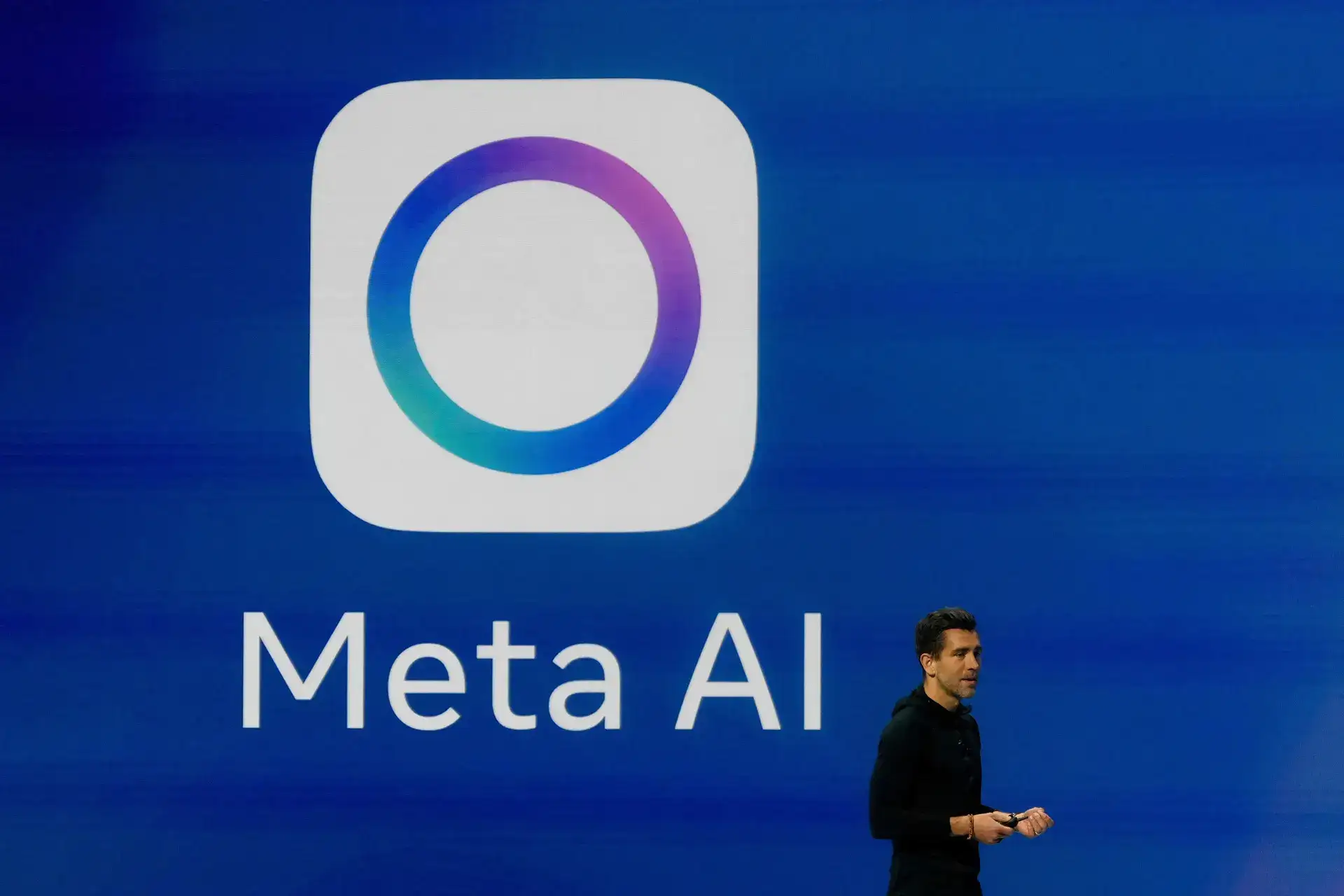
Meta's Muse troubles: The Centre will examine whether Meta's newly launched AI image-generation tool, Muse Image, complies with India's legal framework, amid concerns about privacy, consent, and the use of public photos to create AI-generated images.
Mukesh Bansal-led Nurix AI acquires Verloop: Myntra and Cult.fit founder Mukesh Bansal-led Nurix AI has acquired conversational AI firm Verloop to strengthen its voice and chat offerings for businesses in India and the Middle East.
Investor questions Persistent Systems' Nagarro deal: Carnegie Fonder, a shareholder in Persistent Systems since 2021, has published an open letter to the mid-tier IT services company's promoter and CEO, raising pointed questions about its planned €1.27 billion ($1.45 billion) acquisition of German digital engineering firm Nagarro.
■ One of Meta’s offices was briefly overtaken by a rogue squirrel (Wired)
■ The great AI data centre cover-up (FT)
■ China’s AI boom is creating a different kind of entrepreneur (Rest of World)
Also in the letter:
■ Senior exit at Alpha Wave
■ Fundamentum’s new fund
■ Meta Muse under scanner
Instant househelp startups burn $16-17 million in June as battle for customers intensifies
Cash burn across the fast-growing instant househelp sector rose 14% month-on-month (MoM) to $16-17 million in June, according to industry executives, amid intensifying competition for customers.
In May, the combined cash burn of Urban Company’s InstaHelp, Snabbit, and Pronto stood at $14-15 million.
Tell me more:
- Higher spending helped revive demand after a softer May, the executives said.
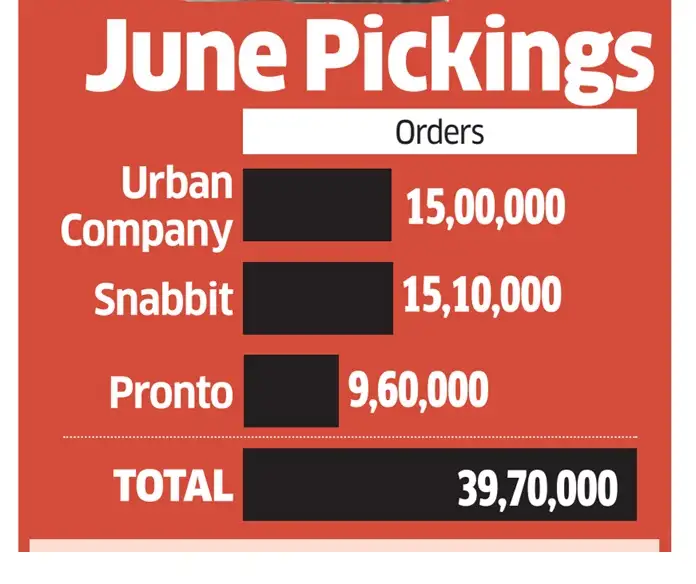
- Total orders across the three platforms rose 20% MoM to 3.97 million in June.
- Snabbit logged 1.51 million bookings, edging past market leader InstaHelp’s 1.5 million. Pronto recorded 960,000 bookings.
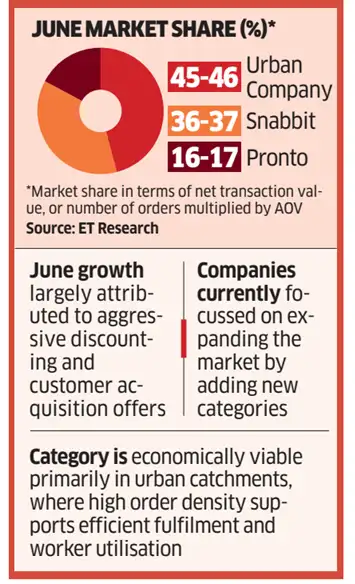
- InstaHelp's AOV fell to Rs 110-115 in June from Rs 140-150 in May.
- Snabbit's dropped to Rs 90-95 from Rs 120-130
- Pronto's slipped to Rs 65-70 from Rs 100-110.
Concerns rising:
- Investors are growing uneasy. Rising cash burn, combined with the sector’s limited addressable market, is raising questions about how far the model can scale.
- The category is most viable in dense urban markets, where high order volumes support efficient fulfilment and worker utilisation. Expanding into lower-density neighbourhoods is far more difficult, investors said.
TCS sees steady Q1 growth amid strong deal momentum
Tata Consultancy Services (TCS) opened FY26 on a solid note, reporting growth in both revenue and profit, courtesy of steady deal momentum.
By the numbers:
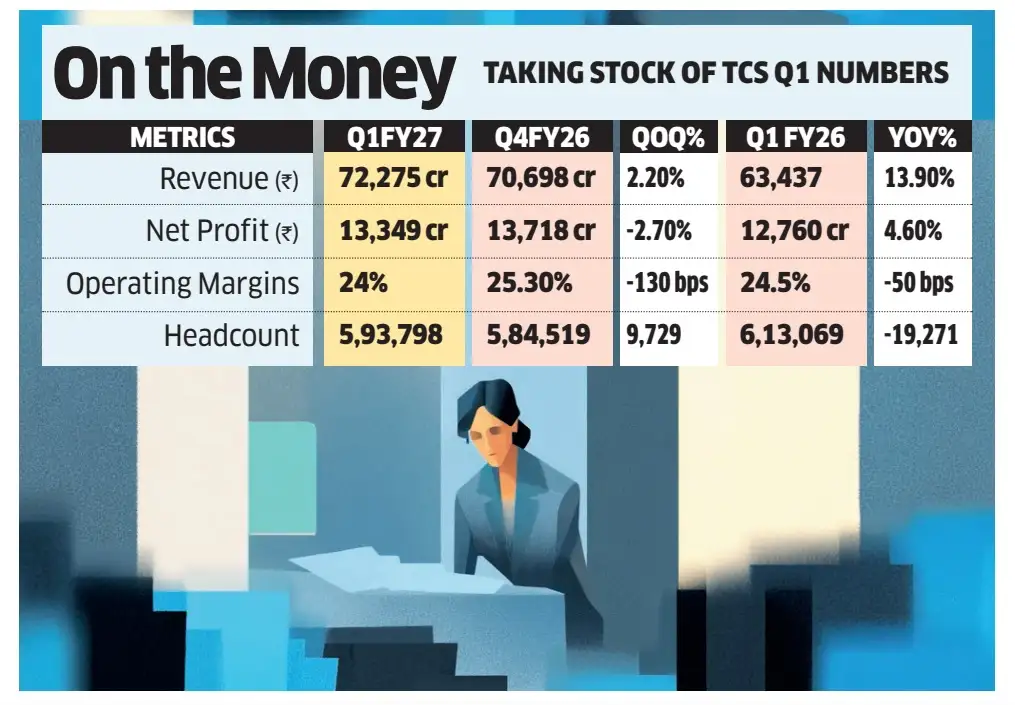
- Net profit was up 5% year-on-year (YoY) to Rs 13,349 crore, from Rs 12,760 crore a year earlier.
- Profit declined 2.7% sequentially due to a one-time charge related to a trade secrets dispute with DXC Technology and annual wage hikes.
- Revenue rose 14% YoY to Rs 72,275 crore, aided by growth in key areas of financial services and the US.
- Total contract value (TCV) was at $9.5 billion. This is down from the preceding quarter’s $12 billion.
- FY26 marked the highest-ever TCV, with three large deals in the quarter and five in the year.
On AI: The IT major’s June-quarter AI revenue was $2.6 billion, up from $2.3 billion in March. This metric was $1.5 billion in the September quarter, when the company first reported the category separately. On AI-deflation concerns, CEO K. Krithivasan said TCS is seeing 10-15% productivity improvements.
Yes, and: COO Aarthi Subramanian said AI is changing the commercial structure of technology outsourcing deals.
"We are seeing output commitment-based models and outcome-based models where we commit through AI programmes to deliver business outcomes within a fixed duration," she said.
Headcount update: TCS reported a rebound in hiring in the June quarter, with its closing headcount rising by around 9,300 from the previous quarter to 593,798.
Also Read: TCS CEO K Krithivasan says AI will not reduce white-collar jobs
Alpha Wave’s Kathuria set to exit amid India reset; to float Rs 1,000-crore fund
Ankur Kathuria, senior director at Alpha Wave Global, is set to leave the US-based investment firm and launch a Rs 1,000 crore mid-market private equity-style fund with Carlyle’s Aamir Zeb, people aware of the matter said.
His exit adds to a series of India-focused departures as Alpha Wave recalibrates its strategy.
Alpha Wave reset:
- The firm, once an aggressive late-stage new-age tech investor in India, is now expected to slow deployment to about one new deal a year, with cheque sizes of $150 million or more.
- Its focus has shifted from broad technology growth bets to private equity-style transactions in traditional businesses.
- Recent deals include Haldiram Snacks Food, Advanta Enterprises, UPL’s global seeds business, and I-Ven Realty, an Oberoi Realty joint venture.
- Alpha Wave’s India portfolio includes Cred, Swiggy, Dream11, Lenskart, Delhivery, Dailyhunt, Cars24, OfBusiness and Ola Electric.
- Lenskart, Delhivery, and Cred have generated liquidity, while Ola Electric listed below its last private valuation and Cars24 and Dailyhunt await exits.
- Kathuria’s move comes as senior investors across legacy VC firms launch new India-focused funds.
Fundamentum launches Rs 2,200 crore growth fund with Nandan Nilekani as anchor LP
Fundamentum, the venture capital firm founded by Infosys cofounder Nandan Nilekani and Helion Ventures founder Sanjeev Aggarwal, has launched its third growth-stage technology fund.
Fund details:
- Target corpus: Rs 2,200 crore, including a Rs 400 crore greenshoe option.
- Anchor investor: Nilekani is making his largest investment in a venture capital firm through Fundamentum Fund III.
- Leadership: The fund will be managed by Aggarwal, Prateek Jain, Mayank Kachhwaha and Sanjay Chaturvedi. It follows the firm's 2017 and 2022 fund vintages.
- Investment focus: Consumer technology, fintech, and AI-native or AI-enabled startups.
- Cheque size: Average investment of $10-15 million in about 11 companies. Around 40% of the fund is reserved for follow-on investments.
Other Top Stories By Our Reporters
Meta's Muse troubles: The Centre will examine whether Meta's newly launched AI image-generation tool, Muse Image, complies with India's legal framework, amid concerns about privacy, consent, and the use of public photos to create AI-generated images.
Mukesh Bansal-led Nurix AI acquires Verloop: Myntra and Cult.fit founder Mukesh Bansal-led Nurix AI has acquired conversational AI firm Verloop to strengthen its voice and chat offerings for businesses in India and the Middle East.
Investor questions Persistent Systems' Nagarro deal: Carnegie Fonder, a shareholder in Persistent Systems since 2021, has published an open letter to the mid-tier IT services company's promoter and CEO, raising pointed questions about its planned €1.27 billion ($1.45 billion) acquisition of German digital engineering firm Nagarro.
Global Picks We Are Reading
■ One of Meta’s offices was briefly overtaken by a rogue squirrel (Wired)
■ The great AI data centre cover-up (FT)
■ China’s AI boom is creating a different kind of entrepreneur (Rest of World)
Want this newsletter delivered to your inbox?
I agree to receive newsletters and marketing communications via e-mail