
 Morning Dispatch |
GPU bidding norms eased; Lenskart CEO on profitability
Want this newsletter delivered to your inbox?
I agree to receive newsletters and marketing communications via e-mail

Thank you for subscribing to Morning Dispatch
We'll soon meet in your inbox.
Happy Thursday! The government has lowered entry barriers for GPU bidders, but pricing concerns remain. This and more in today’s ETtech Morning Dispatch.
Also in the letter:
■ Nykaa Q2 profit triples
■ Freshworks CEO on AI spending
■ BharatPe's wealth play

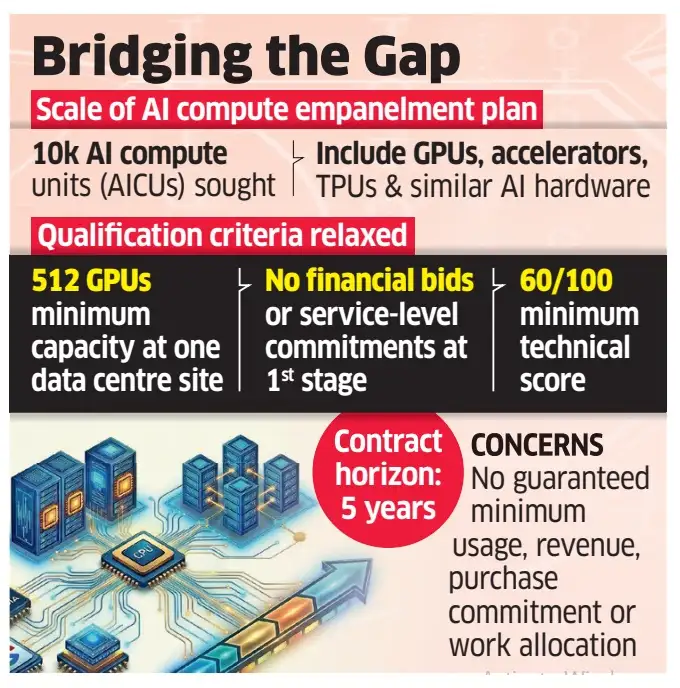
The government has relaxed some key procurement terms and conditions in its latest efforts to procure 10,000 fresh GPUs, aiming to make it easier for companies to offer compute as part of the IndiaAI Mission.
What has changed: Under the new framework, providers can qualify with a minimum capacity of 512 GPUs or TPUs or other hardware used for AI workloads at a single data centre location in India against the requirement of 1,000 mandated earlier.
Why it matters: The first phase of procuring GPUs under the Rs 10,000 crore mission hit a snag due to combined factors of escalating memory and chip costs, procurement issues and slower uptake of GPUs. ET had reported on October 1 that the govt is planning to recalibrate the IndiaAI Mission as the rollout of critical compute components, particularly GPUs, faces delays and mounting cost pressures.
Concerns: Industry executives have however said that the main issue of providing some guarantee of usage of compute, which will help the companies make GPU commitments, has still not been addressed in the latest tender. They are also worried about some vendors quoting unsustainably low prices that are hard to match for others.
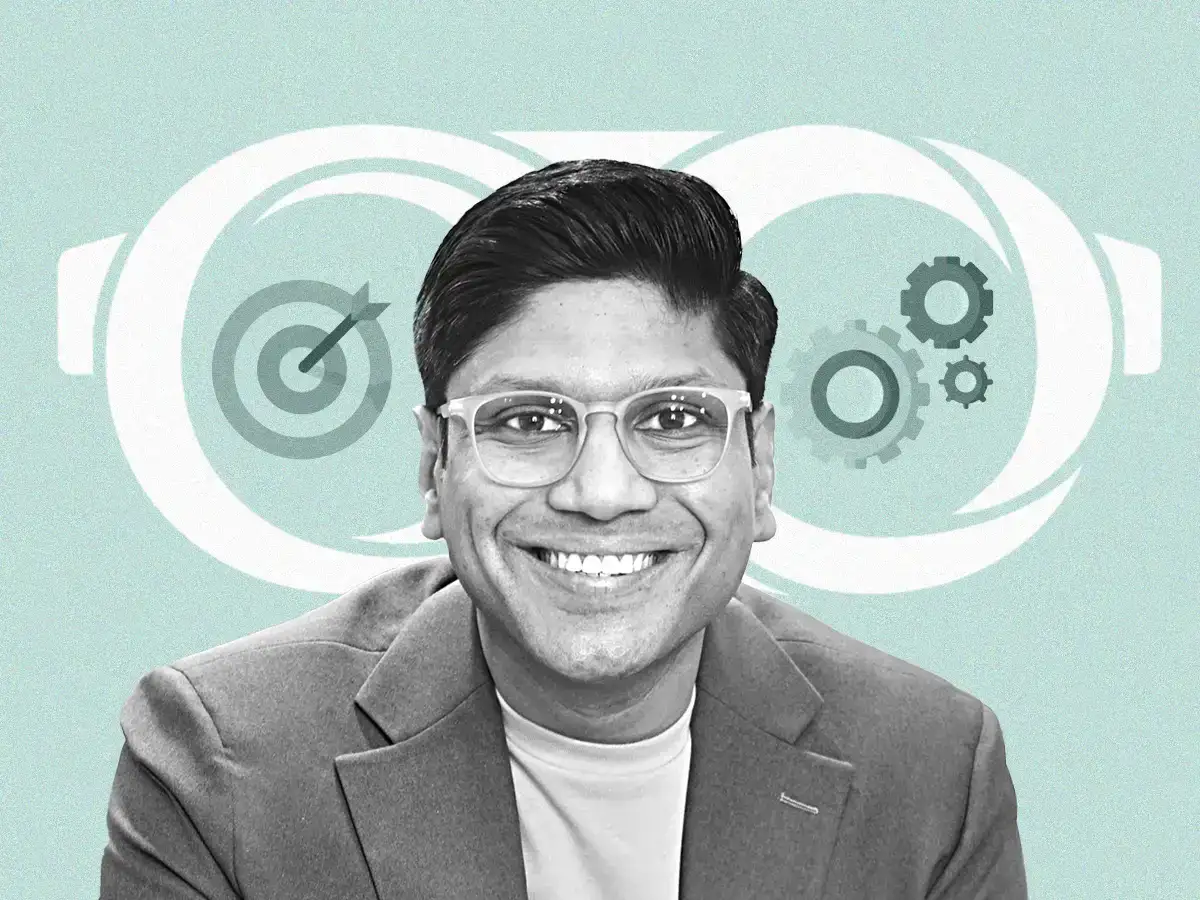 Peyush Bansal, CEO, Lenskart
A year after Lenskart’s stock market debut, cofounder and CEO Peyush Bansal told ET in an interview that the company will continue to prioritise growth and investments in supply chain capacity as it looks to expand India’s eyewear market.
Growth opportunity: Bansal said India has roughly 60 optical stores per million people, compared with around 1,200 in the jewellery category. There is a massive gap in access, he said. Lenskart’s goal is to get 200 million Indians wearing glasses. Last year, the company was selling around 30 million units, and it wants to scale that significantly.
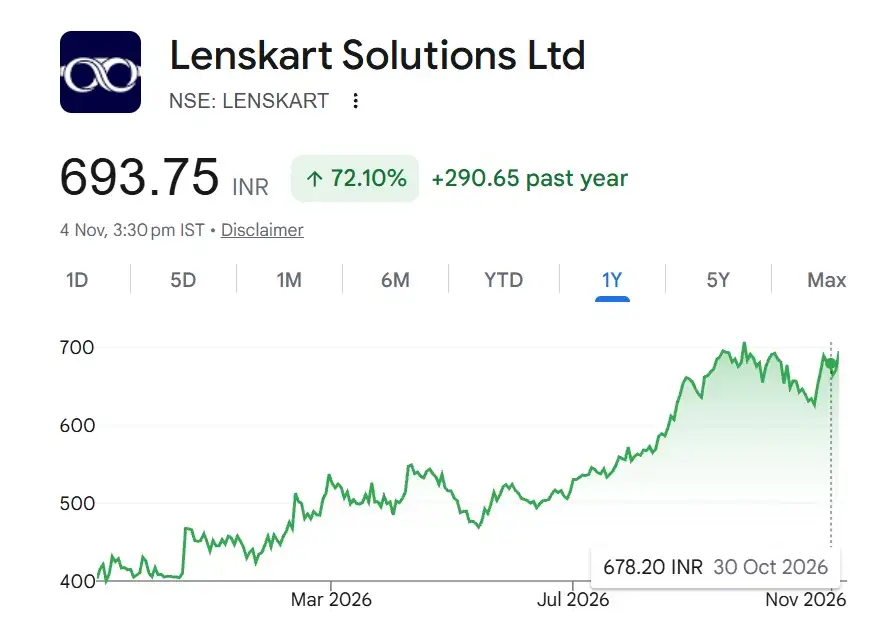
Supply chain push: Lenskart plans to invest in manufacturing and supply infrastructure to meet rising demand. Bansal said the industry currently lacks the capacity to source and manufacture enough frames and lenses if demand rises sharply.
Premiumisation play: “We need to start looking at eyewear as a lifestyle category. That shift may take some time to accept, but our one crore Lenskart Gold members tell us something important. There is a section of Indian consumers that now sees eyewear as a lifestyle product and is willing to subscribe and buy multiple pairs.”
Financials: Lenskart reported a 36% increase in consolidated revenue from operations in the July-September quarter. Revenue from operations grew to Rs 2,845 crore. Net profit rose 125% to Rs 232 crore, compared with Rs 103.45 crore in the year-ago period. The company's total expenses increased 31.1% — slower than its revenue growth — to Rs 2,596.8 crore.
“What we have seen in our business so far is that as we grow, profitability also tends to improve,” Bansal said.
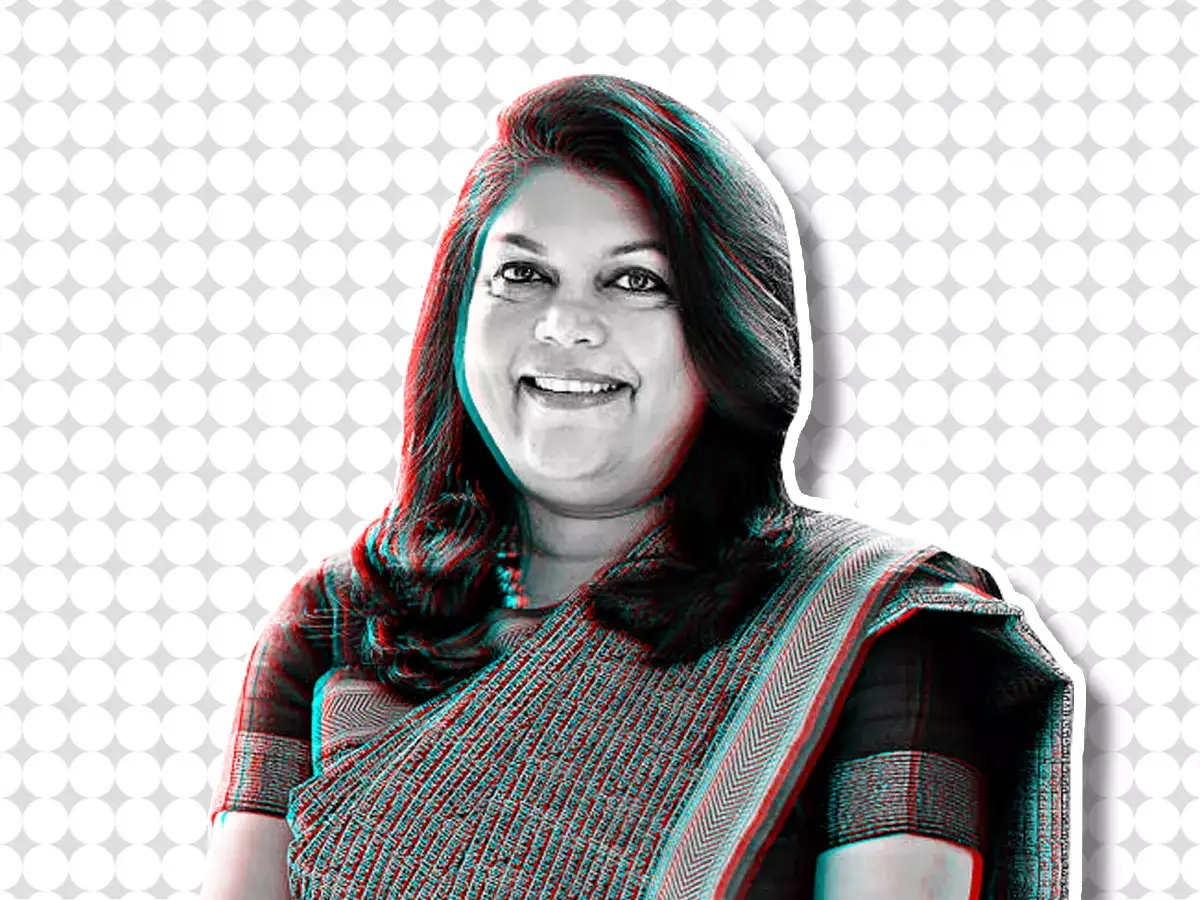 Falguni Nayar, CEO, Nykaa
Nykaa parent FSN E-Commerce Ventures reported an on-year rise in consolidated revenues for the September quarter of FY27.
Financials:
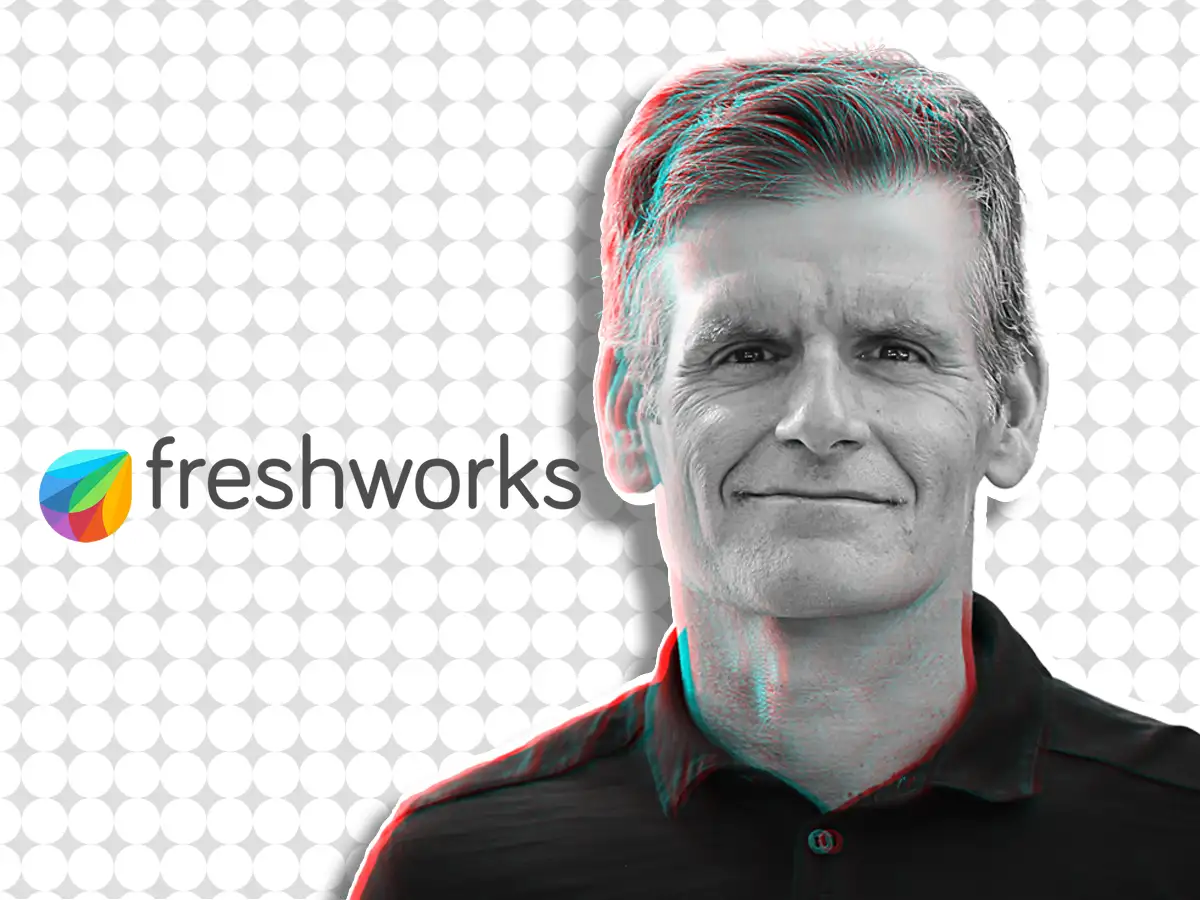 Dennis Woodside, CEO, Freshworks
Enterprise adoption of artificial intelligence (AI) software is accelerating, but companies are becoming more selective about where they spend, demanding clearer evidence of productivity gains and returns on investment (ROI), Freshworks chief executive Dennis Woodside told ET.
Financials: Freshworks reported a 14% on-year increase in revenue to $245.4 million for the July-September quarter, marginally ahead of its guidance. Net profit stood at $18.3 million, compared with a loss of $4.7 million in the year-ago period.
Capital allocation: Freshworks has also been using its cash reserves to support its share price and expand its product capabilities. Since January, the company has spent around $232 million on share buybacks. It ended September with $697.3 million in cash, cash equivalents, restricted cash and marketable securities.
Acquisitions: Freshworks has made three acquisitions over the past 10 months, including FireHydrant, Torii and Robusta. The latter two deals, announced in October, are aimed at strengthening its capabilities in software spend management and AI-led IT operations.

Mohalla Tech, which operates ShareChat, Moj, and QuickTV, reported a jump in FY26 revenues even as losses increased during this period.
Financials:
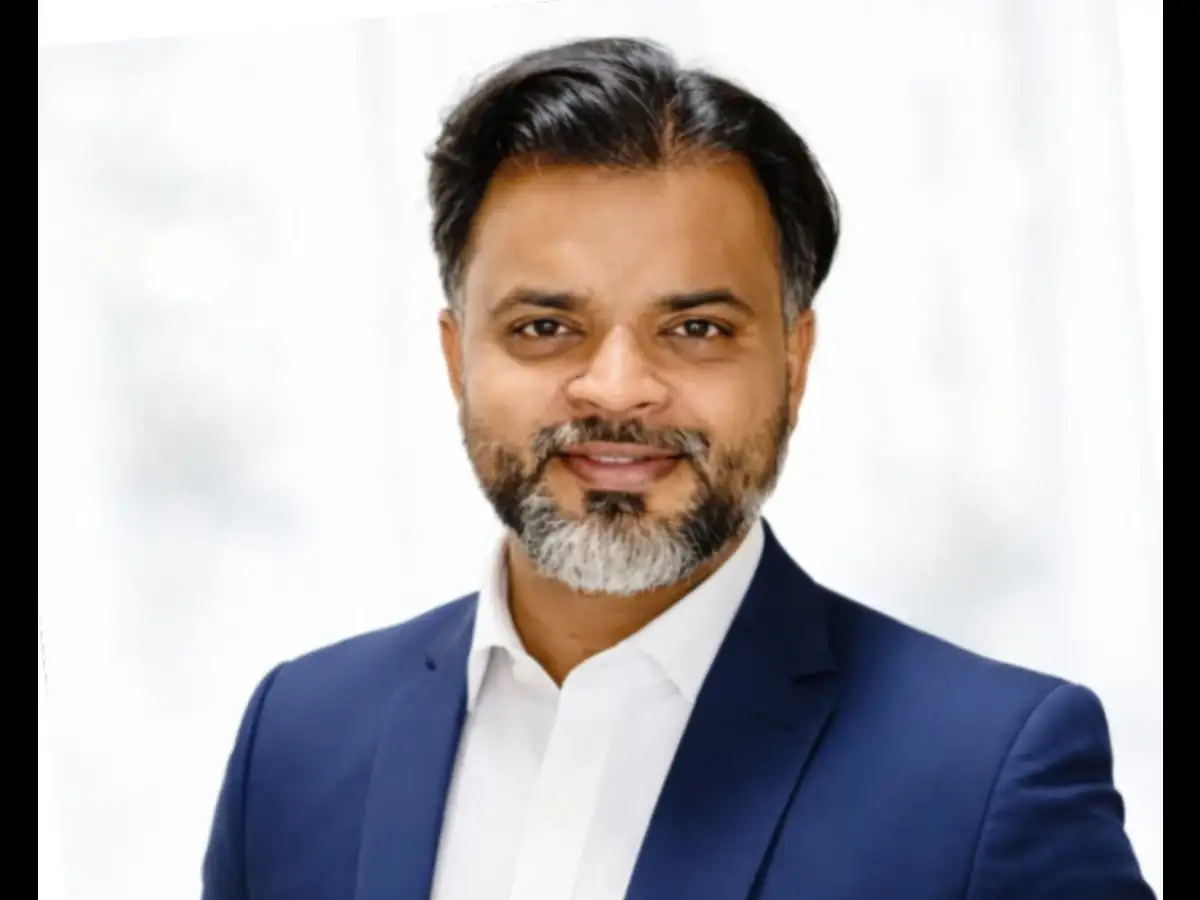 Mohit Mittal, head of investments, BharatPe
BharatPe appoints Mohit Mittal: Fintech firm BharatPe has appointed former Bajaj Finance executive Mohit Mittal as head of investments as it looks to scale its wealth management business, and expand beyond its core payments and lending operations. Mittal will oversee product expansion, digital distribution, and strategic partnerships across BharatPe's investment offerings.
Sarvam AI unveils Prism: Sarvam AI has released Sarvam Prism, a decision model built on its Sarvam 105B model and aimed at fast, accurate choices across enterprise workflows. Sarvam Prism is a “System One” decision model, which works differently from a chatbot. It is an AI model designed to make fast, structured judgments from a set of predefined options rather than generating open-ended text or prose.
■ Oracle cancels $7bn Tencent AI deal under Trump pressure (FT)
■ EU rules on Artificial Intelligence devices will apply in NI (BBC)
■ Voters set $400 million of Elon Musk’s money on fire (Wired)
Also in the letter:
■ Nykaa Q2 profit triples
■ Freshworks CEO on AI spending
■ BharatPe's wealth play
Entry norms for GPU bidders eased, but price pain remains
The government has relaxed some key procurement terms and conditions in its latest efforts to procure 10,000 fresh GPUs, aiming to make it easier for companies to offer compute as part of the IndiaAI Mission.
What has changed: Under the new framework, providers can qualify with a minimum capacity of 512 GPUs or TPUs or other hardware used for AI workloads at a single data centre location in India against the requirement of 1,000 mandated earlier.
Why it matters: The first phase of procuring GPUs under the Rs 10,000 crore mission hit a snag due to combined factors of escalating memory and chip costs, procurement issues and slower uptake of GPUs. ET had reported on October 1 that the govt is planning to recalibrate the IndiaAI Mission as the rollout of critical compute components, particularly GPUs, faces delays and mounting cost pressures.
Concerns: Industry executives have however said that the main issue of providing some guarantee of usage of compute, which will help the companies make GPU commitments, has still not been addressed in the latest tender. They are also worried about some vendors quoting unsustainably low prices that are hard to match for others.
In our business, profitability tends to improve as we grow: Lenskart’s Peyush Bansal
A year after Lenskart’s stock market debut, cofounder and CEO Peyush Bansal told ET in an interview that the company will continue to prioritise growth and investments in supply chain capacity as it looks to expand India’s eyewear market.
Growth opportunity: Bansal said India has roughly 60 optical stores per million people, compared with around 1,200 in the jewellery category. There is a massive gap in access, he said. Lenskart’s goal is to get 200 million Indians wearing glasses. Last year, the company was selling around 30 million units, and it wants to scale that significantly.
Supply chain push: Lenskart plans to invest in manufacturing and supply infrastructure to meet rising demand. Bansal said the industry currently lacks the capacity to source and manufacture enough frames and lenses if demand rises sharply.
Premiumisation play: “We need to start looking at eyewear as a lifestyle category. That shift may take some time to accept, but our one crore Lenskart Gold members tell us something important. There is a section of Indian consumers that now sees eyewear as a lifestyle product and is willing to subscribe and buy multiple pairs.”
Financials: Lenskart reported a 36% increase in consolidated revenue from operations in the July-September quarter. Revenue from operations grew to Rs 2,845 crore. Net profit rose 125% to Rs 232 crore, compared with Rs 103.45 crore in the year-ago period. The company's total expenses increased 31.1% — slower than its revenue growth — to Rs 2,596.8 crore.
“What we have seen in our business so far is that as we grow, profitability also tends to improve,” Bansal said.
Nykaa Q2 revenue surges 28%, net profit triples
Nykaa parent FSN E-Commerce Ventures reported an on-year rise in consolidated revenues for the September quarter of FY27.
Financials:
- Revenue from operations: Up 28% to Rs 3,006.04 crore, from Rs 2,345.98 crore a year earlier.
- Net profit: More than tripled to Rs 101.19 crore from Rs 32.98 crore in the year-ago period.
- Total income: Rose 28% to Rs 3,015.56 crore.
AI deployment accelerating, but enterprises becoming more discerning: Freshworks CEO Dennis Woodside
Enterprise adoption of artificial intelligence (AI) software is accelerating, but companies are becoming more selective about where they spend, demanding clearer evidence of productivity gains and returns on investment (ROI), Freshworks chief executive Dennis Woodside told ET.
Financials: Freshworks reported a 14% on-year increase in revenue to $245.4 million for the July-September quarter, marginally ahead of its guidance. Net profit stood at $18.3 million, compared with a loss of $4.7 million in the year-ago period.
Capital allocation: Freshworks has also been using its cash reserves to support its share price and expand its product capabilities. Since January, the company has spent around $232 million on share buybacks. It ended September with $697.3 million in cash, cash equivalents, restricted cash and marketable securities.
Acquisitions: Freshworks has made three acquisitions over the past 10 months, including FireHydrant, Torii and Robusta. The latter two deals, announced in October, are aimed at strengthening its capabilities in software spend management and AI-led IT operations.
ShareChat’s FY26 revenue jumps 40% to Rs 1,016 crore on microdrama push; net loss widens
Mohalla Tech, which operates ShareChat, Moj, and QuickTV, reported a jump in FY26 revenues even as losses increased during this period.
Financials:
- Operating revenue: Up 40% to Rs 1,016 crore.
- Net loss: Rs 1,978 crore, up from Rs 1,105 crore a year ago.
Other Top Stories By Our Reporters
BharatPe appoints Mohit Mittal: Fintech firm BharatPe has appointed former Bajaj Finance executive Mohit Mittal as head of investments as it looks to scale its wealth management business, and expand beyond its core payments and lending operations. Mittal will oversee product expansion, digital distribution, and strategic partnerships across BharatPe's investment offerings.
Sarvam AI unveils Prism: Sarvam AI has released Sarvam Prism, a decision model built on its Sarvam 105B model and aimed at fast, accurate choices across enterprise workflows. Sarvam Prism is a “System One” decision model, which works differently from a chatbot. It is an AI model designed to make fast, structured judgments from a set of predefined options rather than generating open-ended text or prose.
Global Picks We Are Reading
■ Oracle cancels $7bn Tencent AI deal under Trump pressure (FT)
■ EU rules on Artificial Intelligence devices will apply in NI (BBC)
■ Voters set $400 million of Elon Musk’s money on fire (Wired)
Want this newsletter delivered to your inbox?
I agree to receive newsletters and marketing communications via e-mail