
 Morning Dispatch Morning Dispatch |
Digital lenders wary of small biz; Mythos’ biggest security risk
Want this newsletter delivered to your inbox?
I agree to receive newsletters and marketing communications via e-mail

Thank you for subscribing to Morning Dispatch
We'll soon meet in your inbox.
Happy Tuesday! Digital lending firms are turning cautious on term loan exposure to small businesses. This and more in today’s ETtech Morning Dispatch.
Also in the letter:
■ Acko, Kissht IPO plans
■ Amazon’s quick commerce expansion
■ Karnataka plans tech training camps
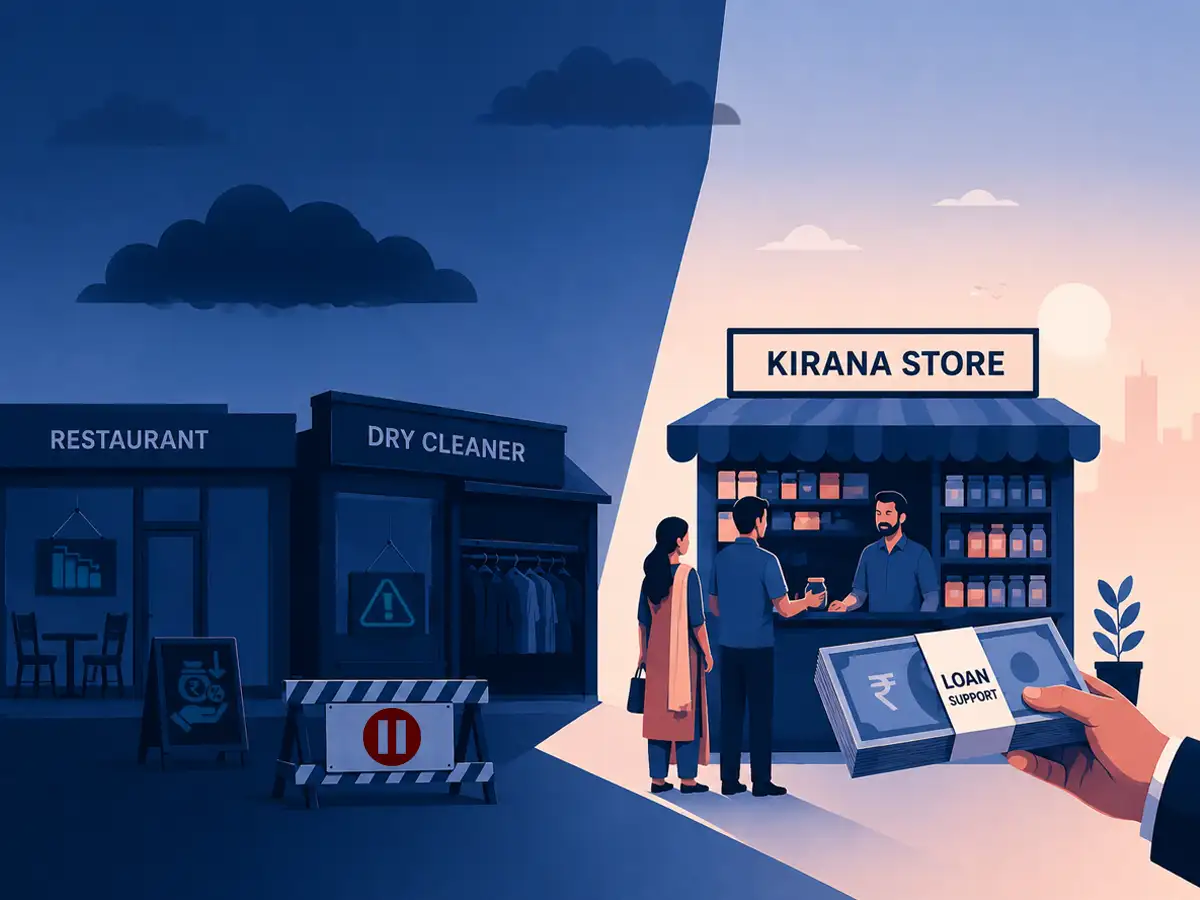
Digital lenders are putting restaurants, petrol pumps and dry cleaners on watch lists as they dial back their appetite for small-business term loans, industry watchers told us.
Keeping lookout: The conflict in West Asia has disrupted gas supplies to India and pushed up input costs across the board. Consumer goods distributors, neighbourhood retailers, eateries, and small manufacturers are feeling it first.
New-age lenders, unlike banks and non-banking financial companies (NBFCs), have greater exposure to these products and are moving early, executives said.
But why: “It is in the nature of digital lenders to underwrite relatively riskier businesses compared to banks, so there is a higher degree of caution in sectors where early signs of stress are visible,” said Alok Mittal, cofounder of Indifi Technologies, a small business lending startup.
Repayments held steady in March and April, but lenders worry the real strain will show up with a lag, as higher costs and snarled supply chains work through P&Ls.
What is changing: Lenders are tightening sectoral risk monitoring, running fresh stress tests and beefing up collections teams to stay ahead of potential repayment trouble.
Also Read: West Asia conflict fears could harden credit card underwriting, curb co-branded card growth

The Department of Financial Services has asked lenders, including State Bank of India, to share data on the economic impact of fuel and trade disruptions, with a particular focus on MSMEs.
Tell me more: The government is trying to map which sectors are under strain so it can assess whether relief is needed. Banks have been asked to provide details on affected businesses such as Morbi-based ceramics cluster, restaurants hit by LPG shortages and airlines, where fuel is a major cost.

For companies testing Anthropic’s Mythos model, the biggest cybersecurity risk is no longer simply finding flaws. It is how fast you respond once they are found.
Driving the news:
Why India is exposed: Experts say this is especially dangerous for Indian companies because security teams often take months to close gaps. Banking and telecom are seen as especially at risk because they run complex, ageing infrastructure that cannot be patched easily without disrupting services.
No Indian companies featured in Project Glasswing, which gave 40 US companies early access to Mythos so they could harden their systems in advance.
Also Read: Before Mythos goes public, Indian IT also wants access
How attacks are changing: Experts said attacks are now faster, more scalable and easier to replicate, making cybersecurity a continuous race rather than a one-time patching exercise.
“The patch cycle is no longer a process of inefficiency--it is a strategic vulnerability,” said Arjun Nagulapally, CTO, AionOS. “Adversaries close the loop in hours. Indian IT teams close it in months. The gap isn’t just a risk, it’s a kill zone.”
Also Read: Threat from Anthropic’s Mythos 'as big as war': Nirmala Sitharaman
 Varun Dua, founder, Acko
New-age insurance company Acko is heading for Dalal Street, with plans to make a confidential filing for an initial public offering (IPO) to raise $250 million, sources told us.
Number-wise:
About Acko: Founded by Varun Dua, Acko offers general, health and life insurance products directly to consumers, cutting out traditional agents and intermediaries.
Backers include General Atlantic, Accel Partners, Elevation Capital and Canada Pension Plan Investment Board. In FY26, Acko underwrote motor insurance premiums of Rs 1,186 crore and health insurance premiums of Rs 1,235 crore.
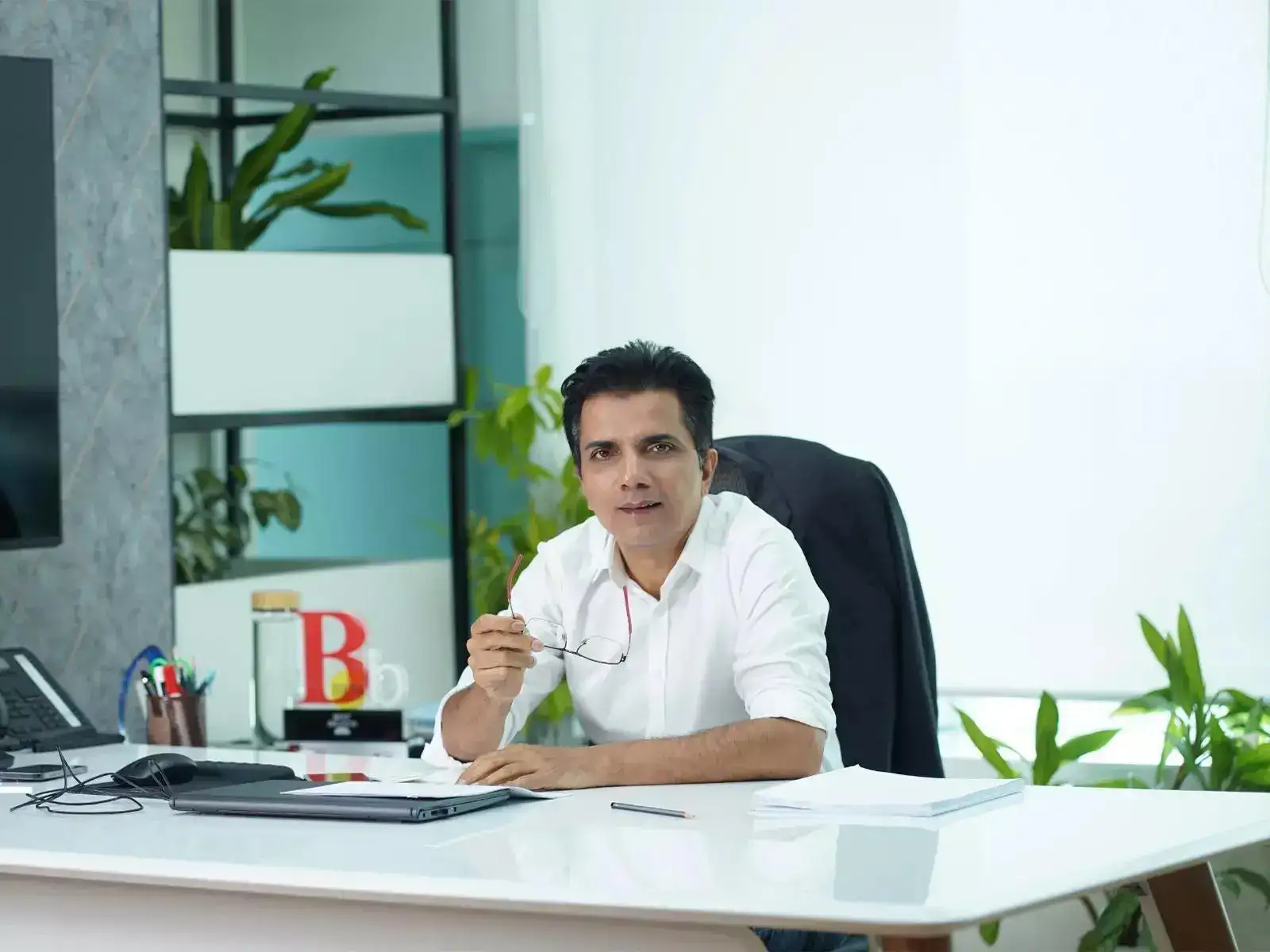 Ranvir Singh, cofounder, Kissht
Digital lending platform Kissht will open its IPO on April 30 to raise Rs 926 crore, with a price band of Rs 162-171 per share. At the top end, the issue implies a post-money valuation of Rs 3,062 crore.
Issue details:
Kissht said that around Rs 637.5 crore from the fresh issue will be infused into its in-house NBFC, Si Creva, with the balance earmarked for general corporate purposes.

Amazon’s quick commerce expansion: Ecommerce major Amazon India on Monday announced that its quick commerce arm Amazon Now will expand to 100 cities, backed by over 1,000 micro-fulfillment centres.
Karnataka invites institutions to host tech training camps: The Karnataka Innovation and Technology Society (KITS), part of the IT/BT department, has invited applications from institutions to organise technology training camps across the state under the Local Economy Accelerator Programme (LEAP), aimed at boosting grassroots innovation and skilling.
■ Online safety campaigners 'desperate to be heard' (BBC)
■ US companies back Sam Altman’s World ID even as much of the world pushes back (Rest of World)
■ The tensions behind Palantir’s efforts to transform English healthcare (FT)
Also in the letter:
■ Acko, Kissht IPO plans
■ Amazon’s quick commerce expansion
■ Karnataka plans tech training camps
Digital lenders put small businesses on watch list
Digital lenders are putting restaurants, petrol pumps and dry cleaners on watch lists as they dial back their appetite for small-business term loans, industry watchers told us.
Keeping lookout: The conflict in West Asia has disrupted gas supplies to India and pushed up input costs across the board. Consumer goods distributors, neighbourhood retailers, eateries, and small manufacturers are feeling it first.
New-age lenders, unlike banks and non-banking financial companies (NBFCs), have greater exposure to these products and are moving early, executives said.
But why: “It is in the nature of digital lenders to underwrite relatively riskier businesses compared to banks, so there is a higher degree of caution in sectors where early signs of stress are visible,” said Alok Mittal, cofounder of Indifi Technologies, a small business lending startup.
Repayments held steady in March and April, but lenders worry the real strain will show up with a lag, as higher costs and snarled supply chains work through P&Ls.
What is changing: Lenders are tightening sectoral risk monitoring, running fresh stress tests and beefing up collections teams to stay ahead of potential repayment trouble.
Also Read: West Asia conflict fears could harden credit card underwriting, curb co-branded card growth
DFS is seeking lender data on war-hit SMEs
The Department of Financial Services has asked lenders, including State Bank of India, to share data on the economic impact of fuel and trade disruptions, with a particular focus on MSMEs.
Tell me more: The government is trying to map which sectors are under strain so it can assess whether relief is needed. Banks have been asked to provide details on affected businesses such as Morbi-based ceramics cluster, restaurants hit by LPG shortages and airlines, where fuel is a major cost.
Anthropic Mythos: Firms with access to model say response speed is key
For companies testing Anthropic’s Mythos model, the biggest cybersecurity risk is no longer simply finding flaws. It is how fast you respond once they are found.
Driving the news:
- Mythos can reportedly convert a vulnerability into a working attack in minutes.
- Many large enterprises in India still need 60 to 90 days to patch critical systems.
- Firms that piloted Mythos said it could find tens of thousands of vulnerabilities, compared with roughly 500 found by Anthropic’s previous model, Opus 4.6.
- That is a 20-fold jump in a single generation. Mythos then built working exploits for more than half of those and then broke through defences on the first try in 83 out of 100 cases.
Why India is exposed: Experts say this is especially dangerous for Indian companies because security teams often take months to close gaps. Banking and telecom are seen as especially at risk because they run complex, ageing infrastructure that cannot be patched easily without disrupting services.
No Indian companies featured in Project Glasswing, which gave 40 US companies early access to Mythos so they could harden their systems in advance.
Also Read: Before Mythos goes public, Indian IT also wants access
How attacks are changing: Experts said attacks are now faster, more scalable and easier to replicate, making cybersecurity a continuous race rather than a one-time patching exercise.
“The patch cycle is no longer a process of inefficiency--it is a strategic vulnerability,” said Arjun Nagulapally, CTO, AionOS. “Adversaries close the loop in hours. Indian IT teams close it in months. The gap isn’t just a risk, it’s a kill zone.”
Also Read: Threat from Anthropic’s Mythos 'as big as war': Nirmala Sitharaman
Acko plans confidential IPO filing to raise $250 million; targets $2.5 billion valuation
New-age insurance company Acko is heading for Dalal Street, with plans to make a confidential filing for an initial public offering (IPO) to raise $250 million, sources told us.
Number-wise:
- The IPO is likely to value the company at $2-2.5 billion.
- Morgan Stanley, Kotak Securities and ICICI Securities are on board as bankers.
- Draft papers are likely to be filed before the end of June.
About Acko: Founded by Varun Dua, Acko offers general, health and life insurance products directly to consumers, cutting out traditional agents and intermediaries.
Backers include General Atlantic, Accel Partners, Elevation Capital and Canada Pension Plan Investment Board. In FY26, Acko underwrote motor insurance premiums of Rs 1,186 crore and health insurance premiums of Rs 1,235 crore.
Kissht to launch Rs 926 crore IPO on April 30; targets Rs 3,062 crore valuation
Digital lending platform Kissht will open its IPO on April 30 to raise Rs 926 crore, with a price band of Rs 162-171 per share. At the top end, the issue implies a post-money valuation of Rs 3,062 crore.
Issue details:
- Fresh issue of shares worth Rs 850 crore.
- Offer for sale (OFS) of 4.4 million shares, expected to raise about Rs 76 crore.
- The company had earlier planned a Rs 1,000 crore fresh issue and an OFS of 8.8 million shares.
Kissht said that around Rs 637.5 crore from the fresh issue will be infused into its in-house NBFC, Si Creva, with the balance earmarked for general corporate purposes.
Other Top Stories By Our Reporters
Amazon’s quick commerce expansion: Ecommerce major Amazon India on Monday announced that its quick commerce arm Amazon Now will expand to 100 cities, backed by over 1,000 micro-fulfillment centres.
Karnataka invites institutions to host tech training camps: The Karnataka Innovation and Technology Society (KITS), part of the IT/BT department, has invited applications from institutions to organise technology training camps across the state under the Local Economy Accelerator Programme (LEAP), aimed at boosting grassroots innovation and skilling.
Global Picks We Are Reading
■ Online safety campaigners 'desperate to be heard' (BBC)
■ US companies back Sam Altman’s World ID even as much of the world pushes back (Rest of World)
■ The tensions behind Palantir’s efforts to transform English healthcare (FT)
Want this newsletter delivered to your inbox?
I agree to receive newsletters and marketing communications via e-mail