
 Morning Dispatch |
D2C brands rethink pricing; Microdrama's sustainability test
Want this newsletter delivered to your inbox?
I agree to receive newsletters and marketing communications via e-mail

Thank you for subscribing to Morning Dispatch
We'll soon meet in your inbox.
Happy Monday! Rising raw material costs are squeezing D2C brands, forcing them to rethink pricing. This and more in today’s ETtech Morning Dispatch.
Also in the letter:
■ UpGrad hires ex-Deloitte, EY partners
■ Urban Company gets QIP nod
■ Oister launches deeptech fund

Surging crude oil-linked raw material costs are putting heavy pressure on Indian consumer brands across FMCG, beauty, personal care, and durables.
Tell me more: Over the past year, overall raw material prices have climbed 7-15%, while plastic price spikes have driven packaging expenses up by a staggering 30-40%.
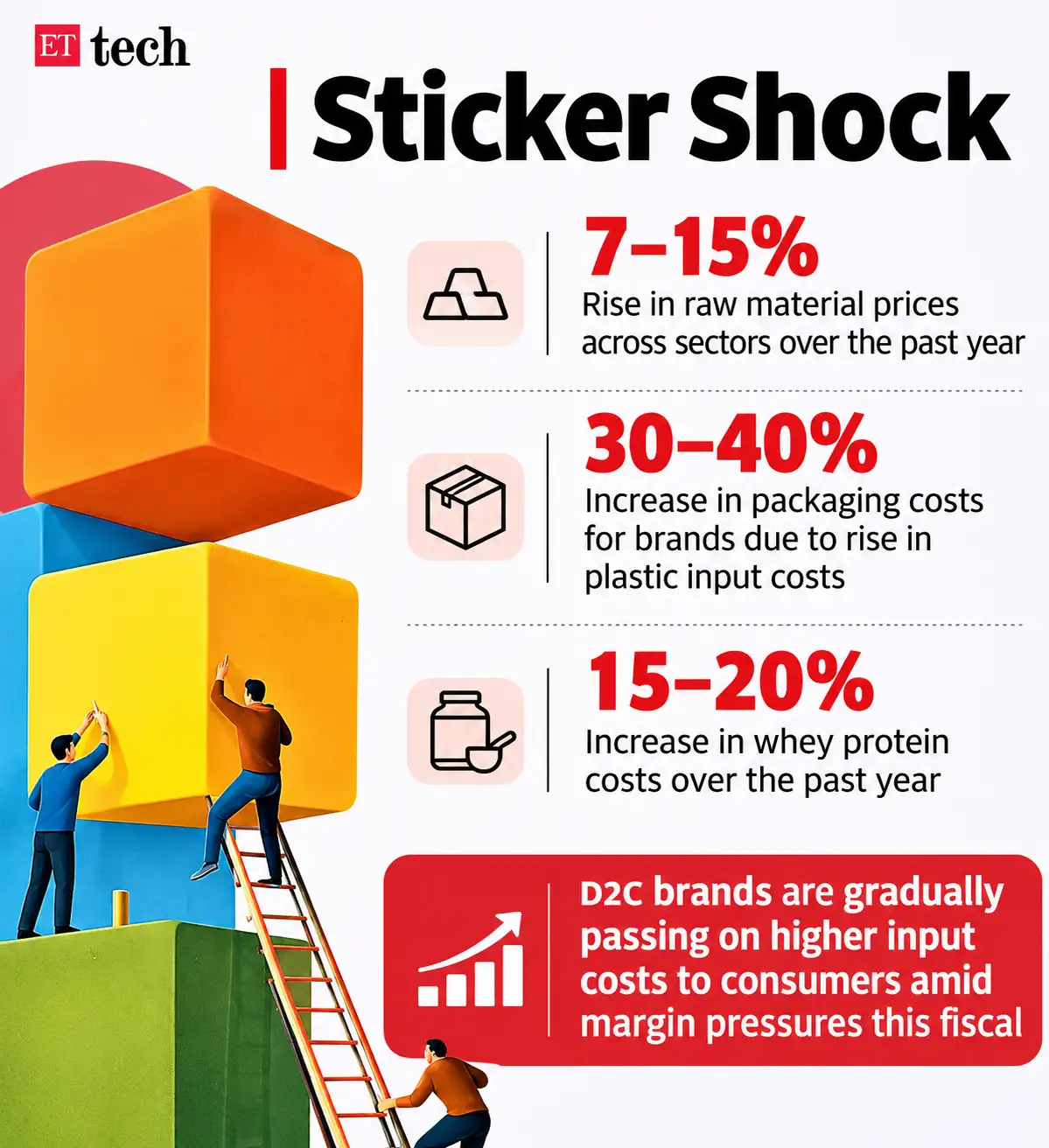
Whey protein costs have also jumped 15-20%, pushing some retail prices up by 1.5x and already tempering festive season demand.
FMCG vs D2C playbook: Legacy giants like Hindustan Unilever, ITC, and Emami are leveraging their massive scale to negotiate better supplier rates and absorb these hikes, protecting volume growth rather than passing costs on to shoppers.
Lacking that cushion, D2C startups are getting creative to defend their bottom lines.
What are D2C brands doing?

India's microdrama apps have overtaken traditional streaming platforms in downloads, but weak user retention and rising customer acquisition costs are testing their sustainability, according to industry executives and data shared exclusively with ET by market intelligence firm Sensor Tower.
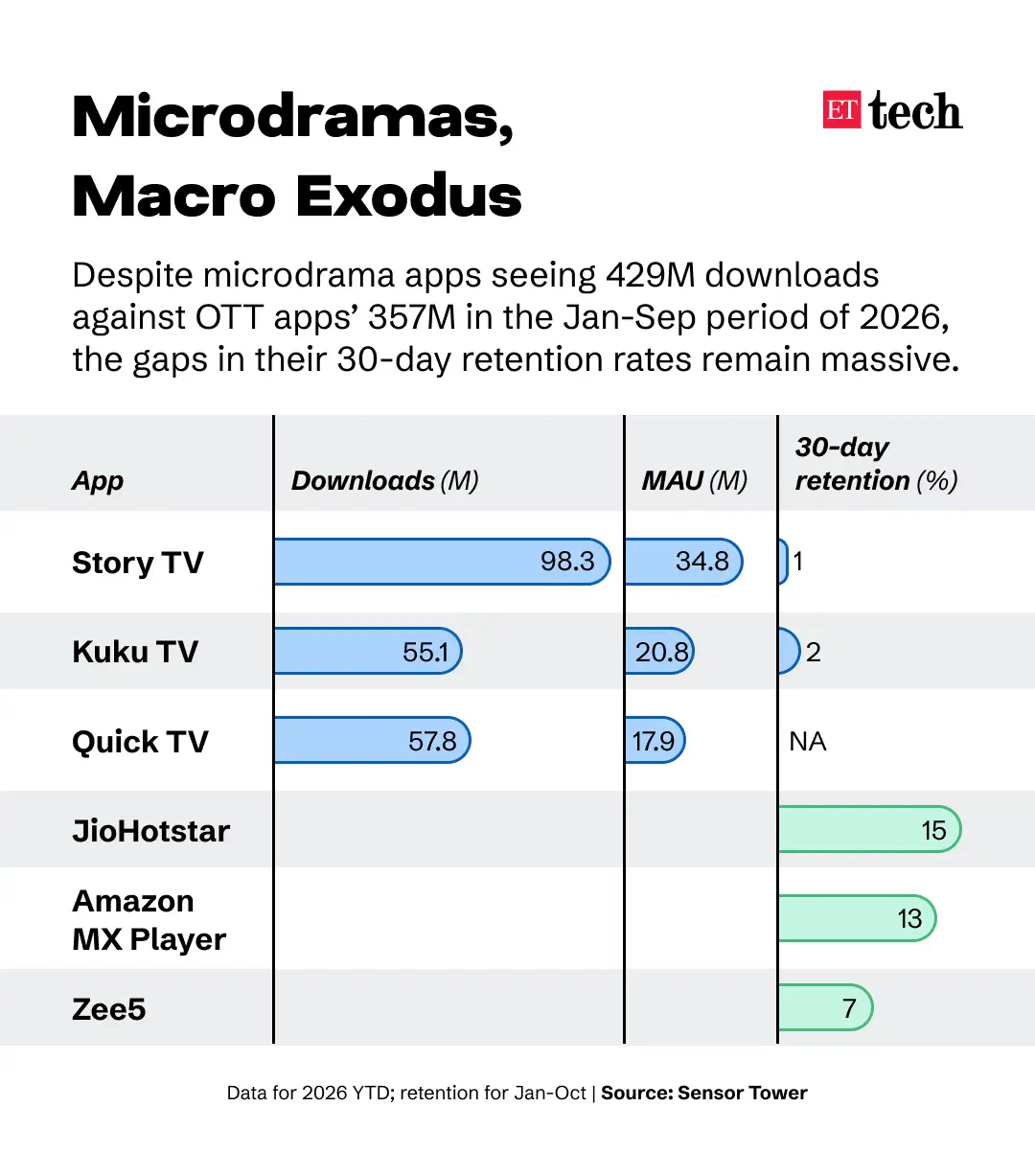
By the numbers:
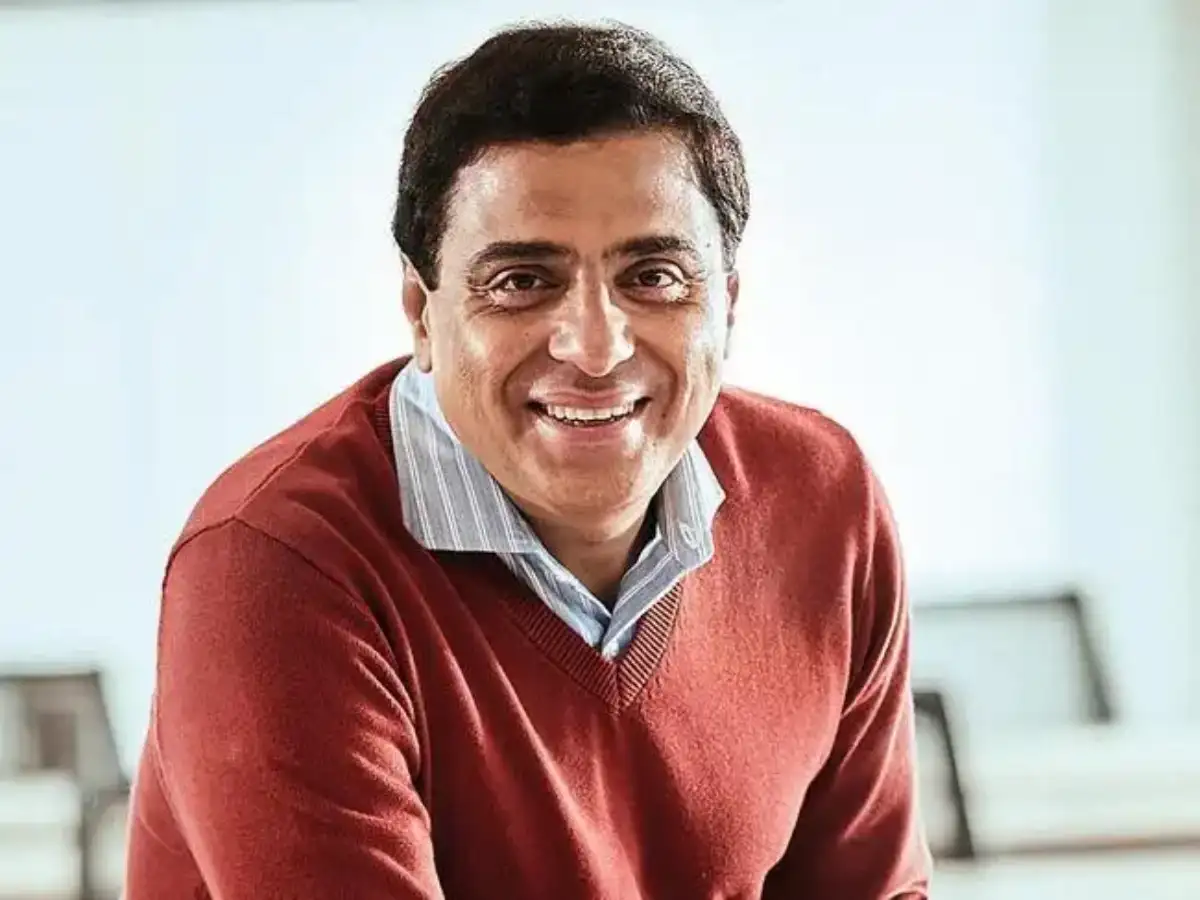 Ronnie Screwvala, cofounder and chairperson, UpGrad
Three former partners and a senior consulting executive from auditing firms Deloitte and EY have joined Mumbai-based edtech company UpGrad to set up a corporate advisory practice, as the Ronnie Screwvala-led firm looks to revive growth in its enterprise business.
Who have joined: Former Deloitte partners Anandorup Ghose and Krishna Chaitanya Malladi, former EY partner Hrishikesh Godbole and former Deloitte executive Dinkar Pawan are joining as managing directors of the new vertical, UpGrad Next.
The plan: The new business will advise companies on organisational restructuring, workforce productivity, compensation and leadership development, combining consulting with UpGrad's existing employee skilling, recruitment and placement services.
Growth outlook: "For us to be able to look at this as a Rs 1,000 crore part of our business and a Rs 4,000 crore business in the next two to three years is pretty much where we're looking at," cofounder and chairman Screwvala told ET in an interview.

Home services platform Urban Company has secured shareholder approval to raise up to Rs 2,500 crore through an issuance of securities, paving the way for its proposed qualified institutional placement (QIP).
Fundraise details:
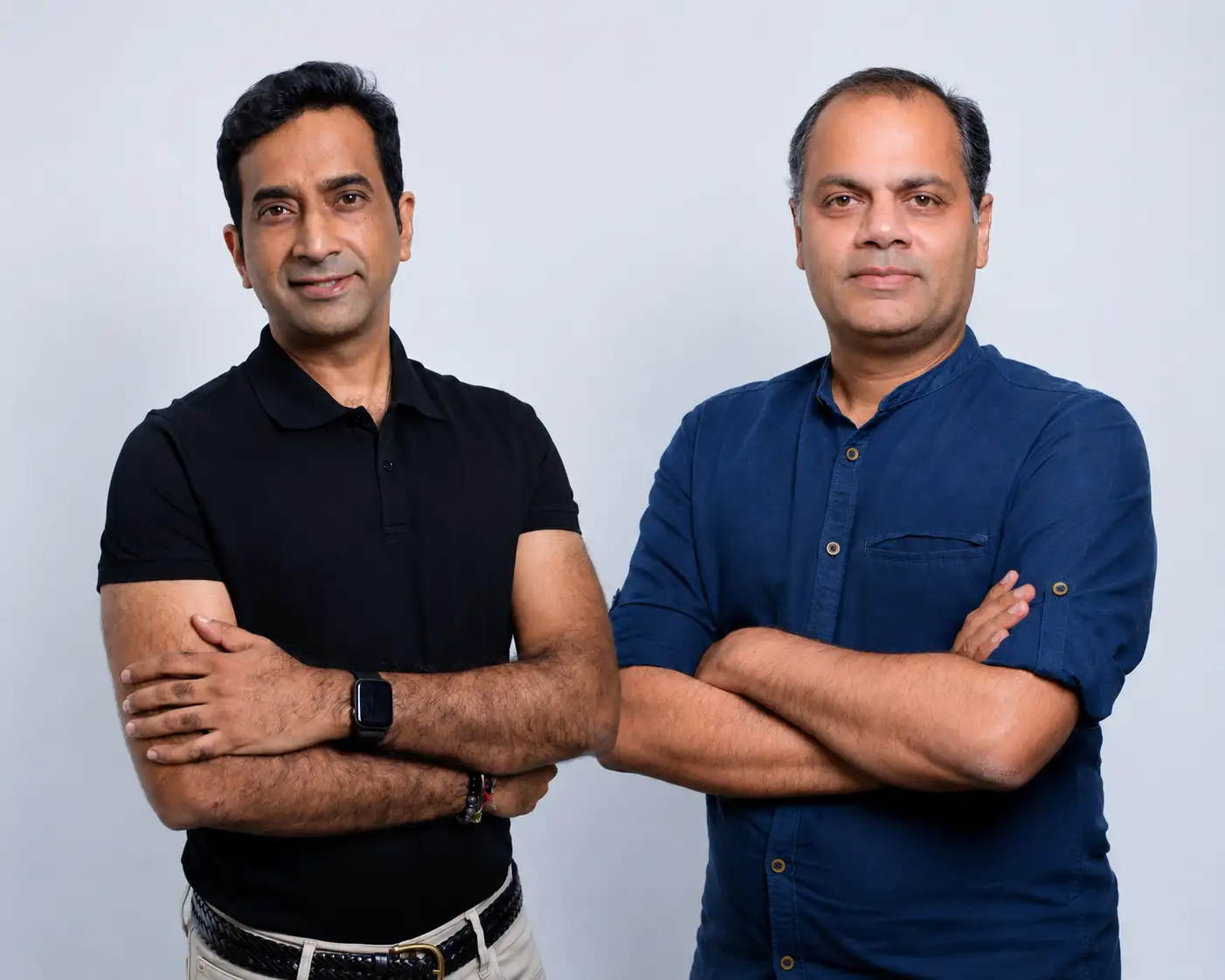 Sandeep Sinha and Rohit Bhayana of Oister Global
Oister launches deeptech fund: Private markets investor Oister Global has launched a Rs 400 crore deeptech fund, with a Rs 200 crore greenshoe option, taking its potential corpus to Rs 600 crore. The Oister Deep Tech Fund will invest in 8-10 growth-stage companies across sectors such as space technology, defence and aerospace, semiconductors and electronics, etc.
India’s chipmaking challenge: India cannot build a sustainable semiconductor industry by focusing only on fabs and chip assembly projects, Nivruti Rai, managing director and chief executive of Invest India, said, underlining the need to develop an ecosystem of equipment makers, materials suppliers, packaging companies and manufacturers of memory and passive components.
■ Nvidia exposed to possible lawsuits after Jensen Huang’s downfall (FT)
■ Traditional industries and AI: When old meets new (BBC)
■ Beware the New AI-Fueled Ransomware Boom (Wired)
Also in the letter:
■ UpGrad hires ex-Deloitte, EY partners
■ Urban Company gets QIP nod
■ Oister launches deeptech fund
Brands weigh price hikes as raw material costs squeeze margins
Surging crude oil-linked raw material costs are putting heavy pressure on Indian consumer brands across FMCG, beauty, personal care, and durables.
Tell me more: Over the past year, overall raw material prices have climbed 7-15%, while plastic price spikes have driven packaging expenses up by a staggering 30-40%.
Whey protein costs have also jumped 15-20%, pushing some retail prices up by 1.5x and already tempering festive season demand.
FMCG vs D2C playbook: Legacy giants like Hindustan Unilever, ITC, and Emami are leveraging their massive scale to negotiate better supplier rates and absorb these hikes, protecting volume growth rather than passing costs on to shoppers.
Lacking that cushion, D2C startups are getting creative to defend their bottom lines.
What are D2C brands doing?
- Luggage brand Uppercase raised prices by 15%, while Wellbeing Nutrition split the burden - absorbing 10% and passing 10% to buyers.
- Pilgrim is looking at alternative packaging materials alongside selective SKU price increases.
- Luggage maker Nasher Miles is deploying AI across internal workflows to avoid adding headcount, keeping consumer price hikes to a minimum.
Microdrama apps race past OTTs in downloads, but struggle to retain viewers
India's microdrama apps have overtaken traditional streaming platforms in downloads, but weak user retention and rising customer acquisition costs are testing their sustainability, according to industry executives and data shared exclusively with ET by market intelligence firm Sensor Tower.
By the numbers:
- Microdrama apps clocked 429 million downloads in January-September 2026, up 73% YoY.
- OTT platforms recorded 357 million downloads, down nearly 20%.
- Story TV led standalone microdrama apps with 98.3 million downloads, followed by QuickTV at 57.8 million and Kuku TV at 55.1 million.
- Only 1% of Story TV's new users returned after 30 days during January-October, compared with 2% for Kuku TV.
- JioHotstar saw 15% retention, while Amazon MX Player's retention was 13% and Zee5’s 7%.
- Redseer estimates that microdrama subscription retention falls to around 50% after three months and 25% after six months.
Former Deloitte, EY partners join UpGrad to set up advisory business
Three former partners and a senior consulting executive from auditing firms Deloitte and EY have joined Mumbai-based edtech company UpGrad to set up a corporate advisory practice, as the Ronnie Screwvala-led firm looks to revive growth in its enterprise business.
Who have joined: Former Deloitte partners Anandorup Ghose and Krishna Chaitanya Malladi, former EY partner Hrishikesh Godbole and former Deloitte executive Dinkar Pawan are joining as managing directors of the new vertical, UpGrad Next.
The plan: The new business will advise companies on organisational restructuring, workforce productivity, compensation and leadership development, combining consulting with UpGrad's existing employee skilling, recruitment and placement services.
Growth outlook: "For us to be able to look at this as a Rs 1,000 crore part of our business and a Rs 4,000 crore business in the next two to three years is pretty much where we're looking at," cofounder and chairman Screwvala told ET in an interview.
Urban Company shareholders approve Rs 2,500 crore fundraise plan
Home services platform Urban Company has secured shareholder approval to raise up to Rs 2,500 crore through an issuance of securities, paving the way for its proposed qualified institutional placement (QIP).
Fundraise details:
- As many as 99.29% of the votes cast were in favour of the special resolution.
- Morgan Stanley and Kotak Mahindra Capital are managing the QIP and have begun roadshows for the fundraise.
Other Top Stories By Our Reporters
Oister launches deeptech fund: Private markets investor Oister Global has launched a Rs 400 crore deeptech fund, with a Rs 200 crore greenshoe option, taking its potential corpus to Rs 600 crore. The Oister Deep Tech Fund will invest in 8-10 growth-stage companies across sectors such as space technology, defence and aerospace, semiconductors and electronics, etc.
India’s chipmaking challenge: India cannot build a sustainable semiconductor industry by focusing only on fabs and chip assembly projects, Nivruti Rai, managing director and chief executive of Invest India, said, underlining the need to develop an ecosystem of equipment makers, materials suppliers, packaging companies and manufacturers of memory and passive components.
Global Picks We Are Reading
■ Nvidia exposed to possible lawsuits after Jensen Huang’s downfall (FT)
■ Traditional industries and AI: When old meets new (BBC)
■ Beware the New AI-Fueled Ransomware Boom (Wired)
Want this newsletter delivered to your inbox?
I agree to receive newsletters and marketing communications via e-mail