
 Morning Dispatch Morning Dispatch |
Banks rethink UPI play; Big Tech's AI pivot dents Indian IT
Want this newsletter delivered to your inbox?
I agree to receive newsletters and marketing communications via e-mail

Thank you for subscribing to Morning Dispatch
We'll soon meet in your inbox.
Happy Wednesday! The return of MDR on UPI is pushing banks to rethink products and budgets. This and more in today’s ETtech Morning Dispatch.
Also in the letter:
■ Spinny books IPO ride
■ Captain Fresh FY26 net profit falls
■ Zetwerk, Ayr Energy settle legal dispute

Banks are reassessing budgets and product roadmaps after the return of the merchant discount rate (MDR) on Unified Payments Interface (UPI) transactions. The shift could help agent-led payments, delegated payments and business collection tools move beyond pilots.
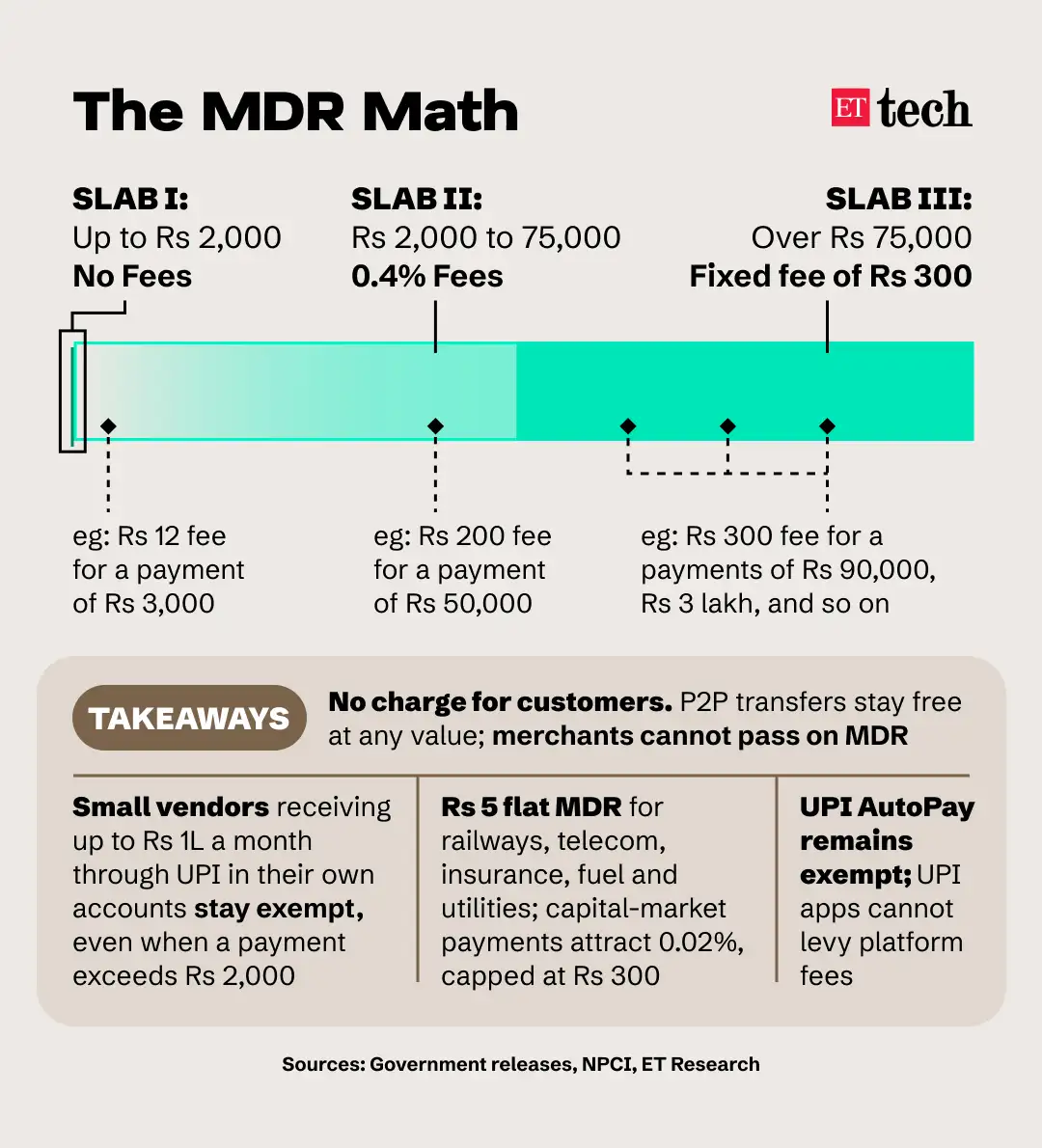
The trigger: From October 15, eligible merchant payments above Rs 2,000 will attract a 40-basis-point MDR. Goldman Sachs projects a Rs 26,200-crore pool by fiscal 2028, with Rs 13,100 crore going to banks handling customer payments.
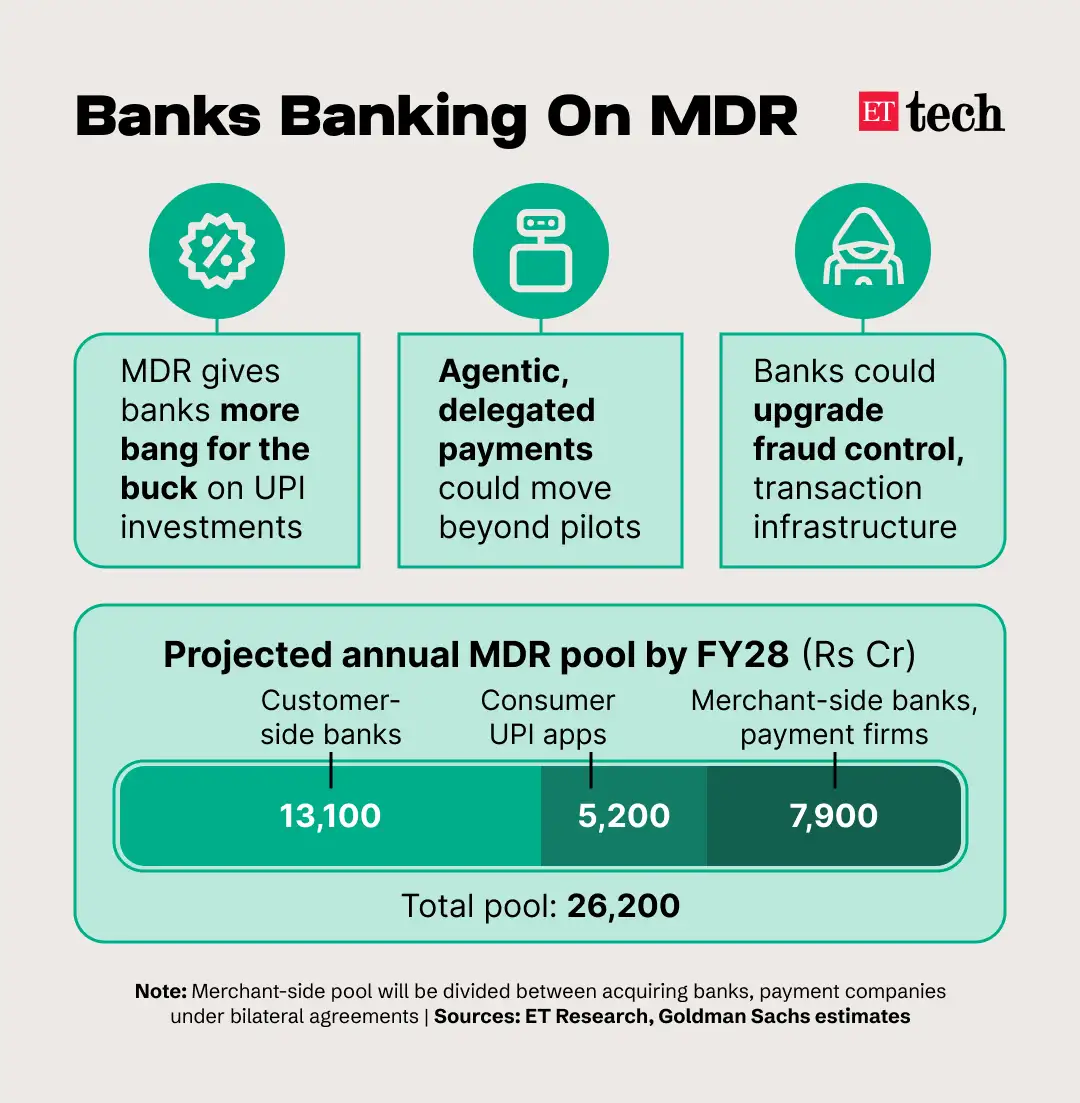
Why it matters: Payment companies can build the interface, but products cannot scale until banks integrate systems, test transaction flows and install controls. Under zero MDR, this work generated costs without transaction-linked revenue and received lower priority.
The upgrades: Agent-led payments require authentication, spending limits, audit trails and fraud monitoring. Delegated payments need linked users and revocable mandates, while business collections require invoice-linked payments, accounting-system integration and automated reconciliation.
Large Indian software services exporters face the risk of losing up to $20 billion in annual contracts over the next one to two years as major tech companies such as Google and Meta scale back traditional IT outsourcing budgets, according to industry experts.
Driving the news: The shift threatens revenues in the high-tech and communications segments of India’s $315 billion IT industry as hyperscalers and big-tech firms use AI and automation to improve efficiency.
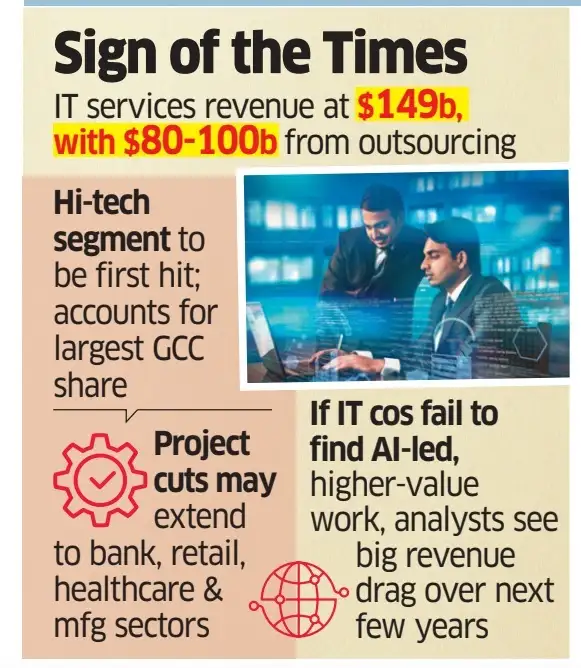
Why is the pressure building: “Big Tech is doing this first because it has the AI capability to do it. Once banks, retailers, manufacturers and healthcare companies become confident they can take 15-20% of effort out of mature outsourcing contracts, the same pressure will spread well beyond the technology vertical,” said Phil Fersht, chief executive at US consultancy and research firm HFS Group.
Tell me more: The contraction is concentrated in labour-intensive work such as:
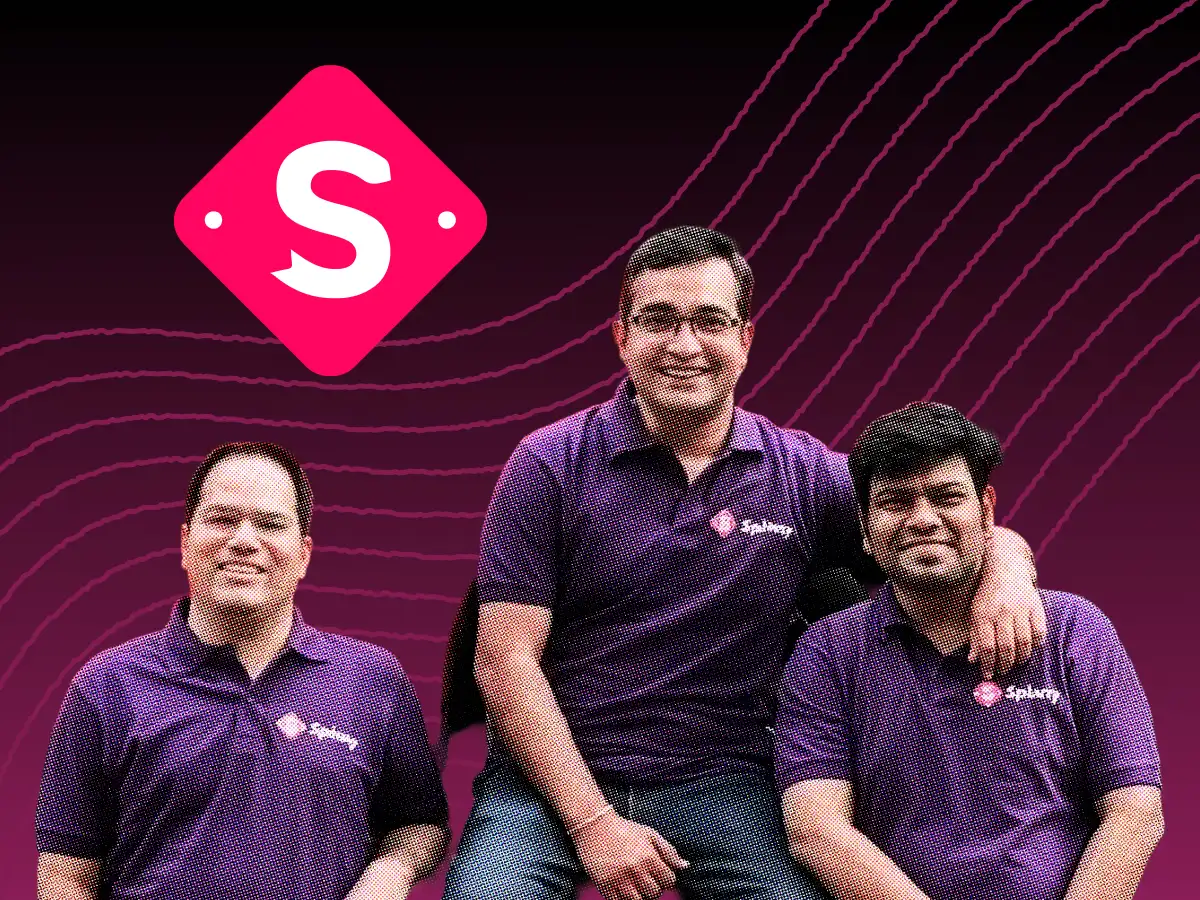 L-R: Mohit Gupta, Niraj Singh Ramanshu Mahaur, cofounders, Spinny
Tiger Global-backed used-car platform Spinny has made a confidential filing with Sebi for an initial public offering (IPO). The company is targeting a total issue size of Rs 3,000-3,500 crore, according to people aware of the matter.
IPO plans: The issue is expected to be split almost equally between a fresh capital raise and an offer for sale by existing investors. Spinny may use the fresh funds to expand its presence across India.
Funding: In February, Spinny closed a $160-170 million round led by US-based investors Fidelity and Accel Leaders Fund, ET had reported. The funding included $90 million of primary capital, while the rest was secondary sales by early investors. Fidelity and WestBridge Capital bought shares through the secondary leg.
Expansion: Spinny acquired vehicle servicing startup GoMechanic last November in a Rs 450-crore cash and stock deal to expand its bouquet of offerings.
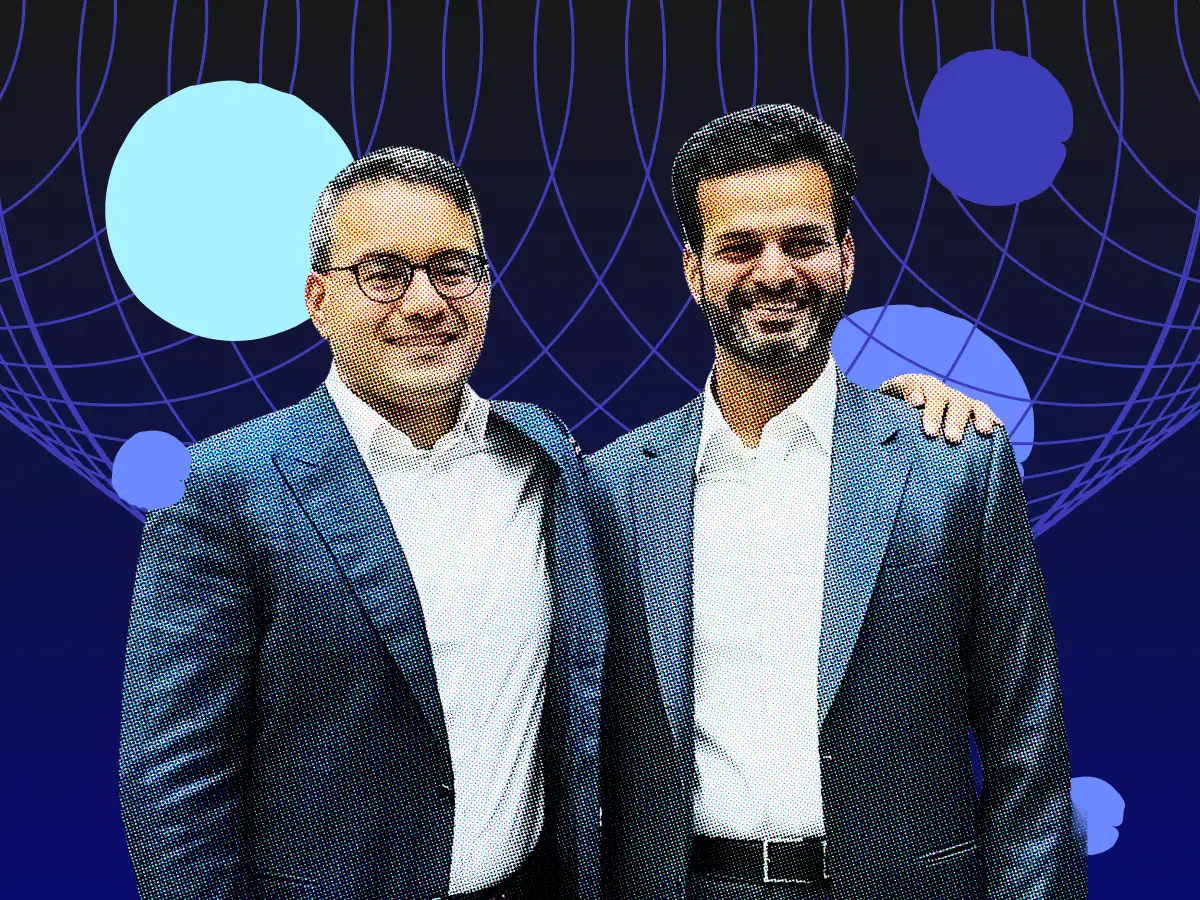 Kunal Bahl (left) and Rohit Bansal, cofounders, AceVector
Snapdeal’s parent company AceVector has set a price band of Rs 30-32 per share for its upcoming IPO, valuing the company at Rs 1,741 crore (around $182 million) at the upper end of the range.
IPO details: AceVector is raising Rs 287 crore in fresh capital through the IPO, while investors such as SoftBank, Nexus Venture Partners, and Foxconn are selling shares worth Rs 133 crore through the offer-for-sale component.
Valuation gap: The IPO valuation is sharply below Snapdeal’s $6.5 billion peak in 2016 following Softbank’s $1 billion investment. Snapdeal was moved under the AceVector umbrella in 2022.
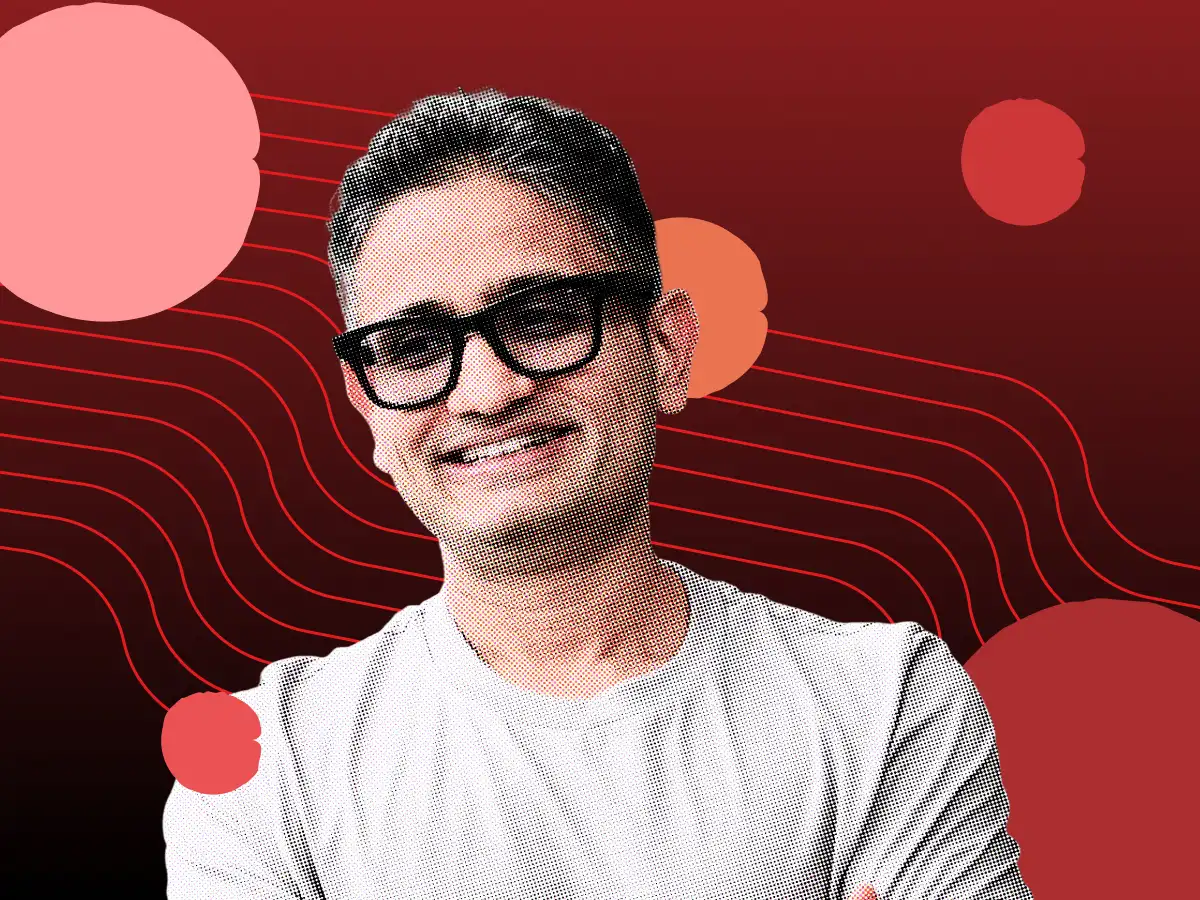 Utham Gowda, founder and CEO, Captain Fresh
Captain Fresh FY26 net profit more than halves: B2B seafood marketplace Captain Fresh’s consolidated net profit more than halved to Rs 19.6 crore in FY26 from Rs 42.4 crore in FY25. The bottom line shrank after it booked Rs 30 crore in one-time IPO expenses, moved from a net tax credit to a net tax expense, and reported wider losses from discontinued domestic operations, according to its audited annual report.
Zetwerk, Ayr Energy settle trade-secret dispute: After more than a year, IPO-bound manufacturing platform Zetwerk and US-based power equipment maker Ayr Energy have reached a settlement resolving their legal disputes, in which they had accused each other of misusing confidential information and trade secrets.
■ Stop asking AI CEOs what society needs (FT)
■ America is in the wrong AI race with China (Rest of World)
■ We surveyed 634 women who work in tech. They let loose (Wired)
Also in the letter:
■ Spinny books IPO ride
■ Captain Fresh FY26 net profit falls
■ Zetwerk, Ayr Energy settle legal dispute
MDR gives banks more fuel for UPI play
Banks are reassessing budgets and product roadmaps after the return of the merchant discount rate (MDR) on Unified Payments Interface (UPI) transactions. The shift could help agent-led payments, delegated payments and business collection tools move beyond pilots.
The trigger: From October 15, eligible merchant payments above Rs 2,000 will attract a 40-basis-point MDR. Goldman Sachs projects a Rs 26,200-crore pool by fiscal 2028, with Rs 13,100 crore going to banks handling customer payments.
Why it matters: Payment companies can build the interface, but products cannot scale until banks integrate systems, test transaction flows and install controls. Under zero MDR, this work generated costs without transaction-linked revenue and received lower priority.
The upgrades: Agent-led payments require authentication, spending limits, audit trails and fraud monitoring. Delegated payments need linked users and revocable mandates, while business collections require invoice-linked payments, accounting-system integration and automated reconciliation.
Big Tech’s AI shift may wipe out $20 billion of IT outsourcing revenue
Large Indian software services exporters face the risk of losing up to $20 billion in annual contracts over the next one to two years as major tech companies such as Google and Meta scale back traditional IT outsourcing budgets, according to industry experts.
Driving the news: The shift threatens revenues in the high-tech and communications segments of India’s $315 billion IT industry as hyperscalers and big-tech firms use AI and automation to improve efficiency.
- A 15-20% reduction could roughly put $12-20 billion in revenue under pressure if the trend spreads to other sectors.
- This estimate is based on the industry body Nasscom’s 2025-26 IT services revenue forecast of $149 billion, with roughly 55-70% of that revenue, or $80-100 billion, coming from outsourcing.
Why is the pressure building: “Big Tech is doing this first because it has the AI capability to do it. Once banks, retailers, manufacturers and healthcare companies become confident they can take 15-20% of effort out of mature outsourcing contracts, the same pressure will spread well beyond the technology vertical,” said Phil Fersht, chief executive at US consultancy and research firm HFS Group.
Tell me more: The contraction is concentrated in labour-intensive work such as:
- Testing and routine application support.
- Engineering support and business process outsourcing.
- Trust and safety operations.
- Customer experience management (CXM).
Spinny files confidentially for Rs 3,000-crore IPO
Tiger Global-backed used-car platform Spinny has made a confidential filing with Sebi for an initial public offering (IPO). The company is targeting a total issue size of Rs 3,000-3,500 crore, according to people aware of the matter.
IPO plans: The issue is expected to be split almost equally between a fresh capital raise and an offer for sale by existing investors. Spinny may use the fresh funds to expand its presence across India.
Funding: In February, Spinny closed a $160-170 million round led by US-based investors Fidelity and Accel Leaders Fund, ET had reported. The funding included $90 million of primary capital, while the rest was secondary sales by early investors. Fidelity and WestBridge Capital bought shares through the secondary leg.
Expansion: Spinny acquired vehicle servicing startup GoMechanic last November in a Rs 450-crore cash and stock deal to expand its bouquet of offerings.
Snapdeal parent AceVector seeks Rs 1,741-crore valuation for upcoming IPO
Snapdeal’s parent company AceVector has set a price band of Rs 30-32 per share for its upcoming IPO, valuing the company at Rs 1,741 crore (around $182 million) at the upper end of the range.
IPO details: AceVector is raising Rs 287 crore in fresh capital through the IPO, while investors such as SoftBank, Nexus Venture Partners, and Foxconn are selling shares worth Rs 133 crore through the offer-for-sale component.
Valuation gap: The IPO valuation is sharply below Snapdeal’s $6.5 billion peak in 2016 following Softbank’s $1 billion investment. Snapdeal was moved under the AceVector umbrella in 2022.
Other Top Stories By Our Reporters
Captain Fresh FY26 net profit more than halves: B2B seafood marketplace Captain Fresh’s consolidated net profit more than halved to Rs 19.6 crore in FY26 from Rs 42.4 crore in FY25. The bottom line shrank after it booked Rs 30 crore in one-time IPO expenses, moved from a net tax credit to a net tax expense, and reported wider losses from discontinued domestic operations, according to its audited annual report.
Zetwerk, Ayr Energy settle trade-secret dispute: After more than a year, IPO-bound manufacturing platform Zetwerk and US-based power equipment maker Ayr Energy have reached a settlement resolving their legal disputes, in which they had accused each other of misusing confidential information and trade secrets.
Global Picks We Are Reading
■ Stop asking AI CEOs what society needs (FT)
■ America is in the wrong AI race with China (Rest of World)
■ We surveyed 634 women who work in tech. They let loose (Wired)
Want this newsletter delivered to your inbox?
I agree to receive newsletters and marketing communications via e-mail