Net Neutrality: TRAI paper says mobile apps can impact national security
Besides, it has also come down heavily on taxi-hailing apps like Uber and Ola, saying they were bypassing local rules and licensing regime.
By PTI | Updated:

NEW DELHI: As a debate rages on 'net neutrality', a discussion paper floated by regulator TRAI has said that mobile applications providing free internet-based calls and messaging services can be a threat to individual and national security.
Besides, it has also come down heavily on taxi-hailing apps like Uber and Ola, as also e-commerce platforms, saying they were bypassing local rules and licensing regime, while posing significant risks despite providing easy solutions for the consumers.
The paper, put in the public domain on March 27, is aimed at soliciting comments from all stakeholders for framing rules on net neutrality and on regulation of Over-the-Top service providers such as WhatsApp, Skype, Viber and Google Talk.
"Most applications can trace the user's location for underlying processes (such as GPS apps finding the nearest restaurants). This information may be used to commit a crime, or the location itself may be the target of a crime. Such threats can impact the nation's security and financial health," TRAI paper says.
At the same time, TRAI has also recognised positive impact of OTT applications in terms of a boost they can provide to the business output and employee efficiency.
While listing out various regulatory imbalances and security issues related to internet-based calling and messaging applications, the Telecom Regulatory Authority of India (TRAI) has further said in the paper that opinions expressed freely without any restraint on social media as "another potentially problematic area".
The paper includes views from TRAI itself, as also the publicly available data and information from other sources.
It says that besides security challenges at the national level, OTT communications and OTT media can pose a threat to privacy.
Besides, it has also come down heavily on taxi-hailing apps like Uber and Ola, as also e-commerce platforms, saying they were bypassing local rules and licensing regime, while posing significant risks despite providing easy solutions for the consumers.
The paper, put in the public domain on March 27, is aimed at soliciting comments from all stakeholders for framing rules on net neutrality and on regulation of Over-the-Top service providers such as WhatsApp, Skype, Viber and Google Talk.
"Most applications can trace the user's location for underlying processes (such as GPS apps finding the nearest restaurants). This information may be used to commit a crime, or the location itself may be the target of a crime. Such threats can impact the nation's security and financial health," TRAI paper says.
At the same time, TRAI has also recognised positive impact of OTT applications in terms of a boost they can provide to the business output and employee efficiency.
While listing out various regulatory imbalances and security issues related to internet-based calling and messaging applications, the Telecom Regulatory Authority of India (TRAI) has further said in the paper that opinions expressed freely without any restraint on social media as "another potentially problematic area".
ADVERTISEMENT
The paper includes views from TRAI itself, as also the publicly available data and information from other sources.
It says that besides security challenges at the national level, OTT communications and OTT media can pose a threat to privacy.
"Recently, Facebook manipulated information posted on 689,000 users' home pages and found it could make people feel more positive or negative through a process of "emotional contagion", the paper said.
It said that messaging applications can unintentionally cause disturbance and affect the social fabric.
The paper says that mobile application users also rarely understand that the so-called free apps actually share their personal information with various third party developers, and that this can pose serious threats.
About non-messaging applications, TRAI paper said, "While companies providing various applications-based services such as Uber Taxi, Ola taxi, e-commerce apps, etc. are an easy solution for customers, there can be attendant risks."
It said there is a regulatory framework in the case of conventional taxi services but OTT apps for taxi services entirely bypass this licensing regime.
ADVERTISEMENT
On positive side, TRAI said the OTT services will improve the efficiency of an average employee by nearly 2.1 per cent.
"It also helps in reduction of carbon emissions by 30 per cent for large establishments and as much as 90 per cent for smaller and the least efficient business establishments," it added.
"The economic impact of OTT innovation in various sectors is going to have a profound effect on the market structure of these sectors and also on their global macro-economic performance. The most visible benefit is the reduction in fixed costs, cost of entry as well as production costs," it added.
It, however, said that OTT applications are eating in to revenues of telecom operators and their revenue loss will also lower various government revenues.
"It will also result in lower accumulation of Universal Service Obligation Fund (USOF) for the government, which is a percentage of the revenues earned by the telecom service providers... This will lead to less investment in the infrastructure," the paper says.
Commenting on the discussion paper, India Infosec Consortium (ICC), which deals in cyber security and internet governance related issues, accused the regulator of protecting the corporate interest.
"It was shocking to see TRAI forgetting it obligations as telecom regulator and instead protecting larger public interest, it has been seen protecting corporate interest," IIC CEO Jiten Jain said.
Download
The Economic Times Business News App for the Latest News in Business, Sensex, Stock Market Updates & More.
The Economic Times Business News App for the Latest News in Business, Sensex, Stock Market Updates & More.
Download
The Economic Times News App for Quarterly Results, Latest News in ITR, Business, Share Market, Live Sensex News & More.
The Economic Times News App for Quarterly Results, Latest News in ITR, Business, Share Market, Live Sensex News & More.
Related Articles
 Trai plan to regulate internet TV triggers pushback from OTT, broadcaster groups
Text: Savio D’Souza, TNN
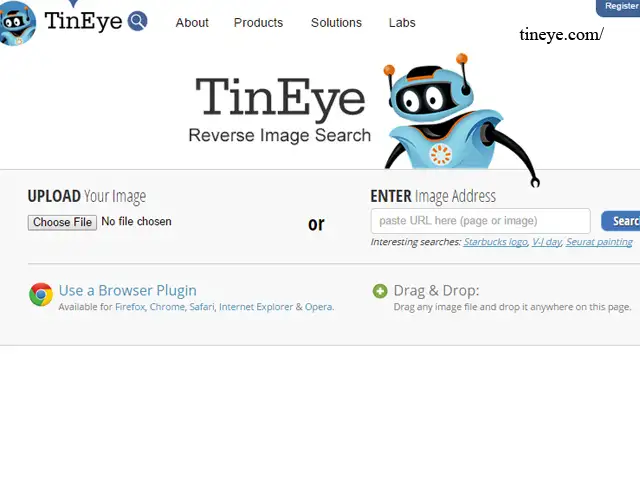
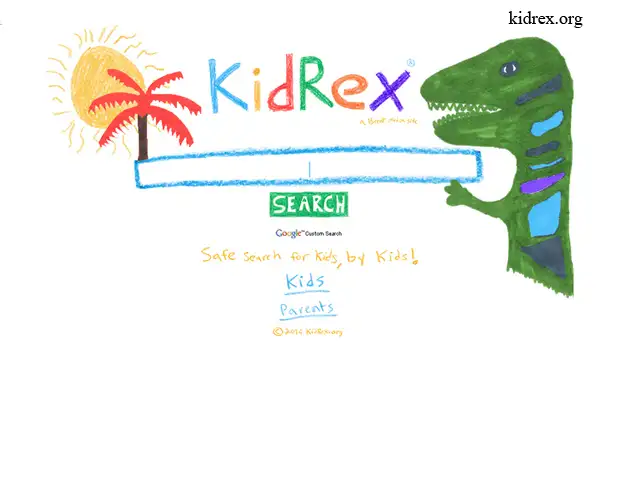
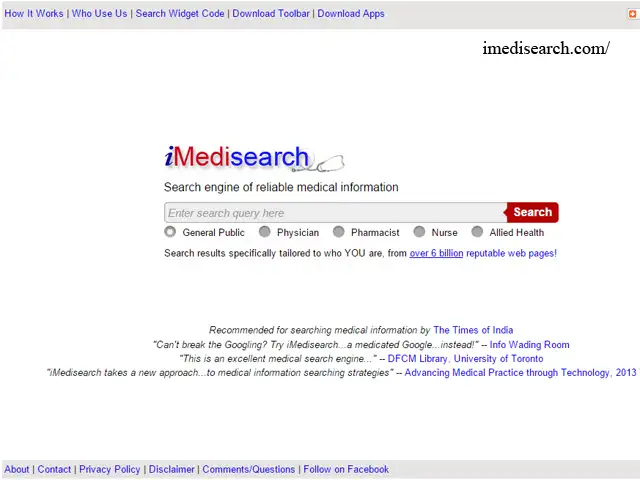
As the internet continues to grow with every passing second, the amount of content available online — such as text, pictures and even high-definition multimedia — keeps on increasing.
The biggest problem we face, however, is accessing all this information when we need it.
This is where search engines come in. Most of us tend to use the usual services — Bing, Google and Yahoo.
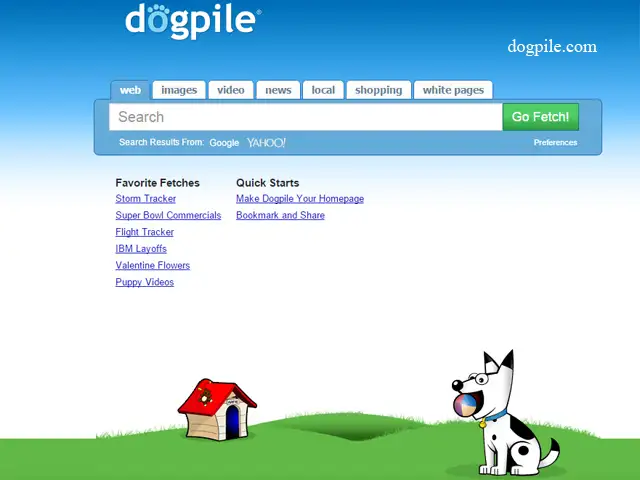
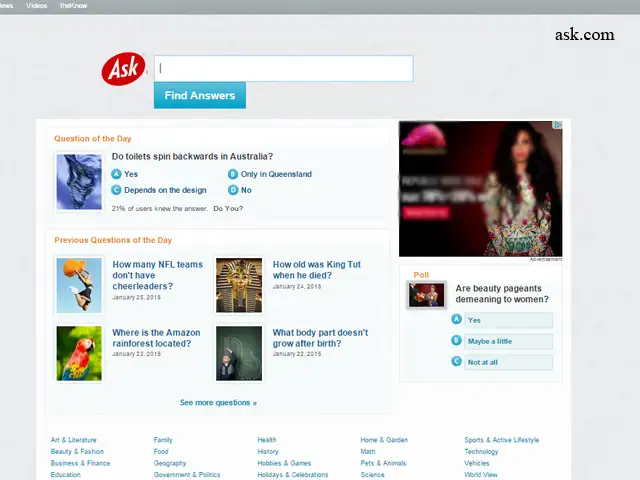
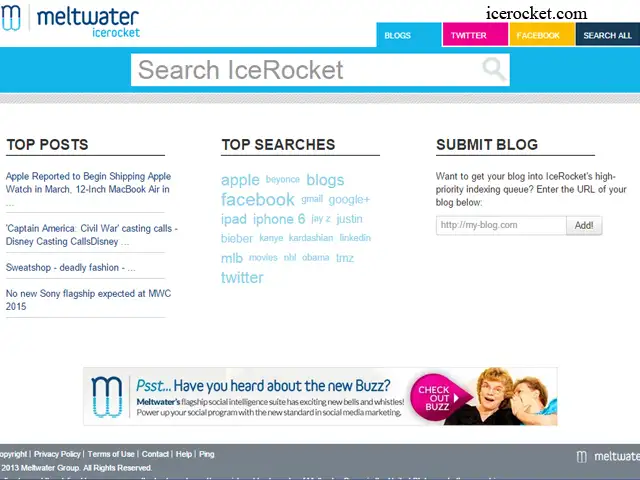
But did you know that there's more to web search than just these big names?
Here's a quick primer that will help you...
As the internet continues to grow with every passing second, the amount of content available online — such as text, pictures and even high-definition multimedia — keeps on increasing.
The biggest problem we face, however, is accessing all this information when we need it.
This is where search engines come in. Most of us tend to use the usual services — Bing, Google and Yahoo.
But did you know that there's more to web search than just these big names?
Here's a quick primer that will help you...


ADVERTISEMENT


