Glimpsing the IoT future: Plants that water themselves and Post-it switches!
The IoT Lab, called ThingQbator, was inaugurated less than two months ago and already has some interesting projects rolling out.
By Mehak Chawla, ET Online | Updated:

It was around a year back, when Chandrashekhar Raman, who used to handle Internet of Things go-to-market strategy for Cisco, started noticing a lot of curiosity and backyard innovation happening around IoT. He regularly came across techies in Cisco playing around stuff like Raspberry Pi and coming up with some interesting applications.
When Raman took this up with Matt Smith, Cisco's top IoT strategy guy, he was enthusiastic and readily promised support. And thus cropped up the idea of incubating a space where techies can come and create anything around IoT. All they need is an idea and Cisco will handle the support and investment. The IoT Lab, called ThingQbator, was inaugurated less than two months ago and already has some interesting projects rolling out.
Internet of Everything
The lab, situated in the Cisco campus in Bengaluru, has about 30 employees in its beta program and already boasts of six minimum viable prototypes, some very interesting ones. Take for instance, the self watering plant. Equipped with sensors and connected to the internet, this plant automatically gauges when it needs water and given the right set-up, can release water for itself from a dedicated or a central water repository. The system works simply by linking a pump to sensor data on temperature, soil moisture and atmospheric humidity.
Though this project by two young Cisco employees -Kartheek Kanangla and Neelanjan Kayalis, is still in inception stages, they are working out various models for larger agricultural implementation. They are already collecting soil and farm data in some areas for piloting their product. Raman uses this solution to keep his garden healthy when he is traveling and has linked his plants to Twitter. His plants have Twitter accounts and water themselves via tweets!
Another interesting project in ThingQbator right now is "Sticky Switches". This prototype by Anandghan Waghmare and Joyson D'souza is about reinventing the user interface for home automation systems through an easy-to-use and reusable switch (a sticky note) to control any object at home. The prototyping is done using Arduino Uno and RFID 13.56 Mhz. These guys managed to thindown RFID tags to an extent that they can actually rest on the back of your post-it slips. You can then use NFC from your smartphone to turn them into electric switch and paste them, anywhere, literally. "The idea came to me because my TV and light switches were really far from my couch," D'souza laughs.
Though the technology behind these projects is pretty simple, it's in implementation that the challenge will lie, believe Chandra. Some of the projects,like Vignesh Natrajan's waste management solution that includes dustbins with wi-fi sensors that give you alarms when they are full are likely to be tested within the Cisco campus itself.
"Cisco's campus is a mini-city in itself, and that is why we take the approach of Cisco-on-Cisco pilots for some of these projects. Some prototypes also become demonstrations in Cisco's IoT experience center," says Raman.
Going forward, Raman wants to make their IoT labs more structured. As of now, they are still figuring nitty gritties like when it will come to implementation, who will own the IP etc. But there is one thing that Raman says is the ground rule of the lab - rapid prototyping. "Six months for developing prototypes is too long for us. We want to incubate batches of 30 people every two months."
The idea of innovation labs is not new for IT companies that house enormous engineering talent on their premises. Cisco has also had similar labs for networking innovation. Giants like TCS and Infosys have long relied on these concepts to encourage entrepreneurship and innovation within the organization.
When Raman took this up with Matt Smith, Cisco's top IoT strategy guy, he was enthusiastic and readily promised support. And thus cropped up the idea of incubating a space where techies can come and create anything around IoT. All they need is an idea and Cisco will handle the support and investment. The IoT Lab, called ThingQbator, was inaugurated less than two months ago and already has some interesting projects rolling out.
Internet of Everything
The lab, situated in the Cisco campus in Bengaluru, has about 30 employees in its beta program and already boasts of six minimum viable prototypes, some very interesting ones. Take for instance, the self watering plant. Equipped with sensors and connected to the internet, this plant automatically gauges when it needs water and given the right set-up, can release water for itself from a dedicated or a central water repository. The system works simply by linking a pump to sensor data on temperature, soil moisture and atmospheric humidity.
Though this project by two young Cisco employees -Kartheek Kanangla and Neelanjan Kayalis, is still in inception stages, they are working out various models for larger agricultural implementation. They are already collecting soil and farm data in some areas for piloting their product. Raman uses this solution to keep his garden healthy when he is traveling and has linked his plants to Twitter. His plants have Twitter accounts and water themselves via tweets!
Another interesting project in ThingQbator right now is "Sticky Switches". This prototype by Anandghan Waghmare and Joyson D'souza is about reinventing the user interface for home automation systems through an easy-to-use and reusable switch (a sticky note) to control any object at home. The prototyping is done using Arduino Uno and RFID 13.56 Mhz. These guys managed to thindown RFID tags to an extent that they can actually rest on the back of your post-it slips. You can then use NFC from your smartphone to turn them into electric switch and paste them, anywhere, literally. "The idea came to me because my TV and light switches were really far from my couch," D'souza laughs.
ADVERTISEMENT
Though the technology behind these projects is pretty simple, it's in implementation that the challenge will lie, believe Chandra. Some of the projects,like Vignesh Natrajan's waste management solution that includes dustbins with wi-fi sensors that give you alarms when they are full are likely to be tested within the Cisco campus itself.
"Cisco's campus is a mini-city in itself, and that is why we take the approach of Cisco-on-Cisco pilots for some of these projects. Some prototypes also become demonstrations in Cisco's IoT experience center," says Raman.
Going forward, Raman wants to make their IoT labs more structured. As of now, they are still figuring nitty gritties like when it will come to implementation, who will own the IP etc. But there is one thing that Raman says is the ground rule of the lab - rapid prototyping. "Six months for developing prototypes is too long for us. We want to incubate batches of 30 people every two months."
The idea of innovation labs is not new for IT companies that house enormous engineering talent on their premises. Cisco has also had similar labs for networking innovation. Giants like TCS and Infosys have long relied on these concepts to encourage entrepreneurship and innovation within the organization.
ADVERTISEMENT
Download
The Economic Times Business News App for the Latest News in Business, Sensex, Stock Market Updates & More.
The Economic Times Business News App for the Latest News in Business, Sensex, Stock Market Updates & More.
Download
The Economic Times News App for Quarterly Results, Latest News in ITR, Business, Share Market, Live Sensex News & More.
The Economic Times News App for Quarterly Results, Latest News in ITR, Business, Share Market, Live Sensex News & More.
Moinak Mitra, ET Bureau
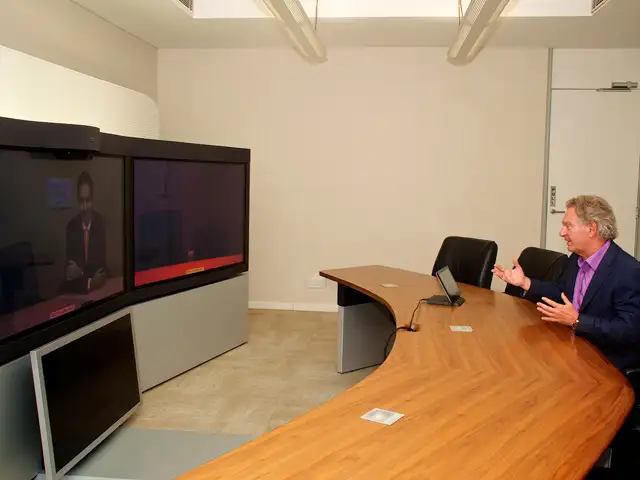
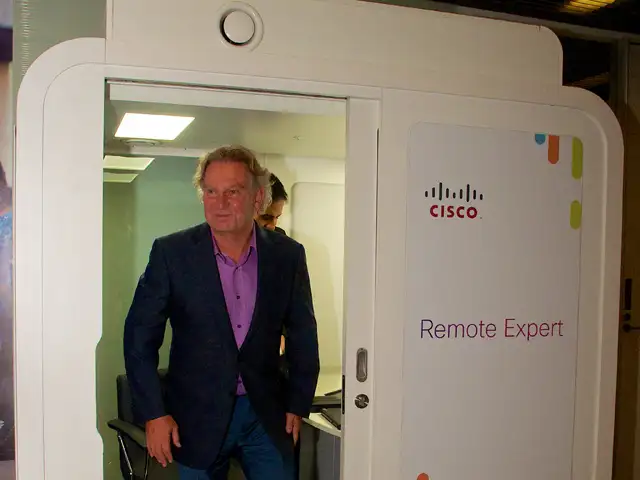
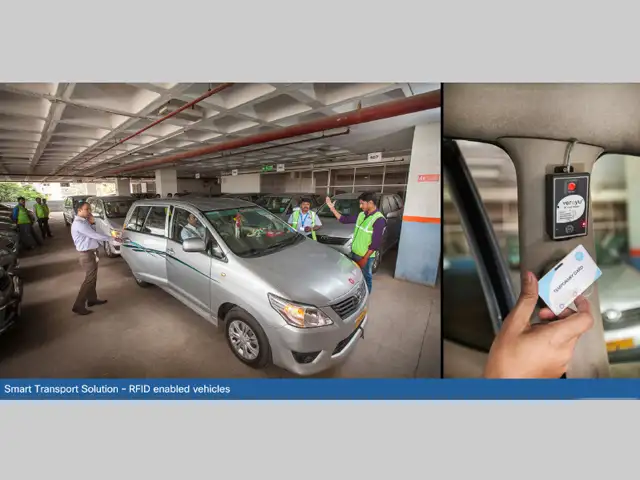
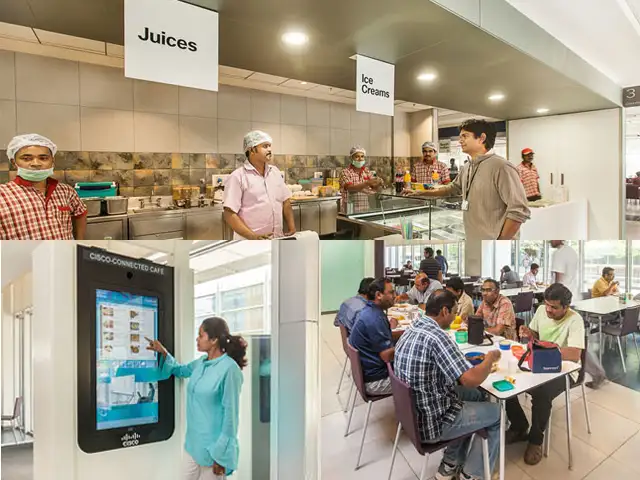
As the Chief Globalisation Officer at Cisco, Wim Elfrink prides himself on applying digital overlay to physical infrastructure.
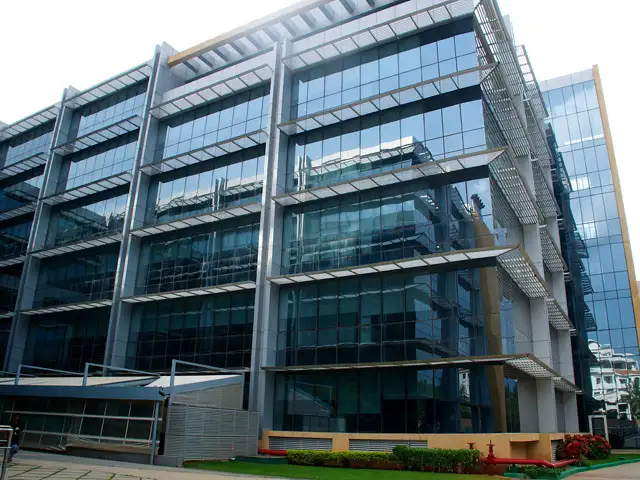
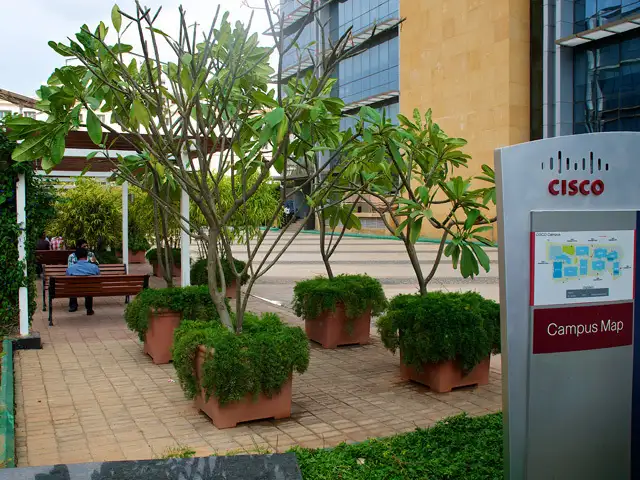
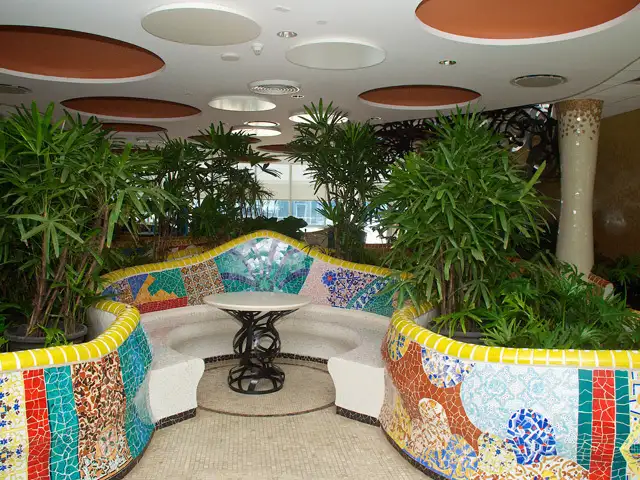
He's also the brain behind the 2.18 million square feet Cisco Smart Campus in Bengaluru that houses eight glass-and-concrete buildings showcasing a digitally connected and sustainable environment where 8,500-odd techies don't have an assigned workplace.
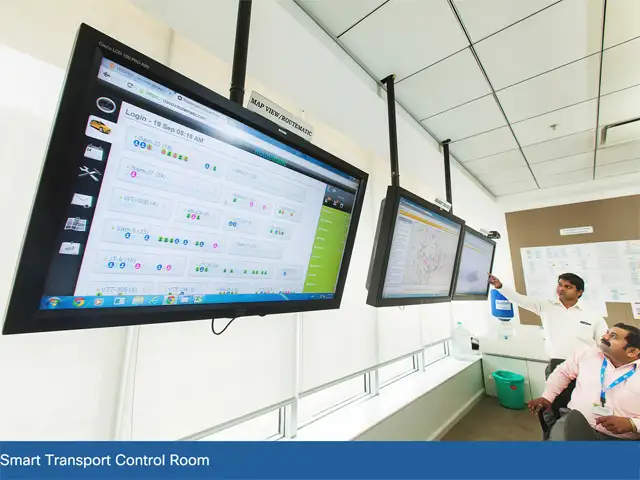
The campus ecosystem resembles a smart city and is in line with Prime Minister Narendra Modi's big idea of digitising India by setting up 100 smart cities.
As the Chief Globalisation Officer at Cisco, Wim Elfrink prides himself on applying digital overlay to physical infrastructure.
He's also the brain behind the 2.18 million square feet Cisco Smart Campus in Bengaluru that houses eight glass-and-concrete buildings showcasing a digitally connected and sustainable environment where 8,500-odd techies don't have an assigned workplace.
The campus ecosystem resembles a smart city and is in line with Prime Minister Narendra Modi's big idea of digitising India by setting up 100 smart cities.

ADVERTISEMENT


