
Here's why the creators of MP3 killed it

1/4
Music stops for MP3
Remember the time when we used to fill a 700MB CD with 100 songs. MP3 format was a boon for music listeners for the same reason. Compression was negligible and reduced file size means space for more songs. But it is not the case anymore. Most streaming services today utilise the highly efficient AAC file format for better music playback.
This essentially means that not a lot of people are reliant on the MP3 format anymore. Keeping this in mind, The Fraunhofer Institute for Integrated Circuits, which created the format, has decided to stop licensing some MP3 related patents, essentially marking its demise.
This essentially means that not a lot of people are reliant on the MP3 format anymore. Keeping this in mind, The Fraunhofer Institute for Integrated Circuits, which created the format, has decided to stop licensing some MP3 related patents, essentially marking its demise.

2/4
AAC is the next MP3
The folks at the Fraunhofer Institute claim that AAC is the “de facto standard for music download and videos on mobile phones.” Keeping this in mind, the move is understandable.
But what is the future of music streaming and playback? As most of us are aware, it’s AAC. Although it has been around for almost 20 years, it was always considered to be an alternative to MP3.
But what is the future of music streaming and playback? As most of us are aware, it’s AAC. Although it has been around for almost 20 years, it was always considered to be an alternative to MP3.
3/4
What is AAC?
AAC or Advanced Audio Coding is the evolution of conventional audio file formats. It can achieve better sound quality compared to MP3 with almost the same bitrate, making it a highly popular option among streaming services today.
Naturally, it was designed to be the successor of MP3. With the file format widely accepted by almost every mobile manufacturer today, the use of MP3 is pretty much redundant. Almost every major company has already embraced AAC, including YouTube.
Naturally, it was designed to be the successor of MP3. With the file format widely accepted by almost every mobile manufacturer today, the use of MP3 is pretty much redundant. Almost every major company has already embraced AAC, including YouTube.
Amazon Top Deals
POWERED BY

Crompton Ozone 75 Litres Desert Air Cooler for home | Large & Easy Clean Ice Chamber | 4-Way Air Deflection | High Density Honeycomb Pads | Everlast Pump | Auto Fill| 3 Year Brand Warranty
₹9,798Buy Now43%
OFF

LG 32 L Convection Microwave Oven (MC3286BRUM, Black, 360° Motorised Rotisserie for Bar-be-queing, 301 Auto Cook Menu, Stainless steel cavity, Indian Cuisine, Tandoor Se, Steam Clean & Diet Fry)
₹17,990Buy Now25%
OFF

4/4
End of an era
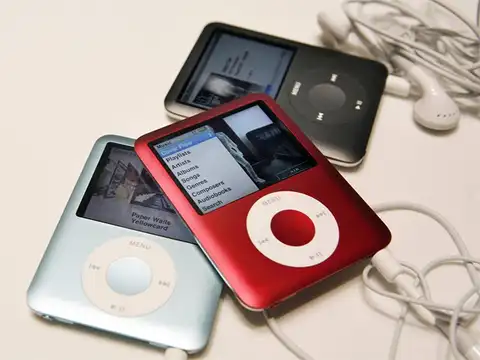
MP3 files was responsible for widespread digital piracy back in the 90s, which hit the music industry pretty badly. Interestingly, when the iPod was unveiled several years ago, Apple offered the AAC format as an option for all music. So it seems like manufacturers always had an inkling about where MP3 was headed.