Xiaomi, the Chinese phonemaker, wants to be an Indian company; in talks to set up plant
The firm is planning to invest in a startup, set up an R&D centre, begin local manufacturing and emerge as India’s No 1 handset player by 2020.

NEW DELHI: Xiaomi, the world's fifth-largest smartphone maker, wants to become an "Indian company" as it looks to invest in a startup, set up an R&D centre, begin local manufacturing and emerge India’s No 1 handset player by 2020.
“The most important market for us in 2015 is India. We want to become an Indian company. So, we want to build an R&D team, manufacture phones, set up data centre in India and invest in ecosystem companies in India,” Lei Jun, founder and CEO of Xiaomi, told ET.
“We have a designated team that works on this project (local manufacturing). We would love to have this happen as early as possible but we need to make sure that quality is not sacrificed,” Lei Jun said. The company is talking to its partners and two state governments for this project, which could take up to two years, that would initially be an assembling unit.
The 45-year-old billionaire and serial entrepreneur, who last visited India 15 years ago, is on a week-long trip to Mumbai and New Delhi. Along with co-founder and company president Bin Lin, he has met top Indian business leaders, startups, customers and retail partners. He also launched the Mi4i, Xiaomi’s first phone to debut outside China, on Thursday.
Counted among the world’s richest people with a net worth of $13.5 billion, Lei Jun founded Xiaomi in 2010. Under Lei Jun, who considers Steve Jobs his idol, Xiaomi crafted a business model which entailed offering high-end smartphones, which resembled Apple’s products, at affordable prices.
Living a Dream: Xiaomi’s Lei Jun
Xiaomi’s products became an instant craze in China, and have since become popular in India and other parts of the world as well. Since launching its first smartphone in August 2011, Xiaomi has taken rapid strides in the smartphone market, becoming the fifth-largest manufacturer in the world and dethroning market leader Samsung in China. The company became the most valuable startup in late 2014 when it raised $1.1 billion at avaluation of over $45 billion.
“It's like living in a dream. I've been in the industry for over 26 years. In the past, there haven't been any industry miracles like this for a few reasons. First, we have a very different business model. Second, the uprising of the smartphone industry, especially in China. Third, we’re very fortunate to have a very strong and talented team,” Lei Jun said. He doesn’t like Xiaomi to be referred to as the ‘Apple of China’ and dismissed talk of the company copying the Cupertino-based iconic device maker.
“I don’t like this. It’s a misperception of Xiaomi from people who don’t know us. First, we’re an Internet company. Second, we have a lot of innovation on hardware and software. We applied for 2,300 patents last year and target 4,000 this year,” Lei Jun said. “In the beginning, people didn’t know us, so they called us Apple copycats, but all of Xiaomi's eight co-founders come from R&D background from Google, Motorola and Microsoft. That's also one of the reasons we've grown so fast in the past five years,” he added.
“The most important market for us in 2015 is India. We want to become an Indian company. So, we want to build an R&D team, manufacture phones, set up data centre in India and invest in ecosystem companies in India,” Lei Jun, founder and CEO of Xiaomi, told ET.
“We have a designated team that works on this project (local manufacturing). We would love to have this happen as early as possible but we need to make sure that quality is not sacrificed,” Lei Jun said. The company is talking to its partners and two state governments for this project, which could take up to two years, that would initially be an assembling unit.
The 45-year-old billionaire and serial entrepreneur, who last visited India 15 years ago, is on a week-long trip to Mumbai and New Delhi. Along with co-founder and company president Bin Lin, he has met top Indian business leaders, startups, customers and retail partners. He also launched the Mi4i, Xiaomi’s first phone to debut outside China, on Thursday.
Counted among the world’s richest people with a net worth of $13.5 billion, Lei Jun founded Xiaomi in 2010. Under Lei Jun, who considers Steve Jobs his idol, Xiaomi crafted a business model which entailed offering high-end smartphones, which resembled Apple’s products, at affordable prices.
Living a Dream: Xiaomi’s Lei Jun
ADVERTISEMENT
Xiaomi’s products became an instant craze in China, and have since become popular in India and other parts of the world as well. Since launching its first smartphone in August 2011, Xiaomi has taken rapid strides in the smartphone market, becoming the fifth-largest manufacturer in the world and dethroning market leader Samsung in China. The company became the most valuable startup in late 2014 when it raised $1.1 billion at avaluation of over $45 billion.
“It's like living in a dream. I've been in the industry for over 26 years. In the past, there haven't been any industry miracles like this for a few reasons. First, we have a very different business model. Second, the uprising of the smartphone industry, especially in China. Third, we’re very fortunate to have a very strong and talented team,” Lei Jun said. He doesn’t like Xiaomi to be referred to as the ‘Apple of China’ and dismissed talk of the company copying the Cupertino-based iconic device maker.
“I don’t like this. It’s a misperception of Xiaomi from people who don’t know us. First, we’re an Internet company. Second, we have a lot of innovation on hardware and software. We applied for 2,300 patents last year and target 4,000 this year,” Lei Jun said. “In the beginning, people didn’t know us, so they called us Apple copycats, but all of Xiaomi's eight co-founders come from R&D background from Google, Motorola and Microsoft. That's also one of the reasons we've grown so fast in the past five years,” he added.
Download
The Economic Times Business News App for the Latest News in Business, Sensex, Stock Market Updates & More.
The Economic Times Business News App for the Latest News in Business, Sensex, Stock Market Updates & More.
Download
The Economic Times News App for Quarterly Results, Latest News in ITR, Business, Share Market, Live Sensex News & More.
The Economic Times News App for Quarterly Results, Latest News in ITR, Business, Share Market, Live Sensex News & More.
Text: Anupam Saxena, TOI Tech
Xiaomi debuted in India with the Mi 3, introducing the market to its premium yet affordable smartphones. The demand outnumbered supply and for reasons only known to the company, it was discontinued a month after it went on sale in limited numbers.
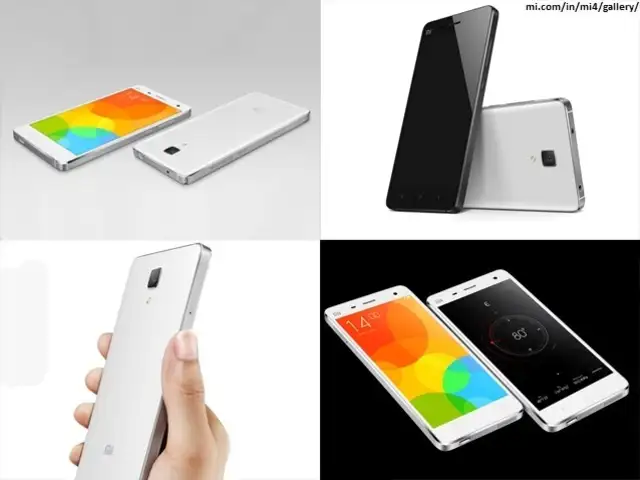
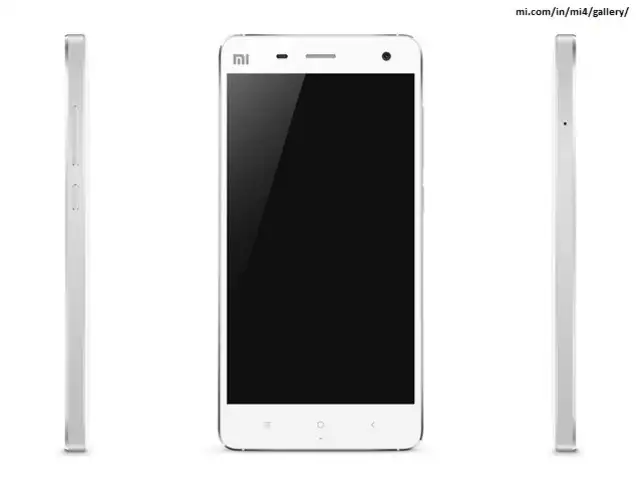
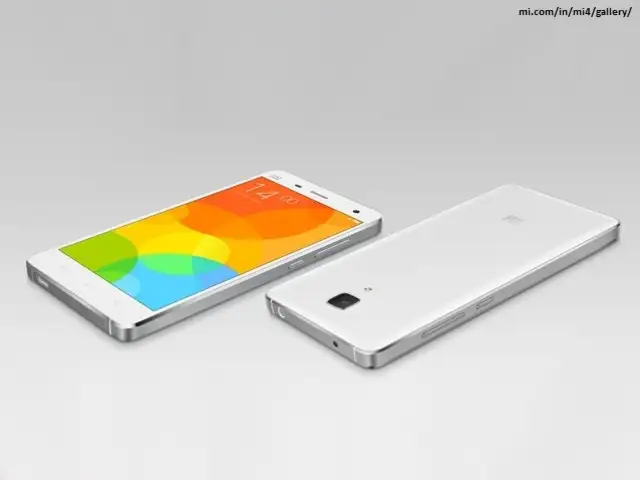
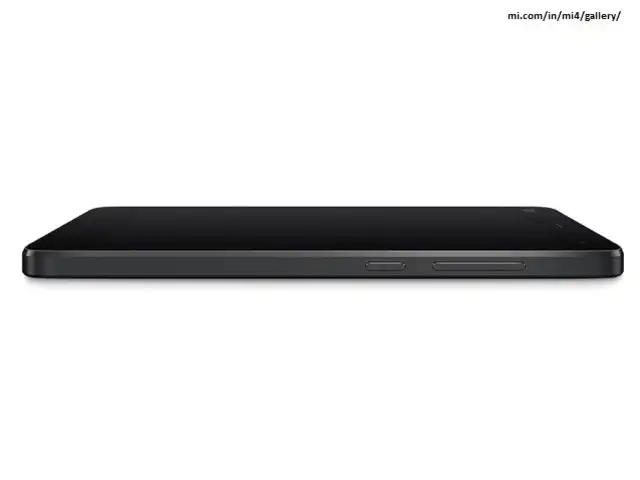
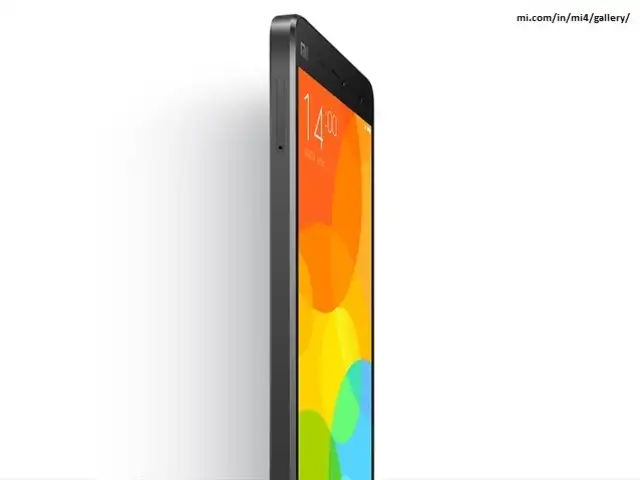
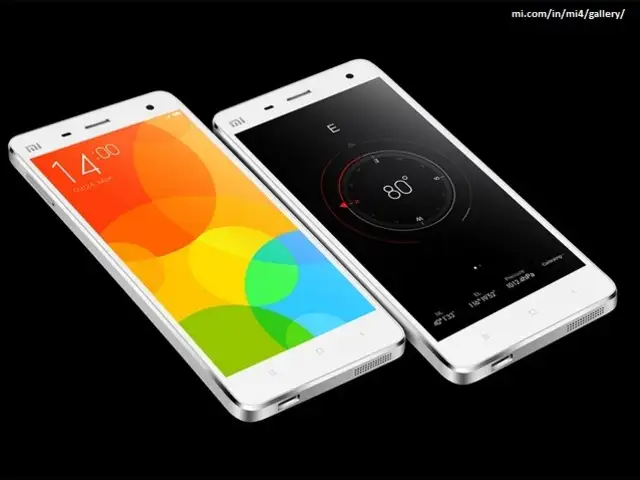
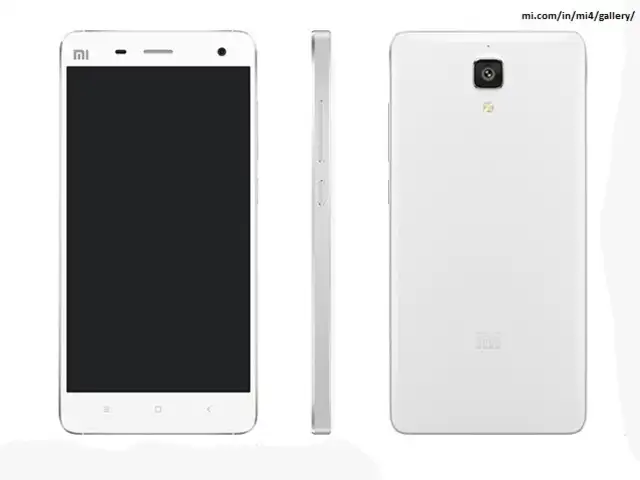
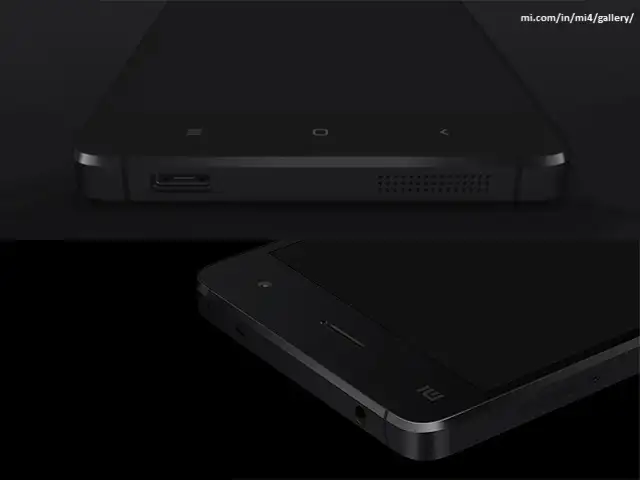
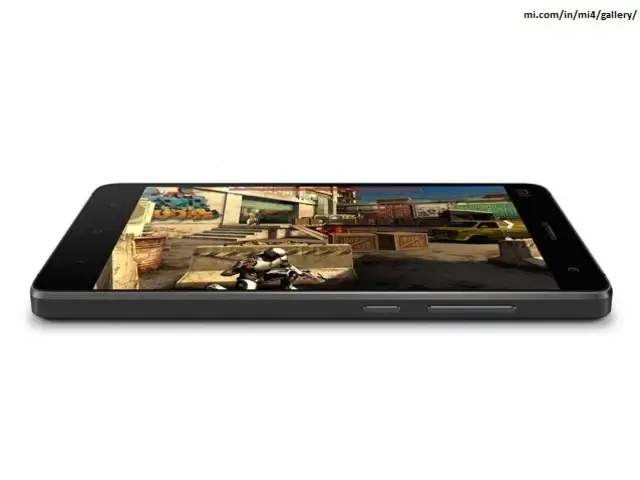
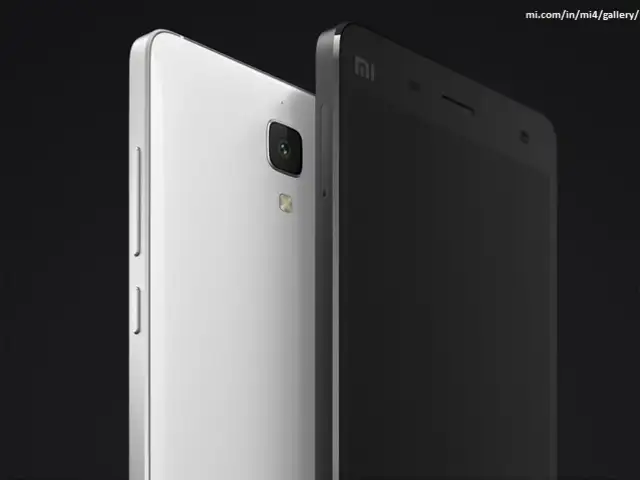
Six months and three budget smartphones later, Xiaomi is bringing its 2014 flagship, the Mi 4 to India. This time, it's not the only one to offer value-for-money high-end smartphones. Also, the phone comes six months after its Chinese debut and is not a major upgrade when compared to the Mi 3.
Will the Chinese device giant find the same success it received with its other phones? We try to find out in our review...
Xiaomi debuted in India with the Mi 3, introducing the market to its premium yet affordable smartphones. The demand outnumbered supply and for reasons only known to the company, it was discontinued a month after it went on sale in limited numbers.
Six months and three budget smartphones later, Xiaomi is bringing its 2014 flagship, the Mi 4 to India. This time, it's not the only one to offer value-for-money high-end smartphones. Also, the phone comes six months after its Chinese debut and is not a major upgrade when compared to the Mi 3.
Will the Chinese device giant find the same success it received with its other phones? We try to find out in our review...

ADVERTISEMENT


