South Korea expands talent visa to scientists, professors
South Korea is rolling out a revamped Top-Tier Visa, now welcoming professors and researchers in science and technology. This move aims to draw top global talent, bolstering the nation's research prowess. Universities and institutes can sponsor el...
By ET Online |

Agencies
South Korea has expanded eligibility for its Top-Tier Visa to include professors and researchers in science and technology, as the country seeks to attract world-class talent and strengthen its research capabilities.
The Ministry of Justice and the Ministry of Science and ICT announced on May 31 that the visa programme, previously limited to employees of companies in advanced industries, will now be open to academics and researchers from June.
The announcement is part of South Korea's broader strategy to recruit highly skilled professionals from overseas and boost innovation in science and technology.
Applicants will undergo a recommendation process led by the Ministry of Science and ICT, followed by screening by the Ministry of Justice.
To qualify, candidates must meet specific criteria related to professional achievements, including awards, research publications, technology commercialisation accomplishments and research experience.
Authorities said individuals considered to have exceptional potential may also be included in the candidate pool through a separate review process.
Visa holders will receive priority support services designed to help them settle in the country, from arrival through long-term integration.
The Ministry of Justice and the Ministry of Science and ICT announced on May 31 that the visa programme, previously limited to employees of companies in advanced industries, will now be open to academics and researchers from June.
The announcement is part of South Korea's broader strategy to recruit highly skilled professionals from overseas and boost innovation in science and technology.
Universities, research institutes to benefit
Under the revised framework, universities, government-funded research institutes and corporate laboratories hiring outstanding foreign researchers will be able to sponsor candidates for the Top-Tier Visa.Applicants will undergo a recommendation process led by the Ministry of Science and ICT, followed by screening by the Ministry of Justice.
To qualify, candidates must meet specific criteria related to professional achievements, including awards, research publications, technology commercialisation accomplishments and research experience.
ADVERTISEMENT
Authorities said individuals considered to have exceptional potential may also be included in the candidate pool through a separate review process.
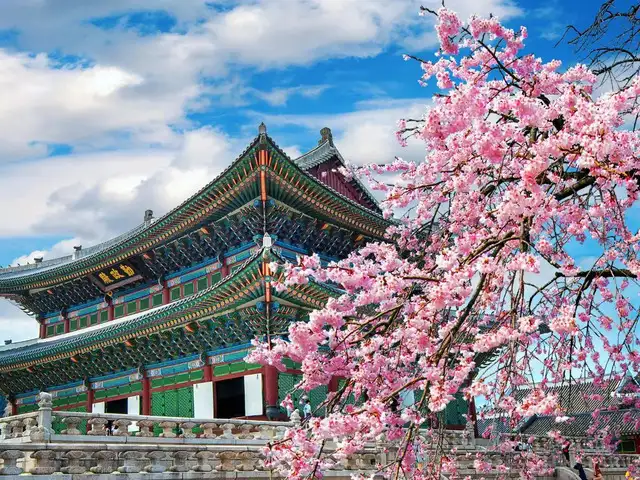
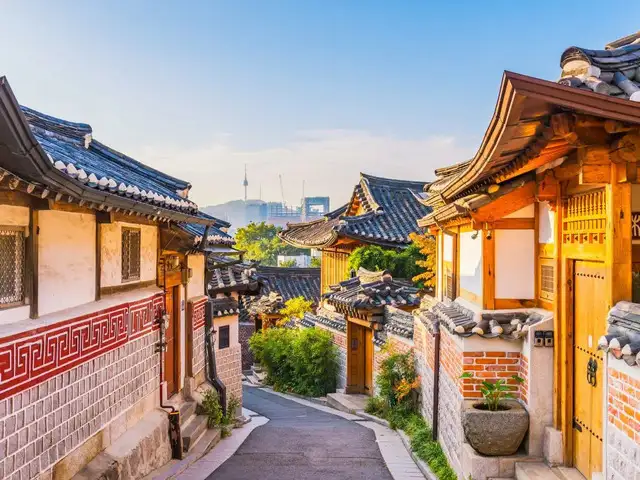
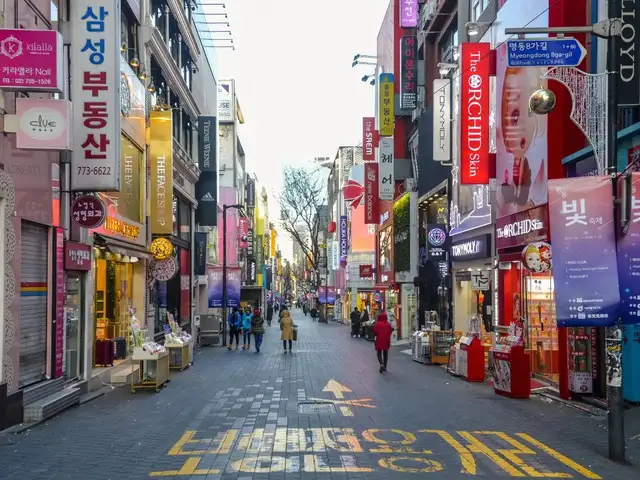
South Korea has become one of Asia’s most popular travel destinations, known for its modern cities, efficient transport, food culture and global pop culture influence. But first-time visitors may still find certain local customs, travel systems and everyday habits unfamiliar. From using the right navigation apps and understanding restaurant etiquette to planning around busy holidays, a little preparation can make travelling across South Korea much easier. Here are six important things travellers should know before visiting the country.




Goal to attract 2,000 experts by 2030
The South Korean government has set a target of attracting 2,000 high-calibre science and technology professionals from abroad by 2030.Visa holders will receive priority support services designed to help them settle in the country, from arrival through long-term integration.
ADVERTISEMENT
The government believes the expanded programme will help address growing competition for global talent and strengthen South Korea's position as a research and innovation hub.Boost for research sector
Minister of Justice Jung Sung-ho said the policy changes are expected to help attract leading international talent and enhance the capabilities of research institutions.ADVERTISEMENT
"These policy improvements are expected to help attract top talent in science and technology from abroad and boost the research capabilities of think tanks," Jung said.Download
The Economic Times Business News App for the Latest News in Business, Sensex, Stock Market Updates & More.
The Economic Times Business News App for the Latest News in Business, Sensex, Stock Market Updates & More.
Related Articles
 US cracks down on 'birth tourism' networks, revokes hundreds of visas
ADVERTISEMENT


