Germany cuts visa processing time for Indian skilled workers from 9 months to 2 weeks
The German government has dramatically reduced the processing time for long-term visas for Indian skilled workers, from nine months to just two weeks. This change, confirmed by Foreign Minister Annalena Baerbock, aims to address labor shortages by...
By ET Online |

ET Online
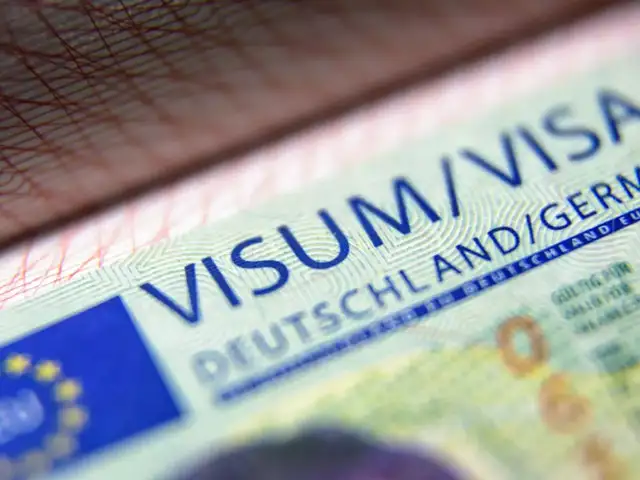
The German government has significantly reduced the visa processing time for Indian foreign skilled workers. The waiting period for long-term visas has been shortened from nine months to just two weeks, as per a report by Schengen Visa news.
The news was confirmed by the German Foreign Minister, who also pointed out that her government aims to reduce the waiting time for 400,000 people who are affected by long waiting times when they apply for national visas, the report says.
Germany’s Foreign Minister Annalena Baerbock said that the Federal Agency for Foreign Affairs is the biggest visa office for national visas worldwide already today. “And we urgently need skilled workers also here who can continue to support this. In India, in Delhi, we have thus been able to reduce waiting times for national visas to two weeks. That used to take nine months.”
German businesses rely on swift visa issuance to address labor shortages, especially for training programs and conferences. Similarly, Indian firms investing in Germany depend on prompt visa processing to ensure their specialists can be dispatched to the EU country without delay.
Germany is in urgent need of new workers, as the German Institute (IW) reported 570,000 job vacancies in 2023. This shortage is impacting the country’s economy, which could improve and grow more rapidly with a larger workforce.
Faster visa processing would enable workers to come to Germany and help rejuvenate its economy, which is currently struggling. According to IW, the potential loss in production is projected to hit €74 billion by 2027.
According to the Federal Foreign Office, Germany has granted 80,000 visas for employment purposes between January and June of 2024, Schengen visa news report says.
Skilled workers were the main beneficiaries of national visas for this period, as half of the visas (40,000) were granted to this group. That is 3,000 more visas than in the first half of 2023.

The news was confirmed by the German Foreign Minister, who also pointed out that her government aims to reduce the waiting time for 400,000 people who are affected by long waiting times when they apply for national visas, the report says.
Germany’s Foreign Minister Annalena Baerbock said that the Federal Agency for Foreign Affairs is the biggest visa office for national visas worldwide already today. “And we urgently need skilled workers also here who can continue to support this. In India, in Delhi, we have thus been able to reduce waiting times for national visas to two weeks. That used to take nine months.”
German businesses rely on swift visa issuance to address labor shortages, especially for training programs and conferences. Similarly, Indian firms investing in Germany depend on prompt visa processing to ensure their specialists can be dispatched to the EU country without delay.
Germany is in urgent need of new workers, as the German Institute (IW) reported 570,000 job vacancies in 2023. This shortage is impacting the country’s economy, which could improve and grow more rapidly with a larger workforce.
Faster visa processing would enable workers to come to Germany and help rejuvenate its economy, which is currently struggling. According to IW, the potential loss in production is projected to hit €74 billion by 2027.
ADVERTISEMENT
According to the Federal Foreign Office, Germany has granted 80,000 visas for employment purposes between January and June of 2024, Schengen visa news report says.
Skilled workers were the main beneficiaries of national visas for this period, as half of the visas (40,000) were granted to this group. That is 3,000 more visas than in the first half of 2023.
Germany, in the recent months, has implemented a slew of changes that are going to make it easy for skilled labour to live in the country. The government has announced reforms to make Germany more appealing, allowing foreign workers with EU Blue Cards awaiting approval qualifications to work here with the ability to stay for up to three years.






Download
The Economic Times Business News App for the Latest News in Business, Sensex, Stock Market Updates & More.
The Economic Times Business News App for the Latest News in Business, Sensex, Stock Market Updates & More.
ADVERTISEMENT


