Tokyo’s coolest neighborhood? There isn’t one
Tokyo's coolest neighborhoods are a moving target. While some lists highlight areas like Jimbocho, the author argues that true coolness is subjective. The city's appeal lies in its diverse districts, from leafy suburbs to bustling hubs. Tourists c...
By Bloomberg |

iStock
It’s fair to say that Tokyo has some of the world’s hippest neighborhoods.
But I wasn’t the only one to raise an eyebrow when Time Out magazine declared Jimbocho to be not just the coolest in the Japanese capital, but in the entire world.
Jimbocho? Really? The place with the bookstores and ski shops?
Look, as areas go, it’s perfectly lovely. Nestled in between the northeast side of the Imperial Palace and the Kanda River, it boasts over 100 bookshops and perhaps the capital’s best curry. It has a pleasing mix of modern and classic, exemplified by the mash-up of artisanal cafes and traditional kissa coffee shops. The student-heavy crowd means it has a youthful skew, while Yasukuni Shrine, the Nippon Budokan arena and the Tokyo Dome stadium are all within walking distance.
But other parts of the capital have all that and more. Fundamentally, what even is a “coolest” neighborhood? Who gets to arbitrate these things?
Tokyo has been featuring in these lists for years. But it wasn’t until the late ’90s or early 2000s that global images began to shift from Blade Runner-style neon skyscrapers to the city’s walkable districts. Japan was, for most, still unknown back then — and like all things that are trendy, the foremost requirement is that I, the writer, know the subject more intimately than anyone else.
This seems to have set off a game of brinkmanship as hip areas are discovered by the masses, forcing trendsetters to move to ever more obscure ones. Coverage once focused on the likes of Shimokitazawa, Koenji or Kichijoji, offbeat hipster districts with indie music venues and plenty of flavor. Over time, coverage moved to the likes of the upscale-yet-still-cool Daikanyama (for reasons that baffle me sometimes known in tourist literature as “Little Brooklyn”) or nearby Nakameguro — though by 2019, when Harry Styles of One Direction was living there and reading Haruki Murakami (so passe!), you knew things had moved on.
More recently, attention has shifted to the likes of Tomigaya, a leafy suburb near Shibuya, or the lively Sangenjaya. These days, local magazines often rave about areas east of Tokyo, such as Kuramae or the coffee oasis of Kiyosumi-Shirakawa.
I don’t know what deems these places cool, but I know it when I see it. It seems to involve some combination of lively but not busy, near a major transport hub but not part of one. They need to be walkable and local, but not overly residential, with rents low enough to attract artisanal coffee shops, vintage clothing stores and record shops. Not being a coffee snob, fashionista or audiophile, I have never quite understood this, though I will accept that they seem to draw in a certain kind of clientele — the artists, DJs and part-time models of the likes seen in the karaoke scene of Lost in Translation. There can’t be too many people who are rich enough to afford fancy cars, but there definitely can’t be many genuinely working-class people. And once foreign tourists arrive with their backpacks and cargo shorts, we have to decamp and find a new one.
And we know the areas that are not. Hiroo or Azabu are desirable places to live, but too full of wealthy expats. Somewhere like Kita-Senju is too authentic, too day-to-day Japanese. Roppongi was perhaps once trendy, but only with a certain type of banker or clubber. The artificial islands of Odaiba and Toyosu won’t be in vogue for decades, if ever. Ueno is too lowbrow; Nishi-Shinjuku too sterile. Others are trendsetting but not cool — think the 2000s image of Harajuku as a global fashion center (these days much too commercial).
As a long-suffering Shibuya resident, if these lists help disperse tourists to some under-appreciated areas, then so much the better. But Tokyo can’t be reduced to a single trendy suburb: What’s appealing is precisely the incongruity of its locales. What I like about a place like Shibuya is how you can literally cross a street and go from a grungy back alley of clubs and suspicious head shops to a leafy upscale residential enclave of chief executives and politicians. The main thoroughfares might be packed with tourists, but they rarely find the tucked-away lanes or Japan’s greatest secret — the tiny bars and local spots stacked vertically in the upper reaches of midsize mixed-use buildings.
And most importantly, you can walk in one direction and be in leafy Tomigaya or Yoyogi Koen in minutes. Head in another, and you’ll encounter the hidden boutiques of Daikanyama, the upscale shopping of Aoyama and Omotesando, the trendy bars of Ebisu or the up-and-coming Ikejiri-Ohashi. Its these differences that make Tokyo special — and the ease of travel means you can decamp to another area if one becomes overrun.
So give up trying to find the single coolest Tokyo neighborhood, because there isn’t one. Though frankly, even if there was, I’d keep it to myself.
But I wasn’t the only one to raise an eyebrow when Time Out magazine declared Jimbocho to be not just the coolest in the Japanese capital, but in the entire world.
Jimbocho? Really? The place with the bookstores and ski shops?
Look, as areas go, it’s perfectly lovely. Nestled in between the northeast side of the Imperial Palace and the Kanda River, it boasts over 100 bookshops and perhaps the capital’s best curry. It has a pleasing mix of modern and classic, exemplified by the mash-up of artisanal cafes and traditional kissa coffee shops. The student-heavy crowd means it has a youthful skew, while Yasukuni Shrine, the Nippon Budokan arena and the Tokyo Dome stadium are all within walking distance.
But other parts of the capital have all that and more. Fundamentally, what even is a “coolest” neighborhood? Who gets to arbitrate these things?
Tokyo has been featuring in these lists for years. But it wasn’t until the late ’90s or early 2000s that global images began to shift from Blade Runner-style neon skyscrapers to the city’s walkable districts. Japan was, for most, still unknown back then — and like all things that are trendy, the foremost requirement is that I, the writer, know the subject more intimately than anyone else.
ADVERTISEMENT
This seems to have set off a game of brinkmanship as hip areas are discovered by the masses, forcing trendsetters to move to ever more obscure ones. Coverage once focused on the likes of Shimokitazawa, Koenji or Kichijoji, offbeat hipster districts with indie music venues and plenty of flavor. Over time, coverage moved to the likes of the upscale-yet-still-cool Daikanyama (for reasons that baffle me sometimes known in tourist literature as “Little Brooklyn”) or nearby Nakameguro — though by 2019, when Harry Styles of One Direction was living there and reading Haruki Murakami (so passe!), you knew things had moved on.
More recently, attention has shifted to the likes of Tomigaya, a leafy suburb near Shibuya, or the lively Sangenjaya. These days, local magazines often rave about areas east of Tokyo, such as Kuramae or the coffee oasis of Kiyosumi-Shirakawa.
I don’t know what deems these places cool, but I know it when I see it. It seems to involve some combination of lively but not busy, near a major transport hub but not part of one. They need to be walkable and local, but not overly residential, with rents low enough to attract artisanal coffee shops, vintage clothing stores and record shops. Not being a coffee snob, fashionista or audiophile, I have never quite understood this, though I will accept that they seem to draw in a certain kind of clientele — the artists, DJs and part-time models of the likes seen in the karaoke scene of Lost in Translation. There can’t be too many people who are rich enough to afford fancy cars, but there definitely can’t be many genuinely working-class people. And once foreign tourists arrive with their backpacks and cargo shorts, we have to decamp and find a new one.
And we know the areas that are not. Hiroo or Azabu are desirable places to live, but too full of wealthy expats. Somewhere like Kita-Senju is too authentic, too day-to-day Japanese. Roppongi was perhaps once trendy, but only with a certain type of banker or clubber. The artificial islands of Odaiba and Toyosu won’t be in vogue for decades, if ever. Ueno is too lowbrow; Nishi-Shinjuku too sterile. Others are trendsetting but not cool — think the 2000s image of Harajuku as a global fashion center (these days much too commercial).
ADVERTISEMENT
As a long-suffering Shibuya resident, if these lists help disperse tourists to some under-appreciated areas, then so much the better. But Tokyo can’t be reduced to a single trendy suburb: What’s appealing is precisely the incongruity of its locales. What I like about a place like Shibuya is how you can literally cross a street and go from a grungy back alley of clubs and suspicious head shops to a leafy upscale residential enclave of chief executives and politicians. The main thoroughfares might be packed with tourists, but they rarely find the tucked-away lanes or Japan’s greatest secret — the tiny bars and local spots stacked vertically in the upper reaches of midsize mixed-use buildings.
And most importantly, you can walk in one direction and be in leafy Tomigaya or Yoyogi Koen in minutes. Head in another, and you’ll encounter the hidden boutiques of Daikanyama, the upscale shopping of Aoyama and Omotesando, the trendy bars of Ebisu or the up-and-coming Ikejiri-Ohashi. Its these differences that make Tokyo special — and the ease of travel means you can decamp to another area if one becomes overrun.
ADVERTISEMENT
So give up trying to find the single coolest Tokyo neighborhood, because there isn’t one. Though frankly, even if there was, I’d keep it to myself.
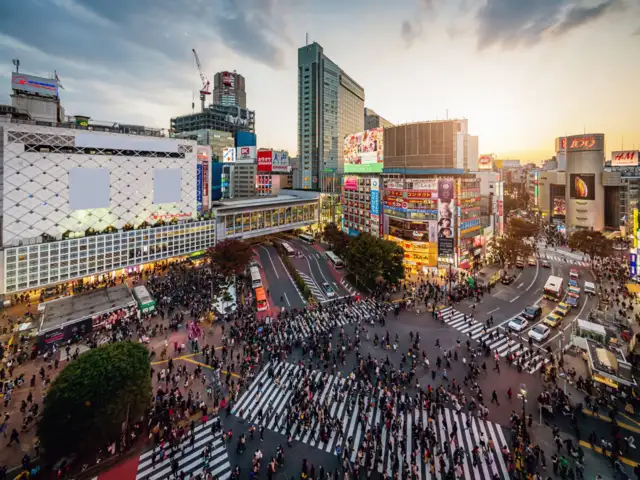
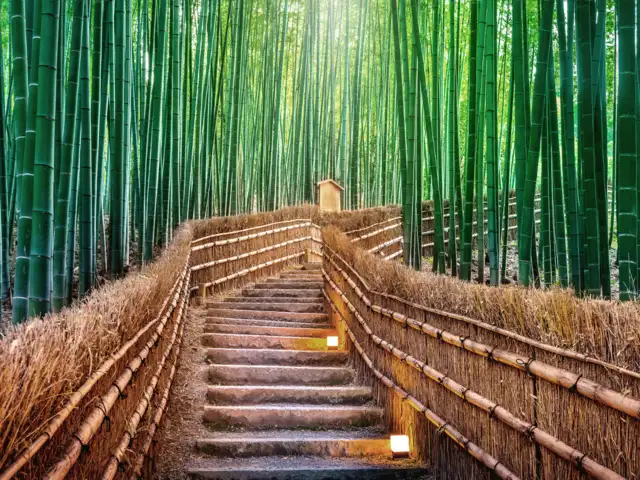
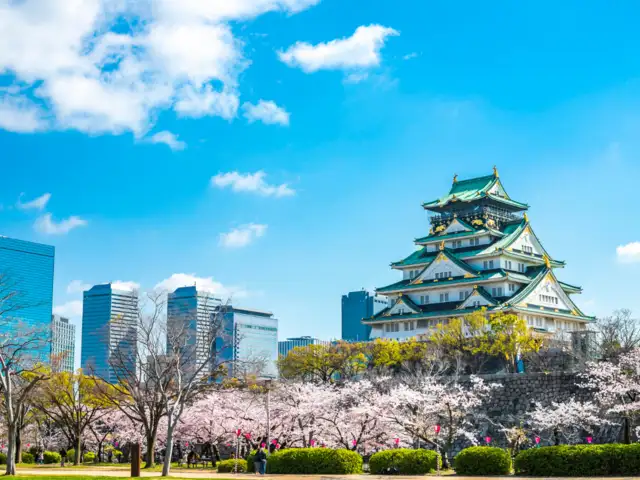
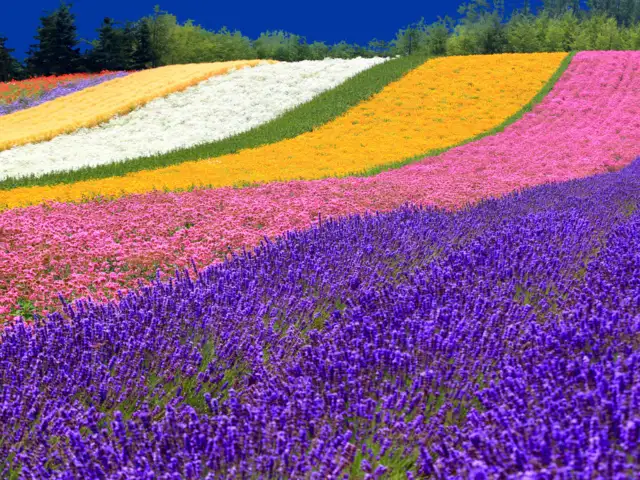
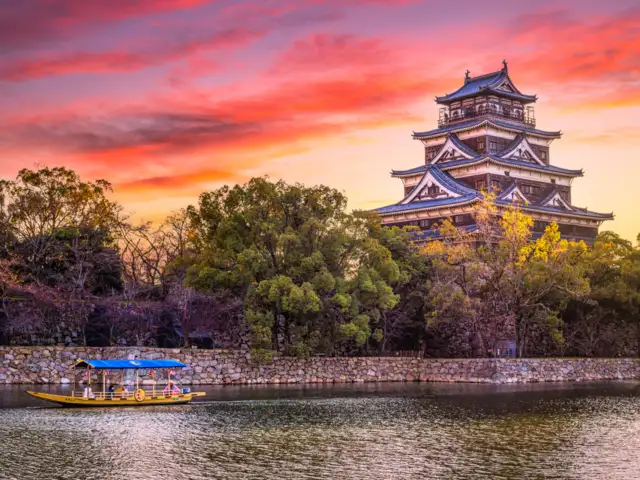
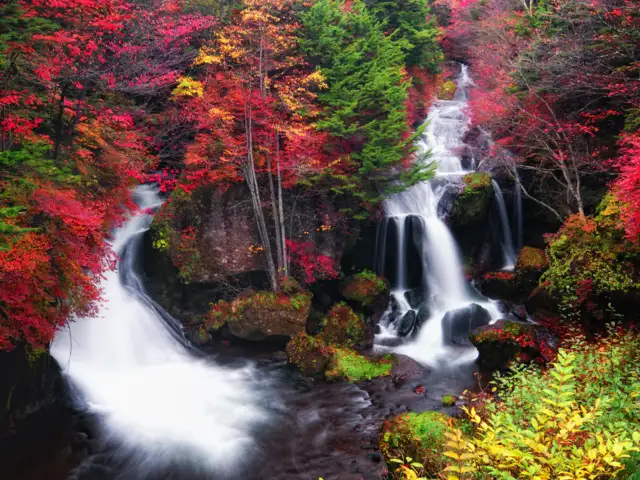
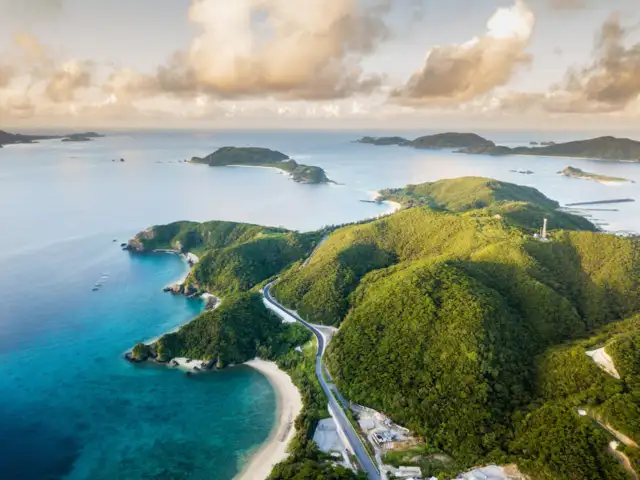
Japan is a country rich in history, culture, and natural beauty. From bustling cities to serene landscapes, here are seven places you can't miss on your trip to Japan, along with a suggested itinerary for each destination.

Download
The Economic Times Business News App for the Latest News in Business, Sensex, Stock Market Updates & More.
The Economic Times Business News App for the Latest News in Business, Sensex, Stock Market Updates & More.
ADVERTISEMENT


