This city in Japan will fine you for leaving unfinished food on your plate
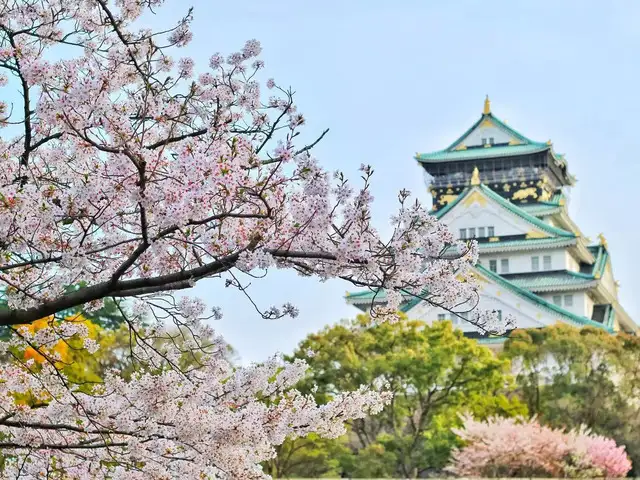
Osaka is introducing strict zero-waste dining rules. Diners may face a ¥10,000 charge for leaving food unfinished. This move reflects a deep-rooted cultural belief in the city. The philosophy emphasizes gratitude for food and mindful consumption. ...
By ET Online | Updated:

Agencies
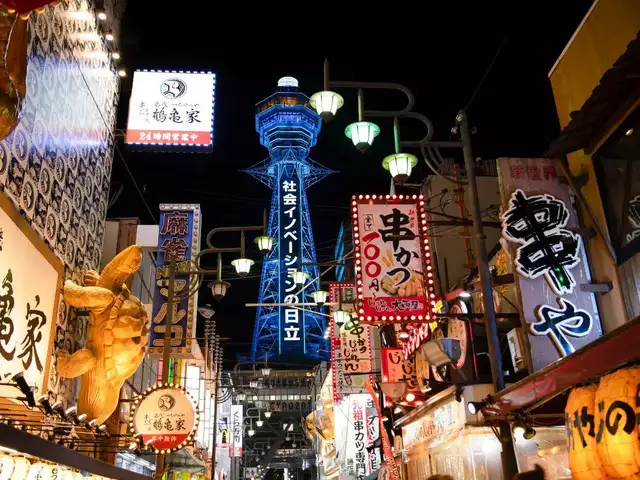
Osaka is tightening its zero-waste dining rules with measures that could leave diners facing a ¥10,000 (USD 65) charge if they leave food unfinished, as reported by Conde Nast Traveller. The move formalises a long-held cultural belief in the city, where wasting ingredients has traditionally been viewed as disrespectful to nature and to the people who prepare the meal.
Researchers say the philosophy is rooted in generations of food habits that emphasise gratitude and mindful consumption. “In Osaka, people say mottainai, meaning ‘what a waste.’ It’s a word that reflects gratitude for the food’s life and labour behind it,” told food culture researcher Mana Kumagai to CN Traveller. “To use every part of an ingredient is not only about avoiding waste, but also about revering nature and thanking it for nourishment. It’s a food culture that values ‘don’t waste, make it tasty’.”
The city’s well-known dishes are based on reusing scraps, from outer cabbage leaves in okonomiyaki to affordable cuts of octopus in takoyaki.
Young chefs are carrying this ethos into modern kitchens. At The St Regis Osaka, Chef Takato Kitano follows a nose-to-tail approach to eel preparation. “Keeping the head on, and grilling it without steaming, brings out a beautifully aromatic flavour and a distinctive texture,” he said. “There is also a cultural belief in Kansai that fish are best served whole, with both head and tail intact.”
Some restaurants are applying sharper deterrents. In Suita City, ramen shop owner Kudo-san collects a ¥10,000 deposit from customers who order oversized bowls. The money is returned only if they finish the dish. “The customers enjoy it and understand the system. In the end I think it was a good idea to do it,” he said in an interview.
Researchers say the philosophy is rooted in generations of food habits that emphasise gratitude and mindful consumption. “In Osaka, people say mottainai, meaning ‘what a waste.’ It’s a word that reflects gratitude for the food’s life and labour behind it,” told food culture researcher Mana Kumagai to CN Traveller. “To use every part of an ingredient is not only about avoiding waste, but also about revering nature and thanking it for nourishment. It’s a food culture that values ‘don’t waste, make it tasty’.”
The city’s well-known dishes are based on reusing scraps, from outer cabbage leaves in okonomiyaki to affordable cuts of octopus in takoyaki.
Young chefs are carrying this ethos into modern kitchens. At The St Regis Osaka, Chef Takato Kitano follows a nose-to-tail approach to eel preparation. “Keeping the head on, and grilling it without steaming, brings out a beautifully aromatic flavour and a distinctive texture,” he said. “There is also a cultural belief in Kansai that fish are best served whole, with both head and tail intact.”
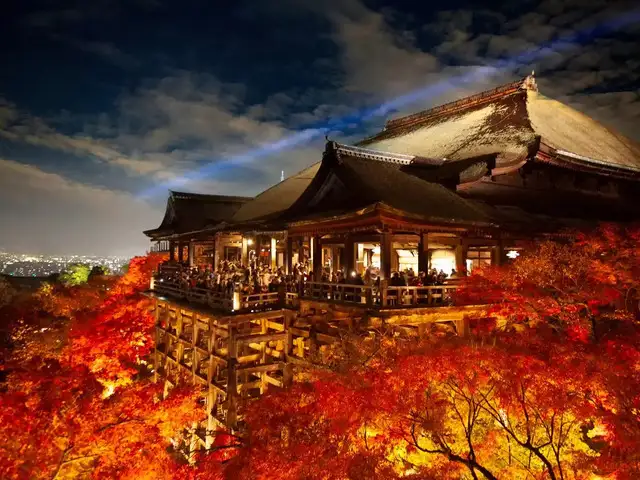
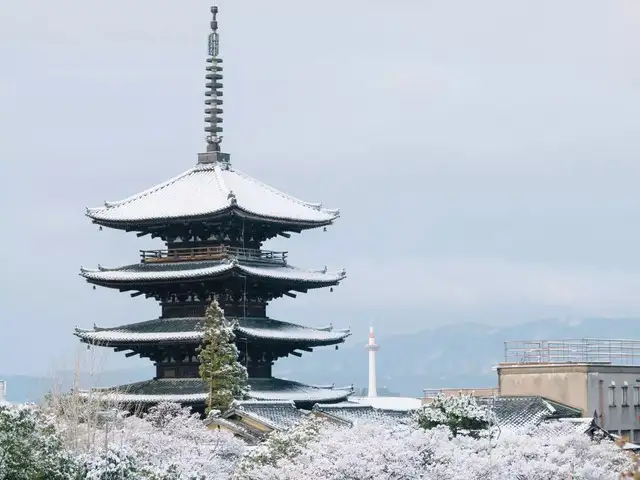
Japan is also known as the land of cherry blossoms. To fully appreciate its beauty and culture, visitors should be mindful of essential travel etiquette, such as respecting local customs, mastering public transport efficiency, and understanding the importance of silence and cleanliness in public spaces.

Some restaurants are applying sharper deterrents. In Suita City, ramen shop owner Kudo-san collects a ¥10,000 deposit from customers who order oversized bowls. The money is returned only if they finish the dish. “The customers enjoy it and understand the system. In the end I think it was a good idea to do it,” he said in an interview.
Download
The Economic Times Business News App for the Latest News in Business, Sensex, Stock Market Updates & More.
The Economic Times Business News App for the Latest News in Business, Sensex, Stock Market Updates & More.
Related Articles
 India initiates anti-dumping investigation into steel imports from China, Japan, Russia2026-06-26T18:52:48Z
- FIFA World Cup 2026: Japan vows to give 'everything we've got' against Brazil in blockbuster last-32 clash2026-06-26T16:48:00Z
- Assam, Japan agree to deepen partnership across key sectors2026-06-26T14:40:14Z
ADVERTISEMENT


