Thailand reverses afternoon alcohol ban days after enforcing strict penalties
Thailand has reversed its afternoon alcohol sales ban, reopening sales between 2 p.m. and 5 p.m. as a six-month pilot from early December. This U-turn aims to support the vital tourism sector and hospitality operators, especially ahead of the holi...
By ET Online |

Agencies
Thailand has reversed its afternoon alcohol ban just days after stricter rules took effect, reopening sales between 2 p.m. and 5 p.m. from early December, as per a Bloomberg report. The measure will run as a six-month pilot and could be extended beyond mid-2026, Public Health Minister Pattana Promphat told reporters after a meeting of the liquor control committee.
Reversal aims to support tourism
The U-turn follows strong objections from the tourism sector and bar owners. Although the afternoon prohibition dates back to 1972, it had mainly applied to retail shops. Authorities attempted to enforce it more widely this month, drawing criticism from businesses already facing a slowdown in foreign arrivals.
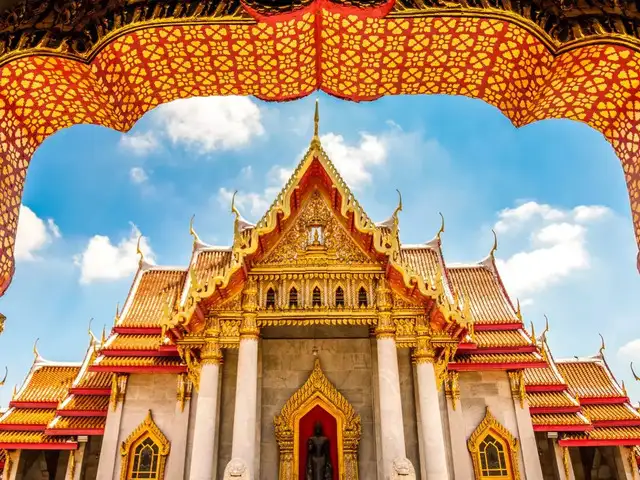
The government’s latest decision comes as Thailand prepares for the holiday season. Tourism remains a key pillar of the economy, contributing about one-fifth of national output. Allowing afternoon sales is expected to support visitor spending and offer relief to hospitality operators during a crucial travel period.
These changes come after a major tightening of alcohol rules under the amended Alcoholic Beverage Control Act (No. 2) B.E. 2568, which came into force on November 8. Under the new law, not only sellers but consumers could have been fined, up to 10,000 baht (about Rs 27,500), for drinking during prohibited hours.
The restrictions cover consumption between midnight and 11 a.m., and again from 2 p.m. to 5 p.m., though licensed hotels, entertainment venues, and certain tourist establishments remain exempt.
In addition, the law introduced tighter controls on alcohol advertising: celebrity endorsements, influencer campaigns, and sponsorships are now banned.
Reversal aims to support tourism
The U-turn follows strong objections from the tourism sector and bar owners. Although the afternoon prohibition dates back to 1972, it had mainly applied to retail shops. Authorities attempted to enforce it more widely this month, drawing criticism from businesses already facing a slowdown in foreign arrivals.The government’s latest decision comes as Thailand prepares for the holiday season. Tourism remains a key pillar of the economy, contributing about one-fifth of national output. Allowing afternoon sales is expected to support visitor spending and offer relief to hospitality operators during a crucial travel period.

Thailand continues to be a top international destination for Indian travelers, with recent tourism trends showing a sharp rise in visits. Known for its rich cultural heritage, scenic landscapes, and vibrant street life, the Southeast Asian nation has become a preferred getaway for tourists seeking both relaxation and adventure.
These changes come after a major tightening of alcohol rules under the amended Alcoholic Beverage Control Act (No. 2) B.E. 2568, which came into force on November 8. Under the new law, not only sellers but consumers could have been fined, up to 10,000 baht (about Rs 27,500), for drinking during prohibited hours. Thailand continues to be a top international destination for Indian travelers, with recent tourism trends showing a sharp rise in visits. Known for its rich cultural heritage, scenic landscapes, and vibrant street life, the Southeast Asian nation has become a preferred getaway for tourists seeking both relaxation and adventure.




The restrictions cover consumption between midnight and 11 a.m., and again from 2 p.m. to 5 p.m., though licensed hotels, entertainment venues, and certain tourist establishments remain exempt.
In addition, the law introduced tighter controls on alcohol advertising: celebrity endorsements, influencer campaigns, and sponsorships are now banned.
ADVERTISEMENT
Download
The Economic Times Business News App for the Latest News in Business, Sensex, Stock Market Updates & More.
The Economic Times Business News App for the Latest News in Business, Sensex, Stock Market Updates & More.
Related Articles
 2,65,00,000 crore foreign tourists in four months: This country became the world’s second-most visited after France, and it’s not Thailand or Vietnam2026-06-17T11:12:09Z
- India-Thailand discuss deepening defence R&D; focus on Indo-Pacific security situation2026-06-17T07:00:58Z
- “I have never gone out without a man”: Indian househelp spends a day alone in Thailand and returns with new friends2026-06-16T09:11:54Z
ADVERTISEMENT


