Portugal is facing suspension from the Schengen Zone. Here's what you need to know if you have a trip planned
Travelers eyeing Portugal must be aware of the EU's pressure on the country to implement a new border control system by July 2024, or face suspension from the Schengen Area. Delays attributed to bureaucratic hurdles and financial constraints highl...
By ET Online |

iStock
Travelers eyeing Portugal as their next destination should stay informed about a developing situation that could impact their plans. The European Union (EU) is pressing Portugal to implement a new border control system by July 2024. Failure to meet this deadline could result in Portugal's suspension from the Schengen Area.
Portugal faces a critical juncture as it races to avoid suspension from the Schengen Area due to delays in implementing new EU-mandated border control systems. The urgency stems from the need to have these systems fully operational and validated by July, a deadline that, if missed, could significantly impact Portuguese tourism and EU relations.
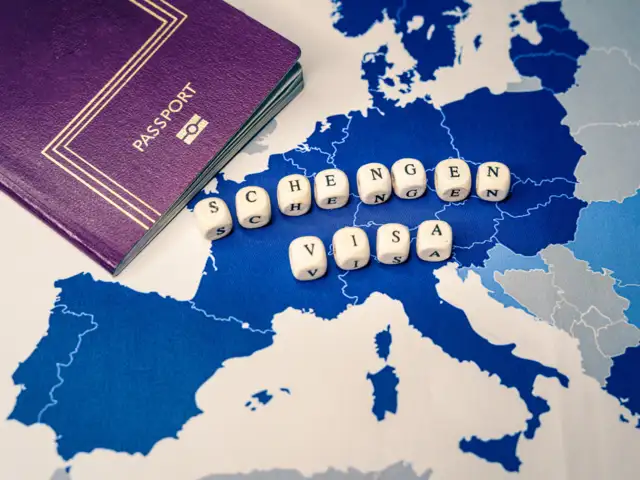
The Schengen Area consists of 26 European countries that have eliminated internal border controls, allowing passport-free travel across member states. This seamless travel is a significant advantage for Portugal's tourism sector. However, a suspension could introduce stricter border controls, longer wait times, and additional checks for travelers entering or leaving Portugal.
Minister of the Presidency, António Leitão Amaro, expressed serious concerns about the potential suspension, attributing the delay to the previous administration led by António Costa. Despite a €25 million budget sanctioned in March for the new frontier control system, the procurement process was not initiated, leading to the current scramble to meet the deadline.
Efforts are now focused on expediting the procurement process through direct contracts. This approach, however, has faced criticism for alleged favoritism and inefficiency. The urgency is compounded by bureaucratic hurdles, including necessary evaluations by the Accounts Court, and financial constraints.
The European Union is closely monitoring Portugal's progress, evident from a recent video conference between Paulo Viseu Pinheiro, head of Portugal's internal security system, and the EU's Director-General of Internal Affairs. This scrutiny underscores the high stakes involved.
Despite efforts to meet the EU's requirements, including a budget allocation of €25 million for the new system, Portugal is grappling with bureaucratic and financial hurdles. Minister of the Presidency, António Leitão Amaro, has acknowledged these challenges, attributing delays to the previous administration. The government is now expediting the procurement process through direct contracts, although this approach has faced criticism for perceived favoritism and inefficiency.
The EU is closely monitoring Portugal's progress, with recent discussions between Portuguese and EU officials underscoring the urgency of the situation. There is cautious optimism that Portugal might be ready by October, but the risk of missing the July deadline remains.
Travelers with plans to visit Portugal should keep a close watch on this situation. While a suspension is not yet certain, staying informed is crucial. Here are some steps to take:
Portugal faces a critical juncture as it races to avoid suspension from the Schengen Area due to delays in implementing new EU-mandated border control systems. The urgency stems from the need to have these systems fully operational and validated by July, a deadline that, if missed, could significantly impact Portuguese tourism and EU relations.
The Schengen Area consists of 26 European countries that have eliminated internal border controls, allowing passport-free travel across member states. This seamless travel is a significant advantage for Portugal's tourism sector. However, a suspension could introduce stricter border controls, longer wait times, and additional checks for travelers entering or leaving Portugal.
Minister of the Presidency, António Leitão Amaro, expressed serious concerns about the potential suspension, attributing the delay to the previous administration led by António Costa. Despite a €25 million budget sanctioned in March for the new frontier control system, the procurement process was not initiated, leading to the current scramble to meet the deadline.
Efforts are now focused on expediting the procurement process through direct contracts. This approach, however, has faced criticism for alleged favoritism and inefficiency. The urgency is compounded by bureaucratic hurdles, including necessary evaluations by the Accounts Court, and financial constraints.
The European Union is closely monitoring Portugal's progress, evident from a recent video conference between Paulo Viseu Pinheiro, head of Portugal's internal security system, and the EU's Director-General of Internal Affairs. This scrutiny underscores the high stakes involved.
ADVERTISEMENT
Are you planning a trip to Portugal?
The consequences of a Schengen suspension would extend beyond inconvenience at borders. Travelers might face new visa requirements and additional scrutiny, disrupting travel plans and creating uncertainty for those intending to visit Portugal.Despite efforts to meet the EU's requirements, including a budget allocation of €25 million for the new system, Portugal is grappling with bureaucratic and financial hurdles. Minister of the Presidency, António Leitão Amaro, has acknowledged these challenges, attributing delays to the previous administration. The government is now expediting the procurement process through direct contracts, although this approach has faced criticism for perceived favoritism and inefficiency.
The EU is closely monitoring Portugal's progress, with recent discussions between Portuguese and EU officials underscoring the urgency of the situation. There is cautious optimism that Portugal might be ready by October, but the risk of missing the July deadline remains.
Travelers with plans to visit Portugal should keep a close watch on this situation. While a suspension is not yet certain, staying informed is crucial. Here are some steps to take:
ADVERTISEMENT
- Monitor Updates: Regularly check news sources and updates from the Portuguese embassy or consulate in your home country for the latest information.
- Stay Flexible: Be prepared for potential changes in travel plans, including possible delays and additional checks at the border.
- Check Visa Requirements: If a suspension occurs, ensure you understand any new visa requirements or travel restrictions that may be implemented.
If you are entering the Schengen Area from a country where there is no visa-free travel agreement, you need to apply for a Schengen visa. The four main Schengen Visa types—A, B, C, and D—are available for these.
The most common kind of Schengen visa, known as a Uniform Schengen Visa, encompasses kinds A, B, and C and allows you to visit any Schengen Zone country once every six months for up to 90 days. It also gives you access to your airport transit visa. If you're traveling to Europe for a short time, you will require this visa.





Download
The Economic Times Business News App for the Latest News in Business, Sensex, Stock Market Updates & More.
The Economic Times Business News App for the Latest News in Business, Sensex, Stock Market Updates & More.
ADVERTISEMENT


