Planning your dream Japan trip? New fees and restrictions are quietly stacking up
Japan is seeing a sharp rise in interest from Indian travellers, with demand spreading beyond the cherry blossom season into winter and year-round cultural travel. According to Cox & Kings, winter travel to Japan grew 15% year-on-year, driven by i...
By ET Online | Updated:

iStock
Japan’s rise as a must-visit destination has been swift and striking, especially among Indian travellers. From winter light festivals to slow cultural travel, the country is seeing demand spread across the calendar. But as Japan finds itself firmly on global bucket lists, it is also putting in place tighter rules, higher fees and stronger controls to manage the impact of rising tourist numbers.
Winter travel pushes Japan up the bucket list
A recent report by Cox & Kings shows demand for December to February departures to Japan has grown 15% compared to last year. Winter illumination events are a major driver. Attractions such as Tokyo Midtown’s Illumination Walk and the Nabana no Sato light gardens have become key evening experiences for Indian couples, families and young travellers. “These attraction-based evenings are becoming a high-FOMO seasonal experience.”
Snow-led travel is also seeing strong growth. Skiing, snow villages, wildlife trails, snowy hikes and open-air onsens are drawing visitors looking for seasonal contrast. “The magic is in the contrast: steaming baths against snowy forests, winter street-food stalls, and quiet, white-covered lanes. It’s a season where snow, culture and comfort come together.”
Also Read| Indians have a new favourite international travel destination for their winter wanderlust
A culture beyond cherry blossoms
Japan’s appeal is no longer limited to spring travel. Travellers are increasingly exploring cultural experiences that go deeper and move slower. Tea ceremonies in Kyoto, winter food tours in Osaka, kimono dressing workshops, ryokan stays and onsen circuits in Hakone are seeing strong traction.
Neighbourhood stays in Kyoto’s Gion district, curated cooking workshops and local craft experiences have also grown over the past year. “Japan in winter has a completely different soul,” said Karan Agarwal, Director, Cox & Kings. “From local food trails to cultural rituals and unhurried neighbourhood days, travellers want depth and winter is when Japan reveals its most authentic side. Already among the top choices for 2025, Japan’s growing winter appeal now makes it a truly all-season destination”
Data from Cox & Kings shows advance bookings for next year’s cherry blossom itineraries are already up 10%, indicating winter demand is expanding Japan’s overall travel curve rather than replacing spring travel.
Tax-free shopping rules begin to tighten
As visitor volumes rise, Japan has started tightening how foreign tourists shop. Changes to the tax-free shopping system aim to curb misuse while retaining the benefit for genuine travellers.
A larger shift will come from November 1, 2026, when Japan moves to a refund-based system. Visitors will pay the consumption tax at purchase and claim refunds at electronic kiosks before departure. Refunds will be issued only if customs officials confirm that the goods are leaving the country. Authorities will be able to deny refunds if resale or misuse is suspected.
Also Read| How Japan’s tax-free shopping rules are changing for foreign visitors this year
Travel costs rise as crowds grow
Japan is also increasing travel-related charges to manage over-tourism. From July 2026, the departure tax for travellers leaving Japan by air or sea will rise from ¥1,000 to ¥3,000 per person. The tax applies to all travellers aged two and above and is added directly to airline and ferry tickets.
Japan collected a record ¥52.48 billion in departure tax revenue in the year ended March 2025. The government plans to use the additional funds to address congestion, overcrowding and behaviour at popular tourist sites. Tourism-related revenue for the 2026 fiscal year is expected to rise nearly 2.7 times to about ¥130 billion.
Entry limits and local controls expand
Beyond national taxes and shopping rules, Japan has also tightened access and behaviour controls at ground level.
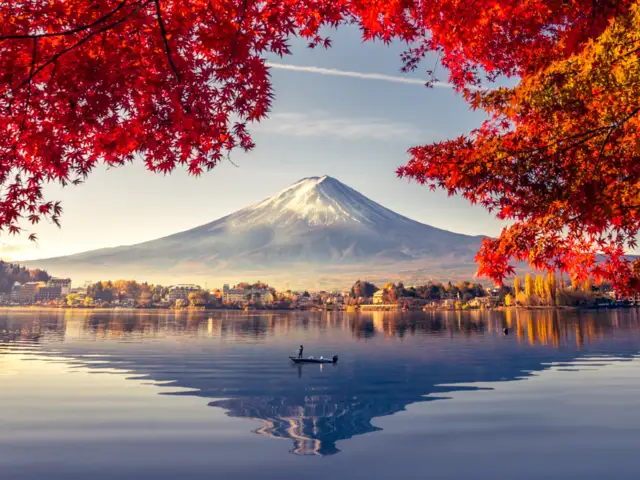
Mount Fuji now operates with mandatory entry fees, advance booking and daily visitor caps on its most-used trail. Authorities have stepped up enforcement to improve safety and reduce environmental damage.
In Kyoto, restrictions have been strengthened in residential and cultural districts. Access to parts of Gion is more clearly limited, photography bans are enforced in certain lanes, and signage has been expanded to keep tourists out of private areas. Public transport adjustments have also been made to reduce pressure on buses used by residents.
Several cities are reviewing higher accommodation taxes, particularly for higher-priced hotel stays, to fund infrastructure and tourism management. At the same time, checks on short-term rentals have intensified, with inspections targeting unregistered or non-compliant properties.
Local authorities have also increased enforcement against littering, trespassing and disruptive behaviour, using fines and visible patrols rather than awareness campaigns alone.
More fees on the horizon
Japan plans to introduce the Japan Electronic System for Travel Authorisation by 2028 for travellers from visa-free countries. Fees are expected to range between ¥2,000 and ¥3,000 per person. Combined with the higher departure tax, total travel-related charges could reach ¥5,000 to ¥6,000 per traveller.
Also Read|Japan to triple departure tax for foreign visitors from July 2026
Visa issuance fees for travellers who require entry permits may also rise, while visa-exempt visitors will not be affected.
As Japan cements its place on global travel bucket lists, the shift is clear. The country remains open and in demand, but travel is becoming more regulated, more monitored and more expensive. For visitors, the experience is still strong, but it now comes with clearer rules and higher costs designed to keep tourism in check.
Winter travel pushes Japan up the bucket list
A recent report by Cox & Kings shows demand for December to February departures to Japan has grown 15% compared to last year. Winter illumination events are a major driver. Attractions such as Tokyo Midtown’s Illumination Walk and the Nabana no Sato light gardens have become key evening experiences for Indian couples, families and young travellers. “These attraction-based evenings are becoming a high-FOMO seasonal experience.”
Snow-led travel is also seeing strong growth. Skiing, snow villages, wildlife trails, snowy hikes and open-air onsens are drawing visitors looking for seasonal contrast. “The magic is in the contrast: steaming baths against snowy forests, winter street-food stalls, and quiet, white-covered lanes. It’s a season where snow, culture and comfort come together.”
Also Read| Indians have a new favourite international travel destination for their winter wanderlust
A culture beyond cherry blossoms
Japan’s appeal is no longer limited to spring travel. Travellers are increasingly exploring cultural experiences that go deeper and move slower. Tea ceremonies in Kyoto, winter food tours in Osaka, kimono dressing workshops, ryokan stays and onsen circuits in Hakone are seeing strong traction.
ADVERTISEMENT
Neighbourhood stays in Kyoto’s Gion district, curated cooking workshops and local craft experiences have also grown over the past year. “Japan in winter has a completely different soul,” said Karan Agarwal, Director, Cox & Kings. “From local food trails to cultural rituals and unhurried neighbourhood days, travellers want depth and winter is when Japan reveals its most authentic side. Already among the top choices for 2025, Japan’s growing winter appeal now makes it a truly all-season destination”
Data from Cox & Kings shows advance bookings for next year’s cherry blossom itineraries are already up 10%, indicating winter demand is expanding Japan’s overall travel curve rather than replacing spring travel.
Tax-free shopping rules begin to tighten
As visitor volumes rise, Japan has started tightening how foreign tourists shop. Changes to the tax-free shopping system aim to curb misuse while retaining the benefit for genuine travellers.
ADVERTISEMENT
From April 1, 2025, visitors can no longer claim tax-free shopping by shipping goods overseas and presenting delivery slips. If customs officials find travellers are not carrying the items when leaving Japan, the 10% consumption tax will be charged.A larger shift will come from November 1, 2026, when Japan moves to a refund-based system. Visitors will pay the consumption tax at purchase and claim refunds at electronic kiosks before departure. Refunds will be issued only if customs officials confirm that the goods are leaving the country. Authorities will be able to deny refunds if resale or misuse is suspected.
ADVERTISEMENT
Additional reforms will remove the distinction between consumables and general goods, lift purchase caps on consumables and end special packaging rules.Also Read| How Japan’s tax-free shopping rules are changing for foreign visitors this year
Travel costs rise as crowds grow
Japan is also increasing travel-related charges to manage over-tourism. From July 2026, the departure tax for travellers leaving Japan by air or sea will rise from ¥1,000 to ¥3,000 per person. The tax applies to all travellers aged two and above and is added directly to airline and ferry tickets.
Japan collected a record ¥52.48 billion in departure tax revenue in the year ended March 2025. The government plans to use the additional funds to address congestion, overcrowding and behaviour at popular tourist sites. Tourism-related revenue for the 2026 fiscal year is expected to rise nearly 2.7 times to about ¥130 billion.
Entry limits and local controls expand
Beyond national taxes and shopping rules, Japan has also tightened access and behaviour controls at ground level.
Mount Fuji now operates with mandatory entry fees, advance booking and daily visitor caps on its most-used trail. Authorities have stepped up enforcement to improve safety and reduce environmental damage.
In Kyoto, restrictions have been strengthened in residential and cultural districts. Access to parts of Gion is more clearly limited, photography bans are enforced in certain lanes, and signage has been expanded to keep tourists out of private areas. Public transport adjustments have also been made to reduce pressure on buses used by residents.
Several cities are reviewing higher accommodation taxes, particularly for higher-priced hotel stays, to fund infrastructure and tourism management. At the same time, checks on short-term rentals have intensified, with inspections targeting unregistered or non-compliant properties.
Local authorities have also increased enforcement against littering, trespassing and disruptive behaviour, using fines and visible patrols rather than awareness campaigns alone.
More fees on the horizon
Japan plans to introduce the Japan Electronic System for Travel Authorisation by 2028 for travellers from visa-free countries. Fees are expected to range between ¥2,000 and ¥3,000 per person. Combined with the higher departure tax, total travel-related charges could reach ¥5,000 to ¥6,000 per traveller.
Also Read|Japan to triple departure tax for foreign visitors from July 2026
Visa issuance fees for travellers who require entry permits may also rise, while visa-exempt visitors will not be affected.
As Japan cements its place on global travel bucket lists, the shift is clear. The country remains open and in demand, but travel is becoming more regulated, more monitored and more expensive. For visitors, the experience is still strong, but it now comes with clearer rules and higher costs designed to keep tourism in check.
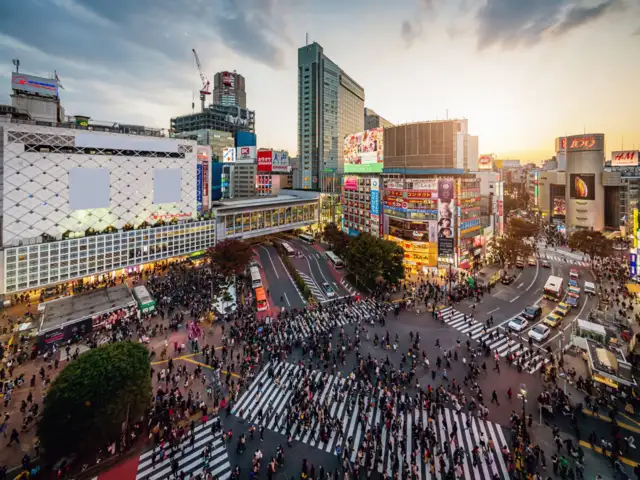
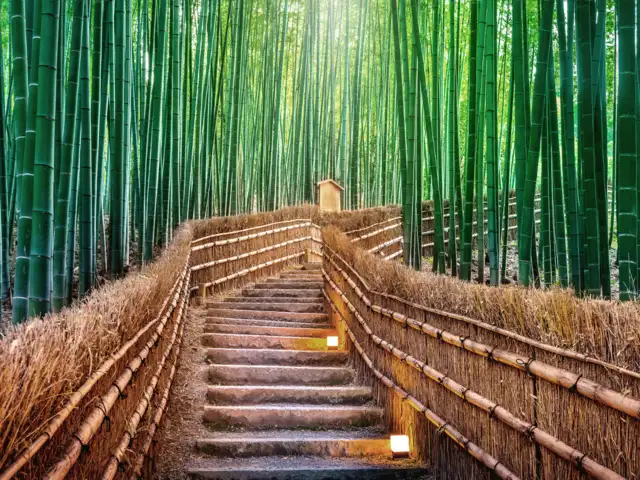
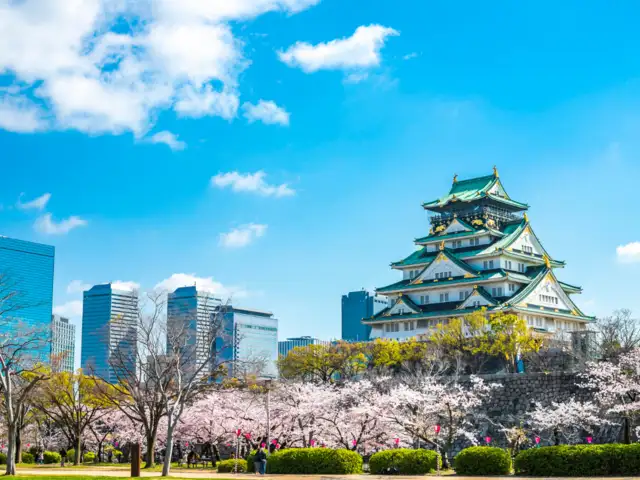
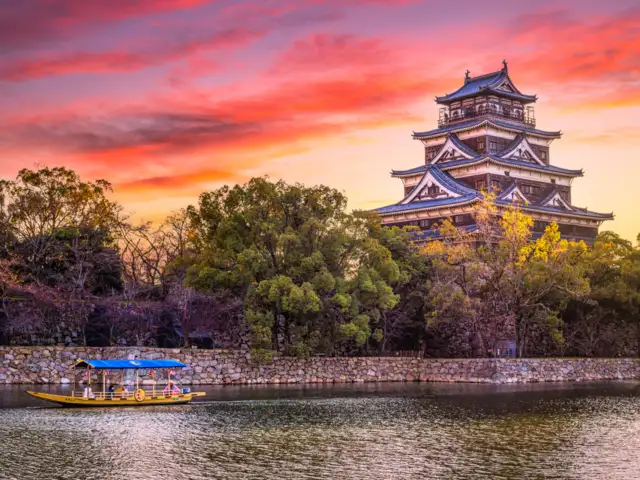
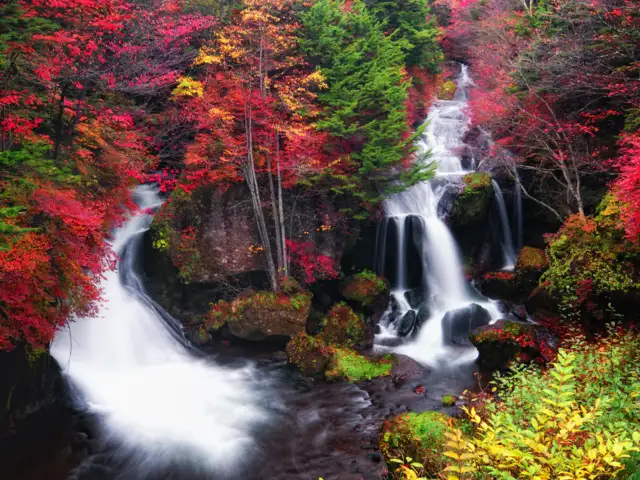
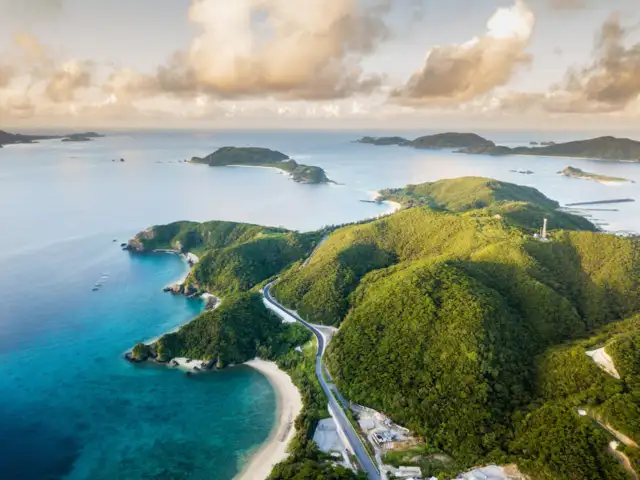
Japan is a country rich in history, culture, and natural beauty. From bustling cities to serene landscapes, here are seven places you can't miss on your trip to Japan, along with a suggested itinerary for each destination.


Download
The Economic Times Business News App for the Latest News in Business, Sensex, Stock Market Updates & More.
The Economic Times Business News App for the Latest News in Business, Sensex, Stock Market Updates & More.
Related Articles
 ‘No hurry, no anxiety, just enjoying’: Entrepreneur is amazed by organised travellers at Japan airport2026-06-20T06:12:11Z
- Global Markets | Japan's Nikkei posts sharpest weekly gain in nearly two years on AI shares rally2026-06-19T08:24:49Z
- Japan is launching a world-first Hydrogen power engine, and it could change energy forever2026-06-18T16:54:27Z
ADVERTISEMENT


