Paris hits 41°C, Eiffel Tower closes as Saharan blast grips France
Europe is grappling with an intense heat wave, triggering red alerts in multiple countries as temperatures soar. France faces school closures and power outages, while Spain and Portugal brace for record highs. Italy has banned outdoor work during ...
By ET Online | Updated:

Reuters
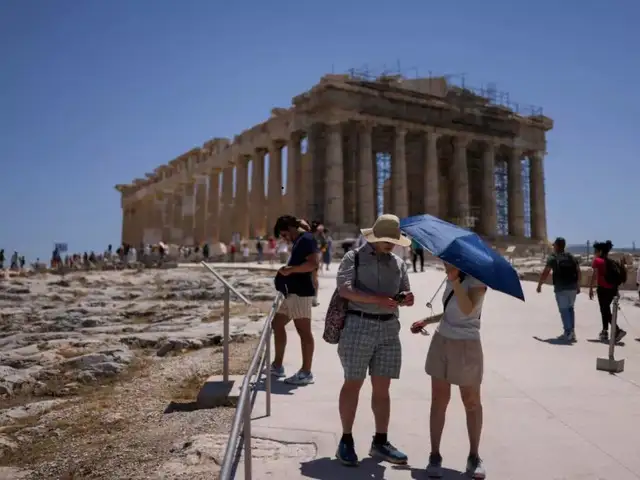
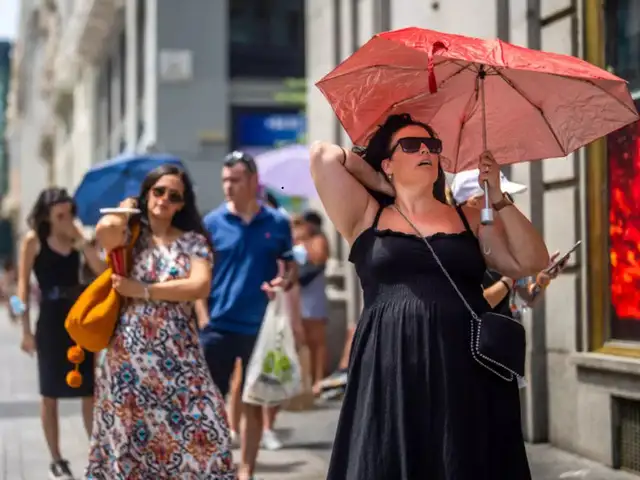
A severe heatwave intensified across Western Europe on Tuesday, with Saharan winds pushing temperatures to extreme levels and red alerts issued across multiple countries. France, Italy, Germany, Switzerland, and parts of Spain and Portugal continued to face elevated temperatures, as authorities imposed health advisories, travel disruptions, and closures of public institutions.
In Paris, temperatures were forecast to reach 40°C, prompting the closure of the Eiffel Tower’s summit until Thursday. Visitors without prior bookings were advised to postpone their plans. Météo-France issued red alerts for Paris and several other departments, with more than 1,300 schools either closed or operating at reduced capacity. The national weather agency also flagged an increased risk of wildfires due to dry soil and lack of rainfall in June.
Elsewhere in Europe, unusually high temperatures persisted in Belgium and the Netherlands. Italy’s Health Ministry reported heatwave conditions in 17 of the country’s 27 major cities. Regional authorities in Italy have extended bans on outdoor work during peak afternoon hours until mid-September.
In Germany, heat warnings were issued for several districts, particularly west of Cologne and in parts of the south. The Swiss Alps saw red alerts for violent thunderstorms, a secondary effect of the heat surge.
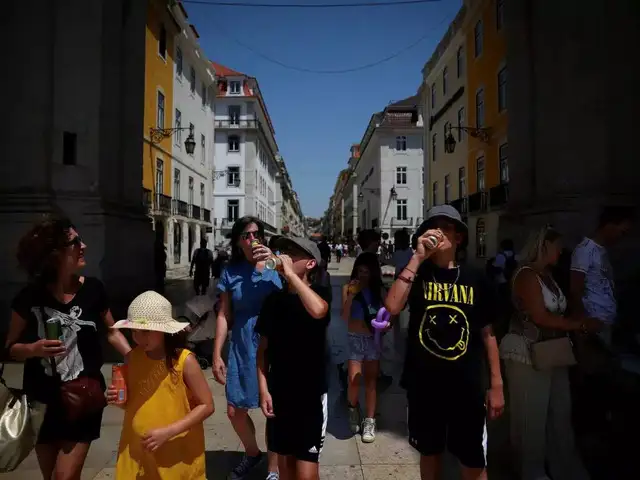
Portugal reported a slight easing of conditions. Lisbon was expected to reach 33°C on Tuesday — within the seasonal average — but inland areas may still see highs up to 43°C. The national weather agency confirmed that June temperature records were broken in two regions on June 29.
The ongoing heatwave, which began mid-June, is classified by Météo-France as the season’s first major wave. Scientists say that such events are becoming more frequent and intense due to global warming. According to Météo-France projections, by 2100, the country may experience ten times more heatwave days annually, with routine summer peaks above 40°C and extreme spikes possibly reaching 50°C.
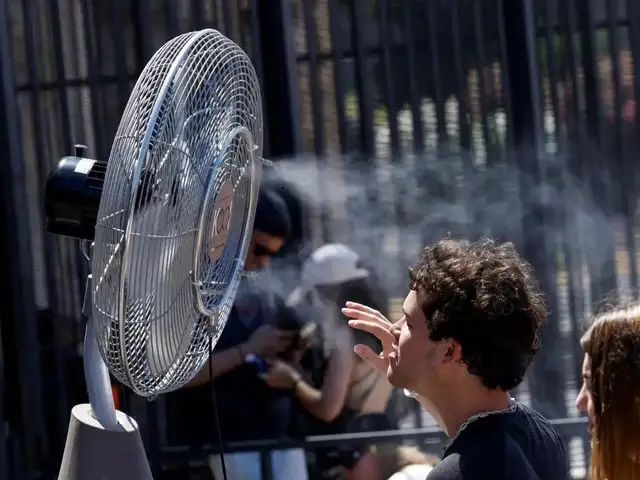
Authorities across Europe have urged citizens to avoid non-essential outdoor activity, remain hydrated, and make use of public cooling facilities where available. In Bourges, for example, local authorities opened air-conditioned libraries and public halls to the public.
Climate researchers warn that the current wave may be a preview of future summers. “France could be 4°C warmer by 2100,” Météo-France said, “with 40°C days becoming an annual norm.”
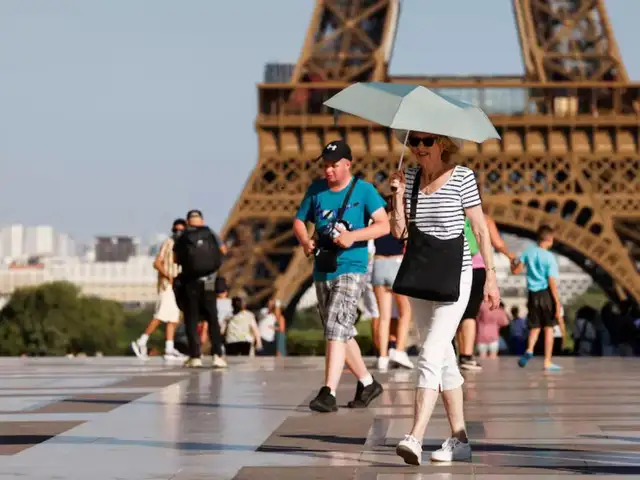
In Paris, temperatures were forecast to reach 40°C, prompting the closure of the Eiffel Tower’s summit until Thursday. Visitors without prior bookings were advised to postpone their plans. Météo-France issued red alerts for Paris and several other departments, with more than 1,300 schools either closed or operating at reduced capacity. The national weather agency also flagged an increased risk of wildfires due to dry soil and lack of rainfall in June.
Elsewhere in Europe, unusually high temperatures persisted in Belgium and the Netherlands. Italy’s Health Ministry reported heatwave conditions in 17 of the country’s 27 major cities. Regional authorities in Italy have extended bans on outdoor work during peak afternoon hours until mid-September.
In Germany, heat warnings were issued for several districts, particularly west of Cologne and in parts of the south. The Swiss Alps saw red alerts for violent thunderstorms, a secondary effect of the heat surge.
Portugal reported a slight easing of conditions. Lisbon was expected to reach 33°C on Tuesday — within the seasonal average — but inland areas may still see highs up to 43°C. The national weather agency confirmed that June temperature records were broken in two regions on June 29.
The ongoing heatwave, which began mid-June, is classified by Météo-France as the season’s first major wave. Scientists say that such events are becoming more frequent and intense due to global warming. According to Météo-France projections, by 2100, the country may experience ten times more heatwave days annually, with routine summer peaks above 40°C and extreme spikes possibly reaching 50°C.
ADVERTISEMENT
Authorities across Europe have urged citizens to avoid non-essential outdoor activity, remain hydrated, and make use of public cooling facilities where available. In Bourges, for example, local authorities opened air-conditioned libraries and public halls to the public.
Climate researchers warn that the current wave may be a preview of future summers. “France could be 4°C warmer by 2100,” Météo-France said, “with 40°C days becoming an annual norm.”
Europe is currently experiencing an intense and widespread heatwave, with several countries seeing record-breaking temperatures and extreme weather alerts. In cities across the continent, authorities are racing to protect vulnerable groups and prevent heat-related emergencies.
The United Nations has warned that such heat is no longer an anomaly but has become “the new normal,” highlighting the growing impact of climate change.




Download
The Economic Times Business News App for the Latest News in Business, Sensex, Stock Market Updates & More.
The Economic Times Business News App for the Latest News in Business, Sensex, Stock Market Updates & More.
ADVERTISEMENT


