Melbourne Airport plans major expansion of its international terminal in Australia
Melbourne Airport is embarking on a $4.5 billion expansion of its international terminal following a record-breaking summer for overseas travel. The project aims to significantly increase capacity with larger check-in and baggage halls, new gates,...
By ET Online |

iStock
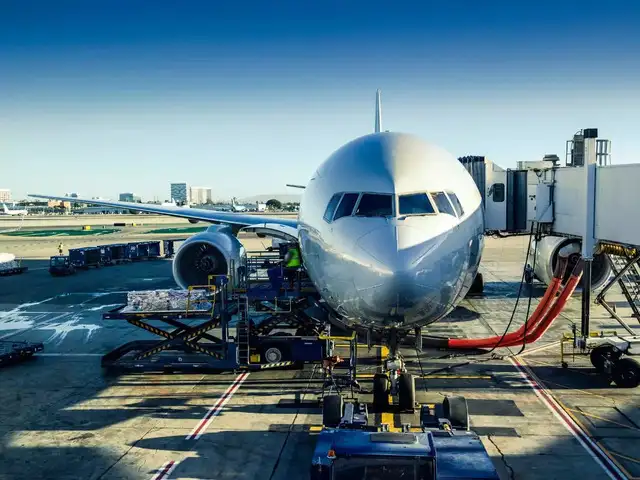
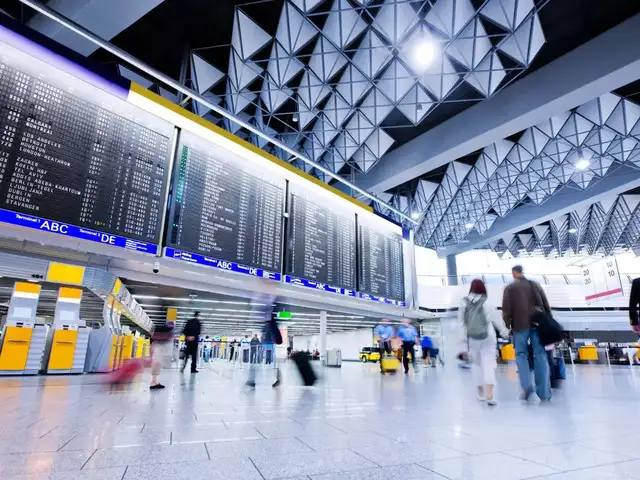
Melbourne Airport has announced plans for a $4.5 billion expansion of its international terminal after recording its busiest summer for overseas travel. The month of January alone saw more than 1.26 million international passengers pass through the airport, setting a new monthly record.
The multi-stage project aims to increase capacity and improve passenger movement at Australia’s largest 24-hour gateway.
Capacity boost amid record travel
The expansion will include larger check-in and baggage claim halls, five new gates at the existing international pier and additional aircraft stands. The airport said the upgrades will give airlines greater flexibility to schedule flights to more destinations.
The works will roll out in stages and will follow the opening of new pick-up and drop-off zones at the T123 Transport Hub in September 2026. This will allow the international terminal to extend into the current forecourt area. Given the challenges of building in a live 24-hour operating environment, the privately funded development will take several years to complete.
Key elements of the project include an expanded check-in hall with common user baggage facilities, five new aircraft stands capable of handling widebody and narrowbody aircraft, a larger baggage reclaim area with extra carousels and more space for border agencies, as well as improved lounge, retail and waiting areas.
Industry, government back expansion
Melbourne Airport Chief Executive Officer Lorie Argus said the project would support growing travel demand and complement the airport’s third runway, due to open in 2031.
“As Melbourne grows, demand for air travel is growing too and we are investing billions of dollars to deliver the infrastructure we need to accommodate that,” she said.
“Increased capacity on our airfield and terminals will allow airlines to schedule more flights to more places, which will give consumers and exporters more choice. We’ve spent several months working collaboratively with the airlines to ensure these plans meet their needs, while also delivering an improved experience for our travellers in both arrivals and departures. Our investment in new infrastructure will deliver much needed extra capacity, but it is only part of the puzzle," Lorie Argus added.
“We're keen to work with the federal government on upgrades to border processing technology and facilities to help further improve the arrivals experience for international travellers. With just one average daily international flight worth $190 million to the Victorian economy every year, these investments will help facilitate more services and secure thousands of jobs around the state," she added.
“Australian airports are critical infrastructure - connecting people with family, friends and work, and welcoming visitors from across our nation and the world,” he said.
Preliminary works on the first stage will begin after the new road network opens in September.
The multi-stage project aims to increase capacity and improve passenger movement at Australia’s largest 24-hour gateway.
Capacity boost amid record travel
The expansion will include larger check-in and baggage claim halls, five new gates at the existing international pier and additional aircraft stands. The airport said the upgrades will give airlines greater flexibility to schedule flights to more destinations.The works will roll out in stages and will follow the opening of new pick-up and drop-off zones at the T123 Transport Hub in September 2026. This will allow the international terminal to extend into the current forecourt area. Given the challenges of building in a live 24-hour operating environment, the privately funded development will take several years to complete.
Key elements of the project include an expanded check-in hall with common user baggage facilities, five new aircraft stands capable of handling widebody and narrowbody aircraft, a larger baggage reclaim area with extra carousels and more space for border agencies, as well as improved lounge, retail and waiting areas.
Global air travel ended 2025 on a busy note as major airport hubs reported strong scheduled seat capacity in December, according to aviation data released by OAG. The rankings are based on total scheduled airline seats, covering both domestic and international flights. The data highlights how large hub airports continue to dominate year-end travel, driven by holiday movement, strong airline networks, and sustained demand. India also featured on the list, reflecting its growing role in global aviation.

ADVERTISEMENT
Industry, government back expansion
Melbourne Airport Chief Executive Officer Lorie Argus said the project would support growing travel demand and complement the airport’s third runway, due to open in 2031.“As Melbourne grows, demand for air travel is growing too and we are investing billions of dollars to deliver the infrastructure we need to accommodate that,” she said.
“Increased capacity on our airfield and terminals will allow airlines to schedule more flights to more places, which will give consumers and exporters more choice. We’ve spent several months working collaboratively with the airlines to ensure these plans meet their needs, while also delivering an improved experience for our travellers in both arrivals and departures. Our investment in new infrastructure will deliver much needed extra capacity, but it is only part of the puzzle," Lorie Argus added.
“We're keen to work with the federal government on upgrades to border processing technology and facilities to help further improve the arrivals experience for international travellers. With just one average daily international flight worth $190 million to the Victorian economy every year, these investments will help facilitate more services and secure thousands of jobs around the state," she added.
ADVERTISEMENT
Assistant Minister for Citizenship, Customs and Multicultural Affairs Julian Hill said the airport’s expansion was timely.“Australian airports are critical infrastructure - connecting people with family, friends and work, and welcoming visitors from across our nation and the world,” he said.
ADVERTISEMENT
"Demand for domestic and international travel at Melbourne Airport is growing rapidly and Victorians and visitors alike will welcome these improvements which can't come too soon. I welcome Melbourne Airport's work to streamline passenger movements across domestic and international terminals. Australian Border Force will continue working closely with industry partners to improve passenger experience and ensure Australia’s airports are fit-for-purpose over the coming decades,” he added.Preliminary works on the first stage will begin after the new road network opens in September.
Download
The Economic Times Business News App for the Latest News in Business, Sensex, Stock Market Updates & More.
The Economic Times Business News App for the Latest News in Business, Sensex, Stock Market Updates & More.
Related Articles
 Virgin plane collides with ground vehicle at Melbourne airport during tow for maintenance, no injuries reported
ADVERTISEMENT


