Mass destruction for Japan? Tourists cancel plans after a psychic’s ‘real catastrophe’ warning
A wave of unverified earthquake predictions in Japan—from a manga artist, psychics, and a feng shui master—has sparked fear among travelers, particularly in East Asia, leading to widespread travel cancellations, according to a CNN Travel report. A...
By ET Online |

Agencies
A series of alarming predictions in Japan — from a comic book foretelling a “real catastrophe” to a psychic’s vision of mass destruction and a feng shui master’s warning to avoid travel — has unsettled tourists across East Asia. These forecasts, though unverified, have led to a noticeable rise in holiday cancellations and delays, dealing a blow to Japan’s tourism industry, as per a CNN Travel report.
Seismologists have consistently stated that pinpointing the exact timing of an earthquake remains nearly impossible. Japan, known for its strong disaster preparedness, has a history of enduring severe tremors, and the possibility of a major quake is a constant reality for its people.
But the fear of a “big one,” amplified by both soothsayers and social media, is prompting some travelers to get cold feet. And for many, it’s a comic book that’s scaring them away, says CNN Travel.
ALSO READ: Yen for Japan: How Japanese culture is finding a new home in India
Published by manga artist Ryo Tatsuki in 1999, “The Future I Saw” warned of a major disaster in March 2011, a date which turned out to coincide with the cataclysmic quake that struck Japan’s northern Tohoku region that month. Her “complete version” released in 2021 claimed that the next big earthquake will hit this July.
ALSO READ: Air India shifts Tokyo flights to Haneda, expands codeshare with Japan's ANA
Meanwhile, psychics from Japan and Hong Kong have issued similar warnings, sparking baseless panic online and prompting a wave of travel cancellations across the region. CN Yuen, managing director of Hong Kong-based travel agency WWPKG, told CNN Travel that bookings to Japan fell by 50% during the Easter holidays and are expected to decline further over the next two months.
The speculation has mainly deterred travelers from mainland China and Hong Kong—Japan’s second and fourth largest tourist markets. However, the concern has also reached countries like Thailand and Vietnam, where social media is filled with content urging people to reconsider trips to Japan.
ALSO READ: Japan trip on the cards? You might be in for a little shock after seeing this practice
Japan is no stranger to severe earthquakes. It lies on the Ring of Fire, an area of intense seismic and volcanic activity on both sides of the Pacific Ocean. Fears of a “big one” have been mounting since the Japanese government warned in January that there was an 80% chance of a severe earthquake hitting the country’s southern Nankai Trough within 30 years. Some seismologists have been critical of these warnings, questioning whether they can ever be accurate.
Seismologists have consistently stated that pinpointing the exact timing of an earthquake remains nearly impossible. Japan, known for its strong disaster preparedness, has a history of enduring severe tremors, and the possibility of a major quake is a constant reality for its people.
But the fear of a “big one,” amplified by both soothsayers and social media, is prompting some travelers to get cold feet. And for many, it’s a comic book that’s scaring them away, says CNN Travel.
ALSO READ: Yen for Japan: How Japanese culture is finding a new home in India
Published by manga artist Ryo Tatsuki in 1999, “The Future I Saw” warned of a major disaster in March 2011, a date which turned out to coincide with the cataclysmic quake that struck Japan’s northern Tohoku region that month. Her “complete version” released in 2021 claimed that the next big earthquake will hit this July.
ALSO READ: Air India shifts Tokyo flights to Haneda, expands codeshare with Japan's ANA
ADVERTISEMENT
Meanwhile, psychics from Japan and Hong Kong have issued similar warnings, sparking baseless panic online and prompting a wave of travel cancellations across the region. CN Yuen, managing director of Hong Kong-based travel agency WWPKG, told CNN Travel that bookings to Japan fell by 50% during the Easter holidays and are expected to decline further over the next two months.
The speculation has mainly deterred travelers from mainland China and Hong Kong—Japan’s second and fourth largest tourist markets. However, the concern has also reached countries like Thailand and Vietnam, where social media is filled with content urging people to reconsider trips to Japan.
ALSO READ: Japan trip on the cards? You might be in for a little shock after seeing this practice
Japan is no stranger to severe earthquakes. It lies on the Ring of Fire, an area of intense seismic and volcanic activity on both sides of the Pacific Ocean. Fears of a “big one” have been mounting since the Japanese government warned in January that there was an 80% chance of a severe earthquake hitting the country’s southern Nankai Trough within 30 years. Some seismologists have been critical of these warnings, questioning whether they can ever be accurate.
ADVERTISEMENT
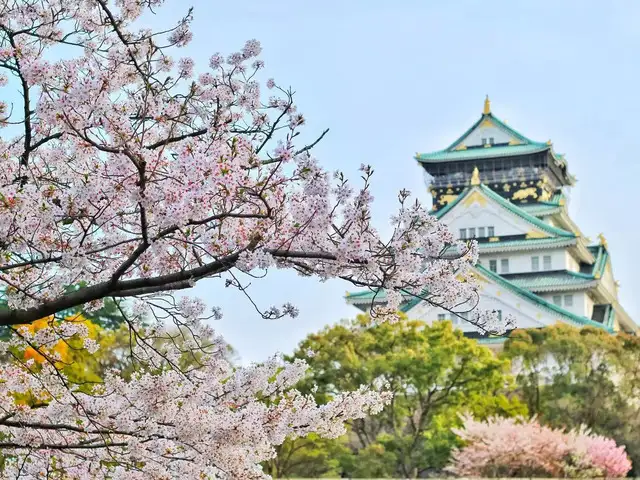
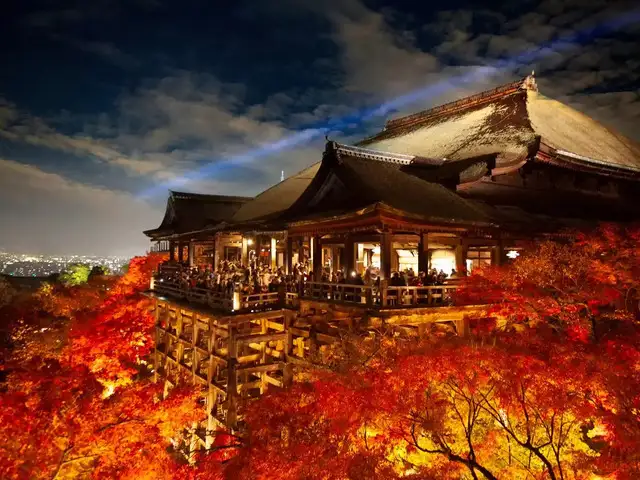
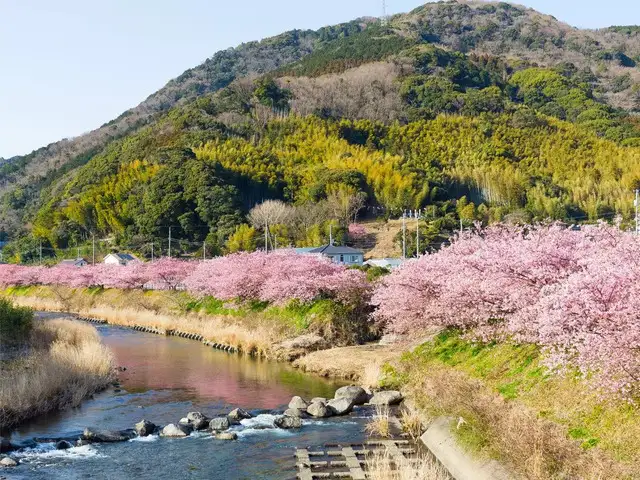
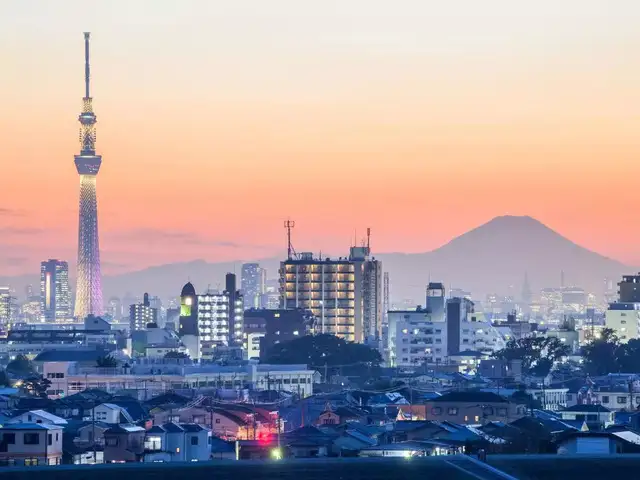
Despite the noise on social media, it’s uncertain how much the fearmongering has actually affected travel. Japan continues to be a top choice for tourists, with a record 10.5 million visitors in the first quarter of 2025, according to the Japan National Tourism Organization. The number of travelers from mainland China reached 2.36 million during this period, a 78% increase compared to last year. Around 647,600 visitors came from Hong Kong, reflecting a 3.9% year-on-year rise. And these figures only account for tourists from East Asia.Japan is also known as the land of cherry blossoms. To fully appreciate its beauty and culture, visitors should be mindful of essential travel etiquette, such as respecting local customs, mastering public transport efficiency, and understanding the importance of silence and cleanliness in public spaces.

Download
The Economic Times Business News App for the Latest News in Business, Sensex, Stock Market Updates & More.
The Economic Times Business News App for the Latest News in Business, Sensex, Stock Market Updates & More.
ADVERTISEMENT


